Traveling with breast milk by car can feel tricky, but it doesn’t have to be. You want to make sure your baby’s milk stays fresh and safe, no matter how long the trip is.
If you’ve ever worried about how to store, pack, or keep your breast milk cool while on the road, you’re not alone. In this guide, you’ll discover simple, smart tips to make your car trip smooth and stress-free. Keep reading to learn exactly what you need to do so your baby’s milk stays perfect from start to finish.
Credit: exclusivepumping.com
Preparing Breast Milk For Travel
Preparing breast milk for travel by car needs careful planning. Proper preparation keeps the milk safe and fresh for your baby. It helps avoid spills and waste during the trip. This section guides you on choosing containers, storing milk right, and organizing it clearly.
Choosing The Right Containers
Select containers made for breast milk storage. Use BPA-free plastic or glass bottles. Breast milk bags are also good for saving space. Make sure containers have tight lids to prevent leaks. Pick small sizes for easy feeding and less waste. Avoid reusing disposable bags or containers.
Proper Storage Techniques
Keep breast milk cold during the trip. Use a cooler with ice packs to maintain low temperature. Store milk in the coolest part of the cooler. Avoid opening the cooler often to keep milk cold longer. Fresh milk stays good for four hours outside the fridge. Use frozen milk if your trip lasts longer.
Labeling And Organizing Milk
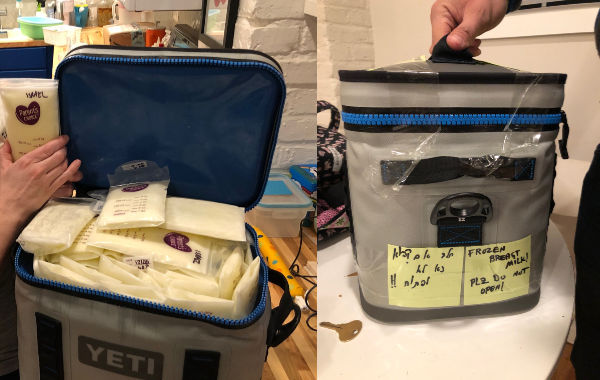
Label each container with the date and time of pumping. This helps use the oldest milk first. Write your baby’s name if traveling with others. Organize milk by date in the cooler or storage bag. Keep enough milk ready for the trip’s length. Clear labels and order reduce confusion and waste.
Credit: exclusivepumping.com
Packing Breast Milk Safely
Packing breast milk safely is very important for travel by car. It keeps milk fresh and protects your baby’s health. Proper packing prevents spoilage and contamination during the trip.
Planning ahead makes the journey smooth. Use the right tools and follow simple steps. These help keep breast milk safe and ready to use anytime.
Using Coolers And Ice Packs
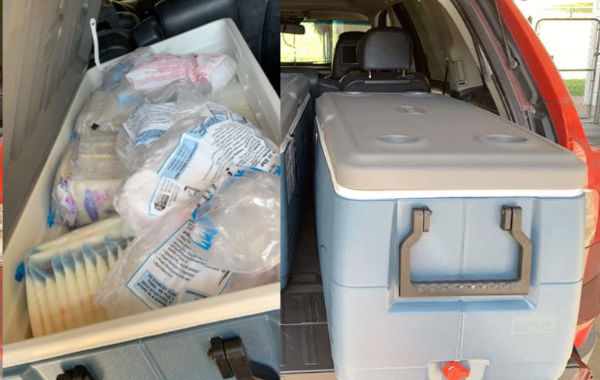
Choose a good cooler to keep breast milk cold. Soft coolers or hard cases both work well. Add enough ice packs to keep the temperature low.
Wrap ice packs in cloth to avoid direct contact with milk bags. Check the cooler’s seal to keep cold air inside. Avoid opening it often to keep milk cold longer.
Maintaining Optimal Temperature
Breast milk stays fresh at 4°C (39°F) or lower. Use a thermometer to check the cooler’s temperature. Keep milk frozen if the trip is longer than 4 hours.
Store milk in small, labeled containers for easy use. Use older milk first to reduce waste. Never leave milk in the car without cooling during hot weather.
Avoiding Contamination Risks
Clean hands before handling breast milk containers. Use clean bottles or bags made for breast milk storage. Seal containers tightly to prevent leaks.
Keep breast milk away from raw food or other contaminants. Sanitize the cooler and ice packs regularly. Avoid touching the inside of milk bags or bottle lids.
Traveling Tips For Car Journeys
Traveling with breast milk by car needs planning and care. Keeping the milk fresh and safe is very important. This section shares easy tips to help you manage breast milk during car trips.
These tips make your journey smoother and keep your baby’s milk clean and fresh. Follow simple steps to protect the milk throughout your trip.
Keeping Milk Cool During Stops
Use a cooler bag with ice packs to keep milk cold. Place the milk bottles inside the cooler right away. Avoid leaving milk in the car without cooling. At stops, transfer milk quickly back to the cooler. Keep the cooler in the shade or inside the car, away from sunlight. This helps keep the milk at a safe temperature.
Handling Breast Milk During Long Drives
Pack enough milk for the trip and extra for emergencies. Use small bottles for easier handling and feeding. Check the milk temperature often to ensure it stays cool. Avoid opening the cooler too many times. Plan rest stops where you can safely check the milk. If milk warms up, use it first or store properly at the next stop.
Safe Transport Practices
Use clean containers made for breast milk storage. Label each bottle with the date and time of expression. Avoid shaking milk hard; gentle swirling keeps nutrients safe. Store milk upright to prevent leaks. Secure bottles in the cooler or car seat to avoid spills. Wash your hands before handling milk to keep it clean.
Feeding And Handling On The Road
Traveling by car with breast milk requires careful feeding and handling. Keeping milk safe and fresh is important for your baby’s health. Proper warming, cleaning, and feeding routines help make the trip smooth. This section covers easy tips for feeding and handling breast milk on the road.
Warming Breast Milk Safely
Use a small cooler or insulated bag to keep milk cold. Warm milk by placing the bottle in warm water. Avoid microwaves; they can heat unevenly and harm nutrients. Test the milk temperature on your wrist before feeding. Warm milk is more comfortable and easier for babies to drink.
Cleaning Bottles And Pump Parts
Bring extra bottles and pump parts for convenience. Clean parts with warm, soapy water after each use. Rinse well to remove all soap. Use portable wipes if water is unavailable. Dry parts completely before storage to avoid bacteria growth. Always keep cleaning supplies handy during travel.
Feeding In The Car Or Rest Stops
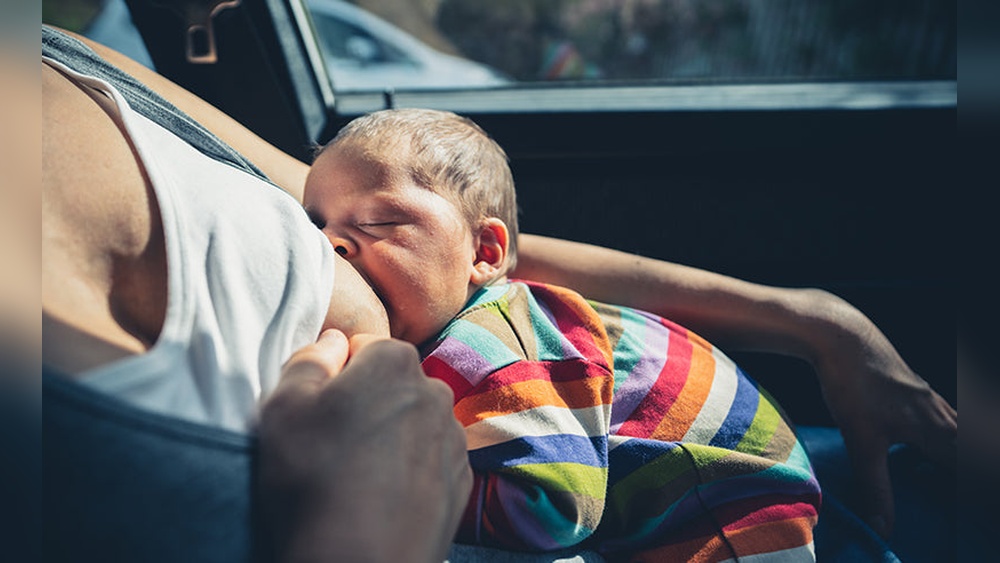
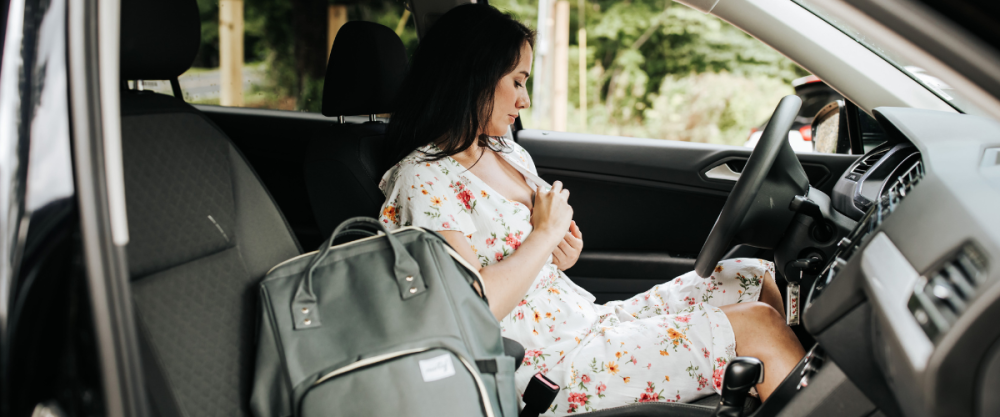
Choose safe and comfortable spots to feed your baby. Use a nursing cover for privacy if needed. Keep your baby secure in a car seat while feeding. Pull over at rest stops or safe parking areas. Stay calm and relaxed; your baby can sense stress. Feeding breaks also give you a chance to stretch and refresh.
Emergency Preparedness
Traveling by car with breast milk requires careful emergency planning. This helps keep milk safe and avoids stress. Prepare for spills, leaks, and storage problems. Know when to throw milk away. These steps protect your baby’s nutrition on the road.
Dealing With Spills Or Leaks
Carry extra absorbent cloths or paper towels. Clean spills quickly to avoid sticky messes. Use sealed plastic bags to contain leaking bottles. Pack a small bottle brush and mild soap. These help clean bottles and containers on the go. Keep milk away from direct sunlight during cleanup.
Backup Storage Options
Bring a small cooler or insulated bag as backup. Use ice packs to keep milk cold. Carry extra bottles or bags in case of damage. Store backup milk separately to avoid cross-contamination. Check cooler temperature often to ensure milk stays cold. Plan stops to refreeze ice packs if needed.
When Milk Needs To Be Discarded
Milk left out too long can spoil and harm your baby. Discard milk after two hours at room temperature. If milk smells sour or looks strange, throw it away. Always have a safe disposal bag for used milk. Never reuse milk that has been warmed and not finished.
Credit: motifmedical.com
Frequently Asked Questions
How Do I Keep Breast Milk Fresh During Car Travel?
Use an insulated cooler with ice packs to store breast milk. Keep the cooler closed to maintain a cold temperature. Avoid direct sunlight and check the temperature regularly to ensure freshness.
Can I Freeze Breast Milk Before Traveling By Car?
Yes, freezing breast milk before your trip is safe. Use labeled, airtight containers and thaw it gradually in the fridge. Avoid refreezing once thawed to maintain quality and safety.
How Long Can Breast Milk Stay Unrefrigerated In A Car?
Breast milk can stay unrefrigerated for up to 4 hours if kept cool. Use a cooler bag with ice packs to extend its freshness during short trips.
Is It Safe To Warm Breast Milk In A Car?
Avoid warming breast milk directly in a car. Use a portable bottle warmer or warm water in a secure container to heat milk safely.
Conclusion
Traveling with breast milk by car can be simple and safe. Keep milk cool using ice packs or a cooler bag. Store milk in clean, sealed containers to avoid spills. Plan regular stops to check and refresh the milk’s temperature.
Always label the milk with dates to ensure freshness. Staying organized helps reduce stress on the road. Your baby will have fresh milk anytime during the trip. Careful preparation makes travel easier for both parent and child. Safe travels and happy feeding!