
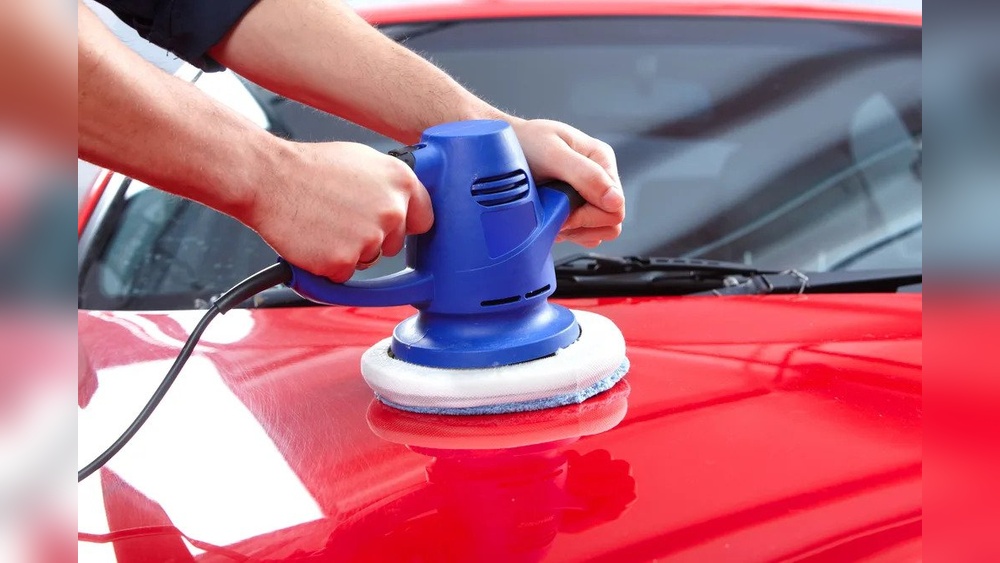
How often should you wash your car and wax it? You might think it’s just about keeping your vehicle looking good, but the truth is, regular care protects your investment and keeps your car running smoothly.
Too little care can lead to dirt buildup and damage, while too much might waste your time and money. You’ll discover the perfect balance to keep your car shining and safe without the guesswork. Ready to learn the simple secrets that can save you money and stress?
Keep reading!
Ideal Car Washing Frequency
Washing your car regularly keeps it looking fresh and protects the paint. The right washing frequency depends on how and where you drive. Dirt, dust, and other elements affect your car’s surface. Adjust your washing routine based on your driving habits and environment.
Daily Driving Conditions
Cars used every day collect dirt faster. Dust, rain, and road salt build up quickly. Wash your car at least once every two weeks. If you drive on muddy roads or in heavy rain, wash more often. Regular washing stops dirt from damaging the paint.
Seasonal Effects
Different seasons bring different challenges. Winter roads often have salt to melt ice. Salt can cause rust if not cleaned off. Wash your car weekly during winter months. Summer dust and pollen also settle on the car. Washing every two weeks helps keep your car clean in summer.
Urban Vs Rural Factors
City driving exposes cars to pollution and grime. Urban cars need washing more frequently, about once a week. Rural areas have more mud and dust from dirt roads. Wash your car twice a month if you live in the countryside. Adjust washing based on local conditions to protect your car’s finish.

Credit: ethoscarcare.com
Benefits Of Regular Washing
Washing your car regularly keeps it clean and fresh. Dirt, dust, and grime can build up quickly. This buildup can harm your car’s surface over time. Regular washing removes these harmful elements. It also helps keep your car looking new for longer. Clean cars reflect sunlight better and look shiny. The effort you put into washing pays off in many ways.
Paint Protection
Road dirt and bird droppings can damage paint. These substances eat away at the paint’s surface. Washing removes these harmful materials fast. It stops stains and scratches from forming. Clean paint reflects light better and looks brighter. Regular washing keeps the paint strong and smooth.
Preventing Rust And Corrosion
Salt, mud, and moisture cause rust on cars. Rust weakens metal parts and spreads quickly. Washing removes salt and dirt that cause rust. It keeps metal surfaces dry and healthy. Rust prevention extends the life of your car. Clean cars avoid costly repairs later on.
Maintaining Vehicle Value
A clean car holds its value better. Buyers prefer cars that look well cared for. Regular washing shows you take pride in your vehicle. It stops paint damage and rust from lowering value. Clean cars sell faster and for more money. Washing is a simple way to protect your investment.
Choosing The Right Washing Method
Choosing the right washing method helps keep your car clean and protects its paint. Different washing methods suit different needs and budgets. Picking the best one can save time and prevent damage to your vehicle. Consider how often you wash your car and your available tools before deciding.
Hand Washing Techniques
Hand washing is gentle and thorough. Use a soft sponge or microfiber cloth with car soap. Wash in sections, starting from the top and moving down. Rinse the sponge often to avoid scratching the paint. Dry the car with a clean towel to stop water spots. Hand washing takes time but offers great control and care.
Automated Car Washes
Automated car washes are quick and easy. They use brushes or touchless systems to clean the car. Some use strong chemicals that might harm the paint over time. Choose a touchless wash to reduce the risk of scratches. Automated washes work well for routine cleaning but may miss tough dirt spots.
Waterless Car Wash Options
Waterless car washes use sprays and microfiber cloths. They save water and can be used anywhere. Spray on the product and gently wipe the dirt away. Best for lightly dirty cars, not for heavy mud or grime. Waterless washes protect paint but need careful use to avoid scratches.
Waxing Frequency Guidelines
Waxing your car protects the paint and keeps it shiny. How often to wax depends on different factors. Follow these guidelines to maintain your car’s look and shield it from damage. Proper waxing frequency helps your car stay clean longer and resists weather effects.
Types Of Car Wax
There are several types of car wax. Natural waxes like carnauba give a deep shine but wear off faster. Synthetic waxes last longer and protect better in harsh weather. Some waxes are liquid, others are paste or spray. Choose wax based on your needs and how often you want to apply it.
Climate Influence On Waxing
Climate plays a big role in waxing frequency. Hot, sunny areas can fade car paint faster. Cars in these places need waxing every 4 to 6 weeks. Cold or wet climates might need waxing every 2 to 3 months. Salt and road chemicals in winter make frequent waxing important to prevent rust.
Signs Your Car Needs Waxing
Look for signs to know when to wax. Water droplets that don’t bead or roll off easily mean the wax is gone. Dull or faded paint shows wax protection is weak. Dust and dirt stick to the surface more when wax wears off. Wax your car as soon as you notice these signs for best protection.
Waxing Benefits
Waxing your car is more than just making it look good. It protects the paint and keeps the car in better shape for longer. Regular waxing adds a layer that guards against many things. You will notice the difference after just one wax.
Enhanced Shine
Wax creates a smooth surface that reflects light well. This makes the car look shiny and new. The shine also hides minor scratches and swirl marks. A glossy car always stands out on the road.
Uv Protection
Sunlight can fade and damage car paint over time. Wax acts as a shield against harmful UV rays. It stops the paint from drying out and cracking. UV protection helps keep the color bright and fresh.
Easier Cleaning
The wax layer makes dirt and grime less sticky. Dirt washes off easily with water or a quick wash. This saves time and effort in cleaning. Wax also reduces the chance of stains and spots.
Step-by-step Waxing Process
Waxing your car protects its paint and keeps it shiny. Follow a clear process for the best results. This step-by-step guide helps you wax your car easily and correctly.
Preparation And Cleaning
Start by washing your car thoroughly. Remove dirt, dust, and grime from the surface. Use a car shampoo and a soft sponge or cloth. Rinse the car well with clean water. Dry the car completely with a microfiber towel. Make sure there are no water spots or dirt left. Wax sticks best to a clean, dry surface.
Applying Wax
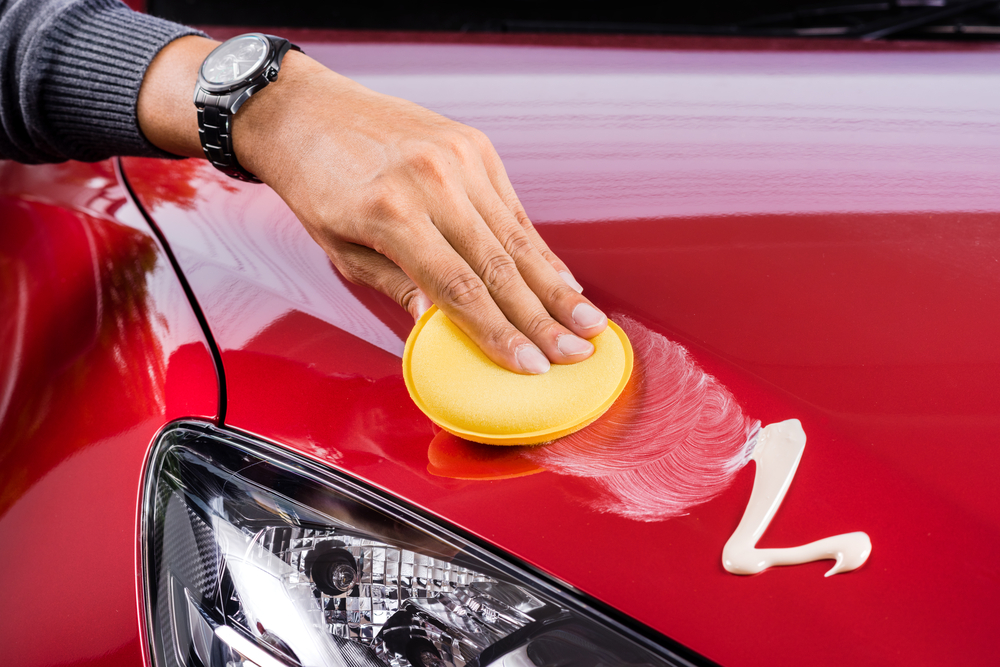
Choose the right wax for your car’s paint. Use a foam applicator or a soft cloth to apply wax. Work in small sections, about 2 feet by 2 feet. Spread the wax evenly in circular motions. Apply a thin, even layer to avoid buildup. Let the wax dry until it looks hazy or matte. This usually takes 5 to 10 minutes.
Buffing And Finishing
Use a clean microfiber cloth to buff the wax. Gently rub in small circles to remove haze. Keep buffing until the surface shines and feels smooth. Check for any missed spots and buff again if needed. Finish by wiping the entire car with a fresh cloth. Enjoy the deep shine and smooth finish.
Common Mistakes To Avoid
Knowing how often to wash and wax your car is important. Many people make mistakes that hurt their car’s look and paint. Avoiding these common errors helps keep your car shiny and safe from damage.
Washing Too Often Or Too Rarely
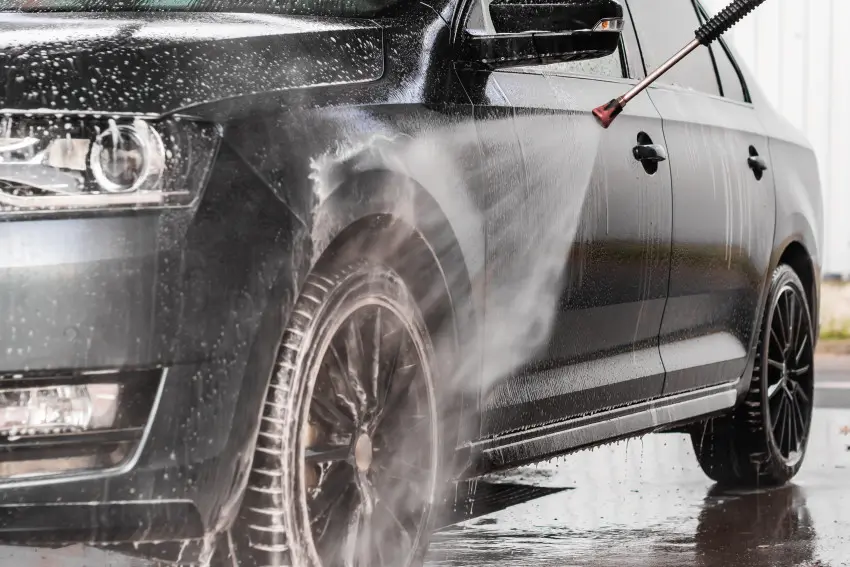
Washing your car every day can wear down the paint. Dirt and grime need to be removed regularly, but not too much. Washing too rarely allows dirt to build up and cause scratches. Aim to wash your car every two weeks or more often if it gets very dirty.
Using Harsh Chemicals
Some cleaning products contain strong chemicals that harm your car’s paint. Avoid using household cleaners or abrasive soaps. Use car wash products made for vehicles. These protect the paint and clean without damage.
Skipping Waxing
Waxing protects your car’s paint from sun, rain, and dirt. Skipping wax leaves the paint exposed to damage. Wax your car every three to four months to keep a strong protective layer. This helps maintain shine and prevents fading.
Credit: www.fbitn.com
Tips For Maintaining A Clean Car Between Washes
Keeping your car clean between washes helps protect its finish and keeps it looking fresh. Dirt, dust, and bird droppings can damage paint if left too long. Simple steps can keep your car neat and save time on full washes.
Quick Spot Cleaning
Clean spots as soon as you see them. Use a microfiber cloth and water to wipe off dirt or stains. This stops grime from sticking and harming your paint. Keep a small spray bottle and cloth in your car for easy access. Spot cleaning keeps your car looking tidy between full washes.
Interior Care
Vacuum your car seats and floor regularly. Remove trash and wipe down surfaces with a damp cloth. Use car-safe cleaners for dashboards and windows. Clean interiors make your ride pleasant and protect materials from wear. A neat inside adds to your car’s overall appeal.
Protective Coverings
Use a car cover when parked outside for long periods. Covers block dust, dirt, and sunlight that can fade paint. Choose breathable covers to avoid moisture build-up. For short stops, windshield sunshades protect your dashboard and reduce heat. These simple tools keep your car cleaner longer.
Credit: www.peoriavw.com
Frequently Asked Questions
How Often Should I Wash My Car Monthly?
Washing your car every two weeks keeps dirt and grime away. Frequent washing protects the paint and prevents rust. Adjust frequency based on weather and usage for best results.
When Is The Best Time To Wax A Car?
Wax your car every 3 months to maintain shine and protection. Avoid waxing in direct sunlight or extreme temperatures. Regular waxing preserves paint and repels water and dirt.
Can Washing My Car Too Often Cause Damage?
Washing your car too often with harsh products can damage paint. Use gentle car wash soap and soft cloths to prevent scratches. Proper washing frequency balances cleanliness and paint care.
How Does Waxing Protect My Car’s Paint?
Wax creates a protective layer against UV rays, dirt, and moisture. It helps prevent fading, oxidation, and minor scratches. Regular waxing extends your car’s paint life and keeps it glossy.
Conclusion
Regular washing keeps your car clean and protects the paint. Waxing adds a shiny finish and guards against dirt and sun damage. Wash your car every two weeks or more if you drive a lot. Waxing every three months helps maintain the shine and protection.
Clean and wax your car often to keep it looking new. Small efforts save big repair costs later. A clean, shiny car feels great to drive and shows you care. Simple habits make a big difference.


