You want your car to look its best, right? But how often should you polish and wax your car to keep that fresh, shiny finish?
If you’re unsure, you’re not alone. Polishing and waxing aren’t just about appearance—they protect your car’s paint from damage and wear. You’ll discover the ideal schedule to keep your car looking new and why sticking to it can save you money and hassle down the road.
Ready to unlock the secret to a flawless shine? Keep reading.
Benefits Of Polishing And Waxing
Polishing and waxing a car offer many important benefits. These steps keep your car looking fresh and new. They also protect the car’s surface from damage. Regular care helps maintain your car’s value over time.
Both polishing and waxing improve the car’s appearance and guard its paint. They work together to make your vehicle shine and stay safe from dirt and scratches.
Protecting Paintwork
Wax forms a shield over the paint. It blocks harmful elements like dirt and rain. This layer stops water spots and stains. Polishing removes small scratches and rough spots. It smooths the paint surface. This makes it harder for dirt to stick.
Enhancing Shine
Polishing clears away dullness. It removes tiny marks that hide the car’s true color. Wax adds a glossy finish. The combination makes your car look bright and clean. A shiny car looks well cared for and newer.
Preventing Damage
Wax protects against sun damage. UV rays can fade paint over time. Wax slows this fading process. Polishing helps remove surface contaminants that cause damage. Together, they reduce the risk of rust and corrosion. This keeps your car’s body in good shape.

Credit: ethoscarcare.com
Difference Between Polishing And Waxing
Understanding the difference between polishing and waxing helps you care for your car better. Both improve your car’s look but serve different roles. Polishing fixes surface problems, while waxing protects the paint. Knowing when and how to use each keeps your car shiny and safe.
What Polishing Does
Polishing removes small scratches, swirl marks, and oxidation. It smooths the paint surface by taking away a thin layer. This process restores the car’s shine and color depth. Polishing prepares the paint for waxing by cleaning imperfections. It is not a protective step but a correction one.
Purpose Of Waxing
Waxing adds a protective layer over the paint. It shields the car from dirt, water, and UV rays. Wax makes the surface slick, helping water and dust slide off. It also enhances the shine and color of the paint. Wax does not fix scratches or paint damage.
When To Use Each
Use polish when the paint looks dull or has light scratches. Polishing is done less often, about twice a year. Waxing should be done every few months to keep protection strong. After polishing, apply wax to protect the fresh surface. Both steps combined keep your car looking new longer.
Factors Influencing Frequency
Knowing how often to polish and wax a car depends on several factors. These factors affect how fast the car’s paint wears out or gets dirty. Understanding these can help keep your car looking fresh and protected for longer.
Climate Effects
Climate plays a big role in car care. Hot, sunny weather can fade paint faster. Rain and snow cause dirt and salt buildup. Humid areas may lead to mold or rust. Cars in dry, dusty places get dirty quickly. Each climate needs different care frequency.
Driving Habits
How and where you drive matters. Frequent driving on highways exposes paint to bugs and debris. City driving often leads to dust and pollution buildup. Short trips might not heat the car enough to dry moisture. Rough or off-road driving causes scratches and chips. These habits change how often polishing and waxing are needed.
Car Storage Conditions
Where you park your car affects its condition. Covered garages protect from sun, rain, and dirt. Outdoor parking exposes the car to weather elements all day. Parking under trees can cause sap and bird droppings. Indoor storage reduces the need for frequent waxing. Outdoor storage requires more regular care to maintain shine.

Credit: fusioncarwash.com
Recommended Polishing Schedule
Knowing the right time to polish your car keeps its paint fresh and shiny. Polishing removes small scratches and dullness from the surface. It also helps prepare the car for waxing. The schedule for polishing depends on your car’s age and condition. Follow this guide for the best results and a beautiful finish.
For New Cars
New cars usually need less polishing. Their paint is still smooth and fresh. Polishing once or twice a year is enough. This keeps the shine without harming the paint. Use gentle polish made for new car finishes. Avoid harsh or frequent polishing.
For Older Vehicles
Older cars often need more care. Polishing every three to four months works well. This removes scratches, oxidation, and stains. It also restores the paint’s brightness. Use a stronger polish but be careful not to damage the paint. Regular polishing extends the life of the car’s look.
Signs You Need To Polish
Watch for dullness or faded color on your car. Light scratches or swirl marks are clear signs. Water spots and bird droppings that don’t wash away mean polish is needed. Rough or uneven paint surfaces also show it’s time. Polishing removes these flaws and makes the paint smooth again.
Recommended Waxing Schedule
Keeping your car shiny and protected depends on how often you wax it. Waxing forms a shield on the paint, guarding against dirt, sun, and rain. A good waxing schedule helps your car look newer for longer. It also makes cleaning easier. Follow the right timing to get the best results.
Types Of Wax
Car wax comes in many forms. Paste wax lasts longer but takes more effort to apply. Liquid wax is easier to spread but may wear off faster. Spray wax is quick and good for touch-ups. Choose a wax type that fits your time and needs. Each type affects how often you should wax.
Seasonal Considerations
Season changes affect your car’s finish. In summer, strong sun can fade paint faster. Wax more often to protect from UV rays. Winter brings salt and grime from roads. Waxing before winter helps prevent damage. Spring and fall are good times for a fresh wax layer. Adjust your schedule with the seasons.
Frequency For Best Results
Wax your car every three months for steady protection. If using paste wax, every four months works well. Spray wax may need monthly reapplication. Check your car’s surface regularly. If water stops beading, it’s time to wax again. Consistent waxing keeps the paint bright and safe.

Credit: stonercarcare.com
Step-by-step Polishing Process
Polishing your car is a key step to keep its paint shiny and smooth. The process removes small scratches and dull spots. It prepares the surface for waxing. Follow these steps carefully for the best results.
Preparation And Cleaning
Start by washing the car thoroughly. Dirt and dust can scratch the paint during polishing. Use a gentle car shampoo and rinse well. Dry the surface with a clean microfiber cloth. Make sure the car is in a shaded area to avoid quick drying.
Choosing The Right Products
Select a polish that suits your car’s paint type. There are different polishes for light scratches and heavy oxidation. Use a soft foam applicator or a polishing pad for even application. Avoid harsh chemicals that can damage the paint.
Applying Polish Correctly
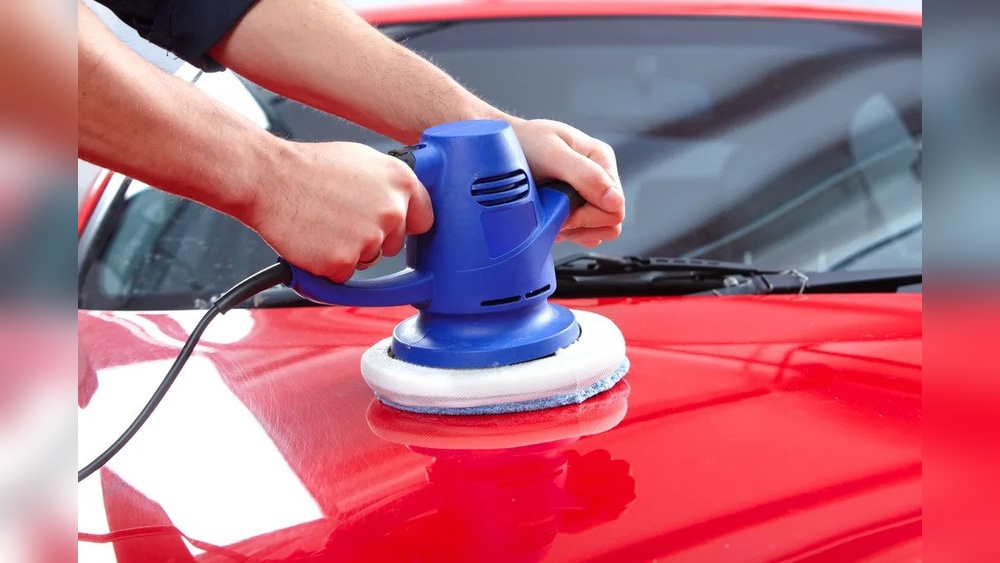
Apply a small amount of polish on the applicator. Work on one section at a time, about two feet wide. Use circular motions with light to medium pressure. Let the polish dry to a haze, then wipe it off with a clean cloth. Repeat if needed for better shine.
Step-by-step Waxing Process
Waxing your car protects the paint and keeps it shiny. The process is simple but needs care. Follow these steps for the best results. Each step matters for a smooth finish and lasting protection.
Surface Preparation
Start with a clean car. Wash it well to remove dirt and dust. Dry the surface completely with a soft cloth. Check for any paint chips or scratches. Fix these before waxing. The surface must be smooth and clean for wax to stick well.
Wax Application Techniques
Use a foam or microfiber applicator pad. Apply a small amount of wax on the pad. Spread the wax in thin, even layers. Use circular motions to cover one section at a time. Avoid heavy layers; thin layers dry faster and buff better. Work in the shade to prevent wax from drying too fast.
Buffing Tips
Let the wax dry until it looks hazy. Use a clean microfiber cloth for buffing. Buff the wax off with gentle circular motions. Use light pressure to avoid scratching the paint. Turn the cloth often for a clean side. Buff until the surface feels smooth and shines evenly.
Common Mistakes To Avoid
Polishing and waxing your car keeps it shiny and protected. Avoiding common mistakes helps maintain your car’s paint and finish. Many car owners make errors that reduce the benefits of polishing and waxing.
Over-polishing Risks
Polishing too often can wear down your car’s clear coat. The clear coat is a thin, protective layer on top of the paint. Removing too much of it causes dullness and damage. Over-polishing can create uneven spots and scratches. Use polish sparingly and only when needed.
Waxing On Dirty Surfaces
Applying wax on dirt or dust traps particles under the wax. This causes scratches and makes the wax less effective. Always wash and dry your car before waxing. Clean surfaces help the wax stick better and last longer.
Using Wrong Products
Using harsh or unsuitable products can harm your car’s paint. Avoid household cleaners or abrasive polishes not made for cars. Choose products designed for automotive use. Read labels and instructions carefully before applying them.
Professional Vs Diy Polishing And Waxing
Polishing and waxing your car can be done by professionals or at home. Both methods protect your car’s paint and keep it shiny. Choosing between professional and DIY depends on your budget, time, and skills. Understanding the differences helps you decide what works best for your car care routine.
Cost Considerations
Professional polishing and waxing cost more upfront. You pay for skill, tools, and quality products. DIY kits are cheaper and available at stores. But, some kits may need many applications to match professional results. Balance cost with how much time and effort you want to spend.
Quality Differences
Professionals use advanced tools and products. They remove scratches and apply wax evenly. DIY polishing may not fix deep scratches well. Wax application can be uneven if you lack experience. Professionals can deliver a smoother, longer-lasting finish.
When To Hire Experts
Hire experts for severe paint damage or deep scratches. Choose professionals before important events or car sales. If you lack time or proper tools, experts save effort. For regular maintenance, DIY waxing every few months is enough.
Frequently Asked Questions
How Often Should I Wax My Car For Best Results?
You should wax your car every 3 months to protect the paint. Waxing creates a protective layer against dirt and UV rays. Regular waxing keeps your car shiny and extends the paint’s lifespan.
When Is The Ideal Time To Polish A Car?
Polish your car every 6 months to remove minor scratches and oxidation. Polishing smooths the surface and enhances shine. Avoid polishing too often as it can wear down the clear coat.
Can I Polish And Wax My Car In One Day?
Yes, you can polish and wax your car the same day. Polishing removes imperfections, and waxing seals and protects the surface. Ensure the car is clean and dry before starting.
What Are The Benefits Of Waxing After Polishing?
Waxing after polishing protects the smooth surface and adds shine. It seals the paint from contaminants and UV damage. Waxing also helps maintain the polished finish longer.
Conclusion
Regular polishing and waxing keep your car shiny and protected. Aim to polish your car every six months to remove minor scratches and dullness. Wax your car every three months to shield the paint from dirt and sun damage. This simple routine helps maintain your car’s value and appearance.
Clean your car before each step for the best results. Small efforts make a big difference in your car’s look. Keep your car fresh and bright with regular care. Easy, quick steps lead to long-lasting shine and protection.