

Have you ever wondered how much your car battery actually weighs? It might seem like a simple question, but the answer can surprise you—and knowing this can help you handle your car better and even save money.
Whether you’re planning to replace your battery or just curious about what’s under your hood, understanding the weight of a car battery is more important than you think. Keep reading, and you’ll discover facts that will make your next car maintenance task easier and smarter.

Credit: www.researchgate.net
Typical Car Battery Weight
A car battery is an essential part of any vehicle. It provides the power needed to start the engine and run electrical systems. The weight of a car battery can affect handling and fuel efficiency. Knowing the typical weight helps when replacing or upgrading your battery.
Car batteries come in different sizes and types. Each type has a different weight. This section explains the average weight range and how battery types affect the weight.
Average Weight Range
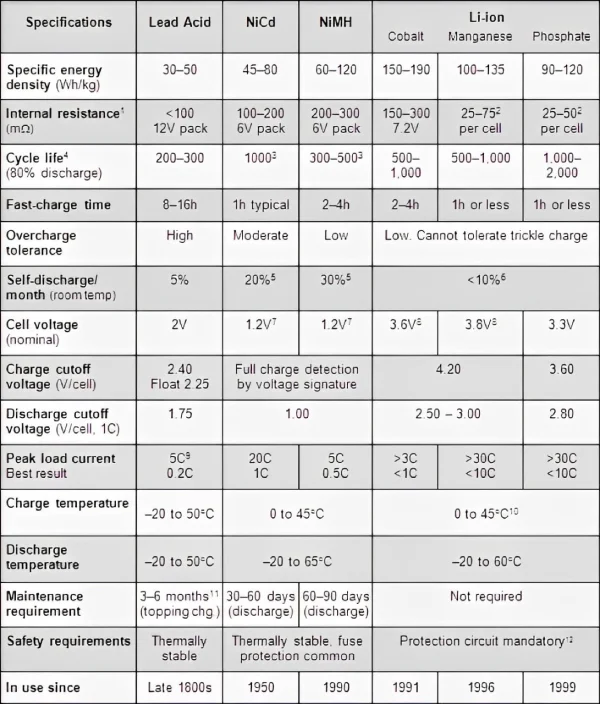
Most standard car batteries weigh between 30 and 50 pounds. Small cars usually have lighter batteries around 30 to 40 pounds. Larger vehicles may use batteries weighing 40 to 50 pounds or more. This range covers the most common lead-acid batteries found in many cars.
Weight Variation By Battery Type
Different battery types have different weights. Lead-acid batteries are heavier due to their internal components. AGM (Absorbent Glass Mat) batteries weigh slightly less but still fall in the same range. Lithium-ion batteries are much lighter, often weighing less than 20 pounds. These batteries are common in electric and hybrid cars. Weight differences come from materials and design.
Credit: www.ufinebattery.com
Factors Influencing Battery Weight
Car battery weight varies widely. Several factors decide how heavy a battery is.
Understanding these factors helps in choosing the right battery for your car.
Battery Size And Capacity
Batteries come in different sizes. Larger batteries often hold more power.
Higher capacity means more lead plates inside. This adds to the weight.
Heavy batteries last longer but weigh more. Smaller batteries weigh less but may drain faster.
Material Composition
Lead is the main material in most car batteries. It is very dense and heavy.
Some batteries use other materials like lithium to reduce weight. These materials weigh less but cost more.
The type and amount of material inside affect total battery weight greatly.
Design And Technology
Modern batteries use new designs to lower weight. They may have thinner plates or better separators.
Advanced technology can make batteries lighter without losing power. This helps improve fuel efficiency.
Design choices balance weight, cost, and performance for different car needs.
Comparing Battery Types
Car batteries come in different types, each with its own weight and features. Knowing the weight helps choose the right battery for your car. Weight affects how easy it is to handle and install the battery. Let’s compare the main types of car batteries to understand their weight differences.
Lead-acid Batteries
Lead-acid batteries are the most common type. They are heavy because they use lead plates inside. A typical lead-acid battery weighs between 30 and 50 pounds. Their weight makes them less ideal for small or light cars. But they are affordable and reliable for many vehicles.
Lithium-ion Batteries
Lithium-ion batteries are much lighter than lead-acid ones. They weigh about 15 to 20 pounds. This makes them easier to carry and install. They also last longer and charge faster. These batteries are common in electric and hybrid cars. The lighter weight helps improve fuel efficiency.
Agm And Gel Batteries
AGM (Absorbent Glass Mat) and Gel batteries are special types of lead-acid batteries. They weigh slightly less than traditional lead-acid batteries. Usually, they weigh around 25 to 40 pounds. These batteries are sealed and spill-proof. They perform well in tough conditions and need less maintenance.

Credit: www.ufinebattery.com
Impact Of Battery Weight On Vehicle
The weight of a car battery affects many parts of a vehicle. It changes how the car drives and how much fuel it uses. Car makers think about battery weight when designing cars. Even small changes can make a big difference in daily driving.
Fuel Efficiency
Heavier batteries add more weight to the car. More weight means the engine works harder. This extra work uses more fuel. Lighter batteries help save fuel and reduce emissions. Fuel efficiency improves with less battery weight.
Handling And Performance
Battery weight affects how the car feels on the road. A heavy battery can make the car slower to respond. It can also change the balance of the vehicle. Lighter batteries help the car handle better. Drivers notice smoother turns and quicker stops.
Battery Placement
Where the battery sits in the car matters. Placing it low and near the center improves balance. This placement helps keep the car steady. Heavy batteries placed poorly can make the car unstable. Good placement improves safety and driving comfort.
Handling And Safety Tips
Car batteries are heavy and contain harmful chemicals. Handling them requires care and attention. Safety helps avoid injuries and damage. Follow these tips to handle car batteries safely.
Lifting Techniques
Car batteries weigh between 30 to 50 pounds. Use both hands to lift the battery. Bend your knees and keep your back straight. Lift with your legs, not your back. Avoid twisting your body while lifting. Ask for help if the battery feels too heavy.
Disposal And Recycling
Car batteries contain acid and lead. Throwing them in regular trash is dangerous. Take old batteries to recycling centers. Recycling protects the environment from toxins. Many stores accept used batteries for recycling. Never break or damage the battery case.
Storage Precautions
Store batteries in a cool, dry place. Keep them away from heat and direct sunlight. Place batteries upright to prevent leaks. Avoid storing near metal objects that cause short circuits. Check batteries regularly for leaks or damage. Use protective gloves when handling old batteries.
Future Trends In Battery Weight
Car batteries are essential for vehicle performance and efficiency. Their weight impacts fuel economy and handling. Future trends aim to reduce battery weight without losing power. This shift helps make cars lighter and more efficient.
New materials and technologies are shaping how batteries evolve. These changes will affect the weight and size of car batteries. Understanding these trends gives insight into the future of automotive design.
Advancements In Lightweight Materials
Manufacturers use lighter materials to build battery parts. Carbon fiber and aluminum alloys replace heavier metals. These materials keep batteries strong but reduce weight significantly. Lighter batteries improve vehicle speed and fuel efficiency.
New insulation and casing materials also cut down weight. These innovations ensure safety while making batteries easier to handle. Lightweight designs are becoming standard in electric and hybrid cars.
Emerging Battery Technologies
Solid-state batteries show promise for lighter and smaller designs. They use solid electrolytes instead of liquid, lowering weight and risk of leaks. Lithium-sulfur and lithium-air batteries may also reduce weight further.
These new battery types store more energy per kilogram. They allow for smaller battery packs without losing driving range. Lighter batteries mean less strain on the vehicle and better performance.
Frequently Asked Questions
How Much Does A Typical Car Battery Weigh?
A typical car battery weighs between 30 to 50 pounds. The exact weight depends on battery size and type. Standard lead-acid batteries are heavier, while newer lithium-ion types weigh less. Always check your vehicle’s specifications for the recommended battery weight range.
Does Car Battery Weight Affect Vehicle Performance?
Yes, car battery weight can impact vehicle performance. Heavier batteries add more load, affecting fuel efficiency slightly. However, weight differences are usually minor for most cars. Performance changes are more noticeable in electric vehicles with larger battery packs.
Why Do Some Car Batteries Weigh More Than Others?
Car battery weight varies due to size, capacity, and chemistry. Larger batteries hold more power and contain more lead plates, making them heavier. Lithium-ion batteries weigh less because of advanced materials. Vehicle requirements also influence battery weight choices.
Can I Use A Lighter Car Battery Safely?
Using a lighter battery is safe if it matches vehicle specs. Ensure the battery provides correct voltage and capacity. A lighter battery may be lithium-based or smaller in size. Always consult your owner’s manual before replacing the battery.
Conclusion
Car batteries usually weigh between 30 and 50 pounds. The exact weight depends on the battery type and size. Heavier batteries often last longer and provide more power. Knowing the weight helps when replacing or handling batteries safely. Always check your car manual for the right battery weight.
This ensures proper fit and performance. Remember, a well-chosen battery keeps your car running smoothly. Weight matters, but so does quality and compatibility. Choose wisely to avoid problems on the road.


