If your car has been in an accident, you’re probably wondering how much its value has dropped. Knowing how much a car depreciates after an accident can save you from surprises when you sell or insure it.
You might be asking yourself: Will my car still be worth what I paid for it? How will this affect my insurance claim? You’ll discover the real impact accidents have on your car’s value and what factors play the biggest role.
Keep reading to learn how to protect your investment and make smart decisions moving forward.
Impact Of Accidents On Car Value
Accidents affect a car’s value in many ways. Even a small crash can lower its price. Buyers want safe and reliable cars. An accident record makes them cautious. This leads to a drop in demand and price. Understanding how accidents impact value helps owners make smart decisions.
Some value loss happens right after the crash. Other factors reduce the price over time. Both parts shape the total depreciation after an accident.
Immediate Depreciation After A Crash
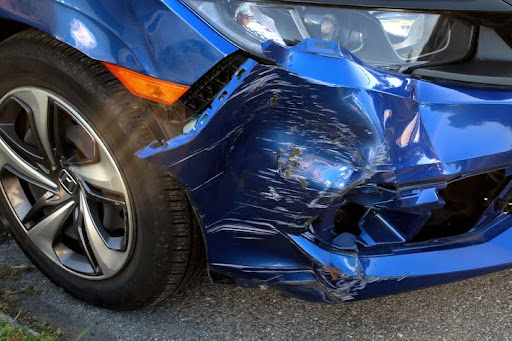
The first drop in value happens soon after a crash. The car’s appearance, function, and safety take a hit. Even if repairs fix damage, the accident history stays. Buyers see this record and expect problems. This lowers the car’s market price quickly. Immediate depreciation can be 10% to 30% of value.
Long-term Value Loss Factors
Long after the crash, the car keeps losing value. Issues like hidden damage or weaker structure emerge. Insurance history reports show past accidents. These reports reduce buyer trust. Older repairs may wear out faster. Maintenance costs can increase. All these factors keep the car’s price below similar accident-free models.
Credit: www.michaelgopin.com
Factors Influencing Depreciation
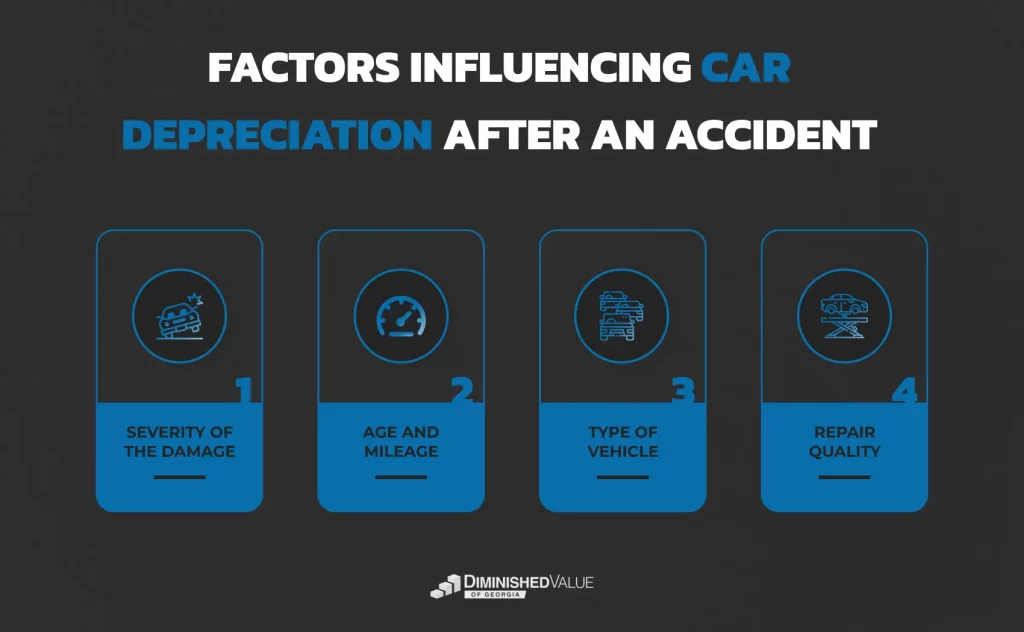
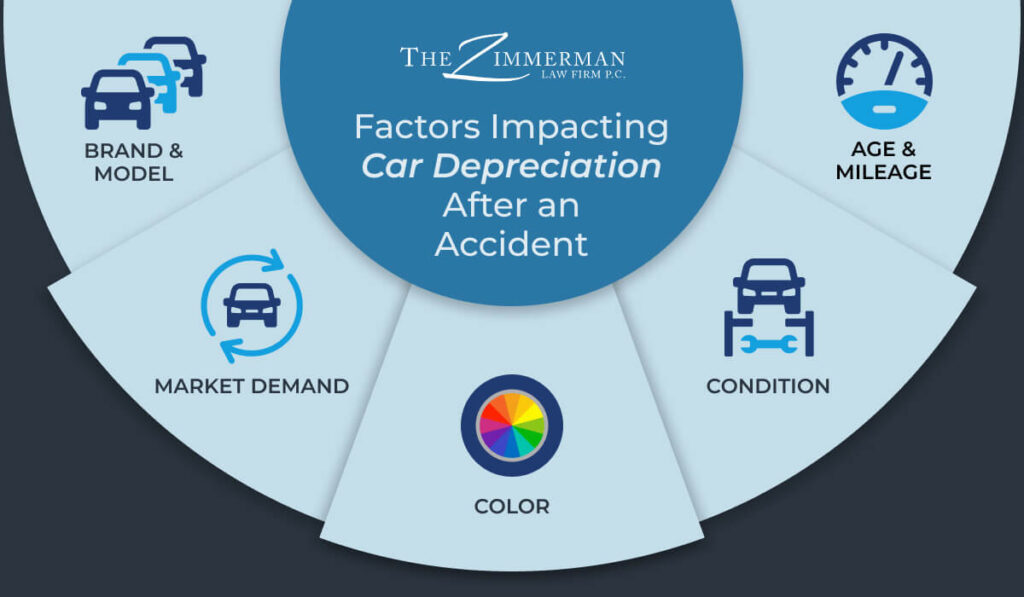
Car depreciation after an accident varies widely. Several factors shape how much value a vehicle loses. Understanding these factors helps car owners and buyers make better decisions.
Severity Of Damage
Damage severity directly affects depreciation. Minor dents and scratches lower value less. Major frame damage or engine problems cause bigger value drops. The more serious the damage, the greater the loss in resale price.
Type Of Vehicle
Some cars lose value faster after accidents. Luxury cars often face higher depreciation. Older models may lose less since they already have low value. Popular cars keep value better than rare or specialty vehicles.
Repair Quality
High-quality repairs reduce depreciation. Proper fixing restores car condition closer to original. Poor repairs or visible flaws lower value further. Certified repair shops add trust and help keep value higher.
Vehicle History Reports
Accident records in history reports affect resale value. Buyers check these reports to assess car condition. A reported accident usually means lower price. Clean reports help maintain higher value.
Quantifying Depreciation Rates
Quantifying depreciation rates after a car accident helps car owners understand value loss. It measures how much a vehicle’s worth drops due to damage. This loss depends on the accident severity and repair quality. Knowing these rates guides buyers and sellers during transactions.
Average Percentage Loss
On average, a car loses about 10% to 25% of its value after an accident. Minor damages usually cause smaller drops, around 10% to 15%. Major accidents can reduce value by 20% or more. Some cars may lose even higher value if repairs are visible or incomplete.
Comparing Minor Vs Major Accidents
Minor accidents involve small dents or scratches. These cause less value loss and can be fixed easily. Major accidents affect the frame, engine, or safety parts. They cause large depreciation and lower buyer interest. Cars with major damage often sell below market price.
Credit: diminishedvalueofgeorgia.com
Effects On Resale And Trade-in Value
Car accidents can cause a drop in your vehicle’s value. This loss is clear when you want to sell or trade it in. Buyers and dealers often see accident history as a risk. This affects how much money you can get later. Understanding these effects helps set fair expectations for resale and trade-in.
Buyer Perception And Market Demand
Buyers usually avoid cars with accident history. They worry about hidden damage or future repairs. Even minor accidents can scare buyers away. This lowers demand for your car. Fewer interested buyers mean lower offers. The market prefers cars with clean records. Accident damage shows as a red flag. This makes it harder to find a good price.
Negotiation Challenges For Sellers
Sellers face tougher talks after an accident. Buyers use the accident as a reason to lower price. Sellers must prove the car is still reliable. Repairs and inspections can help but don’t guarantee higher offers. Trade-in values drop because dealers resell cars carefully. Sellers often accept less money to close deals fast. Negotiations become more stressful and less favorable.
Insurance And Depreciation
Insurance plays a big role in how a car loses value after an accident. Car depreciation after a crash is not just about the damage. It also depends on how insurance companies handle the claim. Understanding this process helps car owners know what to expect.
Insurance companies use specific methods to figure out how much value a car loses. This value affects the payout you get. It is important to know these details before making a claim.
How Insurers Calculate Depreciation
Insurers look at the car’s condition before and after the accident. They check the repair cost and the car’s market value. Depreciation is the difference between the car’s value before and after damage.
Factors include the car’s age, mileage, and type of damage. Even after repairs, a car may be worth less. This loss in value is called diminished value or depreciation.
Insurers use guides and databases to find the car’s current market value. They subtract the repair cost from this value. The result shows how much the car depreciated after the accident.
Total Loss Settlements
A total loss happens when repair costs exceed the car’s value. In this case, the insurer pays the car’s actual cash value. This value is before the accident happened.
The payout includes depreciation. The insurer does not pay for the car’s full original price. They pay based on the car’s worth at the accident time.
Knowing this helps owners understand why insurance checks may be lower. It also explains why depreciation matters in total loss claims.
Minimizing Depreciation After An Accident
Car value drops after an accident. This loss is called depreciation. Reducing this drop helps keep your car’s worth higher. Some smart steps lower depreciation fast. These steps protect your investment. Here are key ways to minimize value loss after a crash.
Choosing Reliable Repair Shops
Pick repair shops with good reviews and certified technicians. Quality repairs keep your car safe and strong. Poor repairs can hurt the car’s value more. Ask for shops that use original parts. A trusted shop helps your car look and work like new.
Maintaining Detailed Repair Records
Keep all repair bills and work reports. Detailed records show buyers the car was fixed properly. This builds trust and can increase resale price. A clear history proves the accident damage is fixed. Save receipts and photos of the repairs done.
Timing The Sale Or Trade-in
Sell or trade your car soon after repairs. Waiting too long can lower the car’s value more. A quick sale means less time for wear and tear. Buyers prefer cars fixed recently. Acting fast helps you get a better price.
Real-life Examples And Case Studies
Real-life examples and case studies show how much a car loses value after an accident. These stories help understand the impact clearly. They reveal how different factors change a car’s price.
Examining actual cases gives a clear picture of depreciation. It moves beyond theory to real numbers. Buyers and sellers get useful insights from these examples.
Depreciation On Different Car Models
Each car model loses value differently after an accident. Luxury cars often drop more in price than economy cars. For example, a luxury sedan may lose 30% of its value. A small hatchback might lose around 15%.
Sports cars tend to lose value quickly after damage. Their buyers want perfect condition cars. Some family SUVs show less depreciation. They keep value better due to strong demand.
Older cars usually have smaller value drops. Their overall price is lower, so damage affects less. New cars face bigger value hits. The market expects them to be flawless.
Impact Of Accident History On Price
A car’s accident history strongly affects its resale price. Cars with one minor accident lose about 20% of their value. Multiple or serious accidents can reduce value by over 40%.
Buyers often avoid cars with accident records. They worry about hidden problems or future repairs. This fear lowers the price sellers can ask.
Even repaired cars show lower market value. Records on vehicle history reports make buyers cautious. Sellers must lower prices to attract buyers.
Credit: www.thezlawfirm.com
Frequently Asked Questions
How Much Value Does A Car Lose After An Accident?
A car typically loses 10% to 25% of its value after an accident. The exact depreciation depends on damage severity and repair quality.
Does Accident History Affect Car Resale Price?
Yes, cars with accident history usually sell for less. Buyers prefer vehicles with clean records, impacting resale value significantly.
Can Professional Repairs Reduce Depreciation After An Accident?
Professional repairs can help minimize depreciation. High-quality repairs restore the car’s condition, making it more appealing to potential buyers.
How Long Does Accident-related Depreciation Last?
Depreciation from an accident can last several years. The vehicle may never fully regain its pre-accident market value.
Conclusion
A car loses value quickly after an accident. Even small damages can lower its price. Buyers often worry about hidden problems. Repair quality also affects how much value stays. Knowing this helps you make smarter choices. Always check a car’s history before buying.
This protects your money and peace of mind. Cars with accident records sell for less. Understanding depreciation saves you from surprises later. Keep these points in mind when dealing with accident cars. It makes a big difference.