
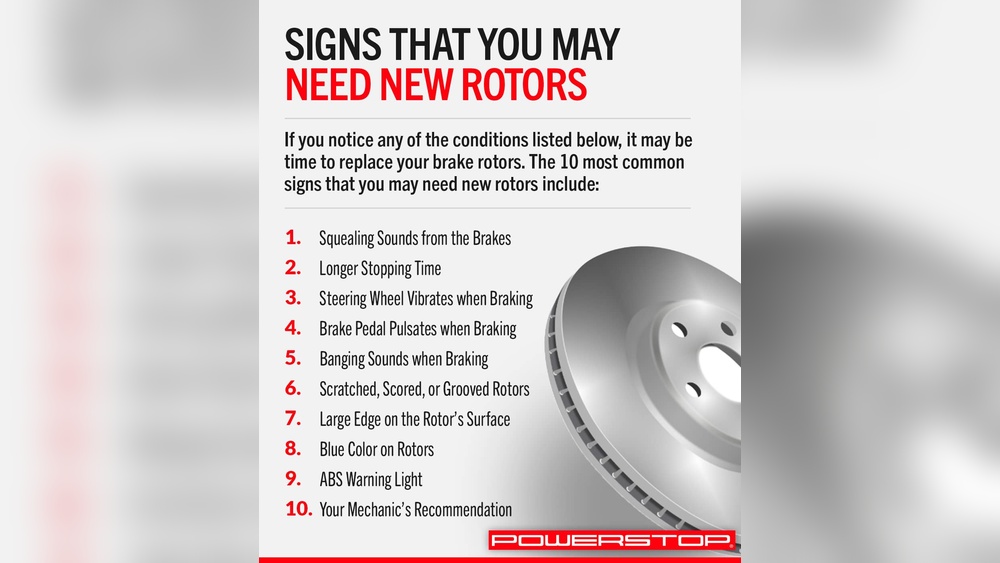
Have you ever wondered how often you should replace your brake rotors? These crucial parts keep your car stopping safely, but they don’t last forever.
Ignoring worn rotors can lead to costly repairs or even dangerous driving conditions. You’ll discover clear signs that it’s time for a replacement and learn exactly when to act. Keep reading to protect your safety and save money by knowing the right time to replace your brake rotors.
Credit: www.reddit.com
Signs Of Worn Brake Rotors
Worn brake rotors can cause serious problems for your car’s braking system. Knowing the signs helps you act fast. Early detection can prevent costly repairs and keep you safe on the road.
Squeaking And Grinding Noises
Squeaking sounds often mean rotor wear. It happens when the brake pads rub unevenly. Grinding noises are worse. They show metal scraping on metal. This means the rotor surface is damaged and needs attention.
Vibration While Braking
If the brake pedal shakes or vibrates, it signals rotor issues. Warped rotors cause uneven contact with brake pads. This leads to vibrations felt in the pedal or steering wheel. Smooth braking should feel steady and firm.
Visible Rotor Damage
Check your rotors for cracks or grooves. Deep lines or rough spots show wear. Rust patches can weaken the rotor surface. Any visible damage means it’s time to replace or resurface the rotors.
Credit: www.yourmechanic.com
Factors Affecting Rotor Lifespan
Brake rotors do not wear out at the same rate for every driver. Several factors influence how long rotors last. Knowing these factors helps you plan for rotor replacement. It also helps keep your vehicle safe on the road.
Driving Habits
How you drive affects rotor wear a lot. Hard braking and sudden stops wear rotors faster. Driving mostly in the city means more braking. This causes rotors to wear out sooner. On highways, brakes are used less often. Gentle braking helps extend rotor life.
Vehicle Type And Usage
Heavier vehicles put more stress on brake rotors. Trucks and SUVs often wear out rotors quicker. Carrying heavy loads or towing adds to the strain. Sports cars may use high-performance rotors. These can wear differently based on use. Daily driving or racing changes rotor lifespan too.
Rotor Material And Quality
Rotors come in different materials. Some are made of cast iron, others of composites. High-quality rotors last longer and resist warping. Cheap rotors may wear unevenly or crack. Choosing good materials helps rotors last more miles. Always pick rotors suited to your vehicle type.
Recommended Replacement Intervals
Knowing the right time to replace brake rotors keeps your car safe. Rotors wear down over time from regular use. Following recommended replacement intervals helps avoid costly repairs and unsafe driving conditions. These intervals depend on many factors like driving style and vehicle type.
Mileage Guidelines
Most brake rotors last between 30,000 and 70,000 miles. Some may wear out faster in city driving with frequent stops. Long highway drives can extend rotor life. Always track your mileage and watch for signs of wear. Replacing rotors too late can reduce braking power.
Manufacturer Recommendations
Car makers provide specific rotor replacement advice in the owner’s manual. Follow these guidelines closely for your vehicle model. Different cars and rotor types have different lifespans. Use original equipment parts for best fit and safety. Check the manual before buying new rotors.
When To Inspect Rotors
Inspect rotors during regular brake checks or every 10,000 miles. Look for grooves, cracks, or uneven wear on the surface. Vibrations or noise when braking also signal rotor issues. A mechanic can measure rotor thickness to decide if replacement is needed. Early inspection saves money and improves safety.
Rotor Maintenance Tips
Proper rotor care extends their life and keeps braking safe. Small steps can stop big problems. Pay attention to rotors often to spot early wear and tear. Simple habits help avoid costly repairs and keep your car smooth on the road.
Regular Brake Inspections
Check your brakes every 10,000 miles or during oil changes. Look for cracks, grooves, or rust on rotors. Listen for squealing or grinding sounds while braking. Early checks catch damage before it worsens. Visit a mechanic if unsure about rotor condition.
Proper Brake Pad Replacement
Change brake pads before they wear out fully. Worn pads can damage rotors quickly. Use pads recommended by your car maker. Replace pads in pairs for balanced braking. Clean dust and debris from pads and rotors during changes.
Avoiding Overheating
Do not ride the brakes down hills or in traffic. Overheating warps rotors and reduces brake power. Use engine braking to slow down on long descents. Stop for breaks during heavy braking to cool the system. Cooler rotors last longer and work better.
Diy Vs Professional Rotor Replacement
Replacing brake rotors is a task many car owners consider doing themselves. It can save money and give a sense of accomplishment. Yet, rotors are crucial for safe driving. A mistake could lead to brake failure. Knowing the difference between DIY and professional replacement helps decide the best approach for your needs.
Tools Needed For Replacement
To replace brake rotors, you need specific tools. A jack and jack stands lift the car safely. A lug wrench removes the wheel nuts. A socket set helps to remove caliper bolts. A C-clamp presses the brake caliper piston. Brake cleaner cleans the new rotors before installation. Having the right tools makes the job easier and safer.
Step-by-step Replacement Process
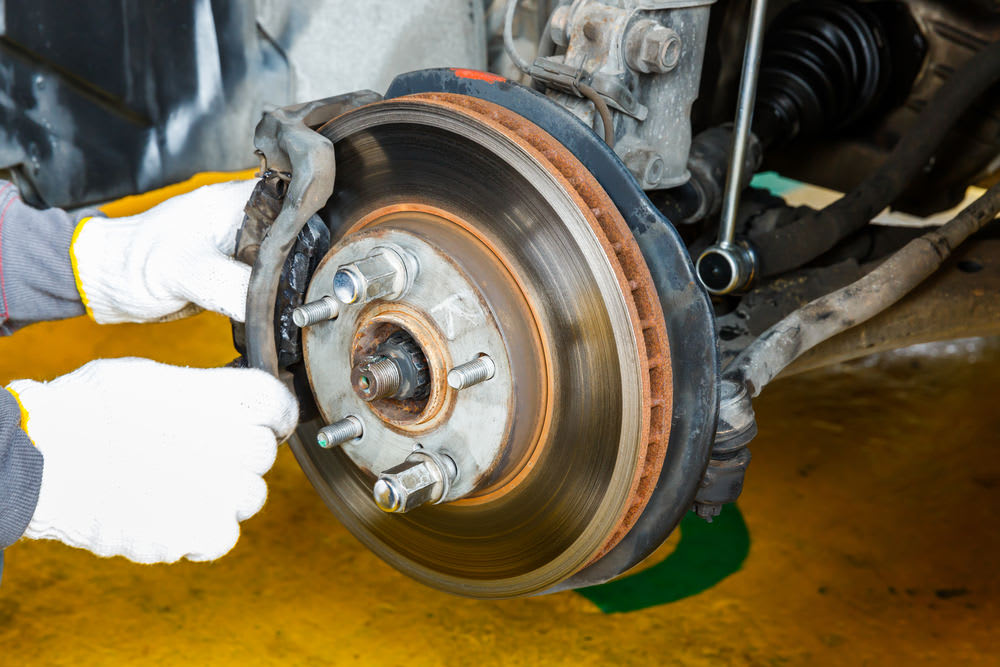
Start by loosening the wheel nuts slightly. Then, lift the car with a jack and secure it with stands. Remove the wheels to access the rotors. Next, remove the brake caliper bolts and hang the caliper safely. Take off the old rotor from the hub. Clean the hub surface before putting the new rotor on. Reinstall the caliper and tighten bolts properly. Finally, put the wheel back and lower the car. Tighten the wheel nuts fully after lowering.
When To Seek Professional Help
Choose professional help if you lack tools or experience. Complex brake systems need special knowledge. If you notice unusual noises or vibrations after replacement, a professional check is wise. Professionals ensure correct rotor fit and brake safety. They spot hidden problems you might miss. Safety is the top priority for any brake work.

Credit: www.hawkperformance.com
Frequently Asked Questions
How Often Should Brake Rotors Be Replaced?
Brake rotors usually need replacement every 30,000 to 70,000 miles. This varies by driving habits, rotor quality, and vehicle type. Regular inspections help identify wear early and maintain braking performance and safety.
What Signs Indicate Brake Rotor Replacement Is Needed?
Look for vibrations, squealing noises, or visible grooves on rotors. Warped or cracked rotors affect braking efficiency and safety. If you notice these symptoms, have a mechanic inspect and possibly replace the rotors.
Can I Replace Brake Rotors Myself Safely?
Yes, if you have the right tools and knowledge. Follow vehicle-specific instructions carefully. However, improper installation can reduce braking safety, so professional help is recommended if unsure.
Does Rotor Thickness Affect Replacement Timing?
Yes, rotors have a minimum thickness limit. When thickness falls below this, braking effectiveness drops, requiring replacement. Measuring rotor thickness regularly ensures safe and optimal brake performance.
Conclusion
Brake rotors wear out over time and need regular checks. Listen for noises and watch for vibrations while driving. Thin or damaged rotors reduce braking safety. Many drivers replace rotors every 30,000 to 70,000 miles. Your driving style and road conditions affect rotor life.
Keep rotors in good shape to ensure safe stops. Don’t wait until problems become serious or costly. Regular maintenance saves money and protects you on the road. Stay alert, inspect often, and replace rotors as needed. Safe driving starts with good brakes.


