

Are your brakes making strange noises or feeling less responsive? You might be wondering, “How much is it to change your brakes and rotors?”
Knowing the cost upfront can save you from surprises and help you make smart decisions about your car’s safety. You’ll discover clear, straightforward information about what affects the price and how to get the best value for your money. Keep reading to protect your ride and your wallet.
Brake And Rotor Replacement Basics
Brakes and rotors are key parts of your car’s safety system. They help stop your car safely and smoothly. Over time, these parts wear out and need replacement. Knowing the basics helps you keep your car safe and avoid costly repairs.
Why Change Brakes And Rotors
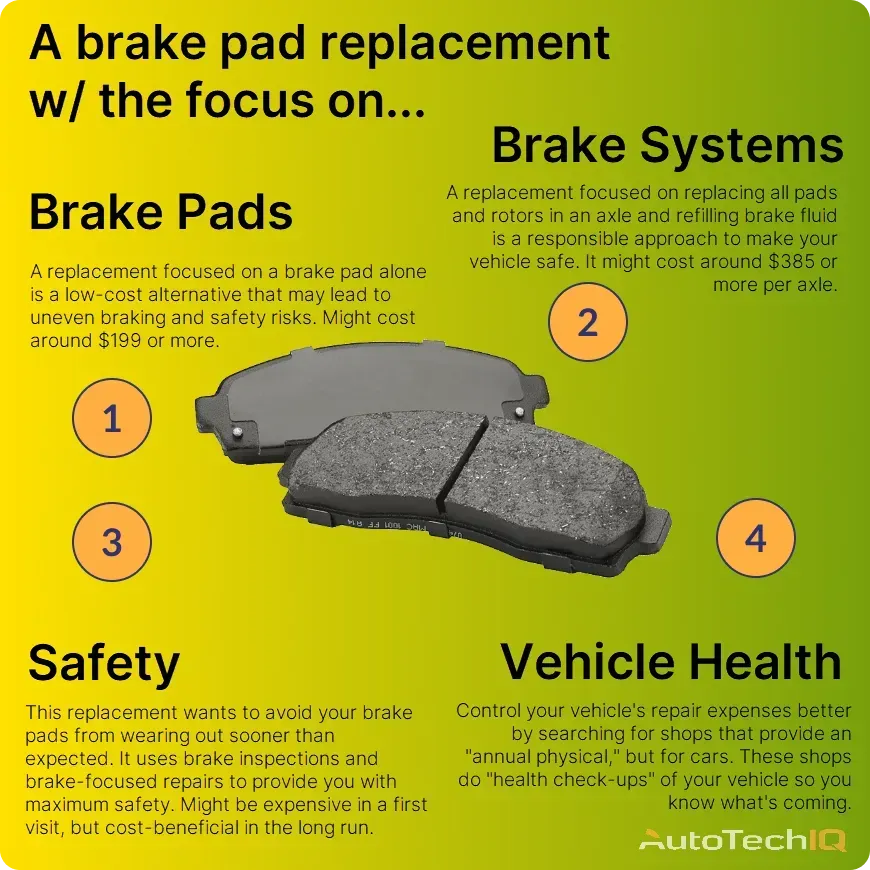
Brakes and rotors wear down from regular use. Thin brake pads lose their ability to stop the car well. Worn rotors can cause shaking or noise when braking. Changing them keeps your car safe and improves driving comfort. It also prevents damage to other parts of the braking system.
Signs You Need Replacement
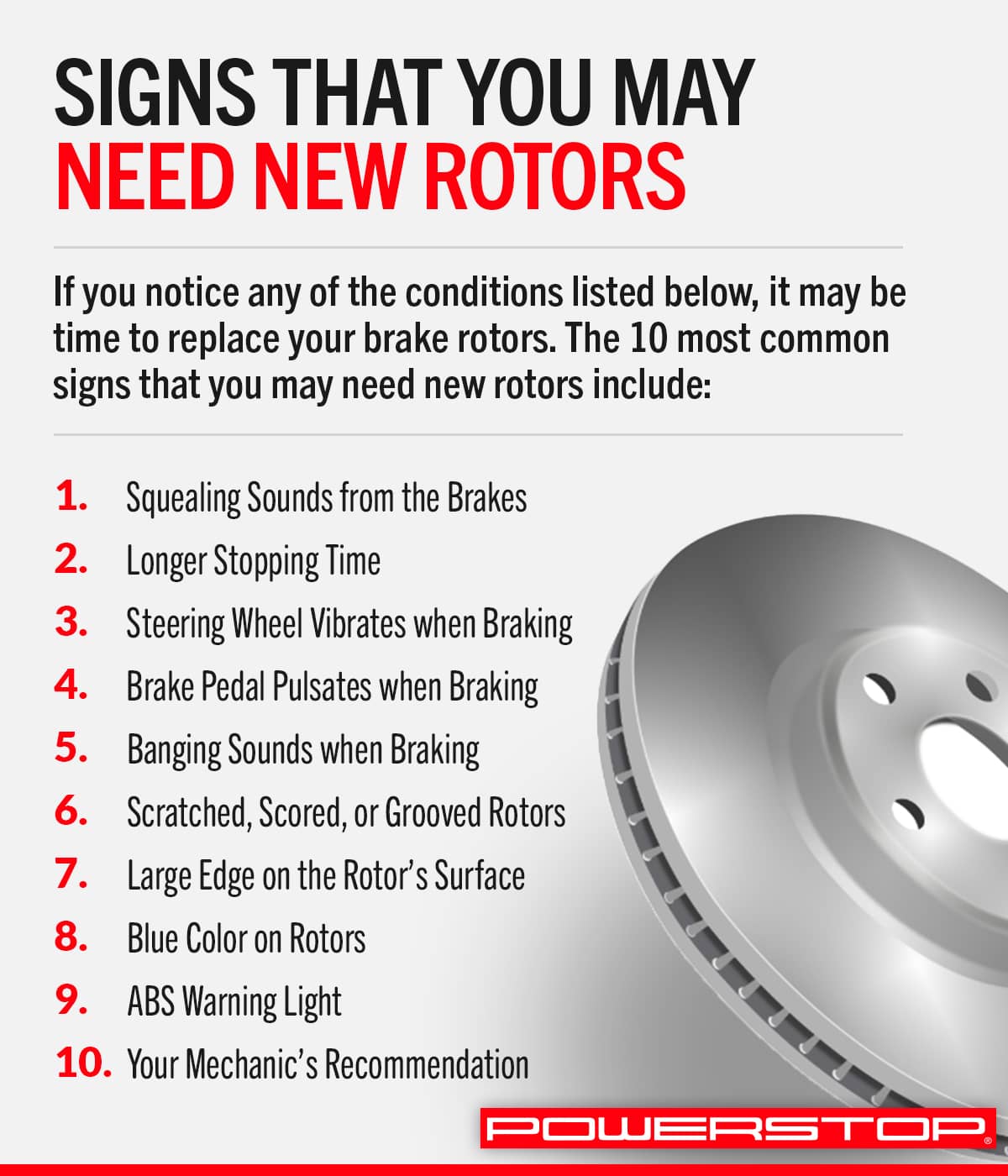
Listen for squealing or grinding noises when braking. These sounds often mean worn brake pads or damaged rotors. Feel if the car shakes or pulls to one side when stopping. A soft or spongy brake pedal can signal brake problems. Check for longer stopping distances. These signs mean you should replace brakes and rotors soon.
Credit: www.autotechiq.com
Cost Factors To Consider
Understanding the cost factors helps you plan your brake and rotor replacement budget. Prices vary for many reasons. Knowing these reasons gives you control over your expenses.
Type Of Vehicle
Different vehicles need different parts. Luxury cars often have more expensive brake systems. Small cars usually cost less to repair. Trucks and SUVs might need bigger, pricier rotors and pads.
Quality Of Parts
Brake parts come in many grades. Standard parts cost less but wear out faster. Premium parts last longer but cost more upfront. Choosing quality affects both price and safety.
Labor Charges
Labor costs depend on time and skill required. Some vehicles take longer to work on. Mechanics charge hourly rates that vary by experience. More complex jobs mean higher labor fees.
Location And Shop Type
Prices change based on where you live. Urban areas often have higher rates than rural places. Dealerships charge more than independent shops. Shop reputation and overhead affect prices too.
Typical Price Ranges
Understanding the typical price ranges for changing brakes and rotors helps you plan your car maintenance budget. Prices vary by vehicle type, part quality, and labor costs. Knowing these costs keeps surprises away and helps you choose the right service.
Brake Pad Replacement Costs
Brake pad replacement usually costs between $100 and $300 per axle. The price depends on the type of brake pads and your vehicle model. Standard pads are cheaper, while high-performance pads cost more. Labor fees also affect the total cost.
Rotor Replacement Costs
Replacing rotors generally costs from $150 to $400 per axle. Rotor prices vary by size and material quality. Some rotors can be resurfaced instead of replaced, lowering costs. Labor time is longer for rotors, which raises the price.
Combined Brake And Rotor Services
Getting both brake pads and rotors replaced together costs between $250 and $700 per axle. This service is more efficient and may save money on labor. Choosing quality parts ensures better braking and longer service life.
Diy Vs Professional Service
Changing brakes and rotors is a common car repair task. Many car owners wonder if they should do it themselves or hire a professional. Both options have benefits and challenges. Understanding these can help you decide what is best for your situation.
Pros And Cons Of Diy
Doing brake and rotor changes yourself saves money. You only pay for parts, not labor. It gives a good chance to learn about your car. You can work on your schedule without waiting for a shop.
On the downside, it requires tools and some mechanical skills. Mistakes can cause safety problems or extra costs. The process can take hours if you are not experienced. It may be hard to find quality parts on your own.
When To Hire A Mechanic
Choose a mechanic if you lack tools or skills. Professionals work faster and have proper equipment. They can spot other issues you might miss. A mechanic offers a warranty on the work done.
Complex brake systems or expensive cars often need expert care. If you want peace of mind and safety, pay for professional service. It can save money in the long run by avoiding mistakes.
Tips To Save On Brake Repairs
Brake repairs can be costly, but you can save money with smart choices. Simple actions help keep your brakes working well and reduce repair costs. Spending a little time on maintenance and shopping wisely pays off in the long run.
Choosing Affordable Parts
Brake parts come in many price ranges. Choose parts that fit your budget but still meet safety standards. Look for quality budget brands instead of the most expensive ones. Ask your mechanic for advice on reliable, affordable parts.
Regular Maintenance Benefits
Regular brake checks catch problems early. This stops small issues from turning into expensive repairs. Clean and inspect brakes every few months. Replace worn brake pads before they damage rotors.
Finding Trusted Repair Shops
Pick repair shops with good reviews and fair prices. Trusted shops give honest advice and quality work. Compare quotes from several places before deciding. A reliable mechanic saves you money and stress.
Credit: www.powerstop.com
Common Brake And Rotor Upgrade Options
Upgrading brakes and rotors improves safety and driving comfort. There are many options to choose from. Each option offers different benefits and fits various budgets. Knowing the common upgrade types helps you make better decisions. It also helps you understand the cost involved.
Performance Brakes
Performance brakes provide stronger stopping power. They handle heat better during hard braking. These brakes suit drivers who want better control and safety. They often last longer than standard brakes. Cost is higher but many find it worth the upgrade.
Ceramic Vs Metallic Pads
Ceramic pads create less dust and noise. They work well in everyday driving. Metallic pads offer better grip in tough conditions. They are good for heavy-duty use and sporty driving. Ceramic pads are quieter but metallic ones last longer. Choose based on your driving style and needs.
Slotted And Drilled Rotors
Slotted rotors have grooves that help remove gas and dust. This keeps brakes cooler and more effective. Drilled rotors have holes to reduce heat and improve water dispersion. Both types improve brake performance in different ways. They cost more than plain rotors but add safety and style.

Credit: www.youtube.com
Frequently Asked Questions
How Much Does It Cost To Replace Brake Pads And Rotors?
The cost to replace brake pads and rotors ranges from $250 to $500 per axle. Prices vary by vehicle type, parts quality, and labor rates at the repair shop.
What Factors Affect Brake And Rotor Replacement Prices?
Brake and rotor replacement prices depend on vehicle model, part quality, labor costs, and location. Luxury cars and high-performance parts usually cost more.
Can I Change Brakes And Rotors Myself To Save Money?
Yes, DIY brake and rotor replacement can save labor costs. However, it requires proper tools, mechanical skills, and safety precautions to ensure correct installation.
How Often Should Brake Pads And Rotors Be Replaced?
Brake pads typically last 30,000 to 70,000 miles, while rotors last 50,000 to 70,000 miles. Regular inspections help determine when replacements are needed.
Conclusion
Changing brakes and rotors costs vary by car and parts quality. Choosing good parts ensures safety and longer use. Labor fees depend on where you get the service done. Regular checks help avoid costly repairs later. Knowing the costs helps you plan your budget better.
Don’t delay brake repairs; your safety matters most. Keep your car in good shape for smooth, safe driving. Simple maintenance saves money and stress in the long run.


