

Want to keep your car looking shiny and protected all year round? You’ve probably heard about ceramic wax and how it can give your vehicle a stunning, long-lasting finish.
But how often should you actually use it to get the best results without wasting time or money? You’ll discover the perfect routine for applying ceramic wax to your car. By the end, you’ll know exactly when and how to use it to keep your car looking fresh and protected every day.
Keep reading—you won’t want to miss these simple tips that make a big difference!
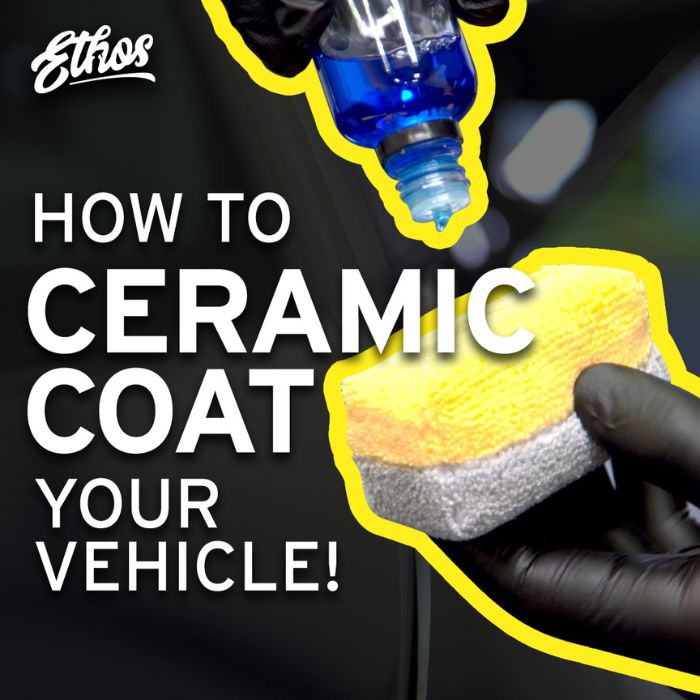
Credit: ethoscarcare.com
Benefits Of Ceramic Wax
Ceramic wax offers many benefits for car owners who want to keep their vehicle looking great. It creates a strong layer on the paint that protects and shines. This wax lasts longer than regular wax and makes the car easier to clean. Using ceramic wax improves the car’s appearance and guards it against damage from outside elements.
Enhanced Shine And Gloss
Ceramic wax gives your car a deep, rich shine. It highlights the paint’s color and makes the surface smooth. This glossy finish makes the car look newer and well cared for. The shine stays longer than with traditional waxes.
Durability And Protection
This wax forms a tough barrier on the paint. It resists scratches and small marks. The protective layer helps keep dirt and dust from sticking to the surface. It lasts for weeks or months, reducing the need for frequent waxing.
Water Repellency And Self-cleaning
Ceramic wax causes water to bead and roll off the car. This effect helps wash away dirt and grime easily. Rain can clean the car surface to some extent. It lowers the chance of water spots and keeps the car cleaner for longer.
Uv And Environmental Shield
The wax blocks harmful UV rays from the sun. It prevents paint from fading and dulling. It also protects against pollution, bird droppings, and acid rain. This shield helps keep the paint in good condition over time.

Credit: stonercarcare.com
Factors Affecting Application Frequency
The frequency of applying ceramic wax on your car depends on several key factors. These factors influence how long the wax lasts and how often you need to reapply it. Understanding these elements helps keep your car’s paint protected and looking fresh.
Climate And Weather Conditions
Harsh weather can wear down ceramic wax faster. In hot, sunny areas, UV rays break down the wax quicker. Rain and snow can wash away the protection. Dust and dirt in dry places also reduce wax life. Cars in mild climates may need less frequent waxing.
Driving Habits And Environment
Frequent driving on rough or dusty roads wears off the wax faster. City driving exposes your car to pollution, harming the coating. Parking under trees can drop sap or bird droppings on the paint. These factors demand more regular waxing to keep the car safe.
Type Of Ceramic Wax Used
Different ceramic waxes have varying durability. Some formulas last longer, up to six months or more. Others are designed for quick application but need reapplying every few weeks. Choosing the right wax affects how often you must apply it.
Car Paint Condition
New or well-maintained paint holds ceramic wax better. Old or damaged paint may absorb wax unevenly. Scratches and chips reduce wax effectiveness. Regular paint care helps the wax bond well and last longer.
Recommended Application Intervals
Ceramic wax protects your car’s paint by creating a strong, glossy shield. Knowing how often to apply it keeps your car looking its best. Application frequency depends on your driving habits and weather conditions. Follow these recommended intervals to maintain lasting protection.
Monthly Routine For Maximum Protection
Apply ceramic wax every month for the best results. This routine helps keep dirt and water off your paint. It also strengthens the shine and protects against small scratches. Monthly use is ideal for new cars or those parked outside. Frequent application ensures continuous protection and a fresh look.
Quarterly Application For Average Use
Use ceramic wax every three months if you drive normally. This schedule suits cars kept in garages or mild weather areas. A quarterly application still offers good protection and shine. It balances effort and care for most drivers. Your car stays clean and safe without extra work.
Seasonal Application For Harsh Climates
Apply ceramic wax at the start of each season in tough climates. Winter salt, summer sun, and heavy rain can damage paint. Seasonal waxing helps fight these harsh effects. It prepares your car for weather changes and keeps the surface strong. This approach prevents long-term wear and fading.

Credit: ethoscarcare.com
Signs It’s Time To Reapply
Knowing when to reapply ceramic wax keeps your car looking fresh and protected. The wax does not last forever. Over time, it loses its power to shield and shine your car’s paint. Watch for clear signs that it’s time for a new coat. These signs help you keep your car’s surface smooth and safe.
Loss Of Hydrophobic Effect
Ceramic wax creates a water-repellent layer. Water should bead and roll off easily. When water starts to spread out or stick, the wax is fading. This means the protective layer is wearing off. Reapplying restores the strong water resistance.
Dull Or Faded Appearance
Fresh ceramic wax adds shine and gloss. A dull or faded look shows the wax is losing its effect. The paint looks less vibrant and smooth. It’s time to add a new layer to bring back the shine.
Increased Dirt And Stains
Wax helps repel dirt and stains. When you see more dirt sticking to the car, the wax is weakening. Stains may become harder to remove. Applying wax again makes cleaning easier and protects the paint.
Water Spots And Streaks
Water spots and streaks appear when wax protection fades. These marks are caused by minerals in water. Strong ceramic wax prevents these spots. Reapplication helps keep the surface clean and clear.
Preparation Before Applying Ceramic Wax
Preparation is key before applying ceramic wax to your car. It helps the wax stick better and last longer. Taking time for proper prep protects your paint and gives a smooth finish. Follow these steps to get the best results.
Thorough Washing And Drying
Start by washing your car carefully. Use a gentle car shampoo to remove dirt and grime. Avoid dish soap or harsh cleaners that can damage paint. Rinse well to remove all soap. Dry the car completely with a soft microfiber towel. No water spots or dust should remain.
Paint Correction And Polishing
Check for scratches, swirl marks, or dull spots. Use a polish to fix minor paint flaws. This step makes the surface smooth and shiny. Polishing helps the ceramic wax bond properly. Work in small sections and follow product instructions.
Surface Decontamination
Remove bonded contaminants like tar, tree sap, or iron particles. Use a clay bar or special cleaner for this job. These contaminants can ruin the wax finish. Clean the surface gently without scratching. After decontamination, wipe the car with a clean microfiber cloth.
Application Tips For Best Results
Applying ceramic wax on your car is simple but requires care. Following key tips helps get the best shine and protection. Proper application makes the wax last longer and look great.
Small steps and the right tools make a big difference. Patience and attention to detail improve the final result. Avoid common errors to save time and effort.
Choosing The Right Tools
Use a soft microfiber cloth or foam applicator pad. These tools spread wax evenly without scratching paint. Avoid rough materials that can damage the surface.
Keep a clean cloth for buffing after application. Dirty tools reduce the shine and leave streaks. Replace cloths if they get too dirty.
Applying In Small Sections
Work on one panel or small area at a time. This method prevents the wax from drying too fast. It also ensures even coverage across the car.
Apply a thin, even layer using gentle circular motions. Thick layers take longer to cure and may peel off. Focus on a smooth finish for best results.
Allowing Proper Curing Time
Let the wax dry for at least 10 to 15 minutes. This time varies based on temperature and humidity. Avoid touching the surface while curing to keep it clean.
Buff the wax gently after curing to reveal a deep shine. Rushing this step can cause smudges and uneven gloss. Follow product instructions for ideal timing.
Avoiding Common Mistakes
Do not apply wax under direct sunlight or on a hot car. Heat causes the wax to dry too fast and become hard to remove. Choose a shaded, cool spot for application.
Avoid using too much wax at once. Overapplication leads to streaks and uneven layers. Use light coats and build up if needed.
Do not skip washing and drying the car before waxing. Dirt and grime can trap under the wax and damage paint. Always start with a clean surface.
Maintaining Ceramic Wax Protection
Ceramic wax adds a strong layer of protection to your car’s paint. To keep this shield working well, proper care is essential. Regular maintenance helps the wax last longer and keeps your car looking shiny. Simple steps in washing and care keep dirt and damage away. Follow easy tips to maintain ceramic wax protection every day.
Regular Washing Techniques
Wash your car often to remove dirt and grime. Use gentle motions with a soft sponge or mitt. Avoid scrubbing hard, which can wear down the wax layer. Rinse thoroughly to clear away all soap and dirt. Dry with a soft towel to prevent water spots. Regular washing stops buildup that can damage the wax.
Using Ph-neutral Car Shampoo
Choose a pH-neutral car shampoo for washing. This type of soap is mild and safe for ceramic wax. It cleans dirt without stripping the wax protection. Harsh soaps can cause the wax to fade quickly. Using the right shampoo helps keep the wax layer strong and effective.
Avoiding Harsh Chemicals
Stay away from strong chemicals like acids or solvents. These can break down ceramic wax and harm your car’s paint. Avoid using household cleaners or degreasers on the car surface. Stick to products made for automotive care. Protecting the wax means protecting the paint underneath.
Touch-up Applications
Apply small amounts of ceramic wax after washing. This refreshes the protective layer and fills in any worn spots. Light touch-ups keep the wax working well between full applications. Apply wax in thin layers and let it dry properly. Regular touch-ups extend the life of your ceramic wax finish.
Frequently Asked Questions
How Often Should Ceramic Wax Be Applied On Cars?
Ceramic wax should be applied every 2 to 3 months. This frequency maintains protection and enhances your car’s shine effectively.
Can Frequent Ceramic Wax Damage My Car’s Paint?
No, using ceramic wax frequently within recommended limits won’t damage the paint. Proper application protects and preserves your car’s surface.
What Are The Benefits Of Using Ceramic Wax Regularly?
Regular use provides long-lasting shine, water repellency, and protection from UV rays and contaminants. It keeps your car looking new.
How To Tell When Ceramic Wax Needs Reapplication?
When water no longer beads on the surface or the shine fades, it’s time to reapply ceramic wax for continued protection.
Conclusion
Using ceramic wax every 2 to 3 months keeps your car’s shine fresh. It protects paint from dirt, rain, and sun damage. Applying too often can waste product and time. Too rarely, and your car loses protection and gloss. Find a balance that fits your car’s use and environment.
Regular care helps your vehicle look new longer. Keep your routine simple and consistent for best results. Your car deserves this gentle, lasting shield.


