If you have a waxed amaryllis, you already know how stunning and unique it looks. But keeping it vibrant and healthy takes a little know-how.
You might wonder how to water it, where to place it, or how to make it last longer. This guide will give you simple, clear steps to care for your waxed amaryllis so it stays beautiful for weeks. By the end, you’ll feel confident in giving your plant the best care possible—making your home brighter and your plant happier.
Let’s dive in and make your waxed amaryllis thrive!

Credit: www.jacksonandperkins.com
Choosing The Right Waxed Amaryllis
Choosing the right waxed Amaryllis is important for a beautiful and lasting bloom. Picking the best bulb ensures strong growth and vibrant flowers. Knowing what to look for helps you avoid common problems. This guide covers how to select healthy bulbs and which varieties to consider for your home or garden.
Selecting Healthy Bulbs
Choose bulbs that feel firm and heavy. Avoid bulbs with soft spots or mold. Look for a smooth outer skin without cracks. A healthy bulb has no signs of sprouting before planting. Bigger bulbs usually produce larger flowers and more stems. Check for a fresh smell; rotten bulbs smell bad. Buy from trusted sellers to get good quality bulbs.
Varieties To Consider
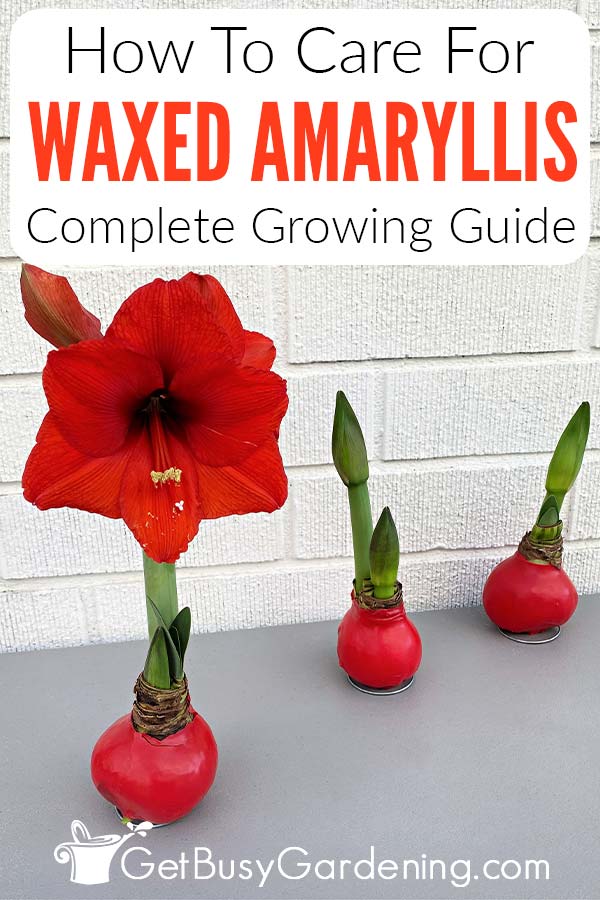
Many waxed Amaryllis varieties offer different colors and shapes. Popular colors include red, white, pink, and orange. Some varieties have striped or speckled petals. Choose a variety that fits your style and space. Classic red Amaryllis is bright and festive. White varieties bring elegance and calm to any room. Pick a variety that blooms well indoors with wax coating.
Credit: getbusygardening.com
Ideal Placement And Lighting
The ideal placement and lighting for your waxed amaryllis play a big role in its health. Proper light helps the plant grow strong and bloom beautifully. Too much or too little light can harm the leaves and flowers.
Indoor Lighting Needs
Place your waxed amaryllis where it gets bright, indirect light. A spot near a window with filtered sunlight works well. The plant needs around 6 hours of light daily. If light is low, the plant may grow weak and not bloom well.
Avoiding Direct Sunlight
Direct sunlight can burn the leaves and flowers. Keep the plant away from harsh afternoon sun. Morning light or shaded windows are better choices. If the leaves turn brown or dry, the plant is getting too much sun.
Watering And Humidity Tips
Watering and humidity play a big role in keeping waxed amaryllis healthy. These plants need just the right amount of water and moisture in the air. Too much or too little can harm their growth and beauty. Understanding how to care for waxed amaryllis with proper watering and humidity helps them thrive and bloom well.
Proper Watering Schedule
Water waxed amaryllis only when the soil feels dry. Check the top inch of soil with your finger. If it is dry, give the plant a good drink. Avoid overwatering to stop root rot. Water slowly and let excess drain out. During active growth, water more often. In winter or dormancy, water less. Keep water away from leaves to prevent damage.
Maintaining Humidity Levels
Waxed amaryllis prefers moderate humidity. Too dry air can make leaves brown and dry. Use a humidifier or place a tray with water near the plant. Misting leaves lightly helps but do not soak them. Grouping plants together raises humidity naturally. Avoid cold drafts and hot dry air from heaters. Aim for 40-60% humidity for best results.
Temperature Requirements
Temperature plays a big role in keeping waxed amaryllis healthy. This plant grows best when it feels just right—not too hot and not too cold. Knowing the right temperature helps your amaryllis bloom beautifully and stay strong.
Optimal Temperature Range
Waxed amaryllis prefers temperatures between 60°F and 75°F (15°C to 24°C). This range keeps the plant happy and encourages growth. Night temperatures should not drop below 55°F (13°C). Too cold, and the plant may stop growing. Day temperatures above 80°F (27°C) can cause stress.
Protecting From Extremes
Keep waxed amaryllis away from drafty windows and hot vents. Sudden changes in temperature can harm the plant. During winter, avoid placing it near cold doors. In summer, shield it from direct afternoon sun and heat. A stable environment helps your amaryllis thrive.
Fertilizing Waxed Amaryllis
Fertilizing waxed amaryllis helps the plant grow strong and bloom beautifully. Proper feeding gives the bulbs the nutrients they need. This care step supports healthy leaves and vibrant flowers. Understanding the right fertilizer and how often to feed is important.
Choosing The Right Fertilizer
Select a balanced fertilizer with equal parts nitrogen, phosphorus, and potassium. A 10-10-10 or 20-20-20 formula works well. Avoid fertilizers high in nitrogen only, as they promote leaves but fewer flowers. Liquid fertilizers dissolve quickly and reach roots fast. Slow-release fertilizers feed over time, reducing feeding frequency.
Feeding Frequency
Feed waxed amaryllis every 2 to 4 weeks during the growing season. Stop fertilizing when flowers fade and leaves start to yellow. Overfeeding can harm the bulb and reduce bloom quality. Water the plant before applying fertilizer to prevent root burn. Regular feeding supports vibrant blooms and healthy growth.
Pruning And Maintenance
Pruning and maintenance keep your waxed amaryllis healthy and attractive. Regular care helps the plant grow strong and bloom well. Removing dead parts and encouraging new growth are key steps. These actions prevent disease and make the plant look neat.
Removing Dead Leaves And Flowers
Cut off dead leaves and flowers carefully. Use clean scissors or pruning shears to avoid damage. Dead parts can attract pests and cause disease. Removing them helps the plant save energy. Check your plant weekly to spot any dead growth. Dispose of removed parts properly to keep the area clean.
Encouraging New Growth
Pinch back old stems after flowering to boost new shoots. Use a balanced fertilizer to feed the plant during growth. Keep the plant in bright, indirect light for best results. Water the plant moderately, allowing soil to dry between waterings. New growth means a healthy, vibrant waxed amaryllis.
Handling Common Issues
Waxed amaryllis plants bring beauty to any space. Yet, they can face issues that affect their health. Handling these problems early keeps your plant strong and vibrant. Below are key tips on managing common challenges with waxed amaryllis.
Pest Prevention And Control
Pests can harm waxed amaryllis by feeding on leaves and stems. Watch out for aphids, spider mites, and mealybugs. Check your plant regularly for tiny bugs or sticky residue. Remove pests by wiping leaves with a damp cloth. Use insecticidal soap for larger infestations. Keep your plant clean and avoid overwatering. Good air circulation also helps stop pests from settling.
Dealing With Disease
Waxed amaryllis may develop diseases like root rot or leaf spots. These often come from too much moisture or poor drainage. Remove any yellow or spotted leaves quickly. Use well-draining soil and water only when the top soil is dry. Avoid wetting the leaves during watering. If root rot appears, repot the plant in fresh soil. Treat fungal infections with a mild fungicide to protect your amaryllis.

Credit: www.youtube.com
Extending Bloom Life
Extending the bloom life of a waxed amaryllis helps you enjoy its vibrant flowers longer. Proper care keeps the petals fresh and bright. Small actions can make a big difference in how long your flower lasts.
Tips To Prolong Flowering
Keep the amaryllis in a cool room away from direct sunlight. Bright but indirect light works best. Water the plant lightly, avoiding soggy soil. Excess water can cause root rot. Remove any wilted or dead flowers quickly. This helps the plant focus energy on healthy blooms. Avoid drafts and sudden temperature changes. They can stress the flower and shorten its life.
Post-bloom Care
After flowering, cut the flower stalk near the base. Leave the leaves to grow, as they feed the bulb. Water the plant moderately and continue indirect light. Fertilize the amaryllis every two weeks with a balanced plant food. This supports bulb strength for future blooms. Let the leaves die back naturally before storing the bulb. Store it in a cool, dry place for rest before the next growing cycle.
Frequently Asked Questions
How Often Should I Water A Waxed Amaryllis?
Water waxed amaryllis sparingly. Keep soil slightly moist, watering every 1-2 weeks. Avoid overwatering to prevent root rot.
What Is The Best Light For Waxed Amaryllis?
Place waxed amaryllis in bright, indirect sunlight. Avoid direct sun to protect its wax coating and maintain vibrant blooms.
Can I Repot A Waxed Amaryllis?
Yes, repot waxed amaryllis after blooming. Use well-draining soil and a pot with drainage holes for healthy growth.
How Do I Promote Blooming In Waxed Amaryllis?
Provide bright light and moderate watering. After blooming, allow foliage to grow and store energy for the next flowering cycle.
Conclusion
Caring for waxed amaryllis is simple and rewarding. Keep the plant in a bright spot but avoid direct sun. Water it lightly to prevent root rot. Trim dead leaves to help new growth. Watch for pests and treat them early.
With gentle care, your waxed amaryllis will stay healthy and beautiful. Enjoy its vibrant colors and fresh look inside your home. Small daily steps make a big difference in plant health. Try these tips and see your amaryllis thrive.