
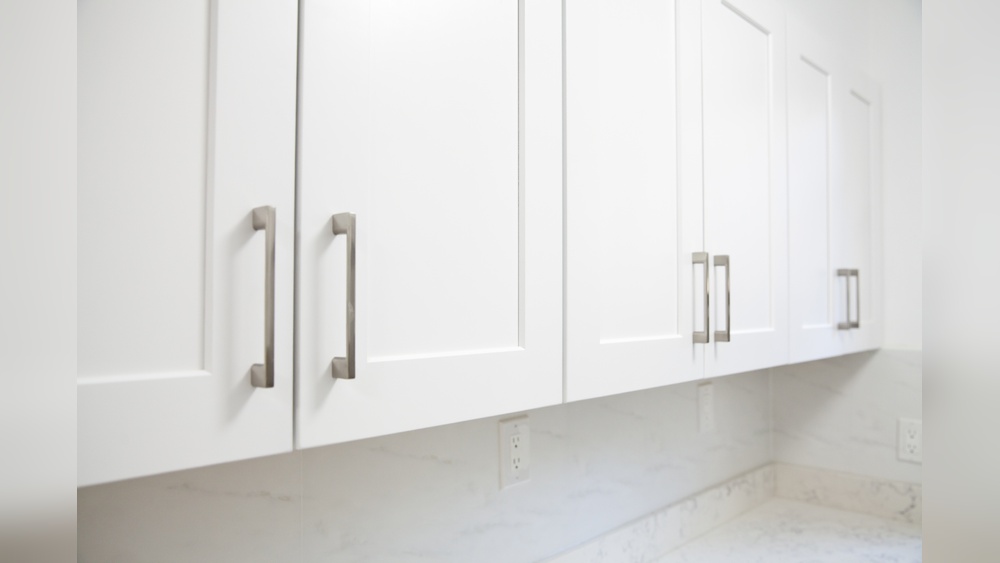
Thinking about giving your kitchen a fresh, stylish look without the hassle of a full remodel? Vinyl wrapping your kitchen cabinets might be the perfect solution.
But before you dive in, you’re probably wondering: how much does it really cost to vinyl wrap kitchen cabinets? Understanding the expenses involved can help you make the best choice for your budget and your home. Keep reading, and you’ll discover everything you need to know about pricing, factors that affect the cost, and how to get the most value from your vinyl wrap project.
Your dream kitchen makeover is closer than you think!

Credit: www.youtube.com
Vinyl Wrap Basics
Vinyl wrapping is a popular way to refresh kitchen cabinets without big costs. It changes the look fast and protects the surface. This method uses thin sheets of vinyl film to cover cabinet doors and frames. The process is less messy than painting and takes less time. Many homeowners choose vinyl wrap to update kitchens affordably and easily.
What Is Vinyl Wrapping
Vinyl wrapping covers surfaces with a thin plastic film. The film sticks tightly to cabinets using adhesive. It comes in many colors and textures. Vinyl wrap can mimic wood, metal, or paint finishes. The wrap hides old cabinet surfaces and flaws. It gives cabinets a fresh and smooth look.
Benefits For Kitchen Cabinets
Vinyl wrap protects cabinets from scratches and stains. It is easy to clean with a damp cloth. Wrapping cabinets is cheaper than replacing them. The vinyl film resists moisture and heat in kitchens. It also allows many style options for any design. The process creates less dust and odor compared to painting.
Types Of Vinyl Wrap Materials
There are different vinyl types for kitchen cabinets. Cast vinyl is flexible and lasts longer. It fits curves and edges better. Calendared vinyl is thicker and less expensive. It works well on flat cabinet surfaces. Textured vinyl adds a tactile feel, like wood grain. Glossy vinyl gives a shiny, modern look. Each type suits different needs and budgets.
Cost Factors
Several factors affect the cost of vinyl wrapping kitchen cabinets. Understanding these helps plan your budget better. Each element can raise or lower the total price.
Cabinet Size And Quantity
Larger kitchens with many cabinets need more vinyl wrap. More material means higher costs. Small kitchens cost less to wrap. The number of cabinet doors and drawers also matters.
Material Quality And Brand
Vinyl wrap quality varies widely. Premium brands use durable, fade-resistant films. Cheaper options may peel or fade quickly. High-quality material costs more but lasts longer.
Labor And Installation Fees
Skilled labor ensures a smooth, bubble-free finish. Experienced installers charge higher fees. Complex cabinet shapes take more time to wrap. Labor costs depend on your location and company rates.
Design Complexity And Customization
Simple colors and patterns cost less. Custom designs or textures require more skill and time. Intricate patterns increase material waste and labor time. Customization raises the overall price of the project.
Price Breakdown
Understanding the price breakdown helps you plan your budget for vinyl wrapping kitchen cabinets. Costs vary depending on several factors. Knowing these details keeps surprises away.
Here is a clear look at the main cost parts. This helps you compare prices and choose the best option.
Average Cost Per Square Foot
Vinyl wrap usually costs between $5 and $10 per square foot. This price covers materials and basic labor. Higher quality vinyl or special finishes may cost more. Simple designs stay near the lower end.
Typical Range For Small Vs Large Kitchens
Small kitchens often cost between $800 and $1,500. Large kitchens can range from $1,500 to $3,000 or more. More cabinets need more vinyl and time. Size affects total price significantly.
Extra Charges To Expect
Extra costs may include cabinet repairs and cleaning. Removing old hardware or decals might add fees. Complex cabinet shapes take longer to wrap. Custom colors or textures often cost extra.

Credit: www.thekitchendoorcompany.com.au
Diy Vs Professional Wrapping
Choosing between DIY and professional vinyl wrapping for kitchen cabinets affects both cost and results. Many homeowners consider doing it themselves to save money. Others prefer hiring experts for a perfect finish. Understanding the pros and cons of each option helps you decide what fits your needs best.
Cost Savings Of Diy
Doing the vinyl wrap yourself costs less than hiring a pro. You pay only for materials like vinyl sheets and tools. No labor charges increase the price. This option suits those on a tight budget. The total cost can be half or less than professional prices.
Skills And Tools Required
Vinyl wrapping needs steady hands and patience. You must clean and prep cabinets well before applying vinyl. Cutting and smoothing the wrap without bubbles takes practice. Tools like a heat gun, squeegee, and sharp knife are necessary. Beginners might find it tricky to get a smooth, wrinkle-free look.
When To Hire Professionals
Professionals bring experience and proper equipment. They finish the job faster and with fewer mistakes. Complex cabinet shapes or large kitchens benefit from expert work. If you want a flawless, long-lasting finish, hiring a pro is wise. It reduces stress and ensures quality results.
Longevity And Maintenance
Vinyl wrapping kitchen cabinets offers a fresh look without a full remodel. Knowing how long the wrap lasts and how to care for it helps protect your investment. Proper maintenance keeps your cabinets looking new for years. This section breaks down the durability, cleaning tips, and when to replace the vinyl wrap.
Durability Of Vinyl Wraps
Vinyl wraps can last between 5 to 10 years. Quality and installation affect this lifespan. They resist scratches and stains better than paint. Moisture and heat may reduce their life. Avoid sharp objects near wrapped surfaces. Proper care helps maintain their finish and color.
Cleaning And Care Tips
Use a soft cloth with mild soap and water. Avoid harsh chemicals or abrasive scrubbers. Wipe spills quickly to prevent stains. Dry the surface after cleaning. Regular dusting keeps dirt from building up. Gentle cleaning extends the vinyl wrap’s life.
Signs For Replacement
Look for peeling edges or bubbles under the wrap. Fading colors or cracks also indicate wear. Scratches that cannot be cleaned may need attention. If the wrap loses its smooth texture, replacement is due. Timely repair keeps cabinets attractive and protected.
Comparing Alternatives
Choosing the right method to update kitchen cabinets depends on budget and style goals. Several options exist, each with different costs and benefits. Comparing these alternatives helps you pick the best one for your kitchen and wallet.
Painting Vs Vinyl Wrapping
Painting kitchen cabinets is usually cheaper than vinyl wrapping. Paint costs less, but requires more time and skill. Vinyl wrap covers cabinets with a thin film, offering a smooth, modern look. It resists scratches and stains better than paint. Paint can chip or fade over time. Vinyl wrap installation is quicker and less messy. Costs for painting range from $300 to $1,000. Vinyl wrapping costs $1,200 to $3,000 on average.
Refacing Cabinets
Refacing means replacing cabinet doors and drawer fronts. The cabinet boxes stay the same. This option changes the kitchen’s appearance without a full remodel. Refacing costs more than vinyl wrap but less than full replacement. Prices usually fall between $4,000 and $9,000. It allows for different materials like wood or laminate. Refacing can fix damaged cabinet fronts. The process takes about 3 to 5 days.
Full Replacement Costs
Replacing all cabinets is the most expensive choice. It means removing old cabinets and installing new ones. Full replacement allows total design freedom and new layouts. Costs vary widely based on materials and size. On average, full replacement runs from $8,000 to $20,000 or more. Custom cabinets increase the price further. The process takes weeks and may disrupt kitchen use. This option suits those wanting a complete kitchen makeover.
Saving Money On Vinyl Wraps
Saving money on vinyl wraps for kitchen cabinets is possible. Small choices can cut costs without losing style. This section covers easy ways to save on materials, installation, and project timing. Smart planning helps keep your budget in check.
Choosing Affordable Materials
Pick vinyl wrap materials that fit your budget. Look for good quality but lower price brands. Thin vinyl often costs less but still looks nice. Matte finishes may be cheaper than glossy ones. Buy only the amount needed to avoid waste.
Finding Deals On Installation
Compare prices from different installers before hiring. Some offer discounts for first-time customers or package deals. Ask if they charge by the hour or by the job. DIY installation saves money but needs patience and care. Check online reviews to find fair, reliable installers.
Timing Your Project
Plan your vinyl wrap project during off-peak seasons. Installers may offer lower rates in slow months. Avoid weekends or holidays to save on labor costs. Buy materials during sales or clearance events. Early planning gives time to find bargains and avoid rush fees.
Credit: www.reddit.com
Frequently Asked Questions
What Factors Affect Vinyl Wrapping Kitchen Cabinets Cost?
The cost depends on cabinet size, material quality, design complexity, and labor charges. Larger kitchens require more vinyl and time, increasing expenses.
How Much Does Vinyl Wrap Per Cabinet Cost?
Vinyl wrap per cabinet typically ranges from $50 to $150. Prices vary by cabinet size, finish, and customization levels.
Is Vinyl Wrapping Cheaper Than Painting Cabinets?
Yes, vinyl wrapping is generally more affordable than painting. It requires less prep work and offers quicker installation.
How Long Does Vinyl Wrapping Kitchen Cabinets Last?
Vinyl wraps usually last 5 to 10 years with proper care. Durability depends on material quality and kitchen usage.
Conclusion
Vinyl wrapping kitchen cabinets offers a budget-friendly way to refresh your space. Costs vary based on cabinet size, material, and design choice. You can save money compared to full cabinet replacement. The process is quicker and less messy than painting.
Choose quality vinyl for long-lasting results. This option lets you update your kitchen’s look without a big project. Think of it as a smart investment for your home’s style. Simple, affordable, and effective.


