
Have you ever wondered how long you should wait before replacing your fuel filter? Ignoring this small but crucial part can lead to big problems for your vehicle.
If you want to keep your engine running smoothly and avoid costly repairs, knowing the right time to change your fuel filter is key. You’ll discover exactly how long a fuel filter lasts, signs it needs replacing, and tips to help you stay ahead.
Keep reading to protect your car and save money in the long run.

Credit: www.mercedesbenzportland.com
Signs Of A Clogged Fuel Filter
A clogged fuel filter can cause many problems in your vehicle. It blocks fuel flow, making the engine work harder. Recognizing signs early helps avoid costly repairs. Watch for these common symptoms that show the fuel filter needs attention.
Reduced Engine Performance
The engine may lose power during driving. Acceleration feels slow or weak. The car struggles to keep speed uphill. This happens because less fuel reaches the engine. The clogged filter restricts fuel flow, causing poor performance.
Starting Issues
Your car might take longer to start or fail to start. The engine cranks, but does not fire up quickly. This is a sign of fuel supply problems. A dirty fuel filter stops enough fuel from reaching the engine. Starting problems mean the filter could be clogged.
Unusual Engine Noises
Strange sounds from the engine can indicate fuel issues. You may hear sputtering or coughing noises. These sounds occur when the engine struggles for fuel. The clogged filter limits fuel, causing irregular engine noises. Pay attention to these sounds as warning signs.
Credit: www.autozone.com
Recommended Replacement Intervals
Knowing the right time to replace your fuel filter keeps your vehicle running smoothly. The replacement interval depends on several factors. Following the recommended schedule helps avoid engine problems and saves money on repairs. Here is what affects how often you should change the fuel filter.
Manufacturer Guidelines
Car makers provide a specific schedule for fuel filter replacement. This schedule is based on tests and engine design. Usually, the guide is found in the owner’s manual. Most recommend changing the filter every 20,000 to 40,000 miles. Sticking to these guidelines ensures the fuel system stays clean and efficient.
Driving Conditions Impact
Driving in rough or dusty areas can clog the fuel filter faster. Short trips and stop-and-go traffic also wear the filter out sooner. In these conditions, it is wise to replace the filter more often. This prevents dirt and debris from damaging the engine. Clean fuel means better performance and longer engine life.
Vehicle Type Variations
Different vehicles have different fuel filter needs. Diesel engines often need more frequent changes than gasoline engines. Older cars may require more attention to the fuel filter. Some modern vehicles use lifetime filters, but checking them regularly is still smart. Always adjust replacement intervals based on your vehicle’s type and age.
Tools Needed For Replacement
Replacing a fuel filter requires some basic tools and safety gear. Having the right items helps the job go smoothly. It also keeps you safe during the process. Gather these tools before starting your replacement.
Basic Tool List
You need a few essential tools for the fuel filter swap. Start with a wrench set to loosen bolts and fittings. A screwdriver may be necessary for clamps or covers. Fuel line disconnect tools help remove the filter from the fuel lines. Have a container ready to catch any fuel that spills. A rag or shop towel is useful to clean up drips. These tools ensure a quick and neat replacement.
Safety Equipment
Safety is key when working with fuel. Wear gloves to protect your hands from fuel and dirt. Safety glasses shield your eyes from splashes and debris. Work in a well-ventilated area to avoid inhaling fumes. Keep a fire extinguisher nearby just in case. These safety steps reduce risks and keep you protected.
Step-by-step Replacement Process
Replacing a fuel filter is a key part of vehicle care. It helps keep the engine clean and running well. The process has clear steps that anyone can follow. Each step is important to do safely and correctly. Below is a simple guide to replace your fuel filter.
Locating The Fuel Filter
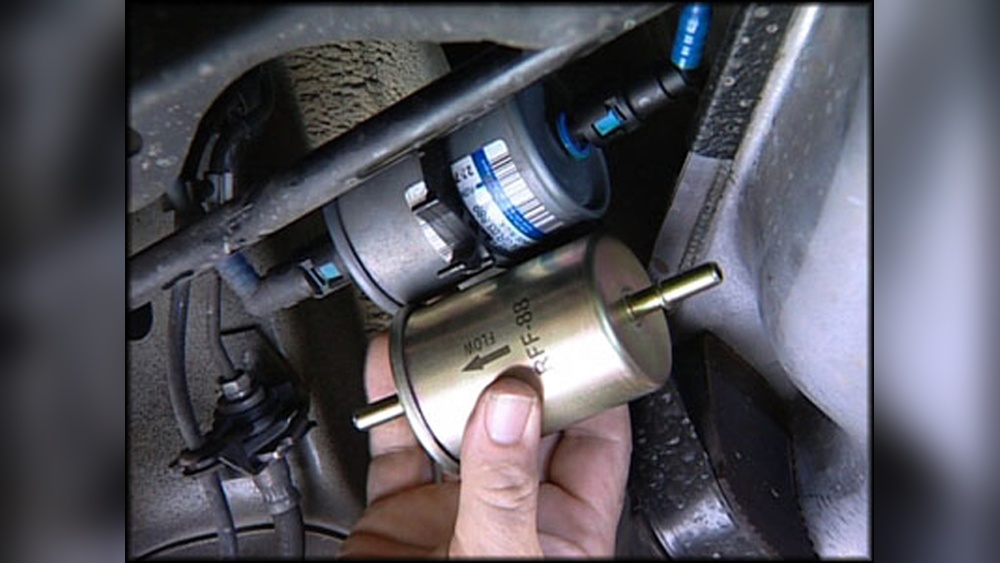
The fuel filter is usually near the fuel tank or engine. Check under the car or inside the engine bay. Look for a small, cylindrical part with fuel lines connected. Your car’s manual can help find the exact spot.
Relieving Fuel System Pressure
Fuel systems hold pressure, which can be dangerous. Before removing the filter, release this pressure. Locate the fuel pump fuse and remove it. Start the engine and let it stall. This empties fuel pressure safely.
Removing The Old Filter
Wear gloves and eye protection. Use a wrench to disconnect the fuel lines from the filter. Be careful of any fuel that may spill. Remove any mounting clips or bolts holding the filter in place. Take the old filter out gently.
Installing The New Filter
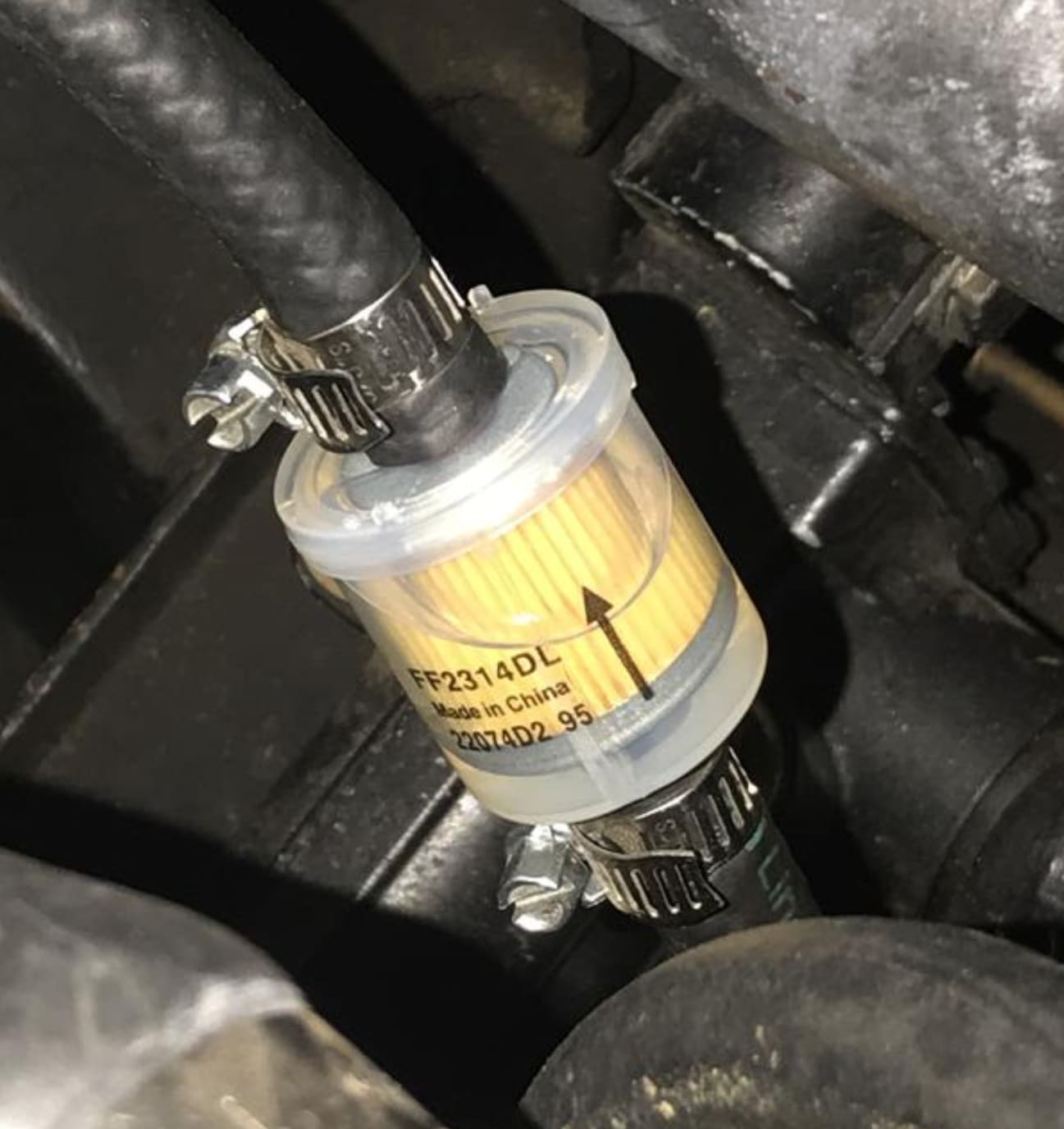
Check that the new filter matches the old one. Attach the filter in the same direction as before. Secure it with clips or bolts. Reconnect the fuel lines tightly to avoid leaks. Double-check all connections.
Testing After Replacement
Replace the fuel pump fuse. Turn the ignition on without starting the engine. This pressurizes the fuel system. Check for leaks around the filter. Start the engine and watch for smooth running. No leaks means the job is done well.
Common Mistakes To Avoid
Replacing a fuel filter might seem simple, but many make common mistakes. These errors can cause more problems than solutions. Avoiding these mistakes saves time and money. It also keeps your vehicle running smoothly and safely.
Ignoring Safety Precautions
Fuel is flammable and dangerous. Always work in a well-ventilated area. Wear gloves and eye protection. Do not smoke or use open flames nearby. Release fuel system pressure before starting. Ignoring safety can lead to accidents and injuries.
Using Incorrect Parts
Not all fuel filters fit every vehicle. Using the wrong part can cause leaks or damage. Check your vehicle’s manual or ask a professional. Buy parts that match your car’s make and model. Correct parts ensure proper fuel flow and engine health.
Skipping Post-replacement Checks
After replacing the filter, check for leaks. Start the engine and watch for fuel drips. Listen for strange noises or rough idling. Make sure everything is secure and clean. Skipping these checks can lead to breakdowns or costly repairs.
Benefits Of Timely Fuel Filter Replacement
Replacing the fuel filter on time keeps the car running smoothly. It stops dirt and rust from clogging the fuel system. This simple step helps avoid many engine problems. The benefits go beyond just fixing issues. A clean fuel filter improves how the car performs every day.
Improved Fuel Efficiency
A clean fuel filter lets fuel flow easily to the engine. This helps the engine use fuel better. The car burns less fuel for the same drive. It saves money on gas and reduces fuel waste. A clogged filter makes the engine work harder and use more fuel.
Enhanced Engine Longevity
Dirty fuel can damage engine parts over time. The fuel filter stops dirt and debris from reaching the engine. This reduces wear and tear on the engine. A clean filter means fewer repairs and a longer engine life. The engine stays healthy and runs well for many years.
Reduced Emissions
When fuel flows well, the engine burns fuel more completely. This lowers the amount of harmful gases released. A clean fuel filter helps the car meet emission standards. It keeps the air cleaner and helps protect the environment. Dirty filters cause incomplete burning, increasing pollution.

Credit: www.youtube.com
Frequently Asked Questions
How Often Should You Replace A Fuel Filter?
Typically, replace your fuel filter every 20,000 to 40,000 miles. This interval varies by vehicle and fuel quality. Regular replacement ensures clean fuel flow and optimal engine performance, preventing clogging and damage.
What Are Signs Of A Clogged Fuel Filter?
Common signs include engine misfires, stalling, poor acceleration, and difficulty starting. A clogged fuel filter restricts fuel flow, causing these performance issues. Addressing the problem early helps avoid costly repairs.
Can I Replace The Fuel Filter Myself?
Yes, many fuel filters are replaceable with basic tools. However, safety precautions are necessary due to fuel handling. Refer to your vehicle’s manual and consider professional help if unsure.
How Long Does A Fuel Filter Replacement Take?
Replacing a fuel filter typically takes 30 to 60 minutes. Time varies depending on the vehicle model and filter location. Proper replacement ensures efficient fuel system function and prevents engine issues.
Conclusion
Replacing your fuel filter keeps your engine clean and running well. Most cars need a new filter every 20,000 to 40,000 miles. Check your car’s manual for the exact time. A fresh filter helps save fuel and avoid engine problems.
Don’t wait for signs like rough idling or poor acceleration. Regular changes protect your car and save money in the long run. Stay on top of this simple task to keep driving smoothly.


