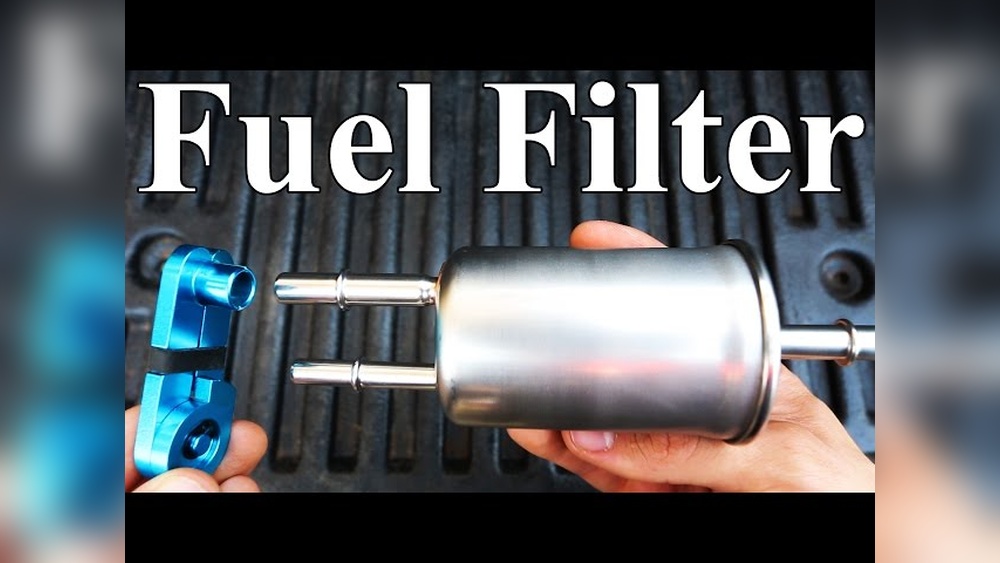
Have you ever wondered why your car’s engine sometimes feels sluggish or why fuel efficiency drops without warning? The answer might be hiding in a small but vital part: your fuel filter.
Changing your fuel filter is more important than you might think. It protects your engine, saves you money on repairs, and keeps your vehicle running smoothly. If you want to avoid unexpected breakdowns and keep your car in top shape, understanding the importance of fuel filter change is a must.
Keep reading to discover why this simple maintenance task could make all the difference for your ride.
Role Of Fuel Filters
Fuel filters play a key role in keeping your vehicle’s engine clean and healthy. They stop dirt, rust, and other particles from reaching the engine. This helps the engine run smoothly and last longer. Without a good fuel filter, harmful debris can damage engine parts and reduce performance.
Changing the fuel filter regularly is important. It ensures the filter does not get clogged and continues to protect the engine effectively. A clean fuel filter helps maintain good fuel flow and engine efficiency.
Fuel Filtration Process
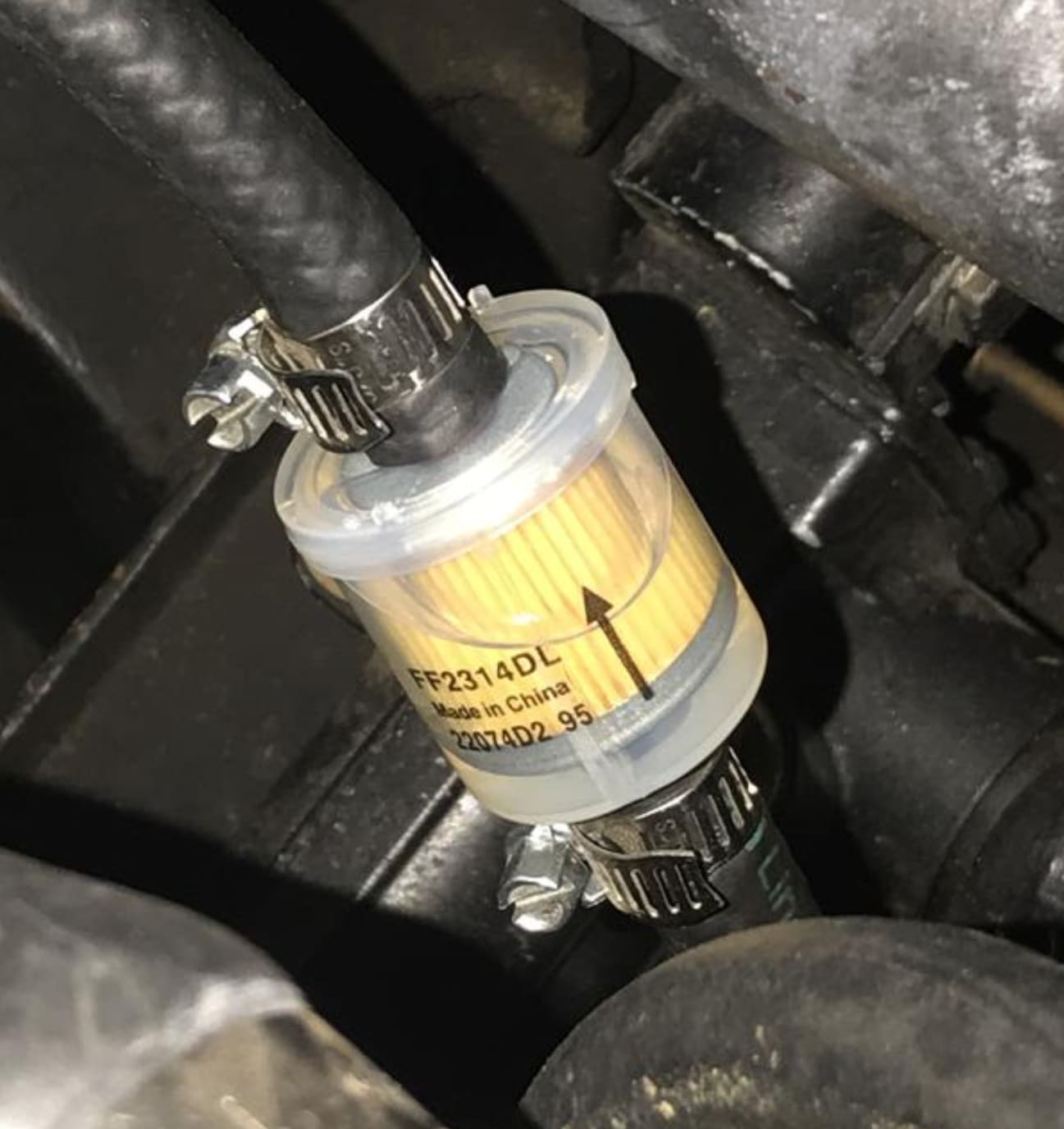
The fuel filter captures tiny particles from the fuel before it reaches the engine. It uses a special material that traps dirt and rust. Clean fuel flows through the filter easily, while contaminants stay behind. This process keeps the fuel clean and prevents engine damage.
Impact On Engine Performance
A clean fuel filter allows proper fuel flow to the engine. This helps the engine start quickly and run smoothly. A dirty or clogged filter causes fuel flow problems. The engine may sputter, lose power, or use more fuel. Regular filter changes keep the engine working at its best.
Signs Of A Clogged Fuel Filter
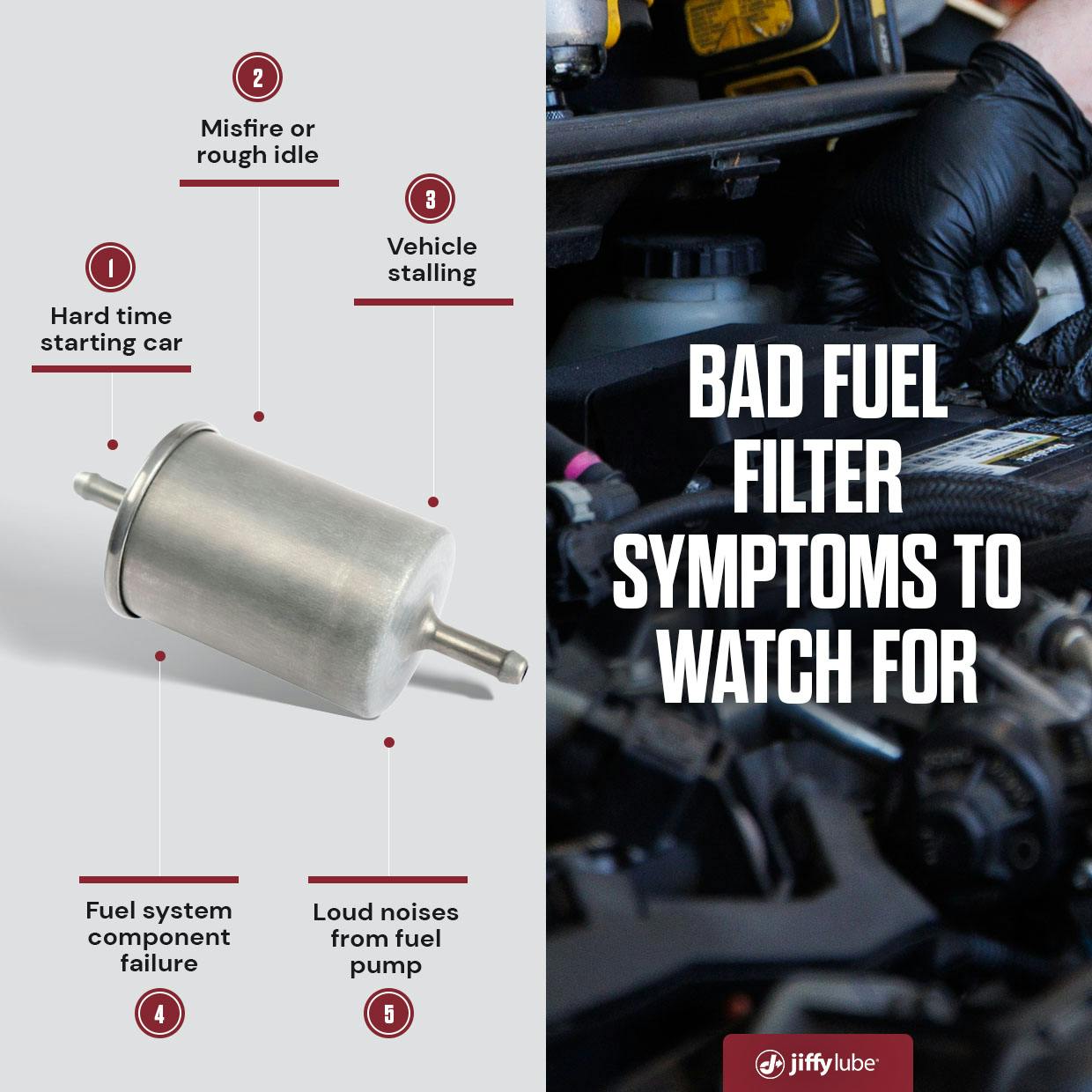
A clogged fuel filter can cause many problems in your car’s engine. It stops fuel from flowing properly. This leads to poor engine performance and other issues. Knowing the signs helps you fix the problem early. It also protects your engine from damage.
Engine Misfires And Stalls
When the fuel filter clogs, the engine may misfire. This means the engine runs unevenly. You might feel jerks or sudden stops while driving. Sometimes the engine stalls completely. These issues happen because fuel does not reach the engine properly.
Reduced Fuel Efficiency
A clogged fuel filter lowers fuel efficiency. The engine burns more fuel to keep running. You will notice you fill the tank more often. Your car uses more gas for the same distance. This wastes money and harms the environment.
Starting Problems
Hard starting is a common sign of a dirty fuel filter. The engine struggles to get enough fuel at startup. You may hear the engine crank without starting. Sometimes it takes several tries to start the car. This issue grows worse over time if not fixed.
Consequences Of Neglecting Fuel Filter Change
Neglecting to change the fuel filter can cause serious problems for your vehicle. The fuel filter keeps dirt and debris out of the engine. Over time, a clogged filter stops fuel from flowing well. This leads to many issues that affect your car’s performance and lifespan.
Engine Damage Risks
A dirty fuel filter causes the engine to get less fuel. This makes the engine run rough or stall. Small particles can enter the engine and damage parts. Over time, this damage can become severe and costly to fix.
Increased Emissions
A blocked fuel filter makes the engine burn fuel inefficiently. Poor fuel burning raises the amount of harmful gases released. This hurts the environment and may cause your car to fail emissions tests.
Costly Repairs
Ignoring fuel filter changes leads to bigger engine problems. Repairing or replacing engine parts costs much more than the filter. Regular filter changes save money by avoiding expensive fixes later.

Credit: www.youtube.com
Recommended Fuel Filter Replacement Intervals
Fuel filters play a key role in keeping your engine clean and running well. Changing the fuel filter at the right time helps prevent dirt and debris from damaging your engine. Knowing when to replace the fuel filter can save you from costly repairs and improve fuel efficiency.
Fuel filter replacement intervals vary based on several factors. Following the right schedule helps keep your vehicle in good shape and avoids performance issues.
Manufacturer Guidelines
Car makers provide specific fuel filter replacement intervals. These are based on tests and engine design. Usually, the interval ranges from 20,000 to 40,000 miles. Check your owner’s manual for the exact number. Sticking to these guidelines protects your engine and fuel system. Skipping or delaying replacement can cause clogging and reduce power.
Driving Conditions Impact
Driving habits affect how often you should change the fuel filter. Harsh conditions like dusty roads or heavy traffic speed up filter wear. Short trips and stop-and-go driving can also clog the filter faster. In these cases, change the filter more often than the manual suggests. Clean fuel filters help engines breathe better and last longer under tough conditions.
Diy Vs Professional Fuel Filter Change
Changing the fuel filter helps keep your engine clean and running well. Deciding between doing it yourself or hiring a professional depends on several factors. Both options have benefits and challenges. Knowing these can help you make the best choice for your vehicle and skills.
Tools And Safety Measures
DIY fuel filter change needs specific tools. You must have wrenches, screwdrivers, and new fuel filters ready. Work in a well-ventilated area to avoid inhaling fuel fumes. Wear gloves and safety glasses to protect skin and eyes. Avoid open flames or sparks near the work area. Proper tools and safety prevent accidents and mistakes.
When To Seek Expert Help
Some situations need a professional mechanic. If your fuel system is complex, a pro can handle it safely. Problems like fuel leaks or hard-to-reach filters require expert care. Lack of experience can cause damage or injury. Trust a mechanic for peace of mind and proper service.
Credit: www.jiffylube.com
Tips To Maintain Fuel System Health
Maintaining your fuel system is key to keeping your vehicle running smoothly. A clean fuel system helps the engine work better and saves fuel. Simple habits can protect the fuel filter and other parts from damage.
Small steps add up to big benefits for your car’s health. Follow these tips to keep the fuel system in top shape.
Using Quality Fuel
Choose fuel from trusted gas stations only. Poor quality fuel contains dirt and water. These impurities clog the fuel filter fast. Clean fuel reduces wear on the engine parts. It also helps the fuel system last longer.
Using good fuel prevents costly repairs later. It keeps the engine running smoothly and avoids breakdowns.
Regular Vehicle Checkups
Schedule routine checkups for your car’s fuel system. Mechanics check the fuel filter and related parts. Early detection of problems saves money. They replace the filter before it causes engine issues.
Regular inspections improve fuel efficiency and engine life. They catch small problems before they become big. Keep a checkup schedule and stick to it.
Credit: www.autozone.com
Frequently Asked Questions
How Often Should You Change A Fuel Filter?
Fuel filters should be changed every 20,000 to 40,000 miles. Check your vehicle manual for exact intervals. Regular changes prevent engine damage and maintain fuel efficiency.
What Happens If A Fuel Filter Is Clogged?
A clogged fuel filter restricts fuel flow, causing poor engine performance. It can lead to stalling, rough idling, and reduced fuel economy. Timely replacement avoids costly repairs.
Can A Dirty Fuel Filter Damage The Engine?
Yes, a dirty fuel filter allows contaminants into the engine. This causes wear and tear on fuel injectors and reduces engine life. Regular filter changes protect engine health.
Is Fuel Filter Replacement Necessary For All Vehicles?
Most vehicles require regular fuel filter changes, but some modern cars have lifetime filters. Always check your owner’s manual for specific recommendations to ensure optimal performance.
Conclusion
Changing your fuel filter keeps your engine clean and running well. It stops dirt from reaching important parts. This simple step helps save money on repairs later. You avoid poor fuel efficiency and engine trouble. Clean fuel means better car performance every day.
Don’t wait until problems start. Regular fuel filter changes protect your vehicle’s health. Easy to do, worth the effort. Keep your car happy and strong with this small task.