

Wondering how much Freon your car really needs? You’re not alone.
Knowing the right amount is key to keeping your air conditioning running smoothly and avoiding costly repairs. Too little Freon, and your car won’t cool properly. Too much, and you risk damaging the system. You’ll discover exactly how to find the perfect balance for your vehicle.
Keep reading to learn the simple steps that can save you time, money, and frustration.
Car Ac System Basics
Your car’s air conditioning system keeps you cool by removing heat from inside the vehicle. It works like a small refrigerator that moves heat outside. Knowing the basics helps you understand how much Freon your car needs.
The AC system has several parts working together. These include the compressor, condenser, expansion valve, and evaporator. Freon, or refrigerant, flows through these parts to cool the air. Each part plays a key role in the cooling process.
Role Of Freon In Cooling
Freon is the main refrigerant in most car AC systems. It absorbs heat inside the car and releases it outside. Freon changes from gas to liquid and back again during this process. This change helps remove heat from the air inside your car. Without the right amount of Freon, the AC will not cool well.
Types Of Refrigerants
Different cars use different types of refrigerants. Older cars often use R-12, which is no longer common. Most newer cars use R-134a, which is safer and better for the environment. Newer models may use R-1234yf, a more eco-friendly option. Using the right refrigerant type is important for proper cooling and system health.
Credit: acavalanche.com
Determining Freon Capacity
Determining the right amount of Freon for your car is important for its air conditioning system. Too little or too much refrigerant can cause problems. Knowing the exact capacity helps keep your AC running smoothly and cool.
Checking Manufacturer Specifications
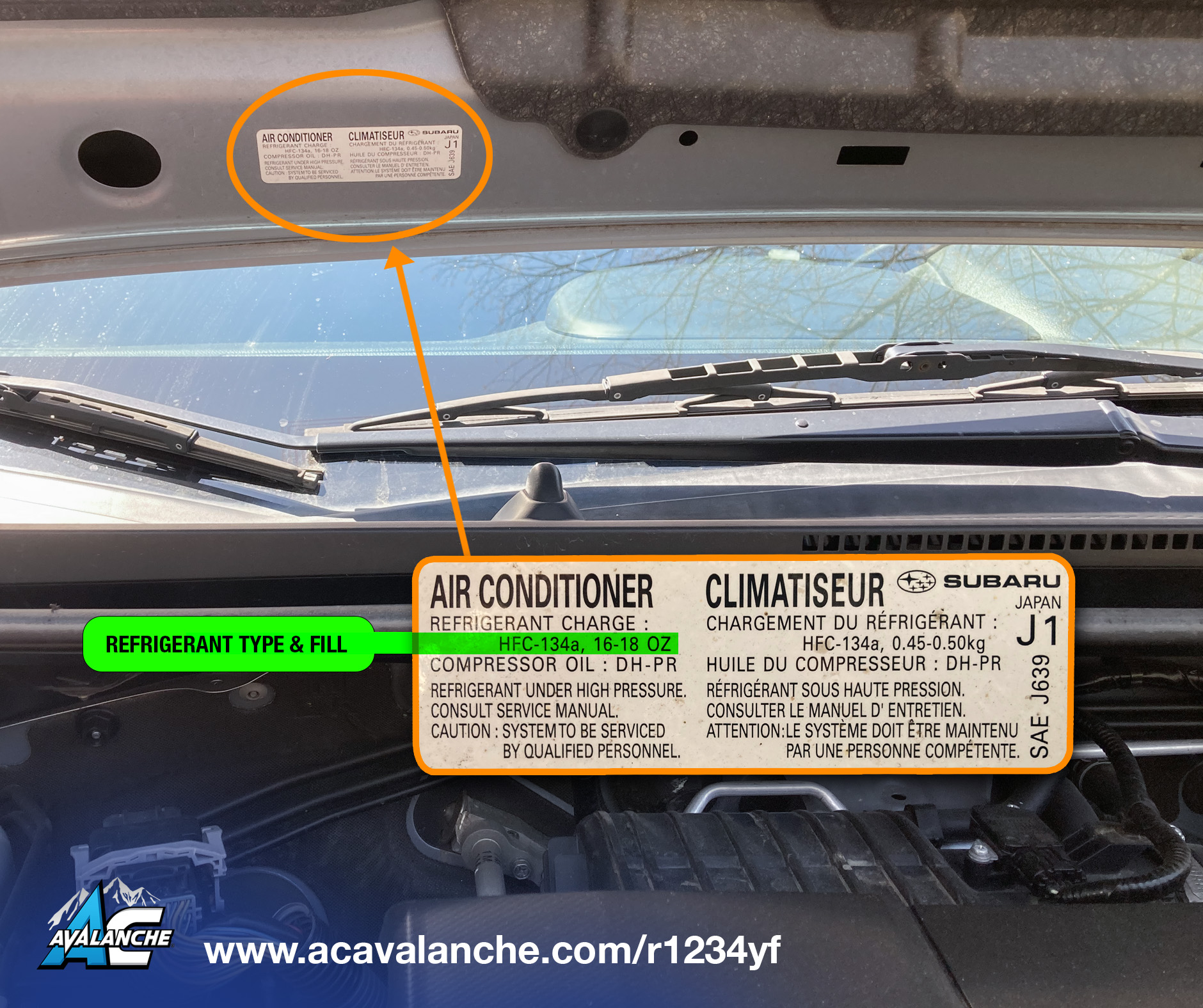
The first step is to check the vehicle’s manual. Manufacturers list the exact Freon capacity there. Look under sections about air conditioning or refrigerant. This number shows how much refrigerant your car needs.
Labels under the hood also provide this information. These labels are easy to find and reliable. Using the manufacturer’s data ensures you add the correct amount of Freon.
Factors Affecting Refrigerant Amount
Different cars use different amounts of Freon. The size of the AC system matters. Larger systems need more refrigerant. Smaller cars use less.
Car age affects refrigerant needs too. Older cars may have leaks or worn parts. This changes how much Freon is needed. Climate also plays a role. Hotter areas may require more refrigerant for efficient cooling.
Signs Of Low Freon Levels
Low Freon levels in your car’s air conditioning system can cause several problems. Recognizing the signs early helps avoid costly repairs. Watch for changes in how your AC performs and sounds. These clues show when your Freon is running low.
Reduced Cooling Efficiency
Your car’s AC may not cool as well as before. The air might feel warm or just slightly cooler than outside air. It takes longer to lower the temperature inside the car. This happens because there is less Freon to absorb heat. The AC system works harder but cools less. You might notice the fan running constantly without much cold air.
Unusual Noises And Odors
Strange sounds from the AC system can indicate low Freon. A hissing or bubbling noise often means a Freon leak. You may also smell a sharp or chemical odor inside the car. These smells come from escaping refrigerant or mold growth due to moisture. Pay attention to these signs as they suggest a problem with the Freon level or the AC system itself.
Refilling Freon Safely
Refilling Freon safely is very important for your car’s air conditioning system. Using the right method protects your vehicle and yourself. It also helps the system work well and last longer.
Follow clear steps and use the correct tools. Safety matters a lot during this process. Avoid rushing or guessing the amount of Freon needed.
Required Tools And Equipment
Gather all tools before starting. You need a Freon recharge kit with a pressure gauge. A pair of safety gloves and goggles protect your hands and eyes. A flashlight helps you see the AC components clearly. Have a thermometer handy to check air temperature. Make sure the Freon type matches your car’s specification.
Step-by-step Recharging Process
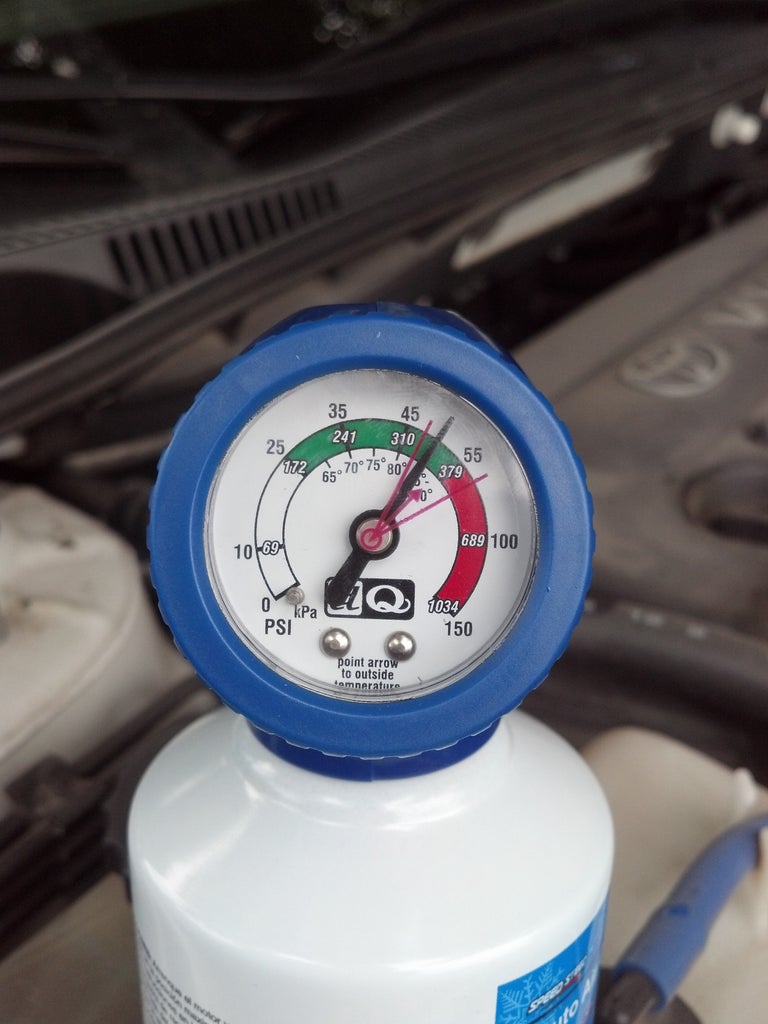
Park your car on a flat surface and turn off the engine. Locate the low-pressure service port on the AC system. Attach the recharge hose from the Freon kit to this port. Start the engine and turn on the AC to the highest setting. Watch the pressure gauge and slowly add Freon. Pause often to avoid overfilling. Stop when the gauge reaches the recommended pressure. Remove the hose and close the service port tightly.
Safety Precautions
Always wear gloves and goggles to prevent injury. Work in a well-ventilated area to avoid breathing harmful fumes. Never open the Freon can near heat or flames. Avoid skin contact with Freon; it can cause frostbite. Read the product instructions carefully before use. Keep children and pets away during the process. Dispose of empty cans according to local rules.
Common Mistakes To Avoid
Knowing the right amount of Freon your car needs is important. Mistakes in adding Freon can cause problems. Avoiding common errors helps keep your AC working well. It also saves you money and protects the environment.
Overcharging The System
Adding too much Freon can harm your car’s AC system. It causes high pressure inside the system. This can lead to leaks and damage parts. Overcharging also lowers cooling efficiency. Always follow the manufacturer’s recommended Freon amount.
Using Incorrect Refrigerant Types
Not all refrigerants work in every car. Using the wrong type can damage the AC system. It may cause poor cooling or total failure. Check your car’s manual for the correct refrigerant. Using the right type keeps the system safe and efficient.
Credit: stangnet.com
When To Seek Professional Help
Knowing how much Freon your car needs is important, but knowing when to seek professional help is just as crucial. Some signs show that your car’s air conditioning system needs expert care. Trying to fix these issues alone can cause more damage.
Detecting Leaks
Freon leaks are common in car air conditioning systems. Small leaks can be hard to find without special tools. Professionals use devices to spot even tiny leaks. Leaks often cause low cooling power and strange smells. If you notice these signs, a technician should check your system. Fixing leaks needs skill and the right equipment.
Complex Repairs
Some problems go beyond just adding Freon. Issues like compressor failure or damaged hoses require expert work. These repairs involve handling hazardous materials safely. Professionals know the exact Freon amount your car needs. They also follow environmental rules for refrigerant handling. Complex repairs done wrong can harm your car and the environment.
Maintaining Optimal Cooling
Maintaining optimal cooling in your car’s air conditioning system keeps you comfortable during hot days. Proper care ensures the AC works well and lasts longer. Understanding the right Freon level helps avoid damage and poor cooling.
Regular Ac System Checkups
Check your AC system regularly to keep it in good shape. Look for leaks or low Freon levels that reduce cooling power. A professional can test the system pressure and refill Freon if needed. Clean or replace the cabin air filter to improve airflow. Regular checkups prevent costly repairs and keep the AC efficient.
Tips For Extending Ac Lifespan
Run your AC system even in cooler months to keep parts lubricated. Avoid running the AC on full blast for long periods. Park your car in the shade to lower cabin temperature before driving. Keep the condenser clean and free from dirt or leaves. These steps help your AC last longer and work better.
Credit: www.instructables.com
Frequently Asked Questions
How Much Freon Does A Typical Car Need?
Most cars require between 1 to 2 pounds of Freon. The exact amount depends on your vehicle’s make and model. Check your owner’s manual or A/C label under the hood for the precise specification.
How To Know If My Car Needs More Freon?
If your A/C blows warm air or weak cold air, it likely needs more Freon. Other signs include hissing sounds or ice buildup on the compressor.
Can I Add Freon To My Car Myself?
Yes, you can add Freon yourself with the right tools and instructions. However, improper handling can harm your car’s A/C system. Consider professional help for best results.
What Happens If My Car Has Too Much Freon?
Overcharging your car’s A/C with too much Freon can cause high pressure. This may damage the compressor and reduce cooling efficiency.
Conclusion
Knowing the right amount of Freon keeps your car’s AC working well. Too little Freon means the air won’t be cold enough. Too much can harm the system. Always check your car’s manual or ask a mechanic. Regular checks help avoid problems and keep you cool.
Keep your car comfortable, especially on hot days. Simple steps make a big difference. Stay safe and enjoy your rides with a properly charged AC.


