Have you ever wondered if your car is equipped with ABS brakes? Knowing this can make a big difference in how you drive and stay safe on the road.
ABS, or Anti-lock Braking System, helps prevent your wheels from locking up during sudden stops, giving you better control. But how can you be sure your car has this feature? You’ll discover simple ways to find out if your car has ABS brakes and why it matters for your safety.
Keep reading—you might learn something that could protect you and your passengers the next time you hit the brakes hard.
Credit: blog.amsoil.com
What Are Abs Brakes
ABS brakes help keep cars safe on the road. They stop wheels from locking during hard braking. This helps drivers stay in control and avoid accidents.
Many cars today come with ABS brakes. Understanding what ABS is can help you recognize its benefits.
What Does Abs Mean?
ABS stands for Anti-lock Braking System. It is a safety feature in vehicles. The system controls the brakes automatically. It prevents wheels from locking up during sudden stops.
How Abs Works
The system uses sensors on each wheel. These sensors track wheel speed. If a wheel is about to stop turning, ABS reduces brake pressure. This action helps the wheel keep spinning. It allows the driver to steer while braking hard.
Why Abs Matters
Without ABS, wheels can lock and skid on the road. Skidding makes it hard to control the car. ABS helps maintain traction and steering control. It reduces the chance of sliding in emergencies.
Common Signs Of Abs Brakes
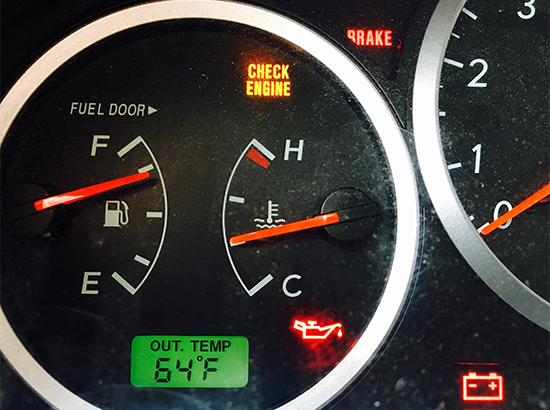
Most cars with ABS have a warning light on the dashboard. The light looks like the letters “ABS.” It turns on briefly when starting the car. If the light stays on, the system may need checking.

Credit: www.youtube.com
Abs Warning Light
The ABS warning light helps you know if your car has anti-lock brakes. It appears on the dashboard. This light shows the status of the ABS system. You can tell if the ABS is working or has a problem.
What The Light Looks Like
The ABS warning light usually looks like the letters “ABS” inside a circle. Sometimes, it has parentheses around the circle. The light is often yellow or amber. This color shows caution but not an emergency.
It is different from the regular brake warning light. The brake light usually has an exclamation mark or a brake symbol. The ABS light specifically tells you about the anti-lock system.
When It Appears
The ABS light comes on briefly when you start your car. This is a normal self-test. If the light turns off after a few seconds, the system is fine.
The light stays on if there is a problem. It can mean a sensor issue or a fault in the ABS system. The brakes still work, but the anti-lock feature may not.
Driving with the ABS light on needs caution. The car might skid more on wet or slippery roads. Getting the system checked soon is important for safety.
Brake Pedal Feel
The brake pedal feel is a key sign to identify if your car has ABS brakes. ABS, or Anti-lock Braking System, helps prevent wheels from locking during hard stops. This system changes how the brake pedal feels under your foot. Paying attention to these changes can tell you about ABS presence.
Pulsating Sensation
When ABS activates, you may feel a pulsing or vibrating in the brake pedal. This happens because the system rapidly applies and releases the brakes. The pulsing is normal and shows the ABS is working. This sensation is different from the usual smooth brake press.
Resistance During Braking
ABS causes the brake pedal to feel firmer or harder at times. This resistance occurs as the system controls brake pressure. It helps keep control of your vehicle on slippery roads. You might notice the pedal pushing back more than usual during strong stops.
Vehicle Manual And Labels
The vehicle manual and labels offer clear clues about your car’s braking system. They provide official information directly from the manufacturer. This makes them reliable sources for confirming if your car has ABS brakes.
Checking these details saves time and avoids guesswork. It helps you understand your car better and improves your safety knowledge on the road.
Checking The Owner’s Manual
The owner’s manual is the first place to check for ABS information. It usually includes a section on the braking system. Look for terms like “Anti-lock Braking System” or “ABS.”
The manual explains how ABS works and its benefits. It may also show warning lights related to ABS on the dashboard. This helps you recognize ABS features easily.
Look For Abs Markings
Car parts often have labels or markings that indicate ABS. Check near the wheels or brake components under the hood. You might find a small tag or sticker with “ABS” written on it.
Some cars display an ABS badge on the rear or sides. This signals that the vehicle comes with this braking system. These markings are quick visual checks for ABS presence.
Visual Inspection Of Wheels
Checking your wheels closely helps find out if your car has ABS brakes. This step is simple and does not need special tools. You can spot signs of ABS by seeing parts near the wheels. This visual check is useful for quick answers about your brake system.
Abs Sensor Rings
Look behind the wheel for a thin, metal ring with teeth. This is the ABS sensor ring. It spins with the wheel and helps the car control brake pressure. Not all cars show this ring clearly. It is usually near the brake rotor or hub.
The ring looks like a gear or a slotted disc. Small sensors read its movement to detect wheel speed. If you see this part, your car likely has ABS brakes. Dirt or rust can hide it. Clean the area gently if needed.
Wiring Near Brakes
Check for thin wires near the brake parts. ABS systems need wires to send signals from sensors to the computer. These wires run along the suspension or close to the wheel hub. They are usually covered with protective sleeves.
Wires may look like small cables attached near the brake caliper. Their presence hints at an ABS system. No wires might mean no ABS. Be careful not to pull or damage any wiring.
Test Driving Indicators
Test driving a car offers clues about its braking system. Observing how the brakes react during driving helps identify ABS features. Pay attention to how the vehicle behaves in different braking situations. These signs tell you if the car has ABS brakes or not.
Emergency Braking Response
Press the brake pedal hard during a quick stop. Feel the pedal under your foot. If it pulses or vibrates, ABS is working. The system stops the wheels from locking up. This keeps the car controllable during sudden braking. Without ABS, the car might skid or slide.
Slippery Surface Behavior
Drive slowly on a wet or icy road. Apply the brakes gently and then harder. Notice how the car reacts. With ABS, the car stays steady and you can steer. Without ABS, wheels may lock and the car may slide. This helps you see if ABS is active on slippery roads.

Credit: oilchangers.com
Frequently Asked Questions
How Can I Tell If My Car Has Abs Brakes?
Look for the ABS indicator light on your dashboard when you start the car. Check your owner’s manual or brake system for ABS components like wheel speed sensors.
What Does The Abs Warning Light Mean?
The ABS warning light means the anti-lock brake system has a fault. It indicates the ABS may not function properly during hard braking, and you should get it checked.
Can I Feel Abs Brakes Working?
Yes, ABS activates when you brake hard. You might feel a pulsing or vibration in the brake pedal as the system prevents wheel lock-up for better control.
Are Abs Brakes Standard In All Cars?
Most modern cars come with ABS as a standard safety feature. However, some older or base model vehicles might not have ABS installed.
Conclusion
Knowing if your car has ABS brakes helps you drive safer. Watch for the ABS light on the dashboard. Listen for a buzzing noise when braking hard. Feel if the brake pedal pulses during sudden stops. These signs show ABS is working.
Regularly check your brakes to keep them in good shape. Understanding your car’s brake system gives you confidence on the road. Stay alert and drive carefully to protect yourself and others. Safe driving starts with knowing your vehicle well.