
If you’re selling or transferring a car in Pennsylvania, you need to make sure your car title is properly notarized. Missing this crucial step can cause delays, legal headaches, or even invalidate your sale.
But don’t worry—this guide will walk you through exactly how to notarize a car title in PA, step by step. By the end, you’ll feel confident and ready to handle the process quickly and correctly, saving you time and stress.
Keep reading to learn the simple tricks that make notarizing your car title hassle-free.
Credit: carbrain.com
Notarization Basics For Car Titles
Notarizing a car title is an important step in transferring ownership in Pennsylvania. It helps prove the sale is real and legal. Knowing the basics of notarization can make the process smoother and faster.
Understanding what a notarized title means and why Pennsylvania requires notarization helps avoid mistakes. This section explains these key points clearly.
What A Notarized Title Means
A notarized title shows that a trusted official confirmed the signatures on the document. This official is called a notary public. They check the identity of the person signing and watch them sign.
This process stops fraud and fake sales. The notary adds a stamp or seal on the title as proof. It means the document is genuine and legally binding.
Why Notarization Is Required In Pa
Pennsylvania law needs notarization for car title transfers. This rule protects buyers and sellers. It ensures the sale is real and both sides agree to it.
The notary’s role is to prevent fake signatures and scams. Without notarization, the title transfer might be rejected by the state. Notarizing also speeds up the process at the DMV.
Credit: wheelzy.com
Documents Needed
Notarizing a car title in Pennsylvania requires several important documents. These papers prove your ownership and identity. Gathering the right documents saves time and avoids mistakes. Below are the key documents you need to prepare before visiting a notary.
Car Title Requirements
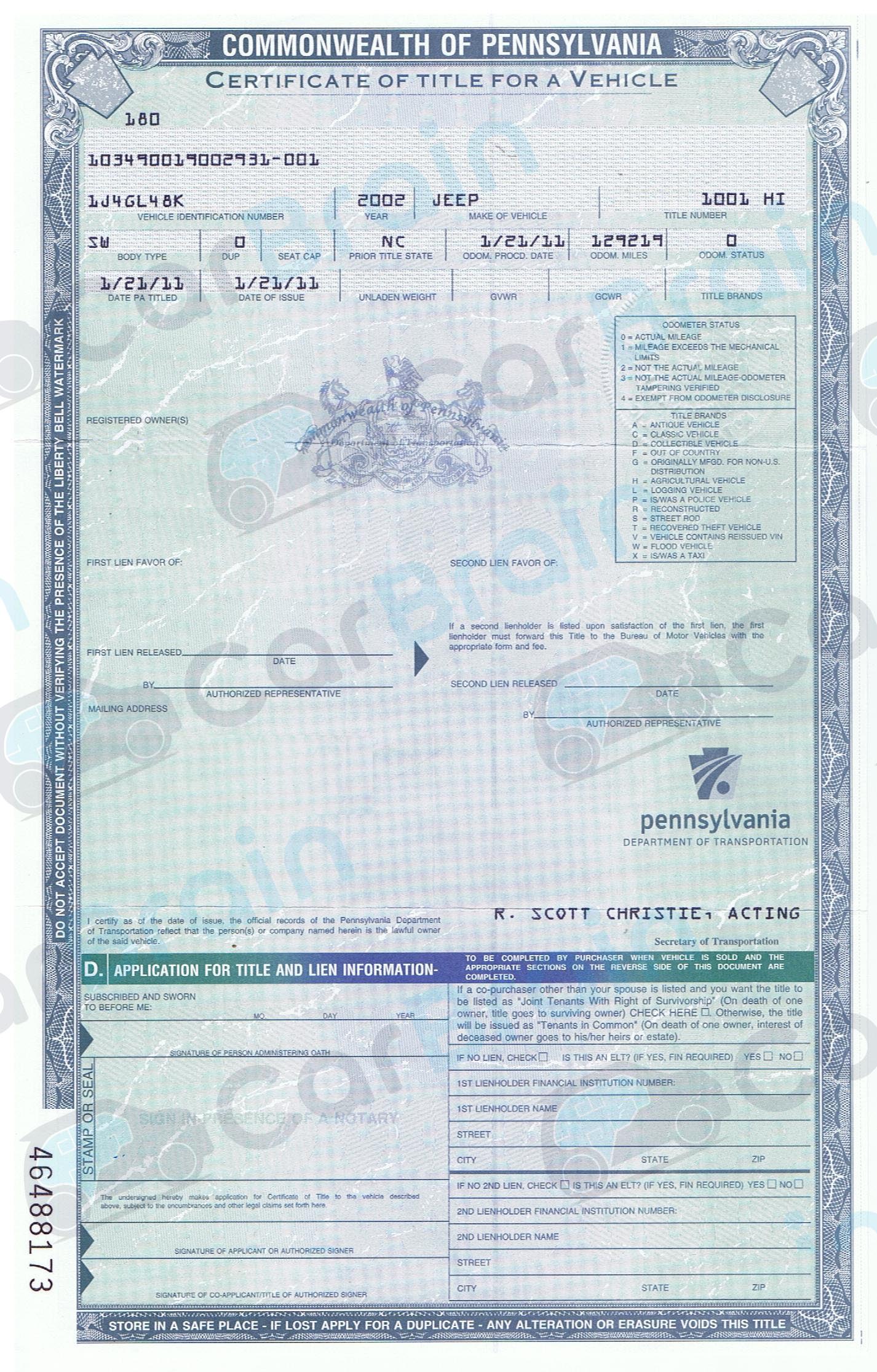
The original car title must be present for notarization. It should show the seller’s and buyer’s information. All signatures must be clear and in the right places. The title must be free of errors or damage. A damaged title may not be accepted by the notary.
Additional Identification
Bring a valid photo ID for proof of identity. A Pennsylvania driver’s license or state ID card works best. Passports or military IDs are also acceptable. The ID must be current and not expired. The notary uses this to verify you are who you claim to be.
Supporting Paperwork
Other documents may include a bill of sale or lien release. A lien release shows that any loan on the car is paid off. A bill of sale records the sale price and date of transfer. These papers support the transfer and help avoid future issues.
Finding A Notary In Pennsylvania
Finding a notary in Pennsylvania is a simple step in notarizing a car title. Notaries are easy to find and often close by. Knowing where to go saves time and stress. This guide shows common places to find a notary and what to expect with fees and hours.
Where To Locate A Notary
Many banks have notaries ready to help customers. Visit your bank’s branch for quick service. Public libraries often offer free notary services. Check with local government offices or courthouses as well. Some shipping stores and postal centers provide notary services too. You can also find mobile notaries who come to your home or office.
Notary Fees And Availability
Notary fees in Pennsylvania are usually low, often under $10 per signature. Some places, like banks, might offer free notarization for account holders. Public libraries often do not charge for notary services. Hours vary; some notaries work only during business hours. Mobile notaries may charge extra for travel but offer flexible times. Call ahead to confirm fees and availability before visiting.
Credit: carbrain.com
Step-by-step Notarization Process
Notarizing a car title in Pennsylvania is a straightforward process. It ensures the document is legally valid for vehicle ownership transfer. Follow these simple steps to complete the notarization correctly.
Preparing The Title For Notarization
Check the car title for any errors or missing information. Fill out all required fields clearly and accurately. Do not sign the title before meeting the notary. Keep the title and your ID ready for the appointment.
Meeting The Notary
Find a licensed notary public in Pennsylvania. Bring the unsigned title and a valid photo ID. The notary will verify your identity in person. Do not rush this step; accuracy matters.
Signing And Witnessing
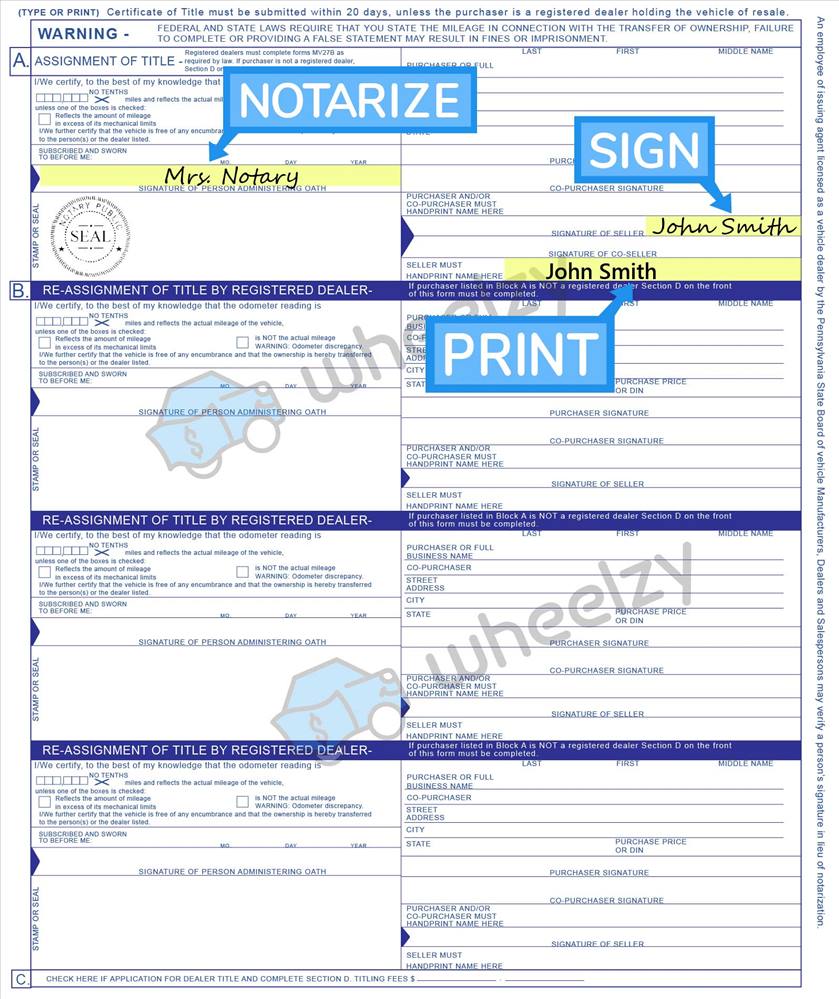
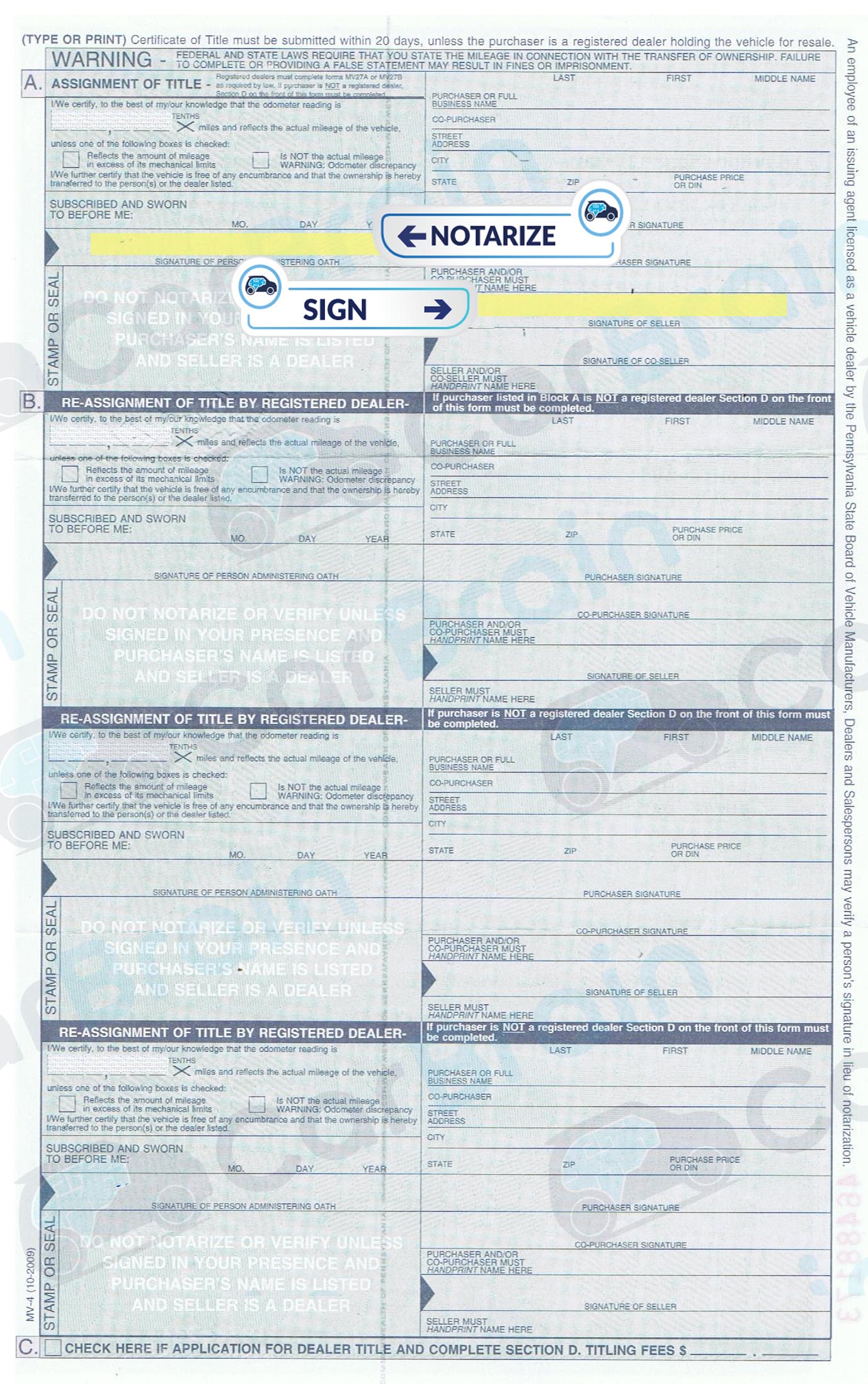
Sign the car title only in the presence of the notary. The notary watches you sign to confirm authenticity. Do not sign beforehand or after the meeting. Witnessing protects both parties in the sale.
Completing The Notary Section
The notary fills out their part on the title. This includes their signature, seal, and date of notarization. Verify all details are correct before leaving. Keep the notarized title safe for future use.
Common Mistakes To Avoid
Notarizing a car title in Pennsylvania requires care and attention. Simple mistakes can cause delays or even invalidate the process. Avoiding common errors helps you save time and hassle. Below are frequent mistakes people make during notarization.
Incomplete Forms
Filling out every part of the car title form is essential. Missing information can cause the notary to refuse the document. Double-check all fields before visiting the notary. Include details like buyer and seller names, vehicle information, and sale price.
Missing Signatures
Both the buyer and seller must sign the title in front of the notary. Forgetting a signature makes the notarization invalid. Ensure no one signs before meeting the notary. The notary needs to witness the signatures to certify them.
Incorrect Notary Stamps
The notary must use the proper stamp or seal on the title. An outdated or smudged stamp can cause rejection. Verify the notary’s commission is current. The stamp should clearly show the notary’s name, commission number, and expiration date.
After Notarization
After you have your car title notarized in Pennsylvania, the process is not over yet. There are important steps to complete. These steps ensure the transfer of ownership is legal and official. Follow these simple instructions to finish the process smoothly.
Submitting The Title To Penndot
Take the notarized title to PennDOT for processing. You can visit a local PennDOT office or use their online services. Submit the title along with any required forms and fees. PennDOT will update their records to reflect the new owner. This step makes the title legally valid in your name.
Keeping Copies For Your Records
Always keep copies of the notarized title and all related documents. Store them in a safe place. These copies protect you in case of disputes or loss. Having records helps with future sales or registration tasks. It also provides proof of ownership.
Special Situations
Special situations can make notarizing a car title in Pennsylvania a bit tricky. These cases need extra steps to ensure the process is correct and legal. Understanding these helps avoid delays and problems.
Handling Lost Titles
Lost car titles require a replacement before notarization. The owner must apply for a duplicate title through the Pennsylvania Department of Transportation (PennDOT). This process may take a few weeks. Once the duplicate arrives, the owner can proceed with notarizing the title. Notarizing without the original or duplicate title is not allowed in Pennsylvania.
Out-of-state Purchases
Buying a car from another state involves extra paperwork. The out-of-state title must be signed by the seller and buyer. Both signatures often need notarization. Pennsylvania requires the buyer to submit the out-of-state title to PennDOT for transfer. The buyer must also pay taxes and fees based on Pennsylvania rules. Notarizing the title helps prove the sale is valid and protects both parties.
Frequently Asked Questions
What Is Required To Notarize A Car Title In Pa?
To notarize a car title in Pennsylvania, you need a valid photo ID and the unsigned title. The seller and buyer must appear together before a notary to sign the document. The notary then verifies identities and applies the official seal.
Where Can I Find A Notary For Car Title In Pa?
Notaries can be found at banks, law offices, and some DMV locations in Pennsylvania. Many libraries and UPS stores also offer notarization services. Always call ahead to confirm availability and any fees involved.
How Much Does Notarizing A Car Title Cost In Pa?
The notarization fee in Pennsylvania typically ranges from $5 to $10 per signature. Some places may charge extra for additional services. It’s best to confirm the exact fee with the notary before your appointment.
Can I Notarize A Car Title Without The Seller Present?
No, Pennsylvania law requires both the seller and buyer to be present for notarizing a car title. Both parties must sign the title in front of the notary for it to be valid.
Conclusion
Notarizing a car title in PA is a simple, important step. It helps prove ownership and protects both buyer and seller. Always bring the right documents and a valid ID to the notary. Follow the state’s rules carefully to avoid delays.
Taking time to notarize the title correctly saves trouble later. This small task makes the car sale smooth and legal. Keep this guide handy for easy reference next time. Your car sale will go much better with proper notarization.

