
Are you planning to sell or buy a car in Wisconsin? One important step you can’t miss is transferring the car title.
It might sound confusing, but it doesn’t have to be. Understanding how to transfer a car title in Wisconsin will save you time, money, and stress. In this guide, you’ll learn exactly what you need to do, step by step.
Keep reading to make sure your car ownership changes go smoothly and without any surprises.
Check Title Requirements
Before transferring a car title in Wisconsin, check the title requirements carefully. This step helps avoid delays and extra fees. Knowing what documents you need and if you qualify for the transfer is important. Follow the state rules for a smooth process.
Identify Required Documents
Gather the necessary papers before starting the transfer. You need the original car title signed by the seller. A bill of sale may also be required. Have your valid ID ready. Proof of payment for any taxes or fees might be needed too. Check the Wisconsin DMV website for the full list.
Confirm Eligibility For Transfer
Make sure you can transfer the car title. The vehicle must not have any unpaid loans or liens. Both buyer and seller must agree on the transfer. The title should be clear and free of errors. Sometimes, special rules apply for gifts or inherited cars. Verify your case to avoid problems.

Credit: www.youcallwehaul.com
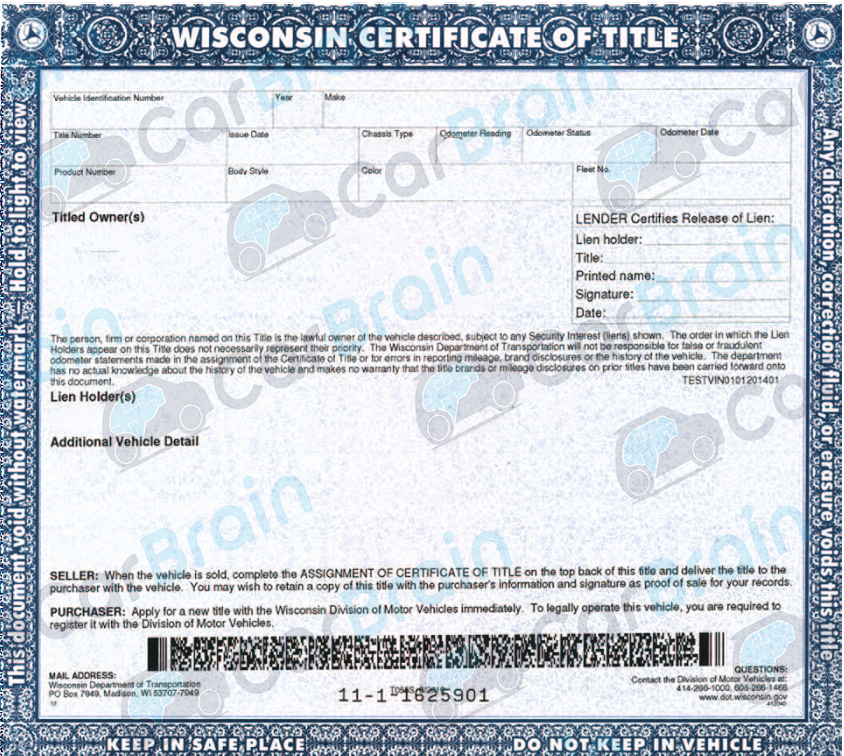
Complete The Title Transfer Form
Completing the title transfer form is a key step in transferring a car title in Wisconsin. This form records the details of the sale and makes the transfer official. Accuracy is important to avoid delays or problems later.
The form includes information about both the buyer and seller. It also requires signatures to confirm the agreement. Taking time to fill out the form correctly helps ensure a smooth process.
Fill Out Buyer And Seller Details
Write the full names of both the buyer and seller clearly. Include addresses for each party. The vehicle identification number (VIN) must be correct. Add the sale price exactly as agreed. Check all information twice for mistakes.
Sign And Date The Title
Both buyer and seller must sign the title. Signatures confirm the transfer of ownership. Add the date of sale near the signatures. Use a pen and write legibly. Without signatures and dates, the transfer is not valid.
Handle The Bill Of Sale
The bill of sale is a key document in transferring a car title in Wisconsin. It proves the sale and protects both buyer and seller. This paper shows the vehicle details and the sale agreement. Always keep a copy for your records.
Creating a clear and complete bill of sale helps avoid future problems. It must include important details and proper signatures. These steps make the process smooth and legal.
Include Purchase Price
Write the exact price paid for the car on the bill of sale. This amount shows the official sale value. It helps the Wisconsin DMV calculate taxes and fees. Be honest and accurate with this figure.
Including the purchase price also protects the buyer and seller from disputes. Both parties should agree on the number before signing.
Obtain Signatures
The buyer and seller must sign the bill of sale. Signatures confirm both agree to the sale terms. Without these, the document is not valid.
Make sure to sign the bill in the presence of a witness if required. Keep copies of the signed document for future reference. This step finalizes the transfer and helps complete the car title process.
Credit: carbrain.com
Submit Paperwork To Dmv
Submitting paperwork to the DMV is a key step in transferring a car title in Wisconsin. This process finalizes the ownership change and makes it official. You must provide all required documents and pay the necessary fees to complete the transfer.
Proper submission ensures the new title reflects the current owner’s name. Missing paperwork or unpaid fees can delay the process. Prepare everything carefully before visiting the DMV office.
Locate Local Dmv Office
Find the nearest DMV office to your home or work. Wisconsin has many offices across the state for convenience. Use the official Wisconsin DMV website to check addresses and hours. Some offices may require appointments, so verify this ahead of time. Choose a location that fits your schedule for a smooth visit.
Pay Transfer Fees
Transfer fees are part of the paperwork submission. Wisconsin charges a fee for changing the car title name. The cost varies depending on the vehicle and type of transfer. Have the exact amount ready to avoid delays. Most DMV offices accept cash, check, or credit cards. Keep the receipt as proof of payment for your records.
Deal With Taxes And Fees
Transferring a car title in Wisconsin involves handling taxes and fees. These costs are important to complete the process legally. Knowing what to expect helps you prepare your budget. Taxes and fees vary by vehicle type and sale price. It is essential to understand these charges before finalizing the transfer.
Calculate Sales Tax
Sales tax applies to most vehicle title transfers in Wisconsin. The rate is usually 5% of the purchase price or fair market value. The buyer pays this tax at the time of title transfer. Keep the bill of sale or purchase agreement to show the amount paid. If the vehicle was a gift, sales tax might not apply. Check with the Wisconsin DMV for specific rules.
Understand Additional Charges
Besides sales tax, other fees may apply during title transfer. These include title fees, registration fees, and possible local taxes. The title fee is a fixed amount to issue the new title. Registration fees depend on the vehicle’s weight and type. Some counties add extra charges for vehicle registration. Prepare extra funds to cover these costs.
Apply For New Registration
After you transfer the car title in Wisconsin, you must apply for new registration. This step lets you legally drive your car on public roads. The process involves choosing license plates and completing registration forms.
Applying for registration helps update the vehicle records with your name. It also ensures your car is properly insured and taxed. The Department of Transportation handles this process. You can apply online, by mail, or in person at a DMV office.
Choose License Plates
Start by selecting the type of license plates you want. Wisconsin offers several options, such as standard plates, personalized plates, or special interest plates. Each type has different fees and rules. Standard plates are the cheapest and most common choice.
Personalized plates allow you to create a custom message. Special interest plates show support for causes or organizations. Check the availability of your preferred plate before applying. Keep in mind that some plates may take longer to arrive.
Complete Registration Forms
Next, fill out the registration forms required by the Wisconsin DMV. The main form is the Vehicle Registration Application. Provide accurate information about the car and yourself. This includes the vehicle identification number (VIN), make, model, and year.
Attach proof of ownership, such as the signed car title. You must also show proof of insurance that meets state minimums. Double-check all details before submitting your forms to avoid delays. Submit the forms along with the registration fee.
Handle Special Cases
Handling special cases in Wisconsin car title transfers requires extra steps. These cases do not follow the usual process. Knowing how to handle them saves time and avoids mistakes. Two common special cases include inherited vehicles and titles with liens.
Transfer For Inherited Vehicles
When you inherit a car in Wisconsin, you must prove ownership. A death certificate and will or court order help with this. Complete the title transfer form and attach these documents. You might need to pay inheritance tax depending on the situation. The process ensures the vehicle legally belongs to you.
Transfer With A Lien On Title
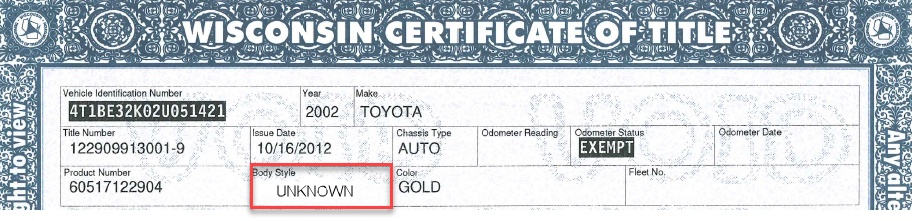
If a lien exists on the vehicle, the lender holds part of the title. You must pay off the loan or get lender permission to transfer the title. The lender will release the lien once the debt clears. The Wisconsin DMV requires a lien release or payoff letter to complete the transfer.
Credit: wisconsindot.gov
Avoid Common Mistakes
Transferring a car title in Wisconsin can be tricky. Simple mistakes can cause delays or extra fees. Avoid these common errors to make the process smooth. Pay attention to details and follow the rules carefully. This section highlights key tips to help you avoid problems.
Check For Errors On Forms
Fill out all forms clearly and correctly. Check spelling of names and addresses. Use the exact name on your ID and registration. Double-check the Vehicle Identification Number (VIN). Mistakes here will cause delays or rejection. Ensure the odometer reading is accurate and signed by both parties. Small errors can stop the transfer process.
Meet Deadlines
Submit your title transfer application on time. Wisconsin law sets deadlines for title transfers. Late submissions can lead to fines or penalties. The buyer usually has 10 days to apply after purchase. Sellers should keep copies of all documents. Meeting deadlines keeps the transfer smooth and legal.
Frequently Asked Questions
How Do I Transfer A Car Title In Wisconsin?
To transfer a car title in Wisconsin, both buyer and seller must complete the title assignment. Submit the signed title, a completed form MV1, and pay the title transfer fee to the DMV.
What Documents Are Needed For Wisconsin Title Transfer?
You need the original signed title, a completed form MV1, proof of ID, and payment for fees. A bill of sale may also be required if there’s no odometer disclosure.
How Long Does Wisconsin Title Transfer Take?
Title transfers in Wisconsin typically take 10 to 15 business days. Processing times may vary depending on DMV workload and method of submission.
Can I Transfer A Car Title Without The Seller Present?
Yes, the seller can sign the title in advance. The buyer must submit the signed title and required documents to the DMV for transfer.
Conclusion
Transferring a car title in Wisconsin is simple when you follow the right steps. Complete the necessary forms carefully. Pay attention to fees and provide correct information. Visit the DMV to submit your documents. Keep copies for your records. This process ensures your vehicle ownership is clear and legal.
Taking your time helps avoid mistakes and delays. Stay organized and ask for help if unsure. Doing this right protects your rights as a vehicle owner.


