
Have you ever wondered how to take care of a bat? These fascinating creatures are unlike any other pet you might have known.
If you find yourself responsible for a bat’s well-being, you need to know the right steps to keep it healthy and safe. Taking care of a bat isn’t as simple as feeding or watering—it requires special attention and understanding. Keep reading, and you’ll discover practical tips that will help you provide the best care for your winged friend.
Your bat’s health and happiness depend on what you do next.
Credit: conservancy.org
Bat Behavior Basics
Understanding basic bat behavior helps in their care. It shows how bats act and what they need. This knowledge makes caring for bats easier and safer. Bats have unique habits and traits. Recognizing these traits is key to their well-being.
Common Bat Species
Bats come in many species worldwide. Some common ones include the little brown bat, big brown bat, and fruit bats. Each species has different sizes and diets. Insect-eating bats catch bugs at night. Fruit bats feed on fruits and nectar. Knowing the species helps provide proper care.
Nocturnal Habits
Bats are mostly active at night. They rest during the day in dark places. This night activity is called nocturnal behavior. Bats use echolocation to find food in the dark. They sleep hanging upside down. Disturbing their day rest can stress them.
Signs Of Distress
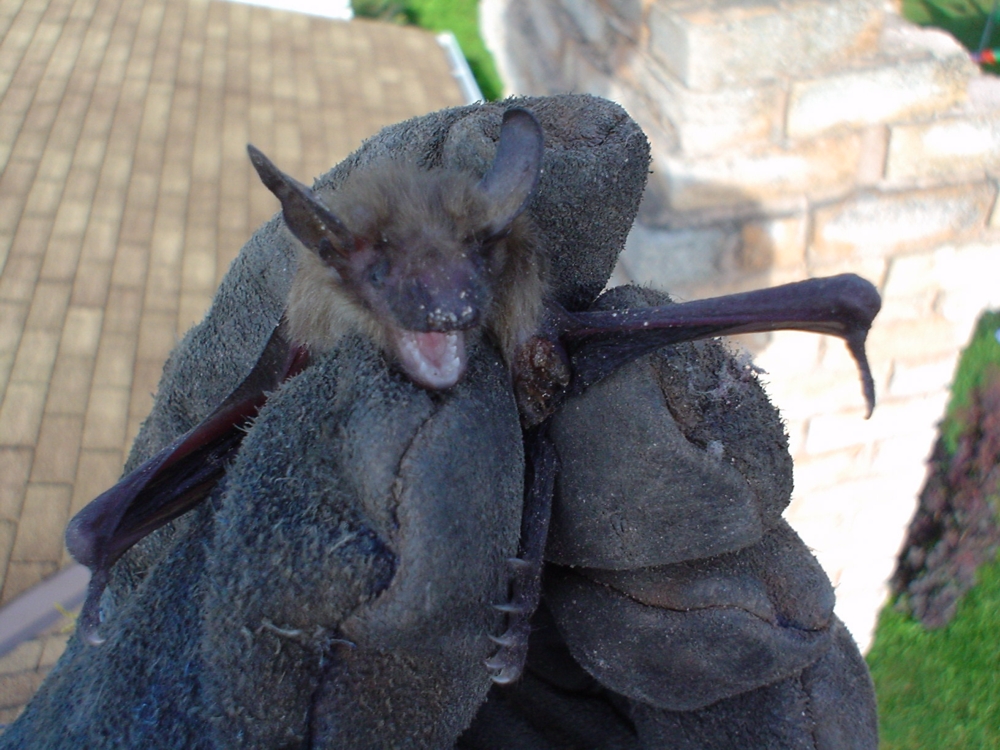
Signs of bat distress include unusual aggression or lethargy. A bat that cannot fly or hangs awkwardly may be sick. Excessive noise or constant movement can signal stress. Notice if a bat refuses food or water. Early detection helps in giving proper care fast.
Credit: www.skedaddlewildlife.com
Safety Precautions
Taking care of a bat requires careful attention to safety. Bats can carry diseases and may bite or scratch when scared. Protecting yourself keeps both you and the bat safe. Follow these safety steps to handle bats properly.
Protective Gear
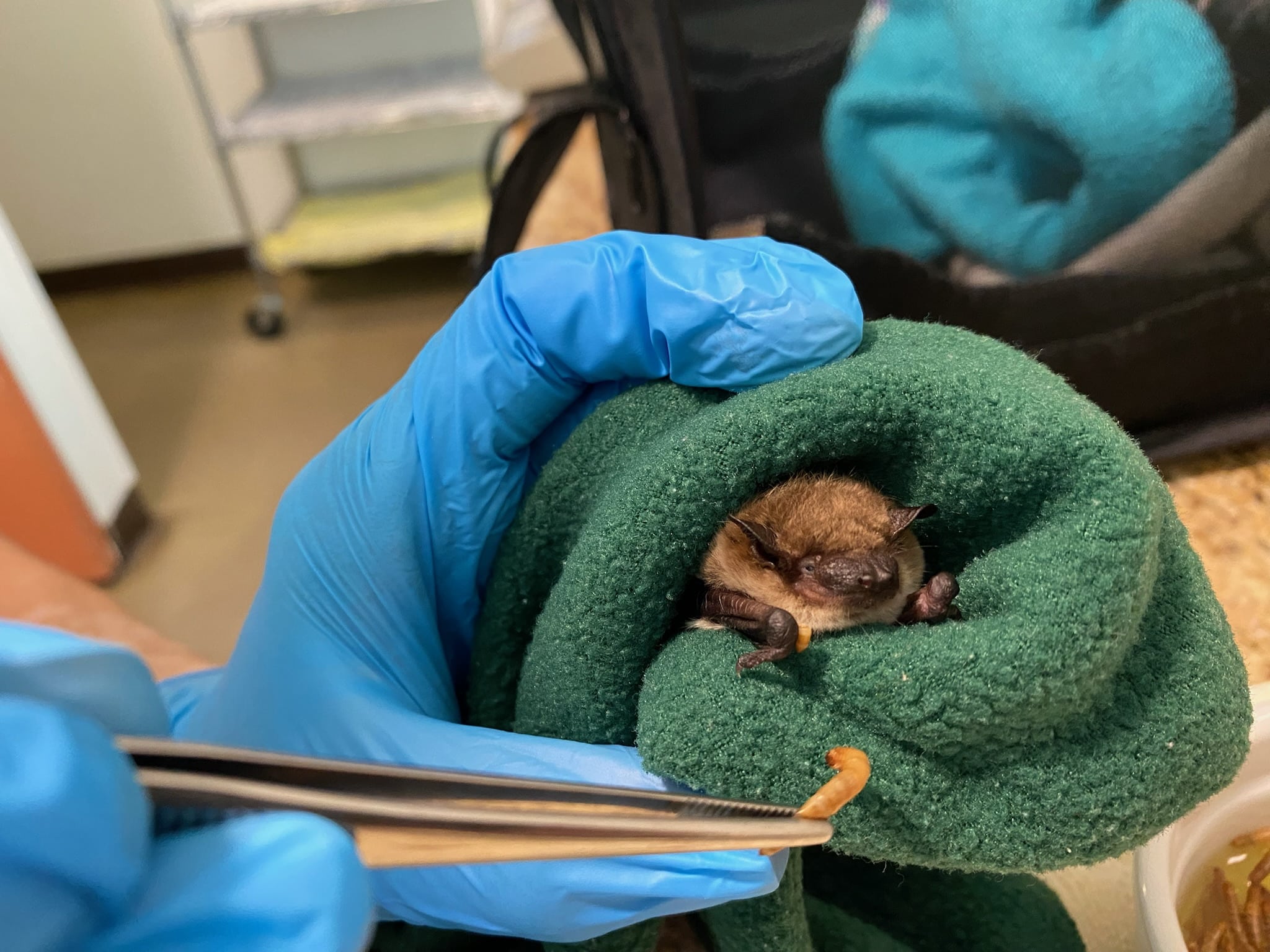
Always wear thick gloves before touching a bat. Leather gloves work well to stop bites and scratches. Long sleeves and pants add extra protection. Use a small towel or cloth to handle the bat gently. Avoid bare skin contact at all times.
Avoiding Bites And Scratches
Move slowly and calmly around the bat. Sudden moves can scare it, causing bites or scratches. Do not try to hold the bat too tightly. Let it rest on your gloved hand or a soft cloth. Watch the bat’s behavior and stop if it looks stressed.
Health Risks To Humans
Bats may carry rabies and other diseases. Rabies is serious and can spread through bites or scratches. Always clean any wounds immediately with soap and water. Seek medical help if bitten or scratched. Avoid touching bats that appear sick or dead.
Handling Techniques
Handling a bat requires care and gentle touch. Bats are delicate creatures. Proper techniques keep both you and the bat safe. Understanding how to approach, hold, and transport a bat is key. This section breaks down these important steps.
Approaching A Bat
Move slowly and calmly toward the bat. Sudden moves can scare it. Speak softly to avoid startling the animal. Always watch the bat’s body language. If it looks stressed, pause and wait. Use a cloth or gloves to protect your hands.
Proper Holding Methods
Support the bat’s body with your hands. Avoid squeezing or putting pressure on its wings. Hold the bat gently but firmly. Cup your hands around its body. Keep the wings folded close to avoid injury. Never hold a bat by its wings or legs alone.
Transporting Safely
Use a small box or container with air holes. Line it with a soft cloth for comfort. Place the bat inside carefully. Keep the container in a quiet, dark place. Avoid shaking or sudden movements during transport. Check on the bat regularly but gently.
Feeding And Hydration
Feeding and hydration are crucial for a bat’s health. Proper diet and water keep bats strong and active. Understanding what bats eat and how to provide water helps care for them well. This section explains diet needs, watering tips, and feeding schedules for bats.
Diet Requirements
Bats eat different foods based on their species. Most bats eat insects, fruits, or nectar. Insect-eating bats need live bugs like crickets or mealworms. Fruit bats need fresh fruits such as bananas, mangoes, and apples. Avoid processed or sugary foods. Provide a balanced diet to keep bats healthy.
Watering Tips
Bats need fresh, clean water every day. Use a shallow dish to prevent drowning. Change water daily to avoid bacteria growth. Some bats drink by licking water drops from leaves or surfaces. Keep water accessible and easy to reach at all times.
Feeding Schedules
Feed bats at the same time each day. Most bats eat at night, so feed them in the evening. Young bats may need feeding two to three times daily. Adult bats usually eat once a day. Watch their eating habits and adjust feeding times if needed.
Habitat Setup
Setting up the right habitat is essential for a bat’s health and happiness. A proper environment helps bats feel safe and comfortable. This section covers key points to create a perfect home for your bat.
Creating A Safe Space
Choose a quiet area away from noise and strong light. Use a large cage or enclosure with enough room to fly and climb. Provide hiding spots like small boxes or fabric tubes. Avoid sharp edges or loose wires that can hurt your bat.
Temperature And Lighting
Maintain a warm temperature between 70 and 85 degrees Fahrenheit. Bats need stable warmth to stay healthy. Use soft, indirect lighting to mimic natural day and night cycles. Keep the habitat darker at night to help the bat rest.
Enrichment Activities
Offer toys like small balls or lightweight objects to encourage play. Hang ropes or branches for climbing and hanging. Change toys regularly to keep the bat interested and active. Mental and physical exercise prevents boredom and stress.
Health Monitoring
Health monitoring is a key part of caring for a bat. Regular checks help spot problems early. This keeps the bat safe and strong. Pay close attention to changes in behavior and physical signs.
Keep a daily record of your bat’s condition. Note its eating habits, activity, and appearance. This helps track its health and detect issues fast.
Common Health Issues
Bats can face several health problems. These include injuries, dehydration, and infections. Wing damage is common and needs quick care. Parasites like mites can make bats weak. Watch for unusual breathing or coughing. These signs may mean lung issues or illness.
When To Seek Veterinary Help
Seek help if your bat stops eating or drinking. Sudden weakness or inability to fly needs urgent care. Bleeding wounds or severe injuries require a vet. If the bat shows strange behavior, consult a professional. Early treatment improves chances of recovery.
Signs Of Recovery
A recovering bat becomes more active each day. Eating and drinking normally are good signs. Wings should heal and function well again. The bat will start to groom itself. Bright eyes and alertness show strength returning.
Legal And Ethical Considerations
Caring for a bat requires respect for the law and the bat’s well-being. Knowing legal and ethical rules helps protect bats and people. Following these guidelines ensures safe and responsible care.
Wildlife Protection Laws
Bats are often protected by laws to keep them safe. These laws stop people from harming bats or taking them from nature. Check local rules before handling a bat. Some places need special permits to care for bats.
Ignoring these laws can lead to fines or legal trouble. Respecting wildlife laws helps keep bat populations healthy. It also protects the environment where bats live.
Ethical Handling Practices
Handle bats gently and only if necessary. Avoid causing stress or injury to the bat. Wear gloves to protect yourself and the bat. Never keep a bat as a pet unless you have permission.
Provide a quiet, safe place if you must care for a bat temporarily. Give food and water that meet its needs. Avoid loud noises and bright lights around the bat.
Releasing Bats Safely
Release bats back into nature as soon as possible. Choose a safe place away from predators and busy roads. Release during dusk or dawn when bats are active.
Make sure the bat is healthy before release. If unsure, contact a wildlife expert or rehabilitator. Safe release helps bats return to their natural role in the ecosystem.

Credit: www.youtube.com
Frequently Asked Questions
How Do I Provide Proper Food For A Pet Bat?
Feed bats a diet of insects, fruits, or nectar depending on species. Ensure fresh water is always available. Avoid processed foods and consult a vet for specific dietary needs.
What Kind Of Habitat Suits A Bat’s Wellbeing?
Create a dark, quiet space with enough room to fly. Use natural materials for roosting spots. Maintain a consistent temperature and humidity for comfort.
How Often Should I Clean A Bat’s Living Area?
Clean the habitat weekly to prevent odors and disease. Remove waste and replace bedding regularly. Use mild, non-toxic cleaners to ensure safety.
Can Bats Be Handled Safely By Humans?
Handle bats gently and infrequently to reduce stress. Wear gloves to protect against bites and diseases. Always wash hands thoroughly after contact.
Conclusion
Caring for a bat needs patience and gentle handling. Keep its space clean and quiet. Feed it the right food daily. Watch for signs of illness or stress. Bats are delicate and need your care. Your efforts help bats stay healthy and safe.
Enjoy learning about these unique creatures. Small steps make a big difference in care. Stay calm and kind while helping bats thrive.


