

Have you ever wondered how long the shocks in your car actually last? Shocks play a crucial role in keeping your ride smooth and safe, but many drivers don’t realize when it’s time to replace them.
If your car feels bumpier than usual or handles poorly, your shocks might be to blame. Understanding how long shocks last can save you money, prevent damage, and keep you safer on the road. You’ll discover the key signs of worn shocks and how to know when it’s time for new ones.
Keep reading to protect your car and enjoy a smoother drive every time.
Credit: www.yourmechanic.com
Shock Absorber Basics
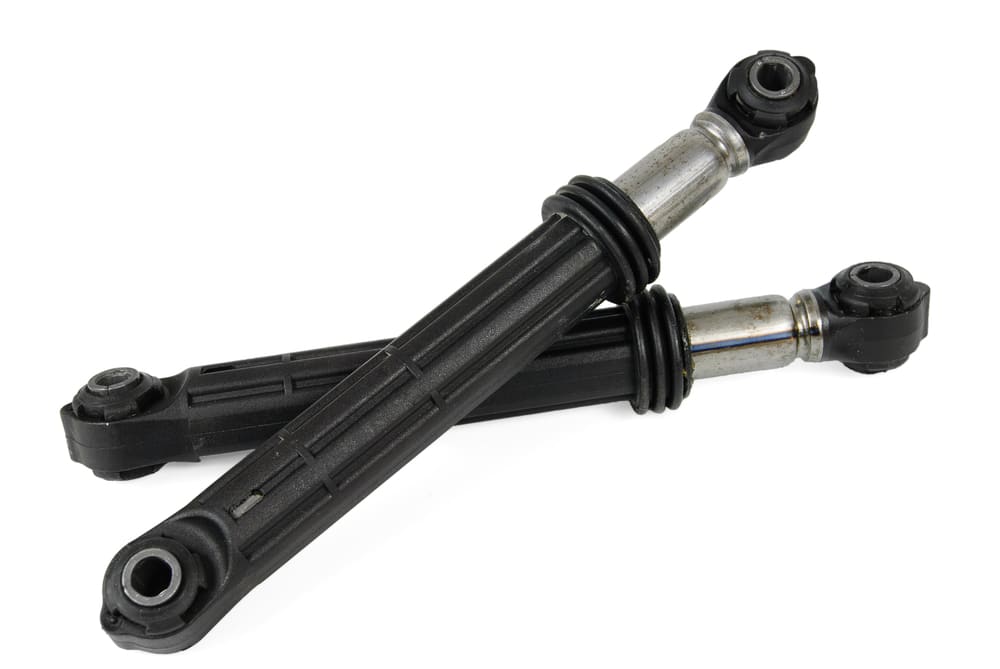
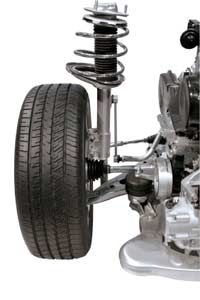
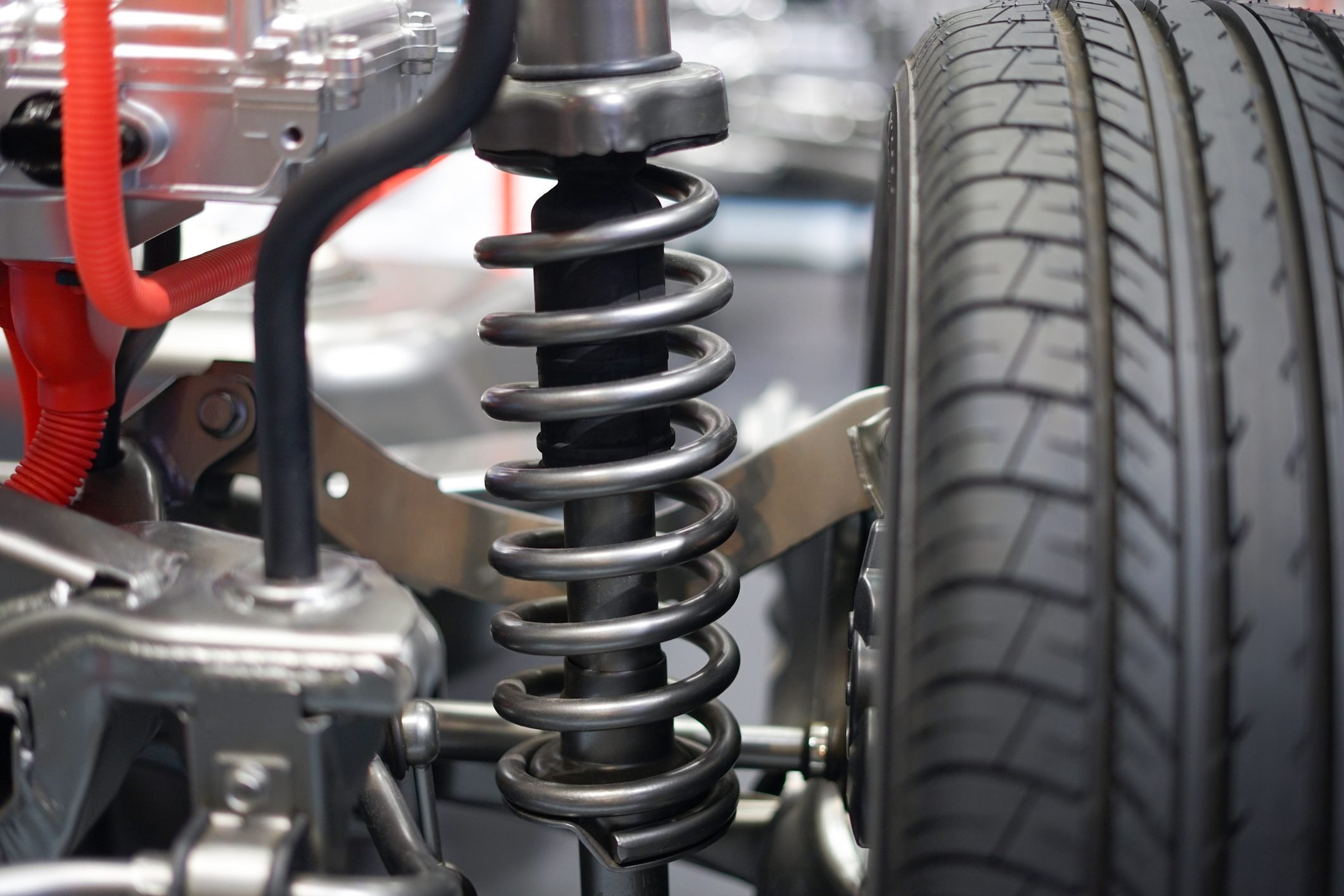
Shock absorbers are key parts of a car’s suspension. They help control the impact and movement of the vehicle’s springs and suspension. Shocks make the ride smooth and keep the tires on the road. Understanding how shocks work helps in knowing when to replace them.
Shocks do more than just soften bumps. They keep the car stable and safe during turns and stops. Good shocks improve handling and reduce wear on other parts.
What Shocks Do
Shock absorbers control the up and down motion of the car’s wheels. They stop the car from bouncing too much after hitting bumps. Shocks also help keep the tires in contact with the road. This improves braking and steering. Without shocks, the car would feel rough and hard to control.
Types Of Shocks
There are different types of shock absorbers for cars. The most common type is the twin-tube shock. It has two tubes to hold oil and gas. Another type is the monotube shock, which uses one tube and offers better heat control. There are also gas-charged shocks, which use gas to reduce fade and improve performance. Each type fits different cars and driving styles.
Average Lifespan Of Shocks
Shocks play a key role in a car’s ride and safety. Knowing their lifespan helps plan maintenance. The average lifespan of shocks varies based on several factors. This section explains typical mileage and time expectations for shocks.
Mileage Expectations
Most shocks last between 50,000 and 100,000 miles. Some may wear out sooner on rough roads. Smooth highways help shocks last longer. Heavy loads or aggressive driving shorten shock life. Regular checks keep shocks in good shape.
Time Factors
Shocks also age with time, not just miles. Rubber parts can dry out and crack after years. Even if mileage is low, shocks might need replacement after 6 to 8 years. Weather affects shocks too. Hot sun and cold winters cause wear.
Signs Of Worn Shocks
Worn shocks affect your car’s safety and comfort. They wear out over time and show clear signs. Knowing these signs helps you avoid bigger problems. Check your car often for any changes.
Shocks control how your car rides and handles. When they fail, you feel it right away. Watch for these common signs of worn shocks below.
Ride Quality Changes
Your car may bounce more after hitting bumps. The ride feels rougher and less smooth. You might notice the car sways more on uneven roads. These are signs shocks are losing their strength.
Handling Issues
Steering can feel loose or less responsive. The car may lean too much in turns. Braking distances can increase unexpectedly. Worn shocks reduce your control on the road.
Visible Damage
Look under your car at the shocks. Leaking fluid or dents show wear and tear. Rust or broken parts mean it’s time to replace them. Visible damage is a clear warning sign.
Credit: auto.howstuffworks.com
Factors Affecting Shock Longevity
Shocks play a key role in your car’s comfort and safety. Their lifespan varies a lot. Many factors influence how long shocks last. Understanding these helps you care for your vehicle better.
Some factors wear shocks out faster. Others help them last longer. Paying attention to these can save money and improve driving quality.
Driving Habits
Aggressive driving shortens shock life. Hard braking and fast turns put extra stress on shocks. Smooth driving reduces wear. Gentle acceleration and braking help shocks last longer.
Frequent stopping and starting also affects shocks. Driving with care extends their lifespan.
Road Conditions
Rough roads wear shocks quickly. Potholes, bumps, and uneven surfaces cause damage. Smooth highways are easier on shocks. Gravel roads increase wear and tear.
Driving often on rough terrain means shocks need replacement sooner.
Vehicle Load
Heavier loads strain shocks more. Carrying extra passengers or cargo wears shocks faster. Overloading your vehicle shortens shock life. Proper loading helps maintain shock performance.
Balance your load to avoid uneven shock stress.
Shock Maintenance Tips
Proper shock maintenance keeps your car safe and comfortable. Shocks wear down over time. Regular care helps spot problems early. It also extends the life of your shocks. Simple steps make a big difference.
Regular Inspections
Check your shocks every 12,000 miles or once a year. Look for leaks or dents on the shock body. Push down on the car’s corners. The car should bounce back smoothly. Too much bouncing means worn shocks. Listen for strange noises during driving. These can signal shock issues. Clean dirt and debris from shocks to prevent damage.
When To Replace
Replace shocks every 50,000 miles or if you notice problems. Signs include poor handling, longer stopping distances, or uneven tire wear. If you feel every bump while driving, it is time. Also, replace shocks after an accident or heavy load. Old shocks reduce vehicle control and safety. Timely replacement keeps your car steady and secure.
Cost Of Replacing Shocks
Replacing shocks in a car is an important repair that affects safety and comfort. The cost varies widely based on parts, labor, and the type of vehicle. Knowing these costs helps plan your budget better. It also helps decide whether to replace shocks yourself or hire a professional.
Parts And Labor
Shock absorbers alone can cost between $50 and $150 each. Prices depend on the car model and the quality of the shocks. Labor costs vary by location and shop, usually between $100 and $200 per shock. Some cars require replacing shocks in pairs, doubling the cost. High-end or specialty vehicles may have higher parts and labor costs. Total expenses can range from $200 to $600 or more for a full replacement.
Diy Vs Professional
Doing it yourself saves money on labor. You only pay for parts, which can cut costs in half. Basic tools and some mechanical knowledge are needed. Mistakes can cause further damage or safety risks. Professional service ensures proper installation and safety checks. It takes less time and includes a warranty on work. Choose DIY for saving money and learning. Choose a pro for peace of mind and speed.
Credit: www.familyhandyman.com
Frequently Asked Questions
How Long Do Car Shocks Typically Last?
Car shocks usually last between 50,000 to 100,000 miles. Their lifespan varies based on driving habits, road conditions, and vehicle type. Regular maintenance can extend their durability and improve ride quality.
What Are Signs That Shocks Need Replacement?
Common signs include excessive bouncing, poor handling, uneven tire wear, and fluid leaks. If your car feels unstable or noisy over bumps, it’s time to check the shocks.
Can Bad Shocks Affect Vehicle Safety?
Yes, worn shocks reduce braking efficiency and increase stopping distance. They also impair steering control, risking accidents. Replacing shocks promptly improves overall vehicle safety.
How Often Should Shocks Be Inspected?
Shocks should be inspected every 20,000 to 30,000 miles or during regular vehicle maintenance. Early detection prevents costly repairs and ensures optimal driving comfort.
Conclusion
Shocks usually last between 50,000 and 100,000 miles. Driving conditions affect their lifespan a lot. Rough roads wear shocks out faster. Worn shocks can make driving unsafe and uncomfortable. Check them regularly for leaks or damage. Replace shocks when you feel bouncing or poor handling.
Good shocks keep your car smooth and steady. Taking care of shocks saves money and trouble later. Keep your ride safe and comfortable by watching shock health closely.


