
Are you hearing strange noises when you brake or feeling your car pull to one side? It might be time to replace your rear brakes and rotors.
But how much will it actually cost you? Knowing the price upfront can help you avoid surprises and make the best decision for your car and wallet. You’ll get clear answers about the costs involved, what affects the price, and how to save money without compromising safety.
Keep reading to find out exactly what you need to know before you book that repair.
Credit: www.jiffylube.com
Rear Brakes And Rotors Cost Factors
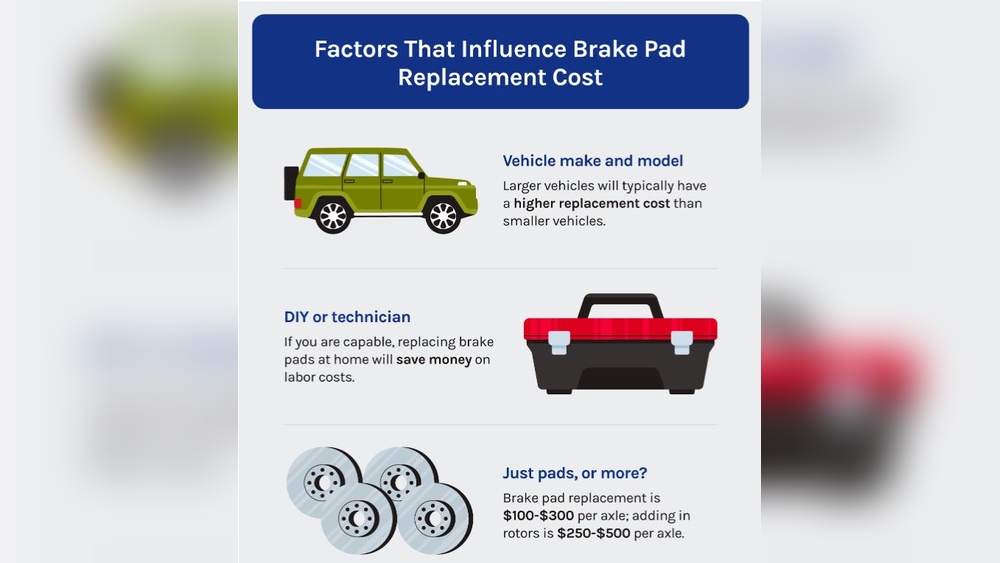
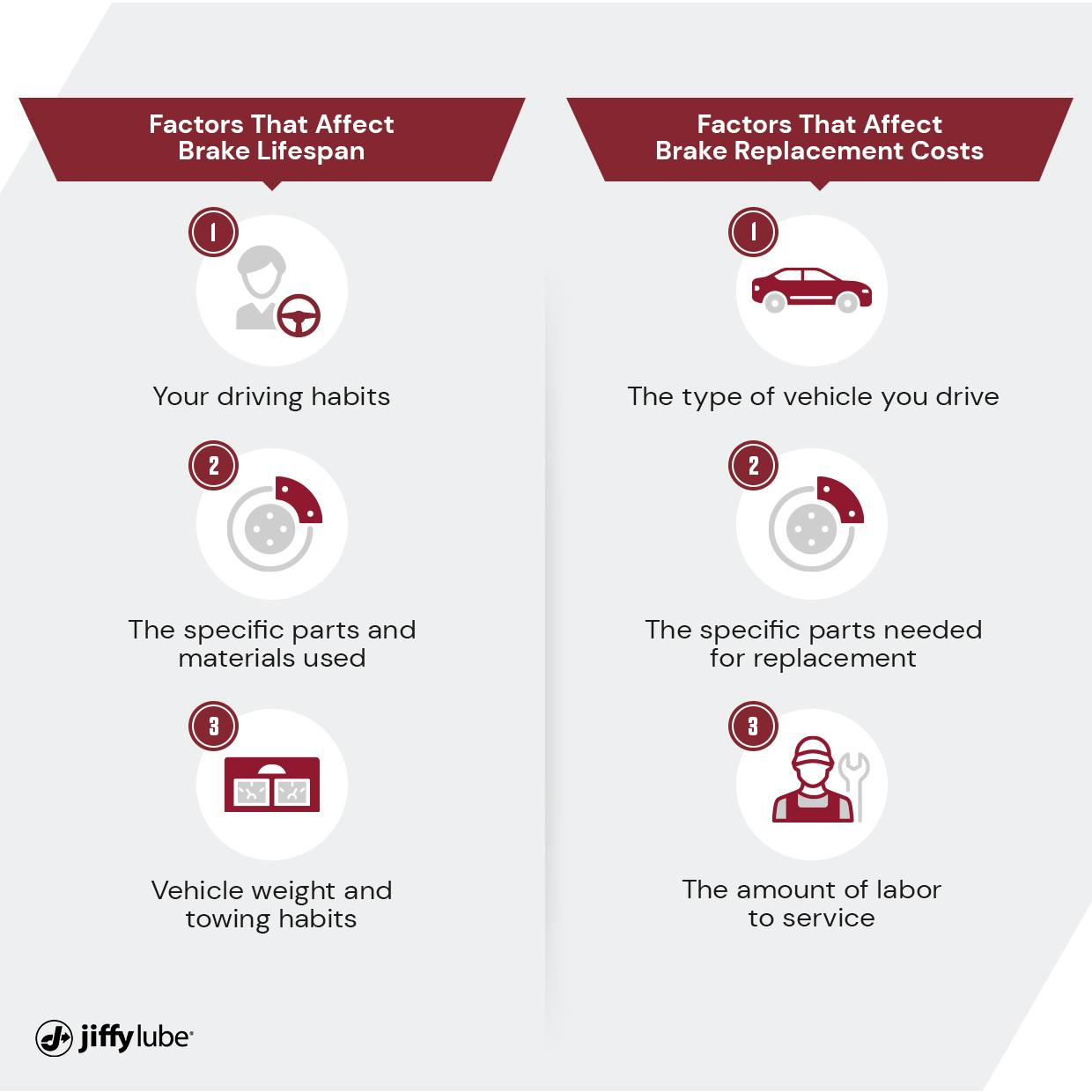
Replacing rear brakes and rotors involves several cost factors. Knowing these helps you plan your budget better. Costs vary based on parts, labor, vehicle type, and quality. Understanding each factor clears confusion and sets the right expectations.
Each part of the brake system affects the total price. Labor charges depend on the mechanic and location. The type of vehicle changes the complexity and price. The quality of parts also impacts how much you pay.
Parts Price Range
Brake pads and rotors come in many price ranges. Basic parts cost less but may wear out faster. Premium parts last longer and perform better but cost more. Prices for rear brake pads usually range from $30 to $100. Rotors can cost between $40 and $150 each. The total parts cost depends on your car model and brand choice.
Labor Charges
Labor fees vary by shop and location. Mechanics charge between $70 and $150 per hour. Rear brake and rotor replacement usually takes 1 to 2 hours. Complex jobs or luxury cars can take longer. Always ask for a clear labor estimate before work starts.
Vehicle Type Impact
Different vehicles need different parts and time to fix. Small cars often have cheaper parts and faster service. Trucks and SUVs may need larger rotors and stronger brakes. Luxury and performance cars require special parts and skills. These factors raise the overall cost.
Quality Of Components
Low-quality parts save money initially but wear out sooner. Mid-range parts offer a balance of price and durability. High-quality components improve safety and last longer. Choosing better parts might cost more now but saves money later. Your driving habits also influence the best choice.
Credit: www.autotechiq.com
Brake Pads Replacement Costs
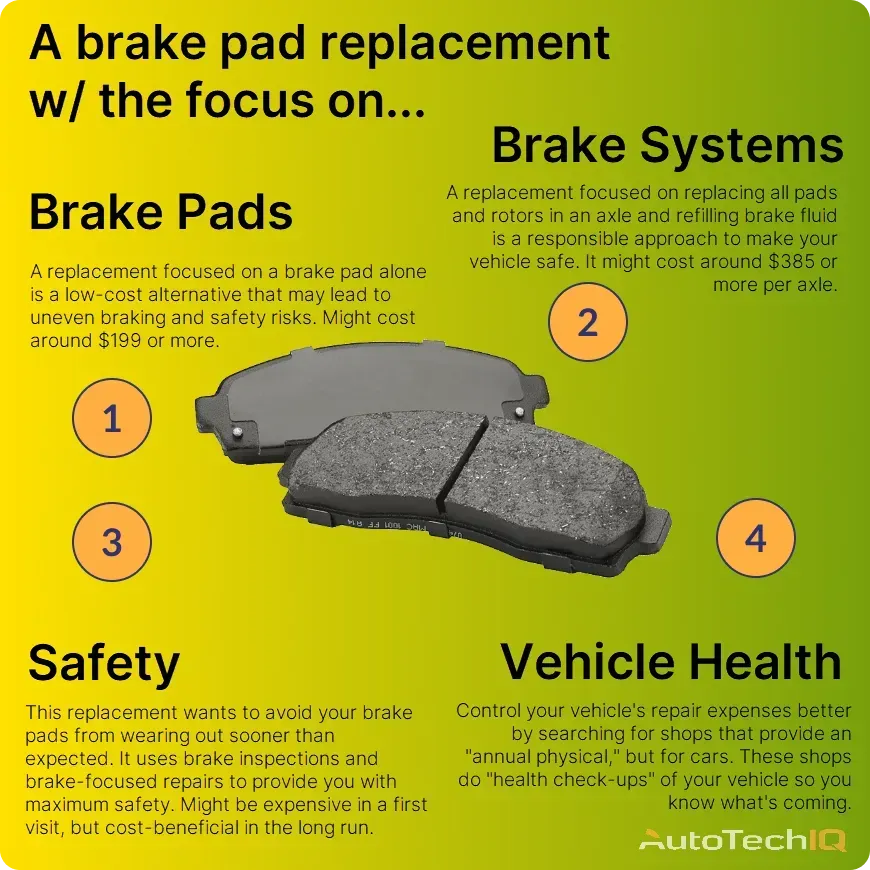
Brake pads replacement costs vary based on several factors. These costs depend on the type of brake pads chosen and the service method. Understanding these costs helps plan your budget better. Knowing the differences can save you money and ensure safety.
Standard Vs Premium Pads
Standard brake pads cost less and suit everyday driving. They wear out faster but offer reliable braking. Premium pads cost more but last longer. They provide better stopping power and create less dust. Choosing depends on your budget and driving needs.
Diy Vs Professional Service
Doing brake pad replacement yourself saves labor costs. You only pay for the parts, which lowers the total cost. This requires some tools and mechanical skill. Professional service includes parts and labor fees. It guarantees safety and proper installation. Many prefer professionals to avoid risks and save time.
Rotor Replacement Expenses
Replacing rear brake rotors is a key part of maintaining your vehicle’s braking system. The cost varies widely depending on the type of rotor and whether you choose new parts or machining services. Understanding these factors helps you plan your budget better. The expenses include the price of the rotor itself and labor charges for installation.
Rotor Types And Prices
Brake rotors come in several types. Standard rotors are the most common and cost between $30 and $75 each. Performance rotors, designed for better heat dissipation, can cost $50 to $150. Drilled or slotted rotors, which improve braking under tough conditions, often cost more, around $70 to $200. The price depends on the material and design. Vehicles with larger rotors, like trucks, usually have higher costs.
Machining Vs New Rotors
Machining means resurfacing the old rotor to make it smooth again. This usually costs $10 to $30 per rotor. It is cheaper than buying new rotors but works only if the rotor is still thick enough and not damaged. New rotors guarantee better performance and safety but cost more. Many mechanics recommend new rotors for the best braking results. Choose machining only if the rotors meet safety standards after resurfacing.
Additional Repair And Maintenance Fees
Replacing rear brakes and rotors involves more than just the main parts. Shops often add extra fees for related repairs and maintenance. These costs keep your braking system working well and safe. Knowing about these fees helps you plan your budget better.
Brake Fluid Replacement
Brake fluid can get old or dirty over time. It affects brake performance and safety. Many mechanics replace the brake fluid during brake service. This service adds a small fee to your bill. Clean brake fluid keeps your brakes working smoothly and prevents damage.
Hardware And Sensor Costs
Brake systems include small parts like clips, springs, and sensors. These parts wear out and may need replacement. Sensors monitor brake functions and alert you to issues. Replacing these parts adds to the total cost. Ignoring them can cause bigger problems later.
Cost Saving Tips
Replacing rear brakes and rotors can be costly. Saving money on this repair is possible with smart choices. Small decisions add up to big savings. Below are key tips to reduce expenses without losing quality.
Choosing The Right Shop
Not all repair shops charge the same. Some offer lower prices for quality work. Ask for quotes from different places. Check reviews to find trusted mechanics. Avoid shops that seem too cheap or too expensive. A fair price with good service saves money in the long run.
Timing Your Replacement
Replace brakes and rotors before they wear out completely. Waiting too long can cause more damage. Early replacement costs less than fixing bigger problems later. Watch for signs like noise or reduced braking power. Regular checks help you plan repairs at the right time.
Aftermarket Vs Oem Parts
Original Equipment Manufacturer (OEM) parts come from the car maker. Aftermarket parts are made by other companies. Aftermarket parts often cost less but quality varies. Choose well-known brands for good performance. Ask your mechanic which parts fit your budget and needs. Proper parts keep your car safe and save money.
Credit: www.ebay.com
Frequently Asked Questions
How Much Does It Cost To Replace Rear Brakes And Rotors?
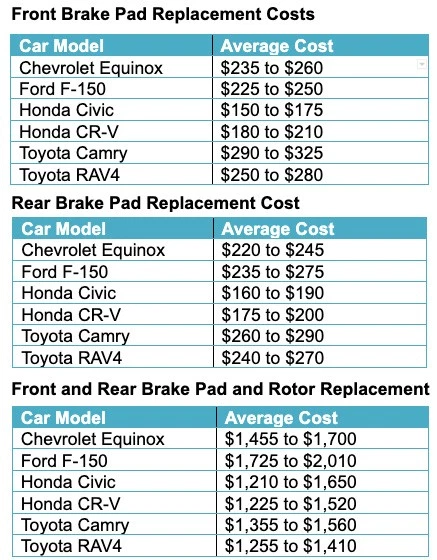
The average cost to replace rear brakes and rotors ranges from $250 to $400. Prices vary depending on vehicle type and labor fees. Parts quality also impacts the total expense. Always get a detailed quote before service.
How Long Does Rear Brake And Rotor Replacement Take?
Replacing rear brakes and rotors usually takes 1 to 2 hours. The duration depends on vehicle model and mechanic experience. Quick service shops may complete it faster. Scheduling an appointment helps avoid wait times.
Can I Replace Rear Brakes And Rotors Myself?
Yes, if you have basic mechanical skills and tools. Ensure safety by following a repair manual or video guide. DIY replacement saves labor costs but requires time and care. Improper installation risks safety and vehicle damage.
What Signs Indicate Rear Brakes And Rotors Need Replacement?
Common signs include squealing, grinding noises, vibration, and reduced braking efficiency. A brake warning light on the dashboard may also appear. Regular inspections help catch wear early. Timely replacement ensures safe driving.
Conclusion
Replacing rear brakes and rotors costs vary by car and parts quality. Expect to pay between $200 and $400 for standard replacements. Choosing better parts can increase the price but improve safety. Regular brake checks help avoid costly repairs later.
Proper maintenance keeps your vehicle safe on the road. Remember, brake health is key for smooth driving and quick stops. Stay aware of signs like squeaking or poor braking. Taking care of brakes protects you and others while driving.


