
You’ve just noticed wax smeared over a bad paint job on your car, and it’s driving you crazy. It’s frustrating to see your car’s finish look worse instead of better.
But don’t worry—you can fix this. Removing wax from a poorly painted surface might seem tricky, but with the right steps, you’ll restore your car’s look without causing more damage. Keep reading, and you’ll learn exactly how to get wax off your car’s bad paint job safely and effectively.

Credit: www.reddit.com
Assessing The Wax Situation
Before removing wax from a car with a bad paint job, assess the wax situation carefully. Understanding the wax and paint condition helps avoid more damage. Take your time to check the surface closely.
Check if the wax is thick or thin, fresh or old. Observe how it sticks to the paint and how it affects the look of the car.
Identifying Wax Residue On Paint
Look for shiny or cloudy patches on the paint. Wax residue often leaves streaks or smudges. Run your hand lightly over the surface. A waxy feel means residue is present. Sometimes, the residue looks white or chalky, especially in sunlight. Note these areas for careful cleaning.
Evaluating Paint Condition
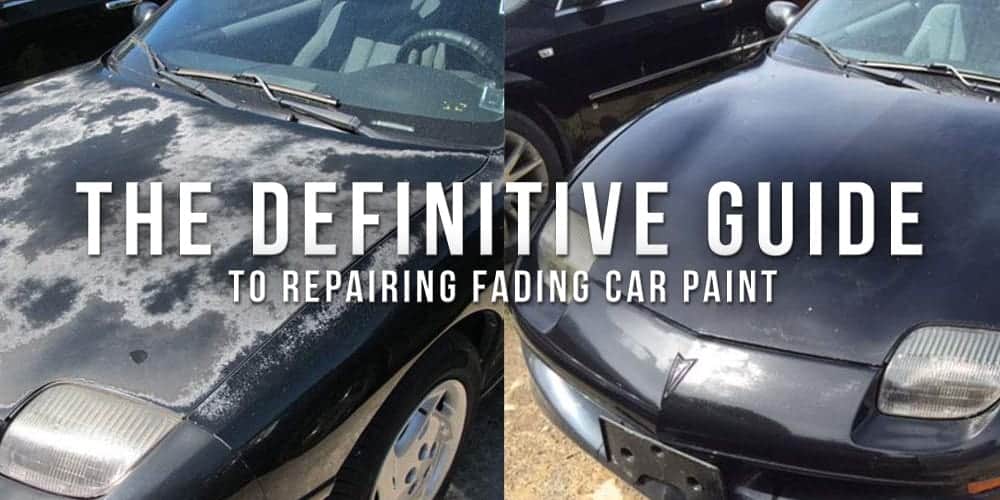
Check for scratches, peeling, or fading under the wax. A bad paint job may have uneven color or rough spots. Gently press with your fingertip to sense bumps or flakes. Paint damage can worsen if you scrub too hard. Knowing the paint’s condition guides your wax removal method. Be gentle on weak or damaged paint.

Credit: www.reddit.com
Gathering Necessary Supplies
Removing wax from a bad paint job needs the right supplies. Using proper tools and products helps avoid damage. Gather everything before starting. This saves time and makes the process easier. Prepare well to protect your car’s paint.
Choosing The Right Cleaning Products
Select gentle cleaners made for automotive paint. Avoid harsh chemicals that harm the surface. Look for wax removers or mild solvents. Products labeled safe for clear coats work best. Test any product on a small area first. This checks for bad reactions or discoloration.
Tools For Wax Removal
Soft microfiber cloths are ideal for wiping off wax. They prevent scratches and absorb wax residue well. Use foam applicator pads to apply cleaners evenly. Avoid rough sponges or brushes that can scratch paint. A plastic scraper can help lift thick wax gently. Always use tools with care to protect the paint.
Step-by-step Wax Removal
Removing wax from a bad paint job requires care and patience. Follow these clear steps to clean your car surface safely. Each step helps protect the paint while removing unwanted wax. Use the right tools and products for the best results.
Prepping The Car Surface
Start by washing the car with mild soap and water. Remove dirt and dust completely. Dry the surface with a soft cloth. This prevents scratching during wax removal. Work in a shaded area to avoid quick drying.
Applying Wax Remover Solutions
Choose a wax remover made for cars. Apply a small amount on a clean microfiber cloth. Rub the wax remover gently on the affected areas. Use circular motions for even coverage. Let the product sit for a few minutes. Wipe off the wax with a clean cloth.
Using Clay Bars For Stubborn Wax
Clay bars help remove wax stuck in rough paint spots. Spray a clay lubricant on the surface. Rub the clay bar lightly over the waxy areas. The bar picks up residues without harming paint. Wipe the area clean after claying. Repeat if wax still remains.
Polishing After Wax Removal
Polishing smooths the paint after wax removal. Use a gentle polish with a soft cloth or buffer. Work in small sections with light pressure. Polish enhances shine and removes minor imperfections. Finish by wiping the surface clean and dry.
Credit: avalonking.com
Preventing Damage During Wax Removal
Removing wax from a car with a bad paint job needs careful attention. Wax can stick to rough or damaged paint, making removal tricky. Preventing further damage is important to keep the car looking better. Use gentle methods to protect the paint surface during the process.
Choosing the right tools and techniques helps avoid scratches and peeling. Taking your time and being gentle can save the paint from getting worse. This section explains how to prevent damage while removing wax.
Avoiding Abrasive Materials
Never use rough cloths or hard brushes. These materials can scratch or wear down paint. Avoid steel wool, scrapers, or stiff brushes. Use soft microfiber towels or foam applicators instead. These materials clean without harming the paint surface. Choose products labeled safe for automotive paint.
Test any new cloth or pad on a small spot first. Watch for signs of scratching or fading. Gentle materials keep the paint intact during wax removal.
Proper Technique To Protect Paint
Apply wax remover with light pressure and small circles. Do not scrub hard or use fast, rough movements. Work in shaded areas to avoid quick drying. Use clean, damp towels to wipe away wax slowly. Change towels often to avoid rubbing dirt into the paint.
Let the remover sit for a few minutes but do not let it dry. Rinse with water before wiping dry to reduce residue. These steps protect fragile paint from peeling or further damage.
Alternative Methods To Remove Wax
Removing wax from a bad paint job can be tricky. Sometimes, usual cleaners do not work well. Alternative methods can help soften or dissolve the wax safely. These methods protect the paint while clearing wax buildup. Below are two simple ways to remove wax effectively.
Using Heat For Wax Softening
Heat can make wax soft and easier to remove. Use a hairdryer on low heat and hold it a few inches from the surface. Warm the wax gently for a few minutes. The wax will become soft and sticky. Then, wipe it off with a clean, soft cloth. Avoid using too much heat. Too much heat can damage the paint further. This method is quick and requires tools found at home.
Homemade Wax Removal Remedies
Household items can help remove wax without harsh chemicals. Mix equal parts of water and white vinegar in a spray bottle. Spray the mixture onto the waxed area. Let it sit for a few minutes to break down the wax. Use a microfiber cloth to wipe the wax away gently. Another option is rubbing alcohol on a soft cloth. Dab the waxed spot lightly until the wax lifts. These remedies are safe for most paint types but test on a small spot first.
Post-removal Care
Removing wax from a bad paint job is only the first step. Proper care after removal keeps your car’s surface safe and looking good. The paint needs protection and regular upkeep to avoid damage and dullness. Post-removal care restores shine and prevents further issues.
Reapplying Protective Coating
After wax removal, the paint loses its shield against dirt and moisture. Apply a new protective coating to guard the surface. Use a quality sealant or wax designed for your car’s paint type. This layer stops contaminants from sticking and fading the paint. A fresh coating also improves shine and smoothness.
Maintaining Paint Health
Keep the paint clean to avoid buildup of grime and stains. Wash your car regularly with gentle soap and water. Avoid harsh chemicals that strip protection or harm the paint. Use soft cloths or sponges to prevent scratches. Check the paint often for chips or cracks and fix them fast.
Frequently Asked Questions
How Can I Safely Remove Wax From Bad Paint?
Use a gentle wax remover or clay bar to avoid damaging paint. Test a small area first. Clean with microfiber cloth and polish afterward.
Will Rubbing Alcohol Remove Wax Without Harming Paint?
Rubbing alcohol can remove wax, but use it diluted and sparingly. Avoid prolonged contact to prevent paint damage. Always rinse and dry the surface.
Can Bad Paint Affect Wax Removal Results?
Yes, damaged paint may not respond well to wax removal. Be extra gentle and consider professional help if paint is severely compromised.
What Tools Are Best For Removing Wax From Bad Paint?
Use soft microfiber cloths, clay bars, and mild wax removers. Avoid abrasive tools to prevent scratching or worsening the paint condition.
Conclusion
Removing wax from a bad paint job takes patience and care. Use gentle cleaners and soft cloths to avoid damage. Test any product on a small area first. Work slowly to protect the paint underneath. Fixing the surface afterward helps restore shine and smoothness.
Taking these steps keeps your car looking better for longer. Small efforts make a big difference in car care. Keep your paint safe and avoid harsh scrubbing. Your car deserves gentle treatment to look its best.


