
You want your car to look its best every time you hit the road. Waxing your car at a car wash is an easy way to protect the paint and make your vehicle shine like new.
But how do you do it right? If you’ve ever wondered how to wax a car at a car wash without wasting time or money, this guide is for you. Keep reading to discover simple steps and insider tips that will help you get a smooth, long-lasting finish—making your car stand out wherever you go.
Choosing The Right Wax
Choosing the right wax is key to a shiny car finish. Wax protects paint and makes it look fresh. Picking the correct type can save time and improve results. Different waxes suit different cars and paints. Understanding these options helps you make the best choice.
Types Of Car Wax
Car wax comes in many forms. Paste wax offers a thick, rich layer of protection. Liquid wax is easy to spread and dries fast. Spray wax provides quick shine but may last shorter. Each type has its own benefits and fits different needs.
Synthetic Vs. Natural Wax
Synthetic wax is made with chemicals for longer protection. It lasts months and resists water well. Natural wax often uses carnauba from palm leaves. It gives a deep, warm shine but wears off sooner. Choose based on how long you want the shine to last.
Best Wax For Different Paints
Dark paint needs wax that enhances depth and gloss. Light paint benefits from wax that adds brightness. Matte paint requires special wax to keep the finish without shine. Check your car’s paint type and pick wax that matches its needs.
Credit: washnwhips.com
Preparing Your Car
Preparing your car before waxing is very important. It helps the wax stick better and last longer. Taking the time to prepare ensures a smooth, shiny finish. Start with cleaning and checking your car carefully.
Washing And Drying
Start by washing your car to remove dirt and dust. Use a gentle car shampoo to avoid scratches. Rinse thoroughly with clean water. Dry your car with a soft microfiber towel. Avoid air drying to stop water spots.
Removing Surface Contaminants
Check for bugs, tar, and tree sap on the paint. Use a clay bar or special cleaner to remove them. These contaminants can stop wax from sticking properly. Clean surfaces help wax to smooth out and shine.
Checking For Paint Damage
Look closely for scratches, chips, or peeling paint. Waxing over damage can make problems worse. Fix minor scratches before waxing if possible. Clean and dry damaged areas carefully to avoid further harm.
Waxing Tools And Materials
Waxing a car at a car wash needs the right tools and materials. These items help protect the paint and give a shiny finish. Using proper tools makes the waxing process easier and better. Each tool has a special role in waxing your car.
Applicator Pads And Towels
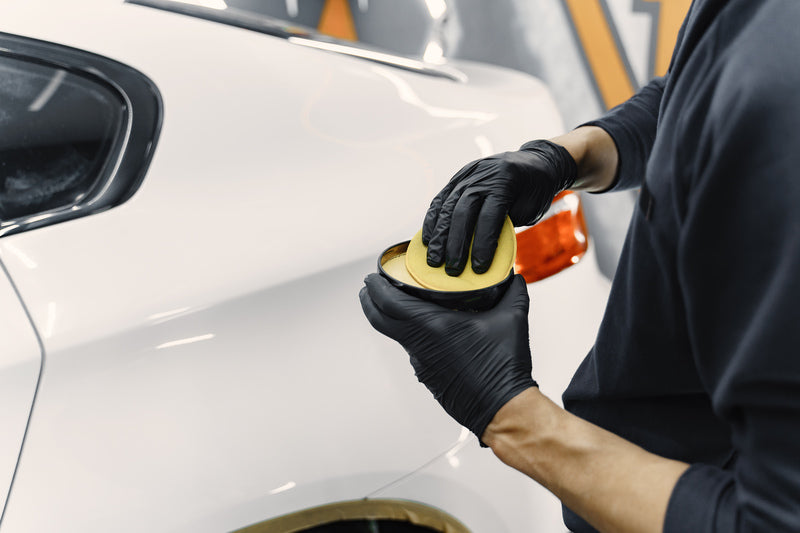
Applicator pads spread wax evenly on the car’s surface. Choose soft, foam pads to avoid scratches. Use microfiber towels to remove wax gently. These towels absorb wax without leaving lint. Clean towels help you see the car’s true shine.
Using Buffers Safely
Buffers speed up waxing and make it smooth. Pick a buffer with variable speed control. Use a soft pad attachment to protect the paint. Keep the buffer moving to avoid heat spots. Always start with a low speed for better control.
Protective Gear
Wear gloves to protect your skin from chemicals. Use safety glasses to keep wax out of your eyes. Wear old clothes to avoid stains. Good gear keeps you safe and comfortable during waxing. It also helps keep your work clean and tidy.
Step-by-step Waxing Process
Waxing your car at a car wash is simple with the right steps. Following a clear process helps protect your car’s paint and adds a deep shine. Each step matters to get the best result and keep your car looking fresh.
Applying Wax Evenly
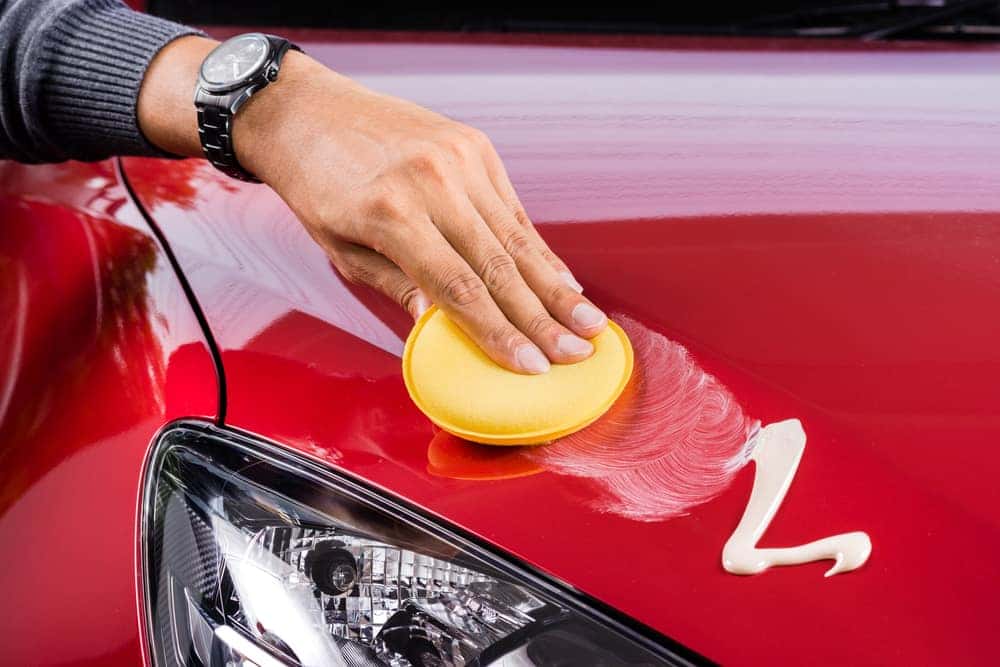
Start with a clean, dry car surface. Use a foam applicator or microfiber cloth to spread wax. Work in small sections for better control. Apply thin, even layers using circular motions. Avoid thick or uneven patches that can leave streaks.
Allowing Proper Drying Time
Let the wax dry before buffing. This usually takes a few minutes. The wax will look hazy or cloudy when ready. Do not rush this step. Proper drying helps the wax bond well with the paint.
Buffing For Maximum Shine
Use a clean microfiber towel to buff the wax. Work with gentle, circular movements. Remove all residue for a smooth finish. Buffing brings out a deep, glossy shine. Check for missed spots and touch up if needed.
Waxing Tips At A Car Wash
Waxing your car at a car wash can keep its paint shiny and protected. Knowing some simple tips helps you get the best results. These tips make waxing easier and more effective. Follow these steps to keep your car looking great without much hassle.
Understanding how to use the car wash tools and timing your waxing session well can make a big difference. Avoid common mistakes that reduce the shine or damage the paint. Let’s explore some important tips for waxing at a car wash.
Maximizing Facility Resources
Use the wax options provided by the car wash. Some car washes have special wax machines or spray wax. Apply wax evenly using the tools they offer. Bring a microfiber cloth to wipe off any excess wax. Use the drying area to help the wax set properly. Take advantage of free air blowers to speed up drying. Make sure to follow the instructions posted at the car wash.
Avoiding Common Mistakes
Do not wax a dirty car. Dirt can scratch the paint during waxing. Avoid waxing in direct sunlight to prevent streaks. Do not use too much wax; a thin layer works best. Avoid rubbing the wax too hard to protect the paint. Do not skip rinsing the car fully before waxing. Avoid wax products not made for your car’s paint type.
Timing Your Waxing Session
Wax your car after it is fully dry. This helps the wax stick better. Choose a time when the car wash is less busy. Early mornings or late evenings work well. Avoid waxing just before rain to keep the wax fresh. Allow enough time for the wax to dry before driving. Plan your visit so you can wax and dry without rushing.

Credit: www.ueautotechs.com
Maintaining The Waxed Finish
Maintaining the waxed finish on your car keeps it looking fresh and shiny longer. Wax protects the paint from dirt, rain, and sun damage. Proper care helps the wax last and keeps your car’s surface smooth. Simple daily habits make a big difference in preserving the wax layer.
Regular Washing Techniques
Use a soft sponge or microfiber cloth to wash your car. Choose a mild car shampoo that does not strip wax. Avoid harsh soaps or dish detergents. Rinse the car thoroughly to remove all soap residue. Wash in the shade to prevent water spots. Dry the car with a clean towel or chamois.
Spot Cleaning And Touch-ups
Remove bird droppings, tree sap, or bugs quickly. These can damage the wax and paint if left too long. Use a gentle cleaner made for cars. Dab the spot gently without rubbing hard. After cleaning, apply a small amount of wax to the area. This helps keep the finish even and protected.
When To Reapply Wax
Check your car’s surface regularly for dullness or water spots. These signs mean the wax is wearing off. Typically, reapply wax every three months for best results. In harsh weather, wax may need more frequent application. Always follow the wax product instructions for timing and method.
Troubleshooting Waxing Issues
Waxing a car at a car wash can sometimes cause small problems. These problems might make your car look less shiny or neat. Fixing these problems is easy if you know what to do. This section will help you solve common waxing issues quickly. Follow these tips to keep your car looking great after waxing.
Dealing With Streaks And Smudges
Streaks and smudges happen when wax is not spread evenly. Use a clean, soft microfiber cloth to buff the surface. Wipe in small circles to remove streaks. Avoid using rough towels that can scratch the paint. If streaks stay, apply a little more wax in thin layers. Patience is key for a smooth finish.
Removing Excess Wax
Too much wax can make the car surface sticky or dull. Use a dry microfiber cloth to gently wipe off extra wax. Work in sections to avoid missing spots. Do not rub hard; this can damage the paint. If wax feels thick, use a wax remover product made for cars. This helps clear off heavy buildup safely.
Fixing Uneven Coverage
Uneven coverage makes some parts shinier than others. Apply wax evenly by using small amounts at a time. Use circular motions and overlap each area slightly. Check the surface under good light to spot missed spots. Reapply wax on thin areas for balance. This method ensures a uniform shine everywhere.
Credit: www.toyotaofnorthcharlotte.com
Frequently Asked Questions
How Often Should I Wax My Car At A Car Wash?
Wax your car every 3 to 4 months at a car wash. Frequent waxing protects paint and adds shine. This schedule balances maintenance and cost-effectiveness for most vehicles.
Can I Wax My Car Myself At A Car Wash?
Yes, many car washes offer self-waxing stations. Use provided wax and follow instructions carefully. Self-waxing saves money and allows personalized care.
What Type Of Wax Is Best For Car Washes?
Choose a spray or liquid wax designed for automatic or self-service car washes. These waxes spread evenly, dry fast, and protect paint. Avoid heavy paste wax in car wash settings.
Will Waxing At A Car Wash Protect Against Weather?
Waxing at a car wash forms a protective layer on your car’s paint. This layer shields against UV rays, rain, and dirt. Regular waxing improves long-term vehicle appearance and durability.
Conclusion
Waxing a car at a car wash keeps your paint shiny and protected. Follow the steps carefully for best results. Use a clean cloth and wax in small sections. Avoid waxing in direct sunlight or on a hot surface. Regular waxing helps your car look new longer.
It also makes washing easier next time. Take your time and enjoy the process. A little effort brings a big difference to your car’s appearance. Keep your car looking great with simple, regular waxing.

