

Towing an AWD car might seem tricky, but with the right steps, you can do it safely and without causing damage. If you’ve ever wondered how to tow your all-wheel-drive vehicle properly, this guide is made just for you.
You’ll learn simple, clear instructions that protect your car and keep you worry-free. Ready to make sure your AWD car gets where it needs to go without a hitch? Keep reading, and you’ll discover everything you need to know.
Preparing Your Awd Car For Towing
Preparing your AWD car for towing is important to avoid damage. AWD systems are different from two-wheel drive. They need special care before towing. Follow these steps to get your car ready and tow it safely.
Check The Owner’s Manual
Start by reading the owner’s manual. It has specific towing rules for your AWD car. Some cars need special equipment or towing methods. The manual tells you if flat towing is allowed or if a trailer is better. Follow these instructions closely to protect your car’s drivetrain.
Gather Necessary Equipment
Collect all equipment needed for towing. You may need a tow dolly, flatbed trailer, or tow bar. Safety chains and wheel straps are also important. These keep the car secure during the tow. Use the right tools to avoid damage and ensure safety on the road.
Inspect Tires And Fluids
Check the tires for proper inflation and condition. Underinflated or worn tires can cause problems during towing. Also, check the fluid levels like oil, coolant, and brake fluid. Proper fluids keep the car running well if you need to move it a short distance. Fix any issues before starting the tow.
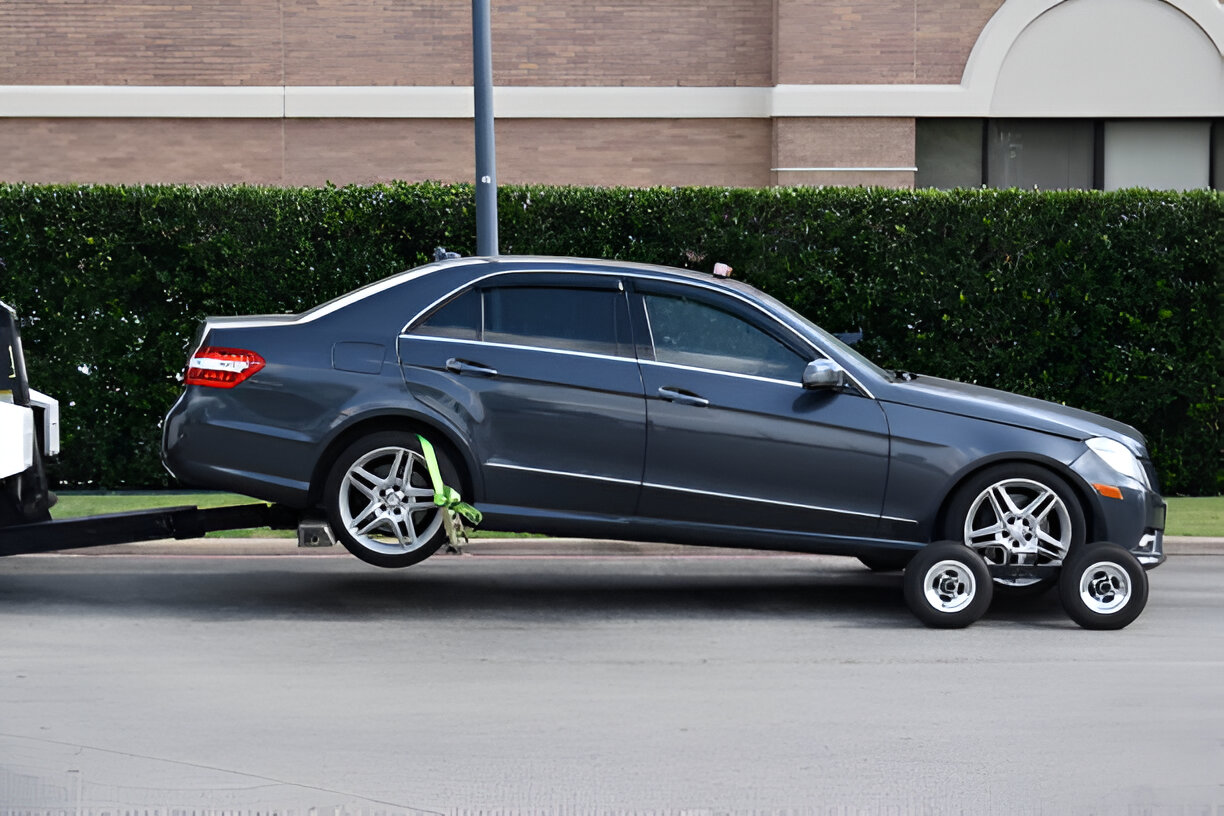
Credit: quality1sttowing.com
Choosing The Right Towing Method
Choosing the right towing method is important for your AWD car’s safety. AWD vehicles have power going to all wheels. This affects how you tow them. The wrong method can damage the drivetrain or tires. Knowing the best way protects your car and makes towing easier.
Flatbed Towing
Flatbed towing is the safest method for AWD cars. The entire car sits on a flat trailer. None of the wheels touch the road. This stops any damage to the AWD system. Tow trucks with flatbeds are common at repair shops. This method is ideal for long distances and heavy vehicles.
Dollies And Tow Bars
Dollies lift either the front or rear wheels off the ground. The other wheels roll on the road. Tow bars connect your car to the towing vehicle. This method can work if you lift the drive wheels. Check the owner’s manual to see which wheels to lift. Incorrect use can cause damage to the AWD system.
Tow Behind Another Vehicle
Towing your AWD car behind another vehicle is tricky. The car’s wheels touch the road and roll freely. This may cause damage unless done correctly. Use a flat tow setup only if the manual allows it. Otherwise, use a flatbed or dollies to prevent harm. Always follow manufacturer guidelines to keep your car safe.
Setting Up The Awd Car
Setting up an all-wheel-drive (AWD) car before towing is very important. AWD systems can be damaged if the car is not prepared correctly. This section explains the steps to get your AWD car ready for towing. Follow each step carefully to protect your vehicle.
Engage Neutral Or Park
Start by shifting the gear into neutral or park. This reduces stress on the transmission during towing. Most AWD cars should be in neutral to allow the wheels to turn freely. Check your owner’s manual for the correct gear position before towing.
Disable The Awd System
Turn off the AWD system if your car has an option to disable it. This prevents damage to the drive components while the vehicle moves. Some cars have a button or switch for this purpose. If unsure, consult the manual or a professional.
Secure The Vehicle Properly
Use strong straps or chains to secure the car to the tow truck or trailer. Attach them to the designated towing points on your vehicle. Make sure the car is stable and will not move during transport. Double-check all connections before driving.

Credit: www.youtube.com
Driving Tips During Towing
Towing an AWD car requires careful driving to keep everyone safe. The extra weight and different handling can change how the vehicle moves. Follow these tips to drive smoothly and avoid problems while towing.
Maintain Safe Speeds
Drive slower than usual. High speeds increase risk of losing control. Stick to speed limits for towing or lower. This helps keep the car stable on the road.
Avoid Sudden Movements
Steer gently and brake softly. Sudden turns or stops can cause the trailer to sway. Smooth actions reduce stress on the towing setup and improve control.
Monitor Towing Equipment
Check the hitch and straps often. Make sure everything stays tight and secure. Stop regularly to inspect the connection and tires. Fix any issues before driving again.
Common Mistakes To Avoid
Towing an AWD car requires care and attention. Avoiding common mistakes helps protect your vehicle and ensures safe towing. These errors can cause damage or accidents. Knowing what to avoid makes the process smoother and safer.
Ignoring Manufacturer Guidelines
Every AWD car has specific towing rules. Ignoring these guidelines risks damage to the drivetrain. Check the owner’s manual before towing. Follow the recommended methods and limits strictly. Using the wrong towing style can lead to costly repairs.
Overloading The Towing Vehicle
Do not overload the vehicle pulling your AWD car. Overloading reduces control and increases wear on brakes and tires. Know your towing vehicle’s capacity. Keep weight within limits for safe handling. Excess weight can cause accidents or mechanical failure.
Neglecting Safety Checks
Safety checks prevent accidents during towing. Inspect tires, lights, and connections before you start. Confirm the tow hitch is secure and properly attached. Check brakes and signals on both vehicles. Skip these steps and risk dangerous failures on the road.

Credit: greentowing-losangeles.com
Post-towing Maintenance
After towing an AWD car, it is important to perform some maintenance steps. These steps help keep your vehicle safe and working well. Skipping post-towing checks can lead to problems later.
Inspect For Damage
Look closely at the car for any visible damage. Check the tires, suspension, and body for signs of stress or cracks. Examine the undercarriage for scrapes or leaks. Early detection prevents costly repairs.
Check Awd System Functionality
Test the all-wheel-drive system after towing. Drive slowly on a safe road and notice any unusual noises or vibrations. Ensure the system engages smoothly. Problems here can affect handling and safety.
Schedule Professional Service
Take the car to a mechanic soon after towing. Professionals can inspect the drivetrain and electronics deeply. They can find hidden issues and fix them early. This keeps your AWD system reliable and extends vehicle life.
Frequently Asked Questions
How Do You Safely Tow An Awd Car?
To safely tow an AWD car, use a flatbed trailer or tow dolly. Avoid towing with all wheels on the ground to prevent drivetrain damage.
Can You Tow An Awd Car With All Wheels Down?
No, towing an AWD car with all wheels down can damage the transmission and drivetrain components. Use a flatbed or dolly instead.
What Equipment Is Best For Towing Awd Vehicles?
A flatbed trailer or a tow dolly is best for towing AWD vehicles. These methods prevent damage to the drivetrain and ensure safe transport.
Should I Disconnect The Driveshaft When Towing Awd Cars?
Disconnecting the driveshaft is not recommended for most AWD cars. Instead, use appropriate towing equipment like flatbeds to avoid mechanical issues.
Conclusion
Towing an AWD car needs care and the right method. Always check your car’s manual before towing. Use the correct equipment to avoid damage. Keep the drive wheels off the ground if possible. Take it slow and steady on the road.
Knowing these steps helps you tow safely and protect your vehicle. Remember, safe towing saves money and stress. Stay calm and follow the rules for the best results.


