Have you ever wondered how many rotors your car actually needs? Whether you’re a new driver or just curious about your vehicle’s brakes, understanding this can save you time, money, and stress.
Knowing the right number of rotors is key to keeping your car safe and running smoothly. Keep reading, because what you learn here could change the way you think about your car’s braking system forever.
Brake Rotor Basics
Brake rotors are a key part of a car’s braking system. They work with brake pads to stop the vehicle safely. Understanding the basics of brake rotors helps you know why they matter. It also shows how different types serve various driving needs.
Rotors must be in good shape to keep brakes effective. Worn or damaged rotors can cause longer stopping distances and unsafe driving. Knowing what rotors do and their types helps you make smart choices for car care.
Purpose Of Rotors
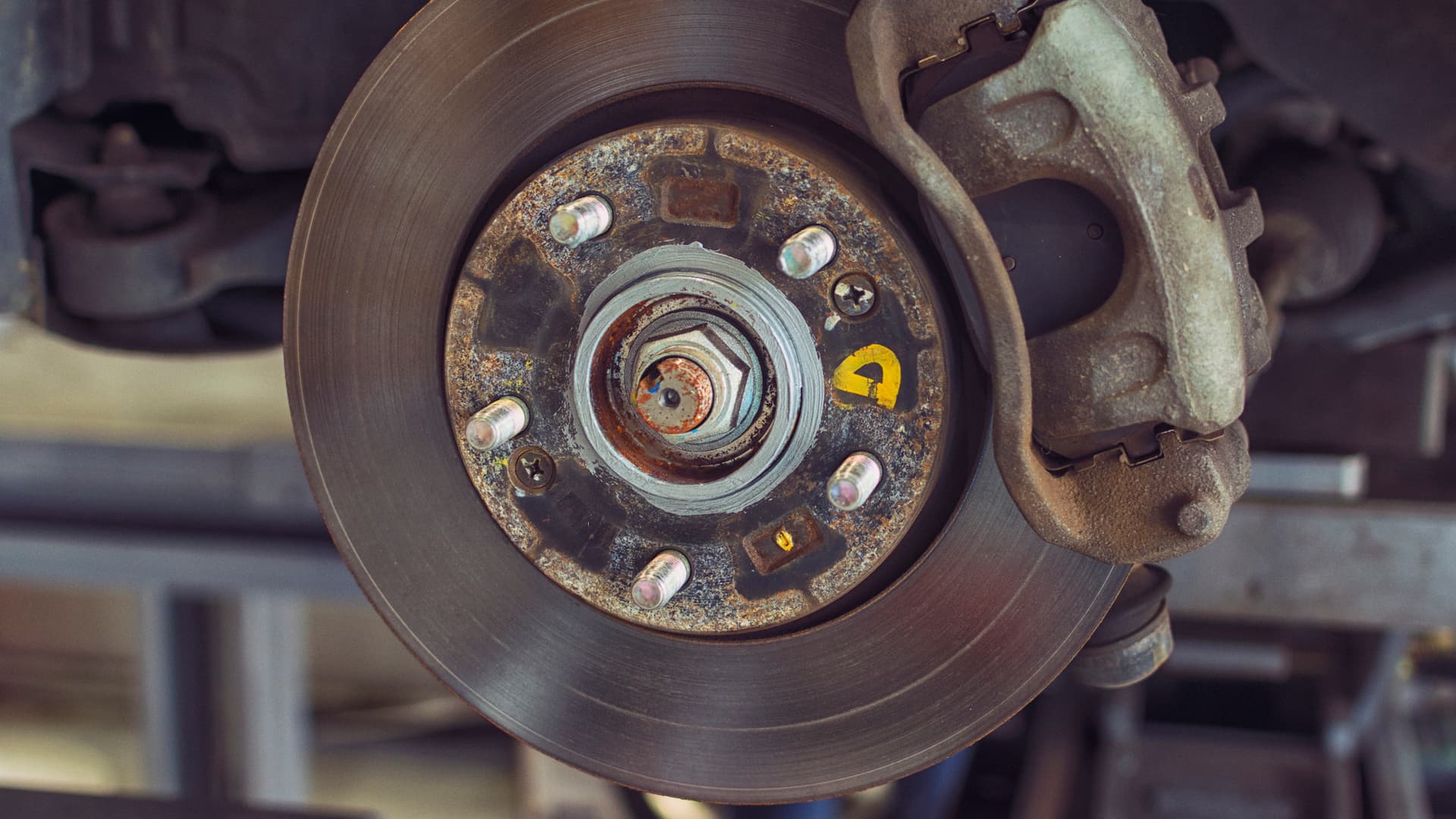
Rotors provide a surface for brake pads to press against. This friction slows down the wheels and stops the car. They turn with the wheels and spin inside the brake calipers. When you press the brake pedal, the calipers squeeze the pads onto the rotors.
This action turns the vehicle’s motion into heat. The heat then spreads out through the rotor’s metal. Good rotors cool down quickly to keep brakes working well. Without rotors, the car could not stop safely or smoothly.
Types Of Rotors
There are several rotor types, each with unique features. Solid rotors are simple discs often found on smaller or older cars. They are easy to replace but can get hot fast.
Vented rotors have channels inside to help cool faster. These are common in modern cars and trucks for better heat management. Slotted rotors have grooves on the surface to clear dust and gas. This improves brake performance in tough conditions.
Drilled rotors feature holes that also help with cooling and water removal. They are popular in sports cars but may wear faster. Choosing the right rotor type depends on your car and driving style.
Standard Rotor Configuration
Car rotors are key parts of the braking system. They help slow down or stop the car safely. Most cars use a simple and common rotor setup. This setup balances safety, cost, and performance well.
Understanding the typical rotor layout helps car owners and drivers know what to expect. It also helps when choosing parts for repairs or upgrades. The standard rotor configuration usually involves rotors on both front and rear wheels.
Front Vs Rear Rotors
Front rotors are larger and handle more braking force. This is because the car’s weight shifts forward during braking. Larger front rotors help stop the car faster and keep control. Rear rotors are smaller and support the front brakes. They provide balance and stability during stops. Both sets work together for safe braking.
Number Of Rotors On Typical Cars
Most cars have four rotors—one on each wheel. This setup ensures even braking power across all wheels. Some older or smaller cars may have only two rotors at the front. The rear wheels might use drum brakes instead. However, four rotors are common in modern vehicles. This helps improve braking performance and safety overall.
Factors Influencing Rotor Quantity
The number of rotors a car needs depends on several key factors. These factors affect how the braking system works and how safe the car is. Understanding these helps explain why some cars have more rotors than others.
Different cars require different setups. The size, weight, and purpose of the car all play a role. The design of the brake system also matters. Lastly, how much performance is needed changes the rotor count too.
Vehicle Size And Weight
Heavier and larger vehicles need more braking power. More rotors help slow down these cars safely. Small cars often use two rotors, one on each front wheel. Larger trucks or SUVs might have four or more to handle the extra load.
Brake System Design
The brake system design sets how many rotors are used. Some cars use disc brakes on all wheels, meaning four rotors. Others use a mix of disc and drum brakes. This design choice depends on cost and performance needs.
Performance Requirements
Sports cars and high-speed vehicles need more stopping power. They usually have four rotors for better control and safety. Everyday cars might need fewer rotors because they drive slower. More rotors help prevent brake fade during hard stops.
Credit: urbsgarage.com
Rotor Materials And Durability
Rotors are a key part of a car’s braking system. The material used for rotors affects their strength and how long they last. Knowing about rotor materials helps in choosing the best for your car. Durability matters for safe driving and fewer repairs.
Common Materials Used
Most rotors are made from cast iron. It is strong and holds heat well. Some rotors use steel or carbon composites. Carbon rotors are light and resist heat better. They are common in sports cars. Steel rotors last long but can rust easily. Each material has pros and cons. The choice depends on driving style and car type.
Impact On Brake Performance
Rotor material affects how brakes feel and work. Cast iron offers good stopping power and heat control. Carbon rotors cool faster and reduce brake fade. Steel rotors handle heavy use but may heat unevenly. Better materials improve safety and control. Poor materials may wear out quickly or cause noise. Strong, durable rotors keep braking smooth and reliable.
Maintenance And Replacement
Proper maintenance and timely replacement of car rotors keep your brakes working well. Rotors wear down over time and affect stopping power. Knowing the signs of worn rotors helps avoid bigger problems.
Ignoring rotor care can cause noise, vibration, and poor brake performance. Regular checks and replacement improve safety and extend the life of your braking system.
Signs Of Worn Rotors
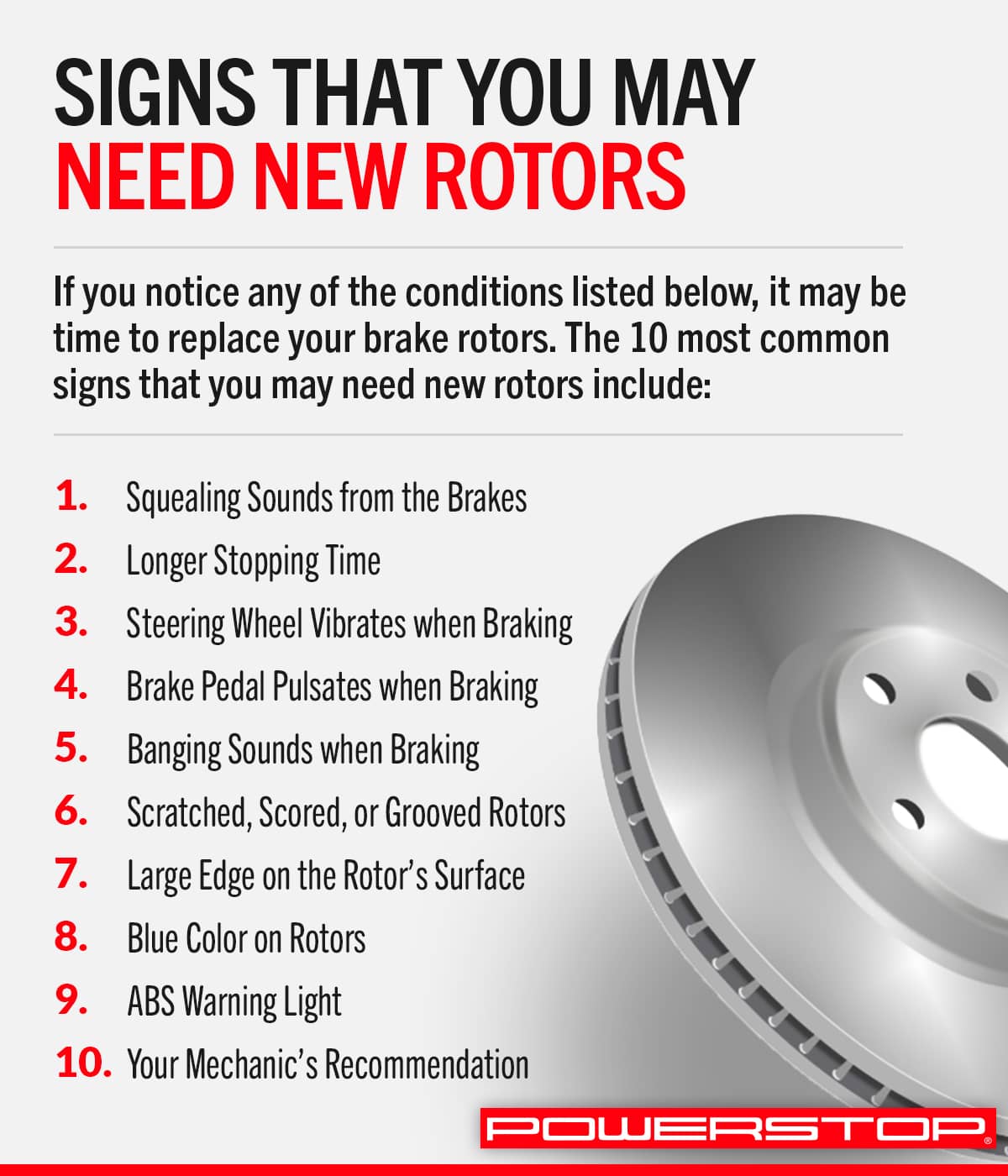
Rotors show wear in several ways. You may hear a squealing or grinding noise when braking. The brake pedal might feel less firm or pulsate.
Vibrations or shaking in the steering wheel during braking also suggest rotor issues. Visible grooves or cracks on the rotor surface indicate damage.
When To Replace Rotors
Replace rotors if you notice deep grooves, cracks, or warping. Also change them if the rotor thickness is below the manufacturer’s limit.
Rotors usually last between 30,000 and 70,000 miles, depending on driving habits. Always replace rotors in pairs to maintain balanced braking.

Credit: www.jdpower.com
Advanced Brake Systems
Advanced brake systems improve car safety and performance. They use more parts and better materials. These systems help cars stop faster and safer. Understanding these brakes helps you know how many rotors a car needs.
Modern cars mostly use disc brakes. Some still have drum brakes. Both types work differently and affect rotor count.
Disc Vs Drum Brakes
Disc brakes have a rotor and caliper. The caliper squeezes the rotor to stop the car. Most cars have disc brakes on all four wheels or just the front. Disc brakes cool down quickly and work well in wet weather.
Drum brakes use brake shoes inside a drum. The shoes press outward to slow the car. Drum brakes are cheaper but less effective. They often appear on rear wheels of older or small cars.
Cars with disc brakes need one rotor per wheel. Cars with drum brakes do not use rotors on those wheels.
High-performance Brake Setups
Sports and racing cars use advanced brake setups. They often have larger rotors for better heat control. Many high-performance cars have disc brakes on all wheels.
Some setups include vented or drilled rotors. These help cool brakes faster. More rotors and bigger rotors mean stronger stopping power. This is crucial for fast driving and sharp stops.
High-performance systems need extra care and maintenance. The right number of rotors keeps braking balanced and safe.
Credit: www.powerstop.com
Frequently Asked Questions
How Many Rotors Does A Standard Car Have?
A standard car typically has four rotors, one for each wheel. Each rotor works with brake pads to slow the vehicle down safely and efficiently.
Why Do Cars Need Rotors On All Wheels?
Rotors on all wheels ensure balanced braking. This balance improves safety by preventing skidding and maintaining vehicle control during stops.
Can A Car Function With Fewer Than Four Rotors?
No, cars require four rotors for proper braking. Using fewer rotors compromises safety, reduces braking efficiency, and may cause damage to the braking system.
What Happens If Rotors Are Worn Out?
Worn-out rotors cause vibrations, noise, and reduced braking power. Timely rotor replacement is crucial for safe vehicle operation and effective stopping performance.
Conclusion
Most cars need four rotors, one for each wheel. Some trucks or older cars may use only two rotors. Rotors help your brakes work well and keep you safe. Always check your car’s brake system regularly. Good brakes mean better control and shorter stopping distance.
Knowing how many rotors your car needs helps you maintain it properly. Simple maintenance keeps your car running smoothly and safely. Don’t ignore brake problems; they affect your driving safety. Keep your car’s rotors in good shape for peace of mind.