

Have you ever wondered how many volts your car needs to start? Understanding this can save you from unexpected battery troubles and keep your vehicle running smoothly.
Whether you’re dealing with a dead battery or just curious about how your car’s electrical system works, knowing the right voltage is key. Keep reading, and you’ll discover the simple truth about car starting volts—and how this knowledge can help you avoid getting stuck at the worst possible moment.

Credit: www.jiffylube.com
Car Battery Basics
A car battery is the heart of your vehicle’s electrical system. It provides the power needed to start the engine and run electrical components. Knowing the basics helps you understand how many volts are needed to start a car.
Car batteries store electrical energy and deliver it as needed. They must supply enough voltage and current to crank the engine. Let’s explore the key points about car batteries and their role in starting a car.
Voltage And Amperage
Most car batteries have a voltage of 12 volts. This voltage is standard for starting most gasoline engines. Voltage is the electrical force that pushes current through the starter motor.
Amperage, or current, is the flow of electric charge. The battery needs to provide high amperage to turn the engine fast. Cold temperatures require more amperage for a successful start.
Types Of Car Batteries
There are several types of car batteries. The most common type is the lead-acid battery. It is affordable and reliable for everyday use.
Other types include AGM (Absorbent Glass Mat) batteries. They last longer and work better in extreme conditions. Some cars use lithium-ion batteries for lightweight and longer life.
Battery Capacity And Life
Battery capacity is measured in ampere-hours (Ah). This shows how much charge the battery can hold. A higher capacity means longer power supply without recharging.
Battery life depends on use and maintenance. Heat, cold, and frequent short trips reduce battery life. Regular checks help keep your battery healthy and ready to start your car.
Starting Voltage Requirements
Starting a car needs a certain amount of electrical power. This power is measured in volts. The battery must deliver enough volts to turn the engine over. Without the right voltage, the engine won’t start. Let’s explore how much voltage is needed and why it matters.
Typical Voltage Needed To Start
Most car batteries provide 12 volts. But, to start the engine, the battery must maintain at least 9.6 volts. This voltage level is critical during the start process. If the voltage drops below this, the engine may fail to crank. A healthy battery typically shows about 12.6 volts when the car is off.
Cold Cranking Amps Explained
Cold Cranking Amps (CCA) show a battery’s ability to start an engine in cold weather. It measures how many amps a battery can deliver at 0°F for 30 seconds. High CCA ratings mean better starting power in cold conditions. Batteries with low CCA might struggle in winter.
Voltage Drop During Startup
Starting the engine causes a voltage drop in the battery. This happens because the starter motor uses a lot of current. The battery voltage can fall to around 9.6 volts during this time. If the voltage falls too low or for too long, the engine won’t start.
Factors Affecting Starting Voltage
Starting a car needs a certain voltage from the battery. This voltage can change due to different factors. These factors affect how much power the battery must give to start the engine. Understanding these helps keep your car starting smoothly.
Temperature Effects
Cold weather lowers battery voltage. The battery’s chemical reactions slow down in cold. This means less power is available to start the car. Cold engines also need more power to turn over. Hot weather can help, but extreme heat may damage the battery over time.
Battery Age And Condition
Old batteries hold less charge. Over time, battery cells weaken and lose capacity. A worn-out battery struggles to deliver full voltage. Dirt or corrosion on terminals can also reduce power flow. Regular battery checks keep your car starting strong.
Electrical Load Impact
Many electrical devices use power when starting the car. Lights, radio, and air conditioning draw current. More devices mean less voltage available to the starter. Turning off unnecessary electrical loads improves starting voltage. This helps the battery focus power on the engine start.
Credit: www.lokithorshop.com
Testing And Measuring Voltage
Testing and measuring voltage is key to understanding your car battery’s health. It helps you know if the battery can start the car. This process is simple and does not need special skills. You only need a basic tool and some knowledge about voltage levels.
Using A Multimeter
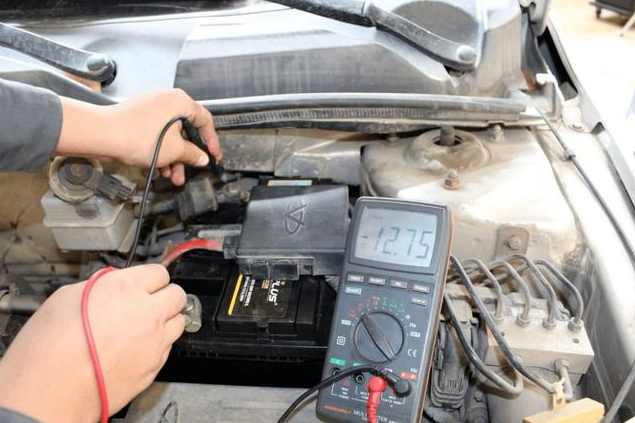
A multimeter is the best tool to check car battery voltage. Set it to measure DC volts. Connect the red probe to the battery’s positive terminal. Connect the black probe to the negative terminal. Look at the number on the screen. This tells you the battery’s current voltage.
Interpreting Voltage Readings
A fully charged car battery shows about 12.6 volts or more. Readings below 12.4 volts mean the battery is partially discharged. If it reads under 12 volts, the battery is weak or nearly dead. When the engine runs, voltage should rise to 13.7–14.7 volts. This means the alternator charges the battery properly.
When To Replace Your Battery
Replace the battery if it consistently shows low voltage. Also replace it if the car struggles to start. Old batteries lose voltage quickly and cannot hold a charge. If the multimeter shows less than 12 volts after charging, it is time for a new battery. Regular voltage tests help avoid unexpected car troubles.
Tips To Ensure Reliable Starts
Starting a car needs enough power from the battery. Reliable starts depend on good battery health and proper care. Follow these simple tips to keep your car starting every time.
Maintaining Battery Health
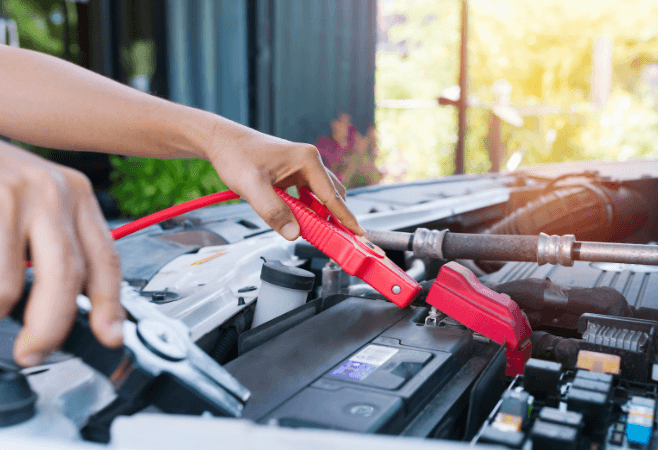
Check your battery regularly for corrosion and dirt. Clean the terminals with a brush and baking soda. Keep the battery tight in its holder to avoid damage. Test the battery voltage often to catch problems early. Replace old batteries before they fail completely.
Preventing Voltage Drops
A voltage drop can stop the car from starting. Turn off all electrical devices before starting the engine. Avoid using lights or radio when the engine is off. Make sure cables and connections are tight and rust-free. Weak cables cause voltage loss and poor starts.
Upgrading Battery For Performance
Choose a battery with higher cold cranking amps (CCA) for better starts. A stronger battery helps in cold weather and long drives. Match the battery size and type to your car’s needs. Use quality brands to ensure durability and power. Installing a better battery improves start-up reliability.
Credit: www.chapelhilltire.com
Frequently Asked Questions
How Many Volts Does A Car Battery Need To Start?
A typical car battery requires about 12 volts to start the engine. During ignition, voltage temporarily drops but must stay above 9. 6 volts to ensure proper starting. A fully charged battery usually reads around 12. 6 volts.
Can A 9-volt Battery Start A Car?
No, a 9-volt battery cannot start a car. Car engines need significantly higher current and voltage, usually 12 volts, to crank the engine. A 9-volt battery lacks the necessary power and capacity.
What Voltage Drop Is Normal When Starting A Car?
Voltage can drop to around 9. 6 volts during starting. This drop is normal as the starter motor draws high current. If voltage falls below 9 volts, it may indicate battery or starter issues.
Why Is 12 Volts Standard For Car Batteries?
12 volts is standard because it balances power and size efficiently. It provides enough energy to start engines and power electrical systems. This voltage standard also allows for easy battery replacement and compatibility across vehicles.
Conclusion
Starting a car usually needs around 12 volts from the battery. This small power helps the engine turn on quickly. Without enough volts, the car won’t start or will struggle. Always check your battery’s voltage if your car has trouble starting.
A healthy battery keeps your car running smoothly every day. Knowing this helps you avoid unexpected problems on the road. Simple steps keep your car ready to go anytime.

