If you’ve ever heard strange noises or felt vibrations when braking, your brake rotors might be the culprit. But how often should brake rotors be resurfaced to keep your car safe and running smoothly?
Knowing the right timing can save you money and prevent bigger problems down the road. You’ll discover simple signs to watch for and expert tips on maintaining your brake rotors. Keep reading to protect your vehicle and ensure every stop is a safe one.

Credit: goodcar.com
Brake Rotor Basics
Understanding brake rotors is key to vehicle care and safety. These parts wear out over time and affect how well your car stops. Knowing the basics helps you maintain your brakes properly.
This section explains what brake rotors are and their role in keeping you safe on the road.
What Are Brake Rotors
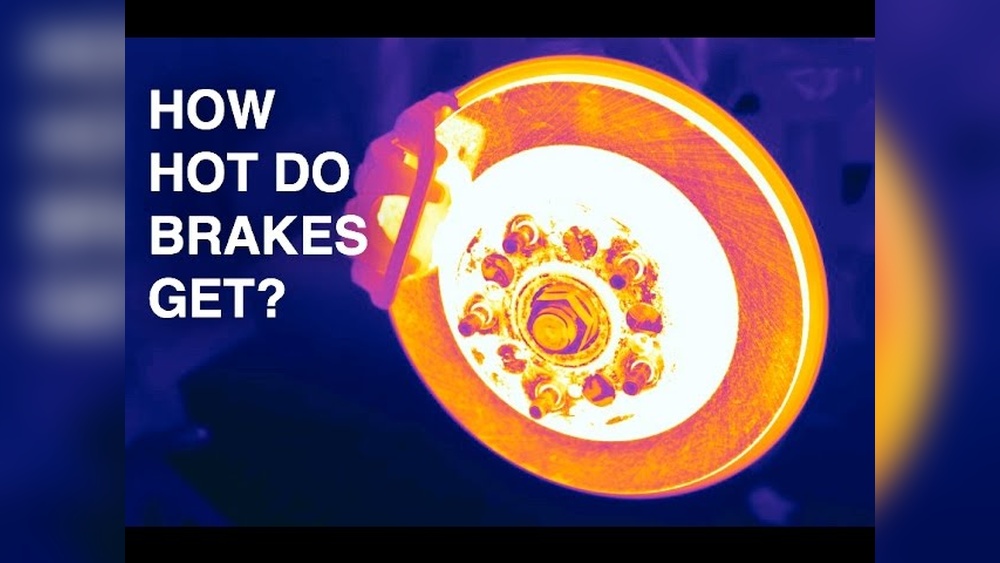
Brake rotors are round metal discs attached to your wheels. They work with brake pads to slow or stop your vehicle. When you press the brake pedal, pads press against rotors to create friction. This friction reduces wheel speed and stops the car.
Role In Vehicle Safety
Rotors help control your car’s speed and stop it quickly. Good rotors mean shorter stopping distances and safer driving. Worn or damaged rotors can cause vibrations or noise and reduce braking power. Proper rotor care keeps your brakes working well and protects you on the road.
Signs Of Rotor Wear
Brake rotors wear down over time from regular use. Recognizing the signs of rotor wear helps keep your vehicle safe. Early detection prevents bigger problems and costly repairs.
Visible Damage
Look closely at your brake rotors. Deep grooves or scoring mean the surface is damaged. Rust spots or cracks also show wear. These marks affect braking performance. Damaged rotors need attention soon.
Unusual Noises
Squealing or grinding sounds during braking suggest rotor issues. These noises occur when rotors are rough or worn out. Listen carefully each time you press the brake pedal. Strange sounds are a warning sign.
Vibrations While Braking
Feel vibrations or shaking in the brake pedal or steering wheel? Warped or uneven rotors often cause this problem. The vibrations grow stronger at higher speeds. This sign means the rotors need resurfacing or replacement.
Resurfacing Explained
Understanding brake rotor resurfacing helps keep your car safe. Rotors wear out over time and affect braking. Resurfacing fixes the rotor surface to improve performance. This process can save money and extend rotor life. Knowing what resurfacing is and when to do it is key.
What Is Resurfacing
Resurfacing means removing a thin layer from the rotor surface. This smooths out grooves, rust, or uneven spots. Mechanics use a machine to spin the rotor and cut it evenly. The goal is to restore a flat surface for better brake pad contact. This helps brakes work quietly and effectively.
When It’s Necessary
Resurfacing is needed when rotors have rough or uneven surfaces. Signs include vibration or noise when braking. Also, if the rotor thickness is above the minimum limit, resurfacing can help. If rotors are too thin or cracked, replacement is better. Regular check-ups can tell if resurfacing is required.

Credit: www.youtube.com
Factors Affecting Resurfacing Frequency
Brake rotors wear down over time and need resurfacing to keep brakes working well. The frequency depends on many factors. These factors change how fast rotors wear and when resurfacing is needed. Understanding them helps maintain safe braking and saves money.
Driving Habits
Hard braking wears rotors faster. Frequent stops in traffic cause more heat and damage. Long downhill drives also increase wear. Gentle braking and smooth driving extend rotor life. Avoid sudden stops to reduce resurfacing needs.
Vehicle Type
Heavy vehicles wear rotors quicker than light ones. Trucks and SUVs put more stress on brake parts. Sports cars often have better brakes but may need frequent care. Small cars usually have less rotor wear. Vehicle weight and use affect resurfacing timing.
Rotor Material
Rotors made from cast iron wear differently than those from steel or composites. Cast iron rotors are common and easy to resurface. Composite rotors last longer but cost more to fix. Material quality impacts how often rotors need resurfacing.
Recommended Resurfacing Intervals
Brake rotors wear down over time. Resurfacing helps keep them smooth and safe. Knowing when to resurface is important for your vehicle’s performance. It also prevents costly repairs later. The right timing depends on several factors, including the car and driving habits.
Different manufacturers set specific guidelines for rotor care. These guidelines help drivers maintain their brakes properly. Following these rules ensures safety and extends rotor life. It is best to check your vehicle’s manual for exact advice.
Manufacturer Guidelines
Car makers often suggest when to resurface rotors. This advice varies by model and brake type. Most manuals mention resurfacing during brake pad changes. Some recommend resurfacing every 30,000 to 70,000 miles. Others suggest checking rotors for wear signs regularly. Always follow your manufacturer’s recommendations first.
General Timeframes
Without specific guidance, general rules apply. Many experts suggest resurfacing rotors every 30,000 to 50,000 miles. Rough driving or heavy braking may shorten this time. Signs like vibration or noise signal rotor problems. Resurfacing at these signs can prevent further damage. Regular inspections help decide the best timing.
Risks Of Neglecting Resurfacing
Ignoring brake rotor resurfacing can cause serious problems. Worn rotors affect how your brakes work and can lead to unsafe driving. Small issues can turn into big repairs. Understanding the risks helps you keep your car safe and save money.
Reduced Brake Performance
Worn or warped rotors reduce brake power. Your car may take longer to stop. The brake pedal could feel soft or shaky. This makes driving dangerous, especially in emergencies. Poor braking can cause accidents and injuries.
Increased Repair Costs
Skipping rotor resurfacing can damage other brake parts. Worn rotors wear down brake pads faster. This means you replace pads more often. If rotors get too damaged, you must replace them. Resurfacing early can save you from costly repairs later.
Alternatives To Resurfacing
Resurfacing brake rotors is not the only option to maintain your brakes. Sometimes, other choices work better for safety and performance. These alternatives can extend the life of your brake system and improve driving comfort. Understanding these options helps you make the right decision for your vehicle.
Rotor Replacement
Replacing brake rotors is a common alternative to resurfacing. New rotors ensure even surface and proper thickness. Worn or damaged rotors can cause vibrations and noise. Installing new rotors removes these problems. This option costs more but offers better long-term safety. New rotors work best with new brake pads. It prevents uneven wear and brake issues.
Upgraded Brake Components
Upgrading brake parts can improve brake performance significantly. High-quality rotors and pads last longer and resist heat better. Some upgraded rotors have slots or drilled holes to cool faster. Better brakes mean safer stops and less wear. Consider this option if you drive often or tow heavy loads. It can reduce the need for frequent repairs and resurfacing. Upgrades provide more reliable braking in tough conditions.
Maintenance Tips For Longer Rotor Life
Brake rotors need care to last longer and work well. Proper maintenance helps avoid costly repairs. It keeps your car safe on the road. Small actions make a big difference in rotor life.
Regular Inspections
Check your brake rotors often. Look for signs of wear or damage. Thin or cracked rotors need attention fast. Inspect them every time you change brake pads. Early detection stops bigger problems later.
Proper Driving Techniques
Drive smoothly to protect your rotors. Avoid hard braking unless needed. Slow down early to reduce brake stress. Do not ride the brakes on hills. Gentle braking extends rotor and pad life.

Credit: www.youtube.com
Frequently Asked Questions
How Often Should Brake Rotors Be Resurfaced?
Brake rotors should be resurfaced every 30,000 to 70,000 miles. Resurfacing depends on driving habits and rotor condition. Regular inspection helps determine the need for resurfacing to maintain braking performance.
Can Worn Rotors Cause Brake Noise?
Yes, worn or uneven rotors often cause brake noise. Resurfacing removes surface imperfections that cause squealing or grinding sounds. Timely rotor maintenance ensures quieter and smoother braking.
Is Resurfacing Better Than Replacing Brake Rotors?
Resurfacing is cost-effective if rotors have minimal wear. Deep damage or thin rotors require replacement for safety. Always follow manufacturer guidelines to decide between resurfacing or replacing rotors.
What Signs Indicate Rotors Need Resurfacing?
Signs include brake vibration, pulsation, or uneven brake pad wear. Visible grooves or rust on rotors also suggest resurfacing is needed. Early detection prevents further brake system damage.
Conclusion
Brake rotors need attention to keep your car safe. Resurfacing depends on wear and driving habits. Check rotors every 30,000 to 70,000 miles. Smooth, even surfaces help brakes work well. Deep grooves or warping mean it’s time to act. Regular checks prevent costly repairs later.
Always follow your car maker’s advice. Taking care of rotors saves money and stress. Drive safer with well-maintained brakes. Don’t wait for trouble—stay ahead with good rotor care.