

Are your brakes making strange noises or feeling less responsive? You might be wondering, “How much will it cost to replace my brakes and rotors?” It’s a question many car owners face, and the answer can affect your budget more than you expect.
But don’t worry—knowing what influences the price can help you avoid surprises and make smart choices. You’ll discover the real costs behind brake and rotor replacements, what factors can change the price, and tips to get the best value for your money.
Keep reading to protect your safety and your wallet.

Credit: www.jegs.com
Brake System Basics
The brake system is vital for vehicle safety. It helps slow down and stop the car. Understanding its parts helps you know why brakes and rotors cost what they do.
Brakes and rotors work together to make your car stop smoothly and safely. Each part has a special job that affects how well your vehicle brakes.
Types Of Brakes
There are mainly two types of brakes: disc brakes and drum brakes. Disc brakes use pads to squeeze a metal disc. This action slows the wheel down. Drum brakes use shoes that press outwards inside a drum. Disc brakes are common in most modern cars. They provide better stopping power and cool down faster. Drum brakes are simpler and cheaper but less effective at stopping fast.
Role Of Rotors In Braking
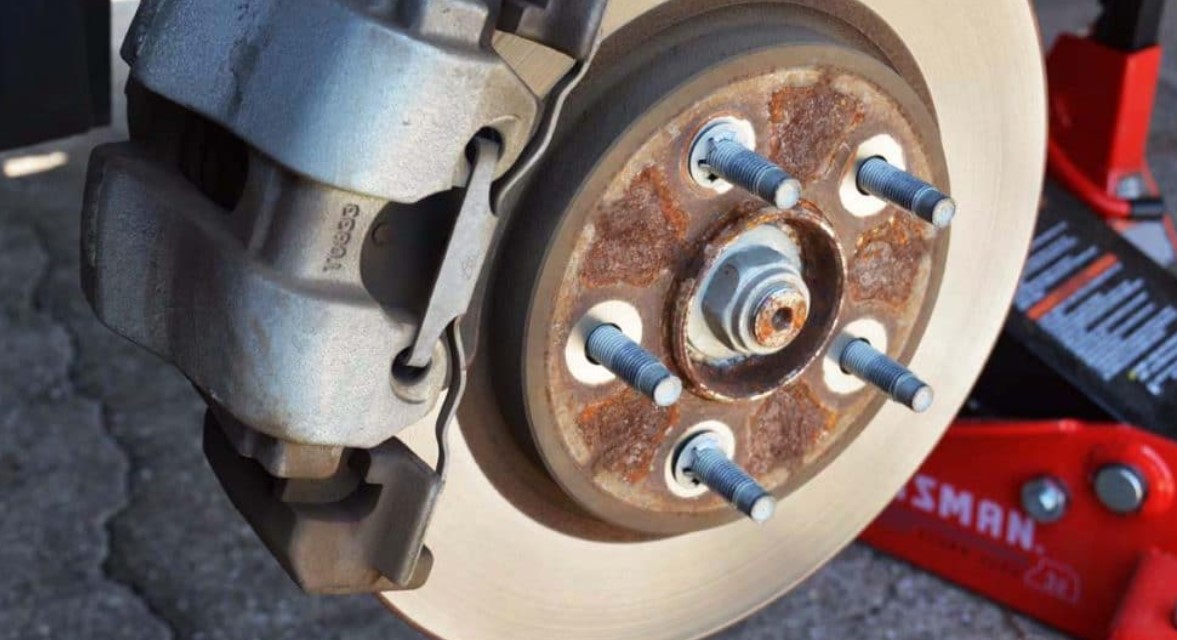
Rotors are the round metal discs attached to the wheels. When brakes press on them, the car slows down. Rotors must be strong and smooth for safe braking. They handle heat from friction between pads and the rotor. Worn or damaged rotors can cause vibrations and reduce brake performance. Good rotors help your brakes work better and last longer.
Credit: omegaautocare.com
Factors Affecting Brake Costs
Brake and rotor costs vary widely. Several factors affect the price you pay. Understanding these helps you plan your budget better.
Each element plays a key role in the final cost. Some parts are more expensive. Labor prices differ by location and service type.
Vehicle Make And Model
Cars differ in brake system design. Luxury or sports cars usually need costly parts. Common models have cheaper replacements.
Some vehicles require special tools or procedures. This can increase the repair price. Older models might be harder to find parts for.
Quality Of Parts
Brake parts come in various quality levels. Original Equipment Manufacturer (OEM) parts cost more. Aftermarket parts offer budget-friendly options.
High-quality parts last longer and perform better. Cheaper parts may wear out quickly. Choosing the right quality affects safety and cost.
Labor Charges
Labor costs vary by shop and region. Mechanics with more experience charge higher rates. Some shops include extra fees for brake service.
Brake and rotor replacement takes time. Complex jobs need more labor hours. Always ask for a clear estimate before work starts.
Cost Breakdown For Brakes
Understanding the cost breakdown for brakes helps you plan your car maintenance budget. Brake repairs include several parts and services, each with its own price. Knowing these costs prevents surprises and helps you make smart choices.
Brake Pads Pricing
Brake pads are the parts that press against the rotors to stop your car. Prices for brake pads vary by quality and brand. Basic brake pads can cost between $30 and $70 per set. Premium pads with better materials can go up to $120 or more. Labor costs for replacing brake pads usually add another $80 to $150.
Rotor Replacement Costs
Rotors are the discs that brake pads clamp onto. Replacing rotors is often needed if they are worn or damaged. Rotor prices range from $30 to $75 each for standard models. High-performance or specialty rotors cost more, sometimes over $150 each. Labor for rotor replacement can cost between $100 and $200 depending on the vehicle.
Additional Fees
Besides parts and labor, shops may charge extra fees. These can include disposal fees for old parts, which are usually $5 to $10. Some shops charge a shop fee or environmental fee, adding $10 to $30. Always ask for a full estimate before any brake service.
Diy Vs Professional Service
Deciding between doing brake and rotor work yourself or hiring a professional can affect your time, cost, and safety. Both choices have benefits and drawbacks. Knowing these can help you make the right decision for your car and budget.
Pros And Cons Of Diy
Doing brakes and rotors yourself saves money on labor costs. Parts may be cheaper when you buy them directly. You gain skills and confidence working on your car.
DIY requires tools and a safe workspace. Mistakes can cause serious safety problems. The job can take several hours if you are new. Some cars have complex brake systems that need special knowledge.
When To Choose A Mechanic
Choose a mechanic for safety and reliability. Professionals have experience and proper tools. They finish the job faster than most beginners. A mechanic can spot other problems during the service.
Use a professional if your brakes feel strange or noisy. Complex brake systems or luxury cars often need expert care. Mechanics offer warranties on parts and labor. This protects you if something goes wrong.
Signs You Need New Brakes And Rotors
Knowing the signs of worn brakes and rotors helps keep your car safe. Brakes and rotors wear down with use. Replacing them on time prevents accidents and costly repairs. Watch for clear signals your brakes need attention.
Common Warning Signs
Squealing or grinding noises when braking often mean worn brake pads. A vibrating or pulsing brake pedal points to warped rotors. Longer stopping distances show that brakes are losing power. A soft or spongy brake pedal can signal air in the brake lines or worn parts. Bright brake warning lights on the dashboard need immediate checking. These signs mean your brakes and rotors need inspection or replacement soon.
Safety Considerations
Brakes are the most important safety feature on your car. Worn brakes increase stopping distance and risk of accidents. Damaged rotors reduce brake efficiency and cause uneven wear. Driving with bad brakes can cause loss of control. Regular brake checks protect you and others on the road. Never ignore warning signs or delay repairs. Safe brakes save lives and money.
Tips To Save On Brake Repairs
Brake repairs can be costly, but some simple steps help reduce expenses. Saving money on brakes and rotors starts with smart care and good choices. Small actions today prevent big bills later. Follow these tips to keep brake repair costs low.
Regular Maintenance
Check brake pads and rotors often. Early signs of wear mean fewer problems. Clean brakes help parts last longer. Regular inspections catch issues before they grow. A small investment in upkeep saves money on repairs.
Choosing The Right Parts
Pick parts that fit your vehicle and driving style. Quality parts last longer and work better. Avoid the cheapest options; they wear out fast. Sometimes, mid-range parts offer the best value. Talk to a trusted mechanic about the best choices.
Comparing Service Quotes
Get quotes from several repair shops before deciding. Prices vary, so compare carefully. Look for clear details on parts and labor costs. Don’t always choose the lowest price; check reviews too. A fair price and good service protect your investment.
2025 Market Trends In Brake Costs
The cost of brakes and rotors is changing in 2025. New trends affect prices and how these parts perform. Understanding these changes helps car owners plan their budgets. It also helps them choose the right parts for safety and value.
Impact Of New Technologies
Brake systems now use smarter technology. Sensors and electronic controls improve braking safety. These parts cost more to make. Advanced materials also increase durability but add to the price. Cars with electric or hybrid engines use special brakes. These brakes last longer but are pricier to replace. Technology raises the quality and price of brake parts.
Price Changes And Predictions
Brake and rotor prices may rise slightly in 2025. Raw material costs, like steel, affect prices. Labor costs also play a role. Some shops charge more for advanced brake systems. Standard brake parts remain affordable but may see small increases. Expect gradual price growth as technology improves. Planning for these changes helps avoid surprises.

Credit: www.youtube.com
Frequently Asked Questions
How Much Do Brake Pads And Rotors Cost?
Brake pads and rotors typically cost between $150 and $400. Prices vary by vehicle type, quality, and labor fees. OEM parts cost more than aftermarket options. Labor can add $100 to $200 depending on the shop. Always ask for a detailed estimate.
What Factors Affect Brake And Rotor Replacement Prices?
Prices depend on vehicle make, model, and part quality. Labor rates differ by location and shop reputation. Performance or heavy-duty rotors cost more. Additional repairs may increase the total price. Regular maintenance helps avoid costly replacements.
Can I Replace Brakes And Rotors Myself?
Yes, if you have mechanical skills and tools. Replacing brakes and rotors requires safety knowledge and proper equipment. DIY saves labor costs but risks mistakes. Always follow your vehicle’s service manual instructions. When unsure, consult a professional mechanic.
How Often Should Brakes And Rotors Be Replaced?
Brake pads usually last 30,000 to 70,000 miles. Rotors often last 50,000 to 70,000 miles but vary by driving habits. Signs like squealing, vibration, or poor braking indicate replacement time. Regular inspections help maintain brake safety and performance.
Conclusion
Brakes and rotors cost vary by car and quality. Choosing the right parts keeps you safe on the road. Regular checks can help avoid costly repairs later. Prices may seem high, but good brakes protect lives. Always compare quotes from trusted mechanics before deciding.
Taking care of brakes means better driving and peace of mind. Keep these tips in mind for your next brake service. Safe driving starts with strong, reliable brakes and rotors.

