

Have you ever wondered how long your car’s rotors and brakes should last before needing a change? Knowing the answer can save you money, keep you safe, and prevent unexpected breakdowns.
Your brakes are one of the most important parts of your vehicle, yet many drivers don’t realize when it’s time to replace them. You’ll discover clear signs to watch for, average lifespans you can expect, and simple tips to extend the life of your rotors and brakes.
Keep reading to protect yourself and get the most out of your vehicle’s braking system.
Credit: www.autozone.com
Brake Rotor Lifespan
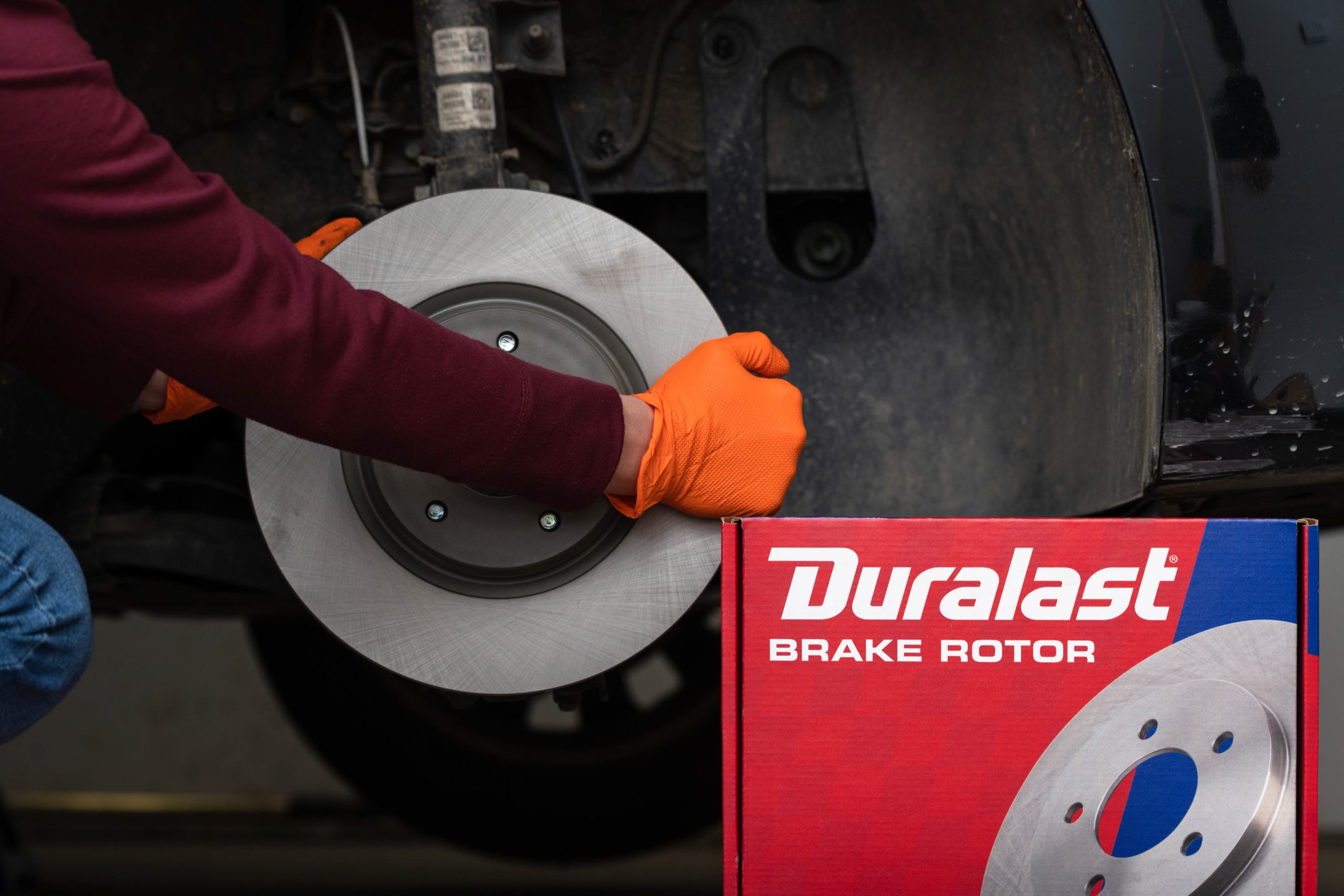
Brake rotors are crucial for safe driving. They work with brake pads to stop your vehicle. Knowing how long rotors last helps you plan maintenance. Rotor lifespan depends on many things. Understanding these factors can save you money and keep you safe.
Average Mileage Expectancy
Most brake rotors last between 30,000 and 70,000 miles. Some can go beyond 70,000 miles with good care. Heavy use or rough driving shortens their life. Regular driving on highways usually extends rotor life.
Factors Affecting Rotor Life
Driving style plays a big role. Hard braking wears rotors faster. Stop-and-go city traffic causes more wear than highway driving. Rotor quality also matters. Cheap rotors wear out quicker. Weather affects rotors too. Wet or salty roads can cause rust and damage.
Signs Of Worn Rotors
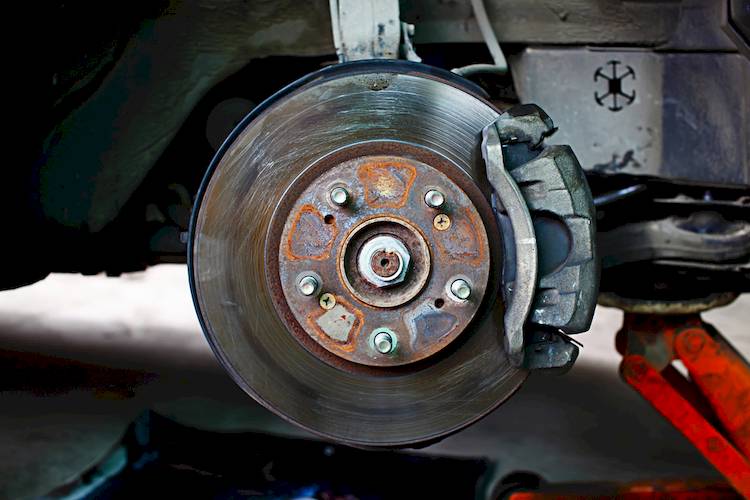
You may feel vibrations when braking. A pulsing brake pedal can mean warped rotors. Listen for squealing or grinding sounds. Visible grooves or cracks on rotors show wear. If you see these signs, check your brakes soon.
Brake Pad Durability
Brake pads are a key part of your car’s safety system. Their durability affects how well your vehicle stops. Knowing about brake pad life helps you avoid sudden problems. It also saves money on repairs.
Typical Brake Pad Lifespan
Brake pads usually last between 30,000 and 70,000 miles. The exact lifespan depends on driving habits and road conditions. City driving with frequent stops wears pads faster. Highway driving tends to be easier on brake pads.
Material Differences
Brake pads come in different materials, affecting their durability. Organic pads wear out quicker but are quieter. Semi-metallic pads last longer and cool down fast. Ceramic pads provide the longest life and less dust.
When To Replace Brake Pads
Replace brake pads when you hear squealing or grinding sounds. A soft brake pedal can also signal worn pads. Check the thickness; less than 3mm means replacement time. Regular inspections help catch wear before it becomes dangerous.
Driving Habits Impact
How you drive affects how long your rotors and brakes last. Different driving habits cause different wear and tear. Understanding these effects helps you protect your brake system and save money on repairs.
City Vs Highway Driving
City driving means frequent stops and starts. This causes more brake use and faster wear on rotors and pads. Highway driving usually involves steady speeds. Brakes are used less often, so they last longer. Stop-and-go traffic wears brakes faster than smooth highway rides.
Aggressive Braking Effects
Hard braking puts extra pressure on brake parts. This causes rotors and pads to wear out quickly. Sudden stops create heat, which can warp rotors. Gentle braking helps keep your brakes in good shape for longer. Smooth stops reduce the risk of damage and save money.
Terrain And Weather Influence
Hilly or rough terrain makes brakes work harder. Going downhill requires more frequent braking. This leads to faster wear on brake parts. Wet or icy roads can cause slipping, making you brake more often. Mud and dirt can also damage rotors and pads. Drive carefully on tough roads to protect your brakes.
Maintenance Tips
Proper maintenance extends the life of your rotors and brakes. Regular care helps avoid costly repairs and keeps your vehicle safe. Follow these tips to maintain your braking system effectively.
Regular Inspections
Check your brakes often for wear and tear. Look for signs like squeaking or grinding sounds. Inspect brake pads and rotors every 10,000 miles or during oil changes. Early detection of problems can prevent bigger issues.
Rotor Resurfacing
Rotors can develop uneven surfaces or grooves over time. Resurfacing smooths the rotor to improve braking performance. It is a cost-effective option before replacing rotors. Resurfacing should be done by a professional mechanic.
Brake Fluid Replacement
Brake fluid absorbs moisture and loses effectiveness over time. Change the brake fluid every two years or as recommended. Clean fluid ensures proper brake function and prevents corrosion. Regular fluid replacement supports overall brake health.
Upgrading Brake Components
Upgrading brake components can improve safety and driving comfort. New parts often last longer and perform better than old ones. This section explains key upgrades and their benefits.
Performance Rotors
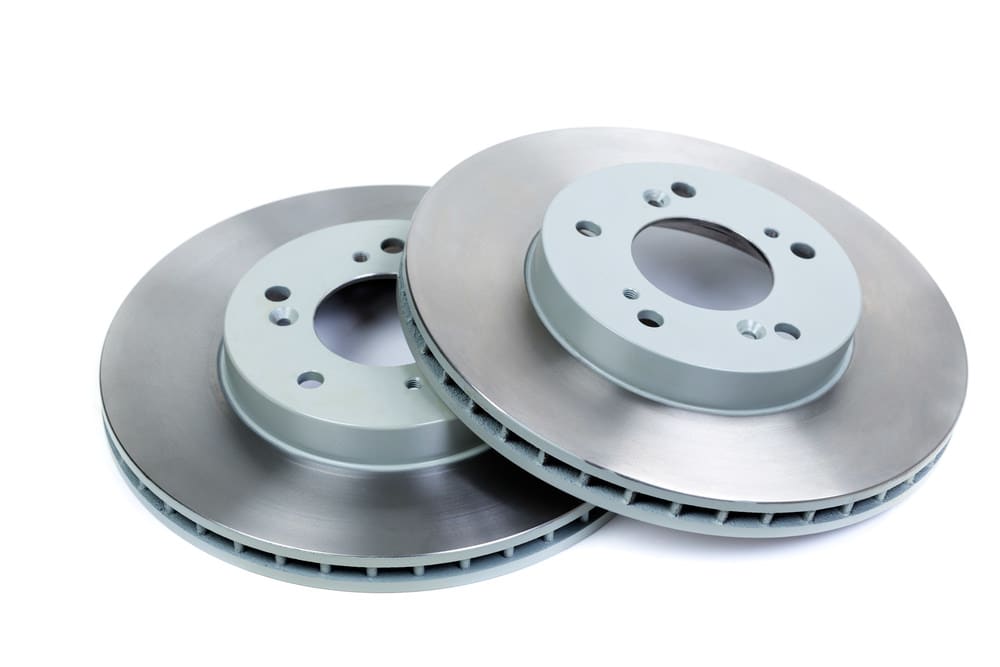
Performance rotors are designed to handle heat and stress better. They cool down faster, reducing brake fade. These rotors often have slots or drilled holes. This design helps remove dust and water. They provide stronger and more consistent braking power.
High-quality Brake Pads
High-quality brake pads use better materials. They create less dust and noise. These pads wear slower and grip the rotor well. Some pads are made for specific driving styles. Choosing the right pads improves braking and extends rotor life.
Benefits Of Upgrades
Upgrading brake parts increases safety on the road. You get shorter stopping distances and smoother control. New components reduce wear on other brake parts. This means fewer repairs and lower costs over time. Upgrades also improve confidence while driving.
Credit: www.yourmechanic.com
Cost Considerations
Cost plays a big role in maintaining rotors and brakes. Knowing the expenses helps plan your budget. It also helps decide the best way to replace or repair them. Understanding the costs leads to smarter choices and better care for your vehicle.
Replacement Costs
Brake pads usually cost less than rotors. Pads can range from $30 to $100 per set. Rotors are more expensive, often $40 to $150 each. Labor charges add to the total bill. Prices vary by vehicle type and part quality.
Diy Vs Professional Service
Doing the job yourself saves labor costs. It requires tools and some mechanical skill. Mistakes can cause more damage and higher costs. Professionals have experience and tools for safe repairs. Their work often comes with a warranty for peace of mind.
Long-term Savings
Regular maintenance extends the life of brakes and rotors. Ignoring small issues can lead to costly repairs later. Good quality parts last longer and perform better. Spending a bit more now avoids bigger bills in the future.
Credit: www.yourmechanic.com
Frequently Asked Questions
How Long Do Brake Rotors Typically Last?
Brake rotors usually last between 30,000 and 70,000 miles. Their lifespan depends on driving habits, rotor quality, and maintenance. Regular inspections help detect wear early and extend rotor life. Proper brake use can prevent premature rotor damage.
When Should I Replace My Brake Pads And Rotors?
Replace brake pads every 25,000 to 50,000 miles and rotors every 30,000 to 70,000 miles. Signs include squeaking, vibration, or reduced braking performance. Timely replacement ensures safety and prevents costly damage to braking components.
Can Driving Habits Affect Rotor And Brake Lifespan?
Yes, aggressive driving and frequent hard braking reduce rotor and brake life. Smooth, gentle braking prolongs component durability. Avoiding excessive speed and heavy loads also helps maintain brake system health over time.
How Do I Know If My Rotors Are Worn Out?
Worn rotors often cause pulsation or vibration when braking. Visible grooves or cracks on rotor surfaces indicate wear. Uneven braking or noise also signals rotor issues. Regular inspections help catch these signs early for timely replacement.
Conclusion
Brake rotors and pads wear out over time with regular use. Checking them often keeps your car safe and smooth. Signs like noise or vibration mean it’s time to inspect. Good care and timely replacement save money and stress. Remember, each car and driving style changes how long they last.
Stay aware, act early, and drive confidently every day.


