
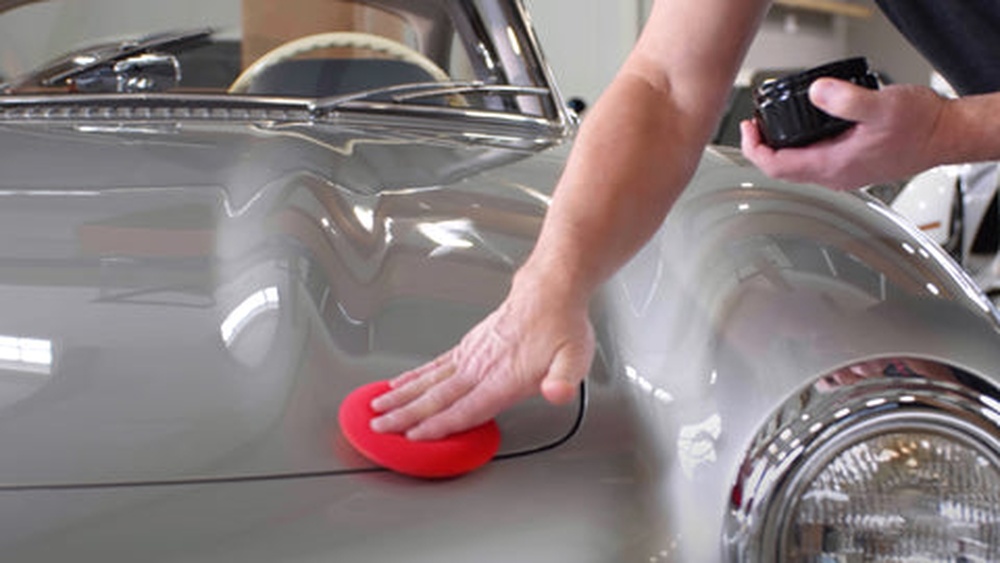
Have you ever wondered why some cars shine brighter and look newer for longer? The secret often lies in a simple step you can take: waxing your car.
Wax isn’t just about making your car look good—it acts like a shield that protects your paint from damage. If you want to keep your car’s surface smooth, glossy, and safe from dirt, rain, and harsh sunlight, understanding how wax works can make all the difference.
Keep reading to discover how wax protects your car and why it’s a must for every car owner like you.
Benefits Of Car Wax
Car wax offers several important benefits that help keep your vehicle in great shape. It forms a protective layer over the paint, which improves the look and life of your car. Regular waxing also reduces damage from environmental factors.
Applying wax is a simple step that makes a big difference. It not only enhances the car’s appearance but also protects it from everyday wear and tear. Below are some key benefits of using car wax.
Enhancing Shine And Gloss
Wax adds a deep shine to your car’s surface. It smooths out small scratches and dull spots. This creates a glossy finish that catches the eye. A shiny car looks newer and well cared for. Wax helps maintain this fresh look longer.
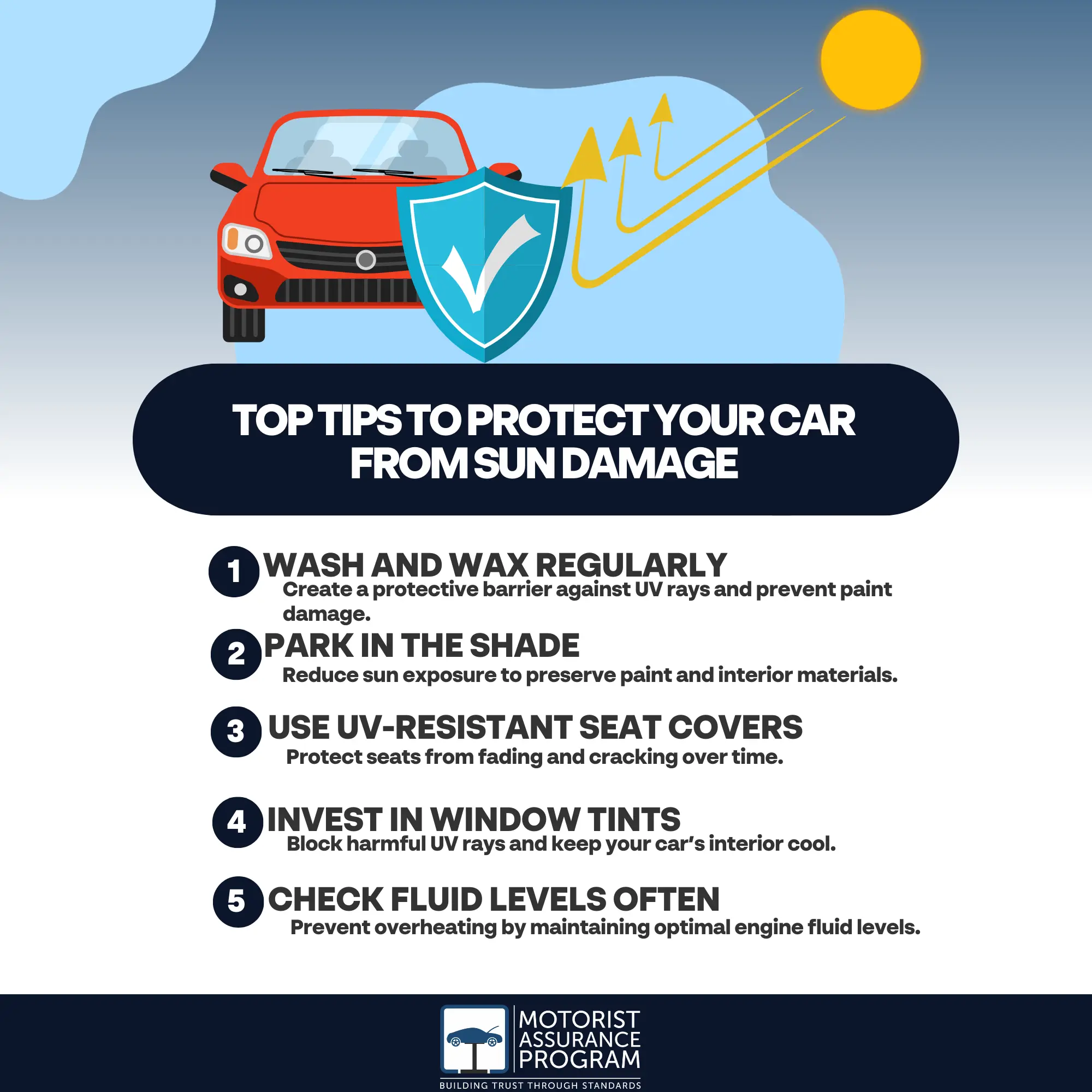
Shielding Against Uv Rays
Sunlight harms car paint with strong UV rays. Wax acts as a barrier against these rays. It prevents fading and discoloration caused by sun exposure. Protecting the paint keeps your car’s color bright and vibrant. Wax helps avoid costly paint repairs.
Preventing Water Damage
Water can leave marks and cause rust on your car. Wax repels water by creating a waterproof layer. This stops water from sticking to the surface. It also prevents water spots and corrosion. Wax keeps your car cleaner and safer from water damage.
Guarding Against Dirt And Pollutants
Dirt, dust, and pollution harm your car’s paint. Wax forms a shield that blocks these harmful particles. It makes dirt easier to wash off during cleaning. This reduces scratches and staining on the paint. Wax keeps your car looking fresh and clean longer.
Types Of Car Wax
Car wax comes in different types. Each type offers unique benefits for your car’s shine and protection. Understanding these types helps you pick the best wax for your vehicle. The right wax keeps your car looking new and shields it from damage.
Natural Vs Synthetic Waxes
Natural waxes come from plants, mainly carnauba. They give a deep, rich shine. Natural wax protects paint well but wears off faster. Synthetic waxes are made in labs. They last longer and resist dirt and water better. Synthetic wax gives a glossy finish but may not shine as deep as natural wax.
Paste, Liquid, And Spray Forms
Paste wax is thick and solid. It gives strong protection and a smooth shine. Liquid wax is easier to apply and spreads quickly. It dries faster but may not last as long as paste. Spray wax is the fastest to use. It offers light protection and a quick shine. Spray wax suits quick touch-ups.
Choosing The Right Wax For Your Car
Consider your car’s color and paint type. Dark cars benefit from natural wax for a deep shine. Lighter cars suit synthetic wax for longer protection. Think about your time and effort. Paste wax needs more work but lasts longer. Liquid and spray wax save time with easier use. Match the wax form to your routine and needs.
How Wax Forms A Protective Layer
Wax protects your car by forming a thin, strong layer over the paint. This layer acts like a shield. It guards your car against dirt, water, and sun damage. The wax sticks closely to the paint. This helps keep the car’s surface smooth and shiny.
Bonding With The Paint Surface
Wax molecules attach firmly to the paint. This creates a solid layer that stays in place. The bond blocks dust and grime from reaching the paint. It also fills tiny scratches. This makes the surface look even and smooth.
Creating A Hydrophobic Barrier
Wax repels water by creating a water-resistant surface. Water beads up and rolls off easily. This stops water spots and reduces dirt buildup. The hydrophobic barrier helps keep the car clean for longer.
Reducing Oxidation And Fading
Wax slows down the damage from sunlight and air. It protects the paint from fading. The layer blocks harmful UV rays and oxygen. This keeps the paint color bright and fresh. Oxidation, which causes dullness, is reduced by wax.
Credit: motorist.org
Application Tips For Maximum Protection
Applying wax correctly is key to protecting your car. It helps create a strong shield against dirt, water, and sun damage. Follow simple steps to get the best results. Proper application keeps your car shiny and safe longer.
Small details in preparation and technique make a big difference. Also, knowing how often to wax keeps your car protected all year. Here are some clear tips for maximum protection.
Preparing The Car Surface
Start with a clean car. Wash it using soap made for cars. Remove dirt and dust completely. Dry the surface with a soft cloth. Make sure the paint is cool and out of direct sunlight. This helps the wax stick better. Check for any scratches or spots. Fix them before waxing for smooth results.
Proper Wax Application Techniques
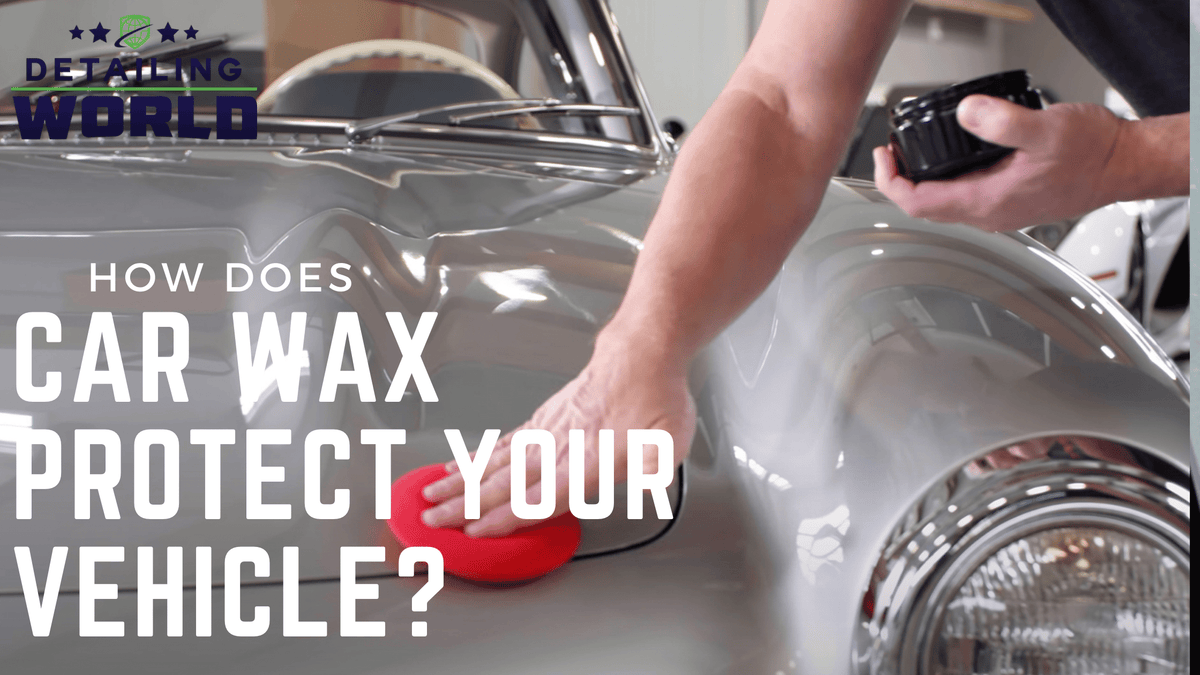
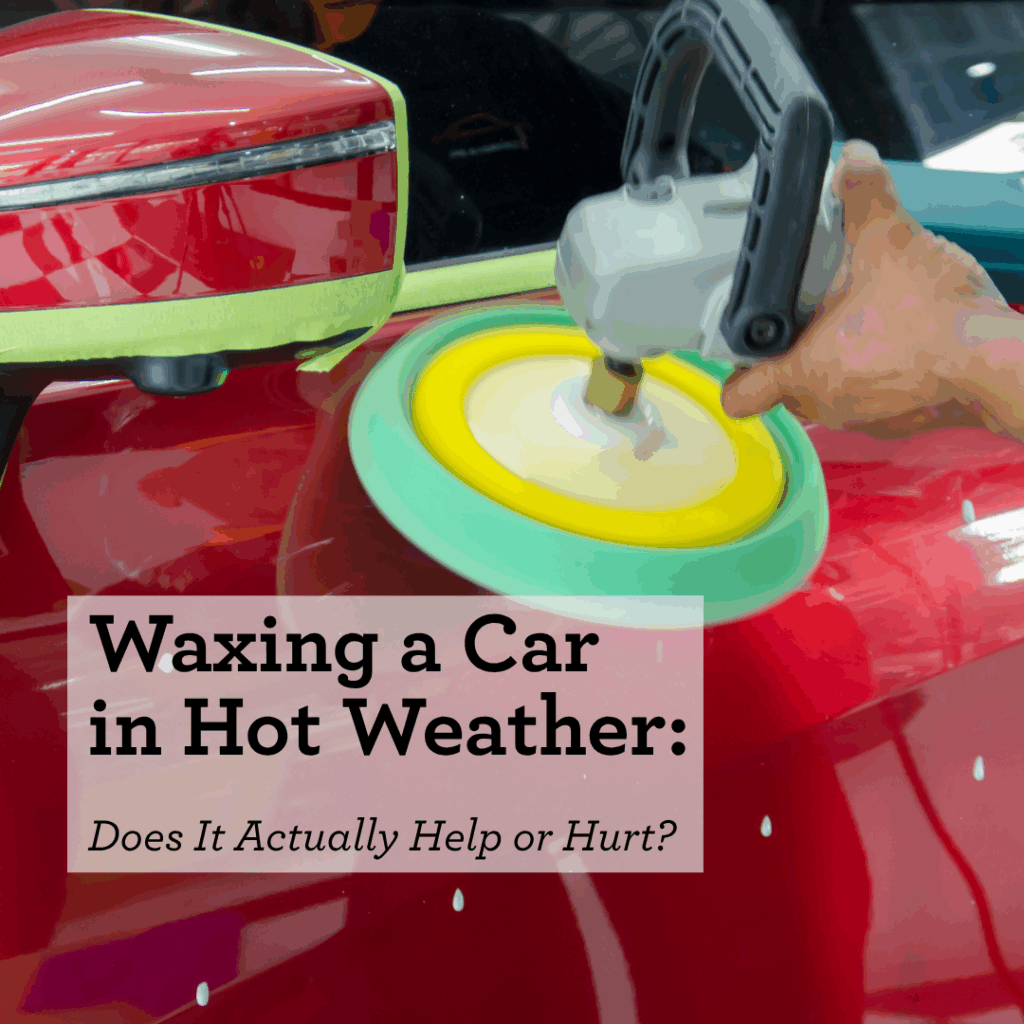
Use a small amount of wax on a soft applicator pad. Apply wax in small, circular motions. Work on one section at a time. Let the wax dry until it looks hazy. Then, use a clean microfiber cloth to buff the wax gently. Buffing removes excess wax and brings out shine. Avoid heavy layers. Thin layers work best for protection.
Frequency Of Waxing
Wax your car every three to four months. This timing keeps the protective layer strong. In hot or rainy climates, wax more often. Regular waxing stops dirt and water from damaging the paint. Keep a waxing schedule to maintain your car’s look and protection.
Common Myths About Car Wax
Car wax has many benefits, but some ideas about it are wrong. These myths stop people from waxing their cars properly. Knowing the facts helps keep your car’s paint safe and shiny. Let’s clear up some common myths about car wax.
Waxing Causes Paint Damage
Some believe waxing harms the car’s paint. Wax, in fact, forms a protective layer. This layer guards against dirt, UV rays, and small scratches. Wax does not eat away or damage paint. Proper waxing improves the paint’s life and look.
Waxing Is Only For Aesthetics
Many think wax is just for shine. Wax does make the car look glossy. It also protects from weather and pollution. Wax stops water spots and dirt from sticking. This keeps the paint cleaner and safer over time.
More Wax Means Better Protection
Applying too much wax does not help. Thick layers can become sticky and uneven. This may attract dust and make the car dull. A thin, even coat of wax works best. Regular waxing is better than heavy wax layers.
Credit: detailtheworld.com
Wax Vs Other Protective Coatings
Wax is a classic choice for protecting car paint. Other coatings like sealants and ceramic coatings also guard your vehicle. Each type offers different benefits and levels of protection. Understanding these differences helps you pick the right option for your car.
Comparing Wax And Sealants
Wax is made from natural ingredients like carnauba. It gives a warm, glossy shine. Sealants use synthetic chemicals for a stronger, longer-lasting barrier. Sealants protect better against water and dirt. Wax needs more frequent reapplication than sealants.
Wax Vs Ceramic Coatings
Ceramic coatings form a hard, durable layer on your car. They resist scratches, chemicals, and UV rays better than wax. Ceramic coatings last months or years, while wax lasts weeks. Wax offers a richer shine but less tough protection.
Cost And Longevity Differences
Wax is usually cheaper and easy to apply at home. Sealants cost a bit more but last longer than wax. Ceramic coatings are the most expensive and need professional application. They save time by reducing how often you reapply protection.
Credit: blisscarwash.com
Frequently Asked Questions
What Is The Main Purpose Of Car Wax Protection?
Car wax forms a protective layer on your car’s paint. It repels water, dirt, and harmful UV rays. This prevents damage and keeps the paint shiny and fresh for longer.
How Often Should I Wax My Car For Protection?
Waxing your car every 3 to 4 months is ideal. Regular waxing maintains the protective barrier. It also enhances your car’s shine and prevents paint fading.
Does Waxing Prevent Scratches And Swirl Marks?
Wax provides a thin protective layer that reduces minor scratches. It fills in small imperfections, making scratches less visible. However, it cannot prevent deep scratches from sharp objects.
Can Wax Protect My Car From Environmental Damage?
Yes, wax shields your car from harmful UV rays, acid rain, and bird droppings. This reduces paint oxidation and corrosion. Wax acts as a barrier against environmental pollutants.
Conclusion
Wax keeps your car’s paint safe from dirt and sun damage. It creates a smooth layer that water and dust cannot stick to. This helps your car look shiny and clean for longer. Regular waxing also stops small scratches from harming the paint.
It saves money by reducing the need for repairs. Applying wax is simple and does not take much time. Protect your car’s beauty by waxing it often. Your car will thank you with a fresh, bright look every day.
