
You just got your new car, and it looks amazing. You want to keep that fresh shine as long as possible.
But how soon should you wax it? If you wax too early, you might damage the paint or reduce the wax’s effectiveness. Wait too long, and dirt and grime can settle in, making it harder to protect your car. This simple question has a big impact on your car’s appearance and value.
You’ll discover the perfect timing to wax your new car, so it stays glossy and protected for miles to come. Keep reading to learn the expert tips that will help your car look its best every time.
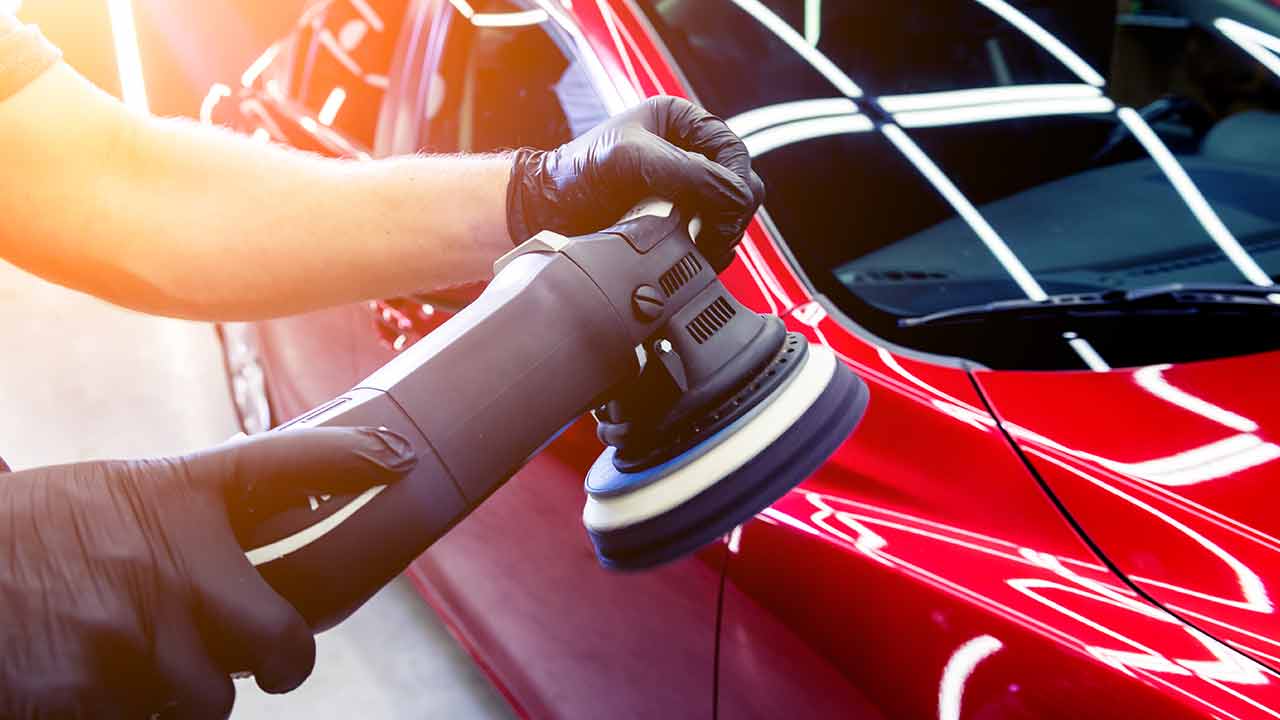
Credit: surfnshine.com
Ideal Waiting Period
Knowing the ideal waiting period before waxing a new car helps protect its paint. Waxing too soon can damage the finish. Waiting too long means missing early protection. Finding the right time balances these concerns.
Factors Affecting Timing
New cars have a fresh paint layer that needs time to cure. Paint curing varies by type and conditions. Temperature and humidity affect drying speed. Some paints take a few weeks; others need months. The type of paint also matters. Clear coats need extra time to harden fully. Waiting allows the paint to settle and gain strength. This prevents waxing from trapping moisture or chemicals under the wax.
Manufacturer Recommendations
Car makers often give advice on waxing new vehicles. They may suggest waiting 30 to 90 days before waxing. This advice matches the paint curing process. Following these guidelines helps maintain the car’s warranty. Some manufacturers recommend specific products for the best results. Checking the owner’s manual or official websites ensures safe care. Ignoring these tips can lead to paint damage or voided warranties.
Credit: surfnshine.com
Types Of Car Paints
Understanding the types of car paints helps decide the right time to wax your new car. Paint types vary in how they cure and react to wax. Knowing the difference protects your car’s finish and keeps it looking great.
Two main types are factory paint and repainted surfaces. Each needs different care and waiting times before waxing.
Factory Paint Vs. Repainted Surfaces
Factory paint is applied at the car factory. It has a smooth, hard finish designed to last. This paint cures slowly but evenly. It often contains clear coats that protect color and shine.
Repainted surfaces happen after repairs or custom work. These paints may use different materials or techniques. They might not cure as evenly or strongly as factory paint. Waxing too soon can harm these surfaces or cause uneven shine.
Curing Time Differences
Factory paint usually needs about 30 to 60 days to fully cure. This time allows the paint to harden and settle. Waxing before curing can trap moisture or dirt under wax layers.
Repainted surfaces require more caution. Some need 60 to 90 days or longer to cure. The exact time depends on the paint type and environment. Waiting ensures the paint bonds well and prevents damage during waxing.
Signs Your Car Is Ready
Knowing when your new car is ready for waxing helps protect its paint. Waxing too soon can harm the finish. Watch for clear signs that the paint has cured well. These signs show the best time to apply wax and keep your car shiny.
Paint Hardness Test
Check the hardness of your car’s paint before waxing. Use your fingernail to gently scratch a small hidden spot. If it leaves a mark, the paint is still soft. Wait longer before waxing. If no mark appears, the paint is hard enough. This means the paint has cured and can handle wax.
Visual Indicators
Look closely at the paint surface. A fully cured paint looks smooth and even. It should have a consistent shine without dull spots. Water beads up clearly on the surface. This shows the paint is sealed and ready for wax. Avoid waxing if the paint looks cloudy or feels sticky. These signs mean the paint needs more time to cure.
Choosing The Right Wax
Picking the correct wax for your new car is important. It protects the paint and keeps the shine fresh. Different waxes work better on different car surfaces and conditions.
Understanding the types of wax and their benefits helps you make a smart choice. This choice affects how long your car looks clean and protected.
Natural Vs. Synthetic Waxes
Natural waxes come from carnauba, a plant-based source. They give a warm, deep shine. These waxes are good for show cars and short-term protection.
Synthetic waxes use man-made chemicals. They last longer and resist dirt and water better. Synthetic waxes work well for daily drivers and harsh weather.
Natural wax feels smooth but needs more frequent reapplication. Synthetic wax can protect your car for months with one use.
Wax Formulations And Benefits
Wax comes in many forms: paste, liquid, and spray. Paste wax is thick and lasts long but takes time to apply. Liquid wax spreads quickly and is easier to use. Spray wax offers quick touch-ups but less protection.
Choose a wax based on how much time you want to spend. Also, consider the climate you live in. Some waxes offer better UV protection. Others repel water or dirt better.
Good wax enhances your car’s color and smooths the surface. It stops small scratches and keeps dirt from sticking. A proper wax keeps your new car looking fresh for longer.
Waxing Techniques
Waxing techniques play a big role in protecting your new car’s paint. Proper waxing keeps the surface shiny and safe from dirt and damage. Using the right method helps the wax stick better and last longer. Follow these simple steps for great results.
Preparation Steps
Start by washing your car fully. Dirt and dust stop wax from sticking well. Dry the car completely with a soft towel. Choose a cool, shaded place to wax. Avoid direct sunlight to prevent streaks. Use a clean, soft cloth or foam applicator to apply wax. Make sure the car surface feels smooth before waxing.
Application Tips
Apply wax in small sections, about 2 feet by 2 feet. Use thin, even layers with gentle circular motions. Let the wax dry until it looks hazy or powdery. Buff the area with a clean microfiber cloth to a shine. Change cloth sides often to avoid smudging. Repeat the process for the whole car for full protection.
Common Mistakes To Avoid
Do not wax a dirty or wet car. This causes scratches and poor finish. Avoid applying too much wax at once. It wastes product and leaves streaks. Never wax in direct sunlight or on a hot surface. This makes the wax dry too fast. Do not use old or dirty cloths. They can scratch the paint and ruin the shine.
Maintenance After Waxing
Maintaining your car after waxing is important to keep its shine and protection. Wax forms a shield on the paint. Dirt, water, and UV rays stay away. Proper care helps the wax last longer. It also keeps the car looking new and fresh.
Washing Tips
Wash your car gently after waxing. Use a soft sponge or microfiber cloth. Avoid harsh brushes that can scratch the wax. Use a mild car soap, not dish detergent. Rinse the car with clean water to remove soap. Dry with a soft towel to prevent water spots.
Frequency Of Waxing
Wax your car every three to four months. This timing keeps the paint protected. It depends on weather and driving conditions. Cars in harsh sun or rain may need waxing more often. Regular waxing keeps the car shiny and safe from damage.
Expert Advice And Myths
Understanding expert advice and common myths helps you care for your new car’s paint properly. Many car owners wonder how long to wait before waxing a new vehicle. This section clears up confusion and shares tips for a lasting shine.
Debunking Common Waxing Myths
One myth says you must wait 90 days before waxing a new car. This is not always true. Most new cars can be waxed after 30 days. The paint hardens enough by then to protect the surface.
Another myth claims waxing damages fresh paint. Wax actually protects the paint from dirt and sun. It also makes washing easier. Just avoid waxing immediately after a fresh paint job or repair. Let it cure fully first.
Some believe synthetic waxes last longer than natural waxes. Both types protect well but have different shine effects. Choose based on your preference, not myths.
Pro Tips For Lasting Shine
Wash the car thoroughly before waxing. Remove all dirt and grime. Use a clay bar for smoothness if needed. This helps wax stick better.
Apply wax in thin, even layers. Buff gently with a microfiber cloth. This avoids streaks and uneven shine.
Wax your car every 3 to 4 months. Regular waxing maintains paint protection and gloss. Store your car in shade to keep wax lasting longer.
Follow product instructions carefully. Different waxes need different application and drying times. Proper technique ensures the best results.

Credit: www.waldorfhonda.com
Frequently Asked Questions
How Soon Can I Wax A Newly Painted Car?
Wait at least 30 days before waxing a new car paint. This allows the paint to fully cure and harden. Waxing too soon may damage the paint or reduce wax effectiveness. Always follow your car manufacturer’s recommendations for best results.
Why Wait Before Waxing A New Car?
New paint needs time to cure and bond properly. Waxing too early can trap solvents and cause damage. Waiting ensures a durable surface for wax to adhere to. This improves shine and protection for your new car’s paint.
Can Waxing Too Early Harm My Car’s Paint?
Yes, waxing early can cause paint defects like streaks or dullness. The paint surface is still soft and vulnerable. Wax can seal in moisture or contaminants, leading to long-term damage. Patience ensures a smooth, protective finish.
How Often Should I Wax My Car After The First Wax?
After the initial wax post-curing, wax every 3-4 months. Regular waxing maintains shine and protects against UV rays and dirt. Use quality wax products for best protection. Adjust frequency based on climate and usage.
Conclusion
Waxing a new car too soon can harm the paint. Wait at least 30 days after purchase. This lets the paint fully cure and settle. Regular waxing after that keeps your car shiny and protected. Clean your car well before waxing for best results.
Waxing helps guard against dirt, water, and sun damage. Taking time to wait pays off in the long run. Your car looks better and stays in good shape longer. Simple care steps make a big difference. Keep your car looking fresh and bright.

