

Have you ever wondered how often you need to change your fuel filter? It’s a simple question, but the answer can save you from costly repairs and keep your vehicle running smoothly.
Your fuel filter plays a crucial role in protecting your engine by trapping dirt and debris before they reach vital parts. Ignoring it could lead to poor performance or even engine damage. You’ll discover the signs that tell you it’s time for a change, how often you should replace it, and tips to keep your car in top shape.
Keep reading to ensure your vehicle stays reliable and efficient for miles to come.
Signs Of A Clogged Fuel Filter
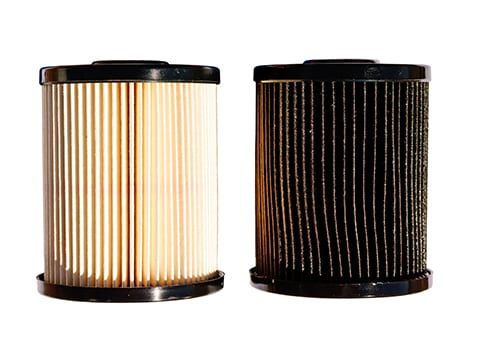
A clogged fuel filter can cause many problems in your vehicle. It stops fuel from flowing freely to the engine. This can affect how your car runs and can lead to bigger issues if ignored.
Knowing the signs of a clogged fuel filter helps you fix the problem early. This saves money and keeps your car running smoothly. Watch out for these common signs below.
Engine Performance Issues
Your engine might run rough or stall often. It may hesitate when you press the gas pedal. The car can lose power, especially going uphill or carrying heavy loads. These are clear signs the fuel filter is blocked.
Fuel Efficiency Drops
You may notice your car uses more fuel than usual. A clogged filter makes the engine work harder. This lowers fuel efficiency and raises your fuel costs. Keep an eye on how far you can drive per tank.
Difficulty Starting The Engine
The engine may take longer to start or fail to start at all. A blocked fuel filter limits fuel flow to the engine. This makes ignition difficult and can leave you stranded. Prompt attention is needed to avoid this problem.
Credit: www.waynesautocenter.com
Recommended Fuel Filter Change Intervals
Knowing the right time to change your fuel filter helps keep your engine healthy. Fuel filters stop dirt and rust from reaching the engine. Over time, these filters get clogged and need replacement. Changing fuel filters regularly improves fuel flow and engine performance.
Manufacturer Guidelines
Vehicle makers give specific advice on fuel filter changes. Check your owner’s manual for these details. Most recommend changing filters every 20,000 to 40,000 miles. Following their advice protects your engine from damage. Stick to these guidelines to avoid unnecessary repairs.
Impact Of Driving Conditions
Driving in dusty or rough areas clogs fuel filters faster. Short trips and stop-and-go traffic also wear filters out quicker. In such cases, change your fuel filter more often. Clean fuel means better engine performance and fewer breakdowns.
Differences By Vehicle Type
Gasoline and diesel engines have different fuel filter needs. Diesel engines usually require more frequent changes. Some cars have filters that last longer than trucks or SUVs. Know your vehicle type to choose the right change interval. Proper care keeps your vehicle running smoothly.
Factors Affecting Fuel Filter Lifespan
The lifespan of a fuel filter depends on several key factors. These factors influence how soon the filter gets clogged or loses efficiency. Understanding them helps you know when to replace the fuel filter. Each vehicle may have different needs based on these conditions.
Fuel Quality
Fuel quality plays a big role in how long a fuel filter lasts. Dirt, rust, and other particles in low-quality fuel clog the filter faster. Clean, high-quality fuel keeps the filter working longer. Using poor fuel means you must change the filter more often to avoid engine problems.
Driving Habits
Driving style affects the fuel filter lifespan. Frequent short trips do not allow the fuel system to clean itself fully. This causes more buildup in the filter. Long highway drives help keep the system cleaner, extending the filter’s life. Rough driving on dusty roads also wears out the filter quicker.
Environmental Conditions
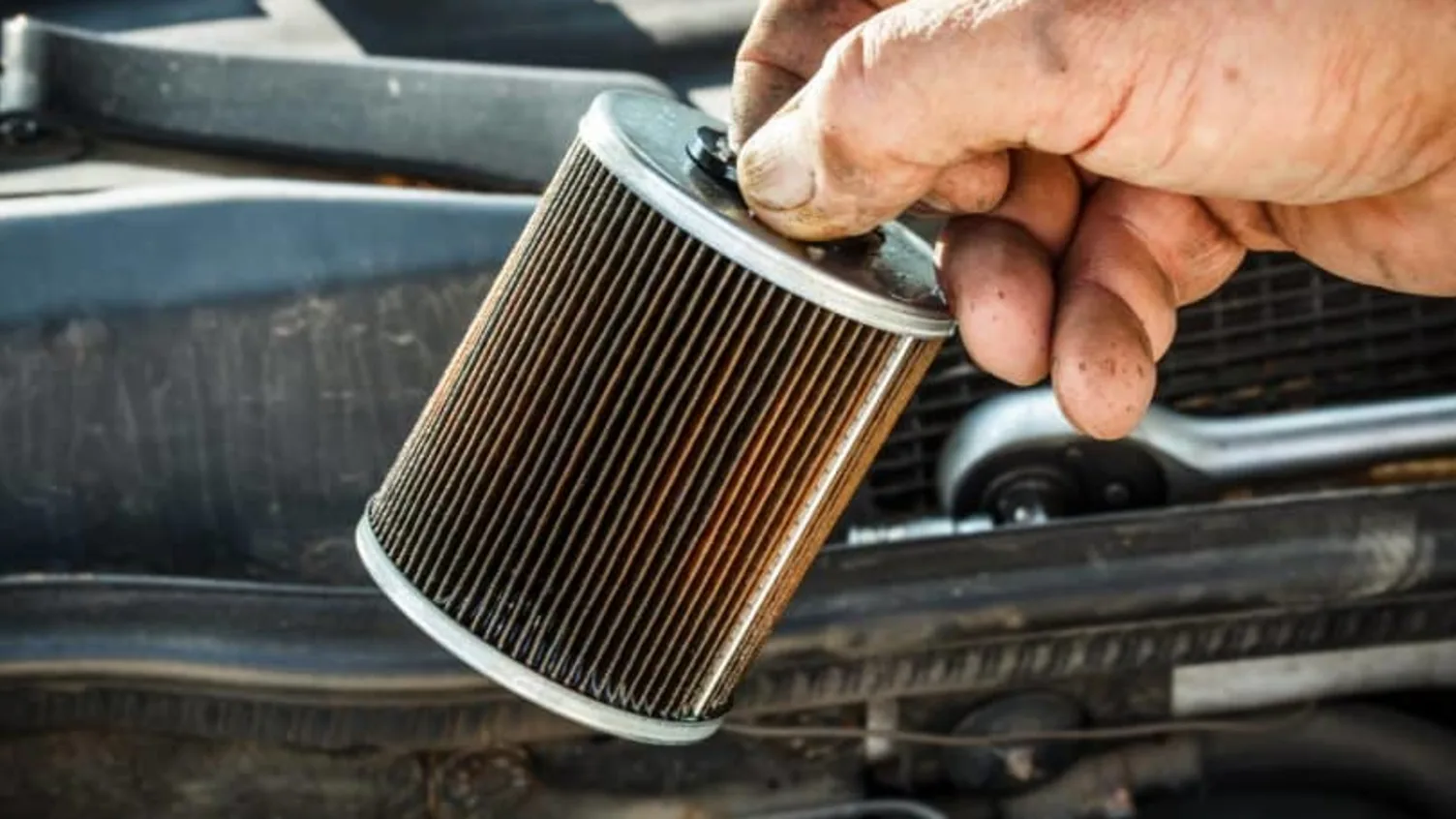
Dusty or dirty environments cause faster filter clogging. Areas with a lot of dirt, sand, or pollution increase debris in the fuel. Cold climates can cause fuel to thicken, adding stress on the filter. Clean environments and moderate weather help the fuel filter last longer.
Credit: www.bigboxcars.com.au
Risks Of Delaying Fuel Filter Replacement
Delaying the replacement of your fuel filter can cause serious problems. The fuel filter stops dirt and debris from reaching the engine. Over time, it clogs and stops working well. This can harm your vehicle in several ways. Understanding these risks helps keep your car running smoothly.
Engine Damage
A clogged fuel filter limits fuel flow to the engine. This causes the engine to run poorly or stall. Dirt and debris may reach the engine, causing wear. Over time, this can lead to expensive repairs or engine failure. Changing the fuel filter prevents damage and keeps the engine safe.
Reduced Fuel Efficiency
A blocked fuel filter makes the engine work harder. The car uses more fuel to perform the same tasks. This lowers your miles per gallon and increases fuel costs. Replacing the filter keeps the fuel system clean and efficient. It helps save money on gas and improves engine performance.
Increased Emissions
A dirty fuel filter affects the fuel-air mix in the engine. This leads to incomplete burning of fuel. As a result, your car releases more harmful gases into the air. A clean fuel filter helps reduce pollution and keeps emissions low. It supports a cleaner environment and meets emission standards.
How To Check Your Fuel Filter
Knowing how to check your fuel filter helps keep your vehicle running smoothly. A clean fuel filter stops dirt from reaching the engine. It also helps save fuel and avoid engine problems. Checking the filter regularly can prevent costly repairs.
You can check the fuel filter yourself or with professional help. Each method has its benefits and tools. Here are two ways to check your fuel filter condition.
Visual Inspection
Start by locating the fuel filter in your vehicle. It is usually near the fuel tank or engine. Look for any dirt, rust, or damage on the filter body. A dirty or damaged filter needs replacement.
Look for signs of fuel leaks or cracks. Check the fuel lines connected to the filter. If you see any wear or damage, fix it quickly. A clean filter should look clear and free of debris.
Professional Diagnostic Tools
Mechanics use special tools to test the fuel filter. These tools check how well the filter passes fuel. They measure fuel pressure and flow rate. Low pressure or flow means a clogged filter.
Diagnostic tools can also find hidden problems. These tools save time and give accurate results. Visit a mechanic if you want a precise check or if you notice engine issues.
Replacing The Fuel Filter
Replacing the fuel filter is a key part of car maintenance. It keeps dirt and rust from reaching the engine. A clean fuel filter helps your car run smoothly and saves fuel. Changing it on time avoids engine problems and costly repairs. Knowing how to replace the fuel filter can save time and money.
Diy Replacement Tips
Start by locating the fuel filter. It is usually near the fuel tank or engine. Use the right tools for your car model. Wear gloves to protect your hands from fuel. Release the fuel system pressure before removing the filter. Take care not to spill fuel on the engine. Install the new filter in the same direction as the old one. Tighten clamps and fittings securely. Check for leaks after replacement. Dispose of the old filter safely.
When To Seek Professional Help
Some fuel filters are hard to reach or sealed inside the fuel tank. These need special tools and skills. If you notice engine misfires, poor acceleration, or strange noises, get a mechanic. Fuel system problems can be dangerous if handled incorrectly. Professionals have experience and equipment to fix issues safely. They also check for related problems during replacement. Choose a trusted service center for best results.
Maintaining Your Fuel System
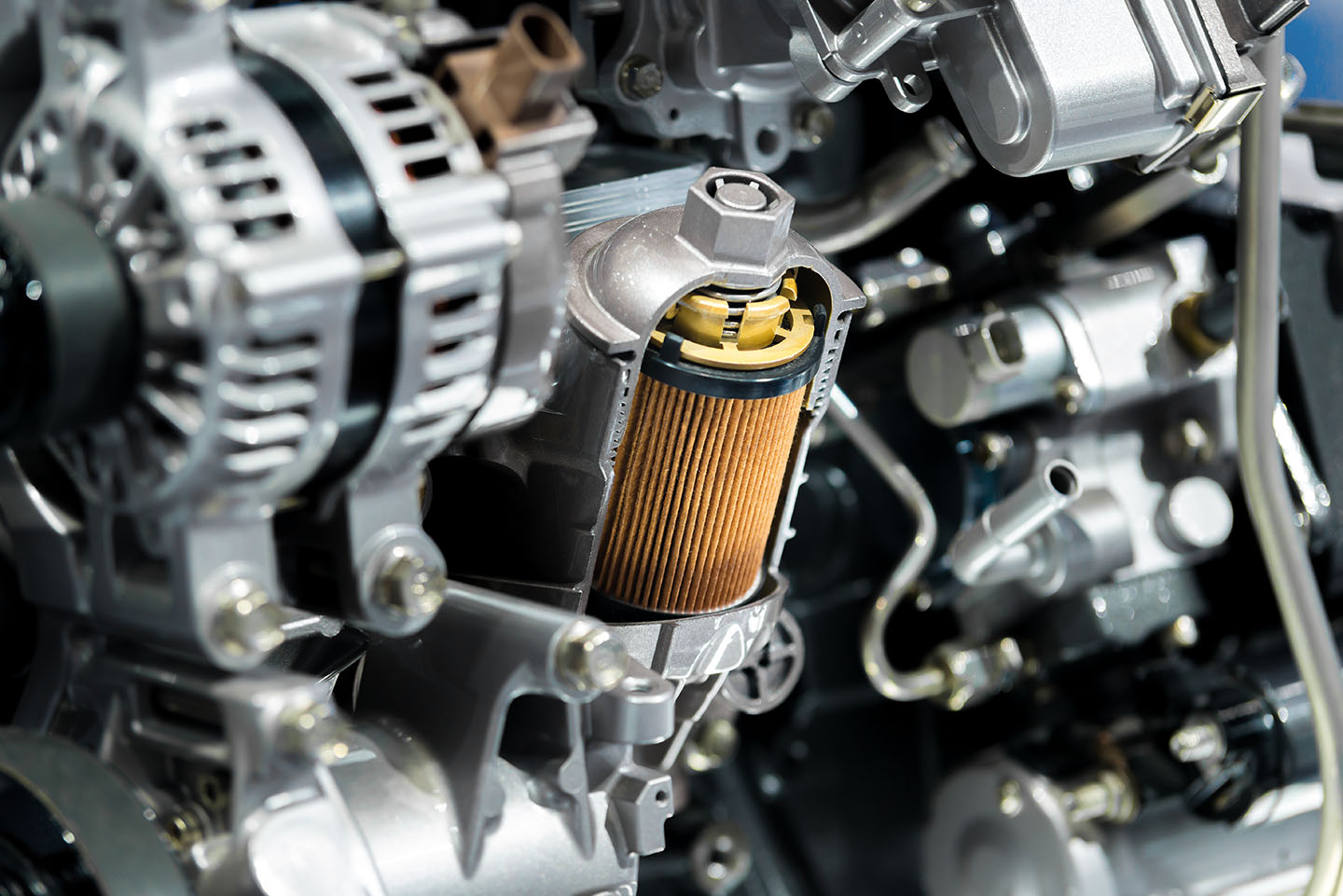
Maintaining your fuel system is key to keeping your vehicle running smoothly. A clean fuel system helps the engine perform better and last longer. Dirt and debris can block fuel flow. This can cause poor engine performance and higher fuel use. Regular care prevents these problems and saves money on repairs.
Regular Maintenance Schedule
Check your fuel filter every 20,000 to 40,000 miles. This range depends on your car model and driving conditions. Replace the filter if you notice engine trouble or lower fuel efficiency. Follow the car maker’s manual for exact times. Regular checks keep the fuel system clean and your engine healthy.
Using Fuel Additives
Fuel additives help clean the fuel system. They remove deposits from fuel injectors and valves. Use additives every few months or as needed. Choose products made for your fuel type. This simple step improves fuel flow and engine power. It also helps your fuel filter last longer.
Choosing Quality Fuel
Use high-quality fuel to protect your fuel system. Low-grade fuel can contain dirt and water. These impurities clog the filter and damage the engine. Fill up at trusted gas stations. Clean fuel reduces strain on the filter and keeps the system working well.
Credit: bostechauto.com
Frequently Asked Questions
How Often Should A Fuel Filter Be Replaced?
Fuel filters typically need replacement every 20,000 to 40,000 miles. Check your vehicle’s manual for exact intervals. Regular changes maintain fuel system efficiency and engine performance.
What Are Signs Of A Clogged Fuel Filter?
Common signs include engine sputtering, poor acceleration, and difficulty starting. A clogged filter restricts fuel flow, causing these performance issues. Early replacement prevents engine damage.
Can I Change The Fuel Filter Myself?
Yes, with basic tools and safety precautions, DIY fuel filter changes are possible. Consult your vehicle manual for instructions. If unsure, professional help ensures proper replacement.
Does Driving Condition Affect Fuel Filter Life?
Yes, dusty or harsh driving conditions clog filters faster. Frequent short trips also reduce filter lifespan. Adjust replacement frequency based on your driving environment.
Conclusion
Changing your fuel filter regularly keeps your engine running smooth. Dirt and debris can block fuel flow and cause problems. Most cars need a new filter every 20,000 to 40,000 miles. Check your owner’s manual for exact timing. Clean fuel means better performance and longer engine life.
Don’t wait until your car shows trouble signs. A simple filter change saves money and hassle later. Stay on top of maintenance to enjoy a reliable drive. Easy steps like this protect your vehicle every day.


