

If you drive a diesel vehicle, you might wonder, “How often should I change my diesel fuel filter?” This small part plays a big role in keeping your engine running smoothly.
Ignoring it can lead to costly repairs and poor performance. You’ll discover exactly when and why to replace your fuel filter so you can protect your engine and save money. Keep reading to learn the simple steps that will keep your diesel engine healthy for miles to come.
Role Of Diesel Fuel Filter
The diesel fuel filter plays an important role in your vehicle’s performance. It cleans the fuel before it reaches the engine. A clean fuel filter helps the engine run smoothly and last longer. Understanding this role helps explain why changing the filter regularly matters.
Preventing Contaminants
Diesel fuel can have dirt, rust, and water. These contaminants can harm the engine. The fuel filter traps these harmful particles. It stops them from entering the engine. This keeps the fuel clean and safe for use.
Protecting Engine Components
The engine parts are sensitive and need clean fuel. Dirty fuel can cause wear and damage. The fuel filter protects parts like injectors and pumps. It helps prevent costly repairs. Clean fuel means better engine health and longer life.

Credit: www.youtube.com
Signs Of A Clogged Filter
A clogged diesel fuel filter can cause several problems in your vehicle. It stops fuel flow and affects engine parts. Knowing the signs of a clogged filter helps you act quickly. Catching these issues early prevents bigger damage and costly repairs.
Engine Performance Issues
Your engine may run rough or lose power. It might hesitate or stall during driving. The engine may sound weaker than usual. These issues happen because fuel can’t reach the engine properly.
Fuel Efficiency Drop
You may notice your vehicle uses more fuel than before. A clogged filter forces the engine to work harder. This lowers fuel economy and increases costs. Watching fuel use helps spot filter problems early.
Starting Problems
The engine may take longer to start or fail to start. Fuel blockage makes starting difficult. You might hear the starter turning without the engine running. These signs show the filter needs attention soon.
Recommended Replacement Intervals
Knowing the right time to change your diesel fuel filter keeps your engine healthy. The filter stops dirt and water from entering the engine. Over time, it clogs and needs replacement. Changing it on time avoids engine problems and saves money.
Replacement intervals differ based on many factors. Two key points are manufacturer guidelines and driving conditions. These help you decide when to swap the filter.
Manufacturer Guidelines
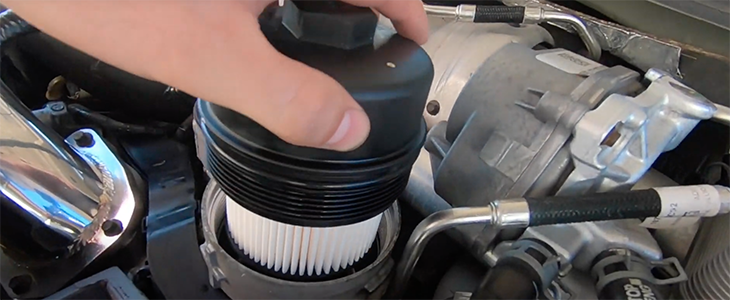
Car makers give clear advice on when to change the fuel filter. They base it on tests and engine design. Usually, the guide is in your vehicle’s manual. Most suggest changing the filter every 20,000 to 40,000 miles. Following these rules keeps the engine running well. Ignoring them can cause poor performance and damage.
Impact Of Driving Conditions
Driving style and road type affect filter life. Dusty roads or rough terrain make the filter dirty faster. Frequent short trips may also clog the filter more quickly. In such cases, change the filter more often. Check it every 10,000 to 15,000 miles if driving in tough conditions. This helps avoid fuel flow problems and engine wear.
Credit: ecogard.com
Factors Affecting Filter Life
The lifespan of a diesel fuel filter depends on many factors. These factors affect how quickly the filter clogs and loses efficiency. Understanding them helps maintain your vehicle better. It also ensures the engine runs smoothly without damage.
Fuel Quality
Fuel quality plays a big role in filter life. Poor quality diesel contains more dirt and water. These contaminants clog the filter faster. Clean, high-grade diesel keeps the filter working longer. Always choose fuel from trusted sources.
Climate And Environment
Climate affects filter durability. Cold weather causes diesel to thicken. Thick fuel makes the filter work harder. Dusty or sandy environments introduce more particles. These particles can block the filter quickly. Filters last longer in clean, mild conditions.
Vehicle Usage Patterns
How you use your vehicle matters. Frequent short trips cause more filter wear. The engine may not warm up fully, leading to moisture buildup. Long drives allow better fuel flow and filter function. Heavy loads or rough roads add stress too.
Steps To Change Diesel Fuel Filter
Changing your diesel fuel filter is important for your engine’s health. It keeps dirt and water out of the fuel system. Following the right steps makes the job easier and safer. Here is a simple guide on how to change your diesel fuel filter.
Preparation And Safety
Park your vehicle on a flat surface and turn off the engine. Let it cool down to avoid burns. Wear gloves and safety glasses to protect your hands and eyes. Gather tools like wrenches, a new fuel filter, and a container for old fuel. Have rags ready to clean spills. Work in a well-ventilated area to avoid inhaling fumes.
Removal Process
Locate the diesel fuel filter, usually near the engine or fuel tank. Place the container under the filter to catch fuel drips. Loosen the clamps or bolts holding the filter. Remove the fuel lines carefully, noting their positions. Take out the old filter slowly to avoid spilling fuel. Dispose of the old filter properly, following local rules.
Installing New Filter
Check the new filter for damage before installing. Attach the fuel lines to the new filter in the correct order. Secure the filter with clamps or bolts tightly but do not overtighten. Prime the filter by filling it with clean diesel fuel if needed. Start the engine and look for leaks around the filter. Tighten connections if any fuel drips appear. Clean up spills and dispose of rags safely.
Maintenance Tips For Longer Filter Life
Diesel fuel filters protect your engine from dirt and water in the fuel. Keeping the filter in good shape extends its life and helps your engine run well. Simple care steps can stop problems and save money. Follow these tips to keep your diesel fuel filter working longer and better.
Using Clean Fuel
Always use clean diesel fuel to avoid dirt and water. Fill up at trusted stations with good fuel quality. Dirty fuel clogs the filter fast. Avoid storing fuel for long periods. Old fuel can grow bacteria that harm the filter. Clean fuel means less strain on the filter and engine.
Regular Inspections
Check the fuel filter regularly for signs of damage or blockage. Look for water or dirt in the filter bowl if visible. Listen for engine trouble like rough running or loss of power. These signs may mean the filter needs attention. Early checks catch problems before they worsen. Keep a schedule to inspect the filter often.
Timely Replacement
Change the fuel filter as recommended by your vehicle’s manual. Do not wait until the filter is fully clogged. A clogged filter can cause poor engine performance and damage. Use the right filter type for your diesel engine. Changing the filter on time keeps fuel flow smooth and engine safe. Mark your calendar for filter changes to stay on track.
Consequences Of Neglecting Filter Change
Neglecting to change your diesel fuel filter can cause serious problems for your vehicle. The fuel filter cleans dirt and debris from the fuel. Over time, it gets clogged and stops working well. This affects how your engine runs and can lead to costly repairs. Understanding these risks helps you keep your engine healthy and save money.
Engine Damage Risks
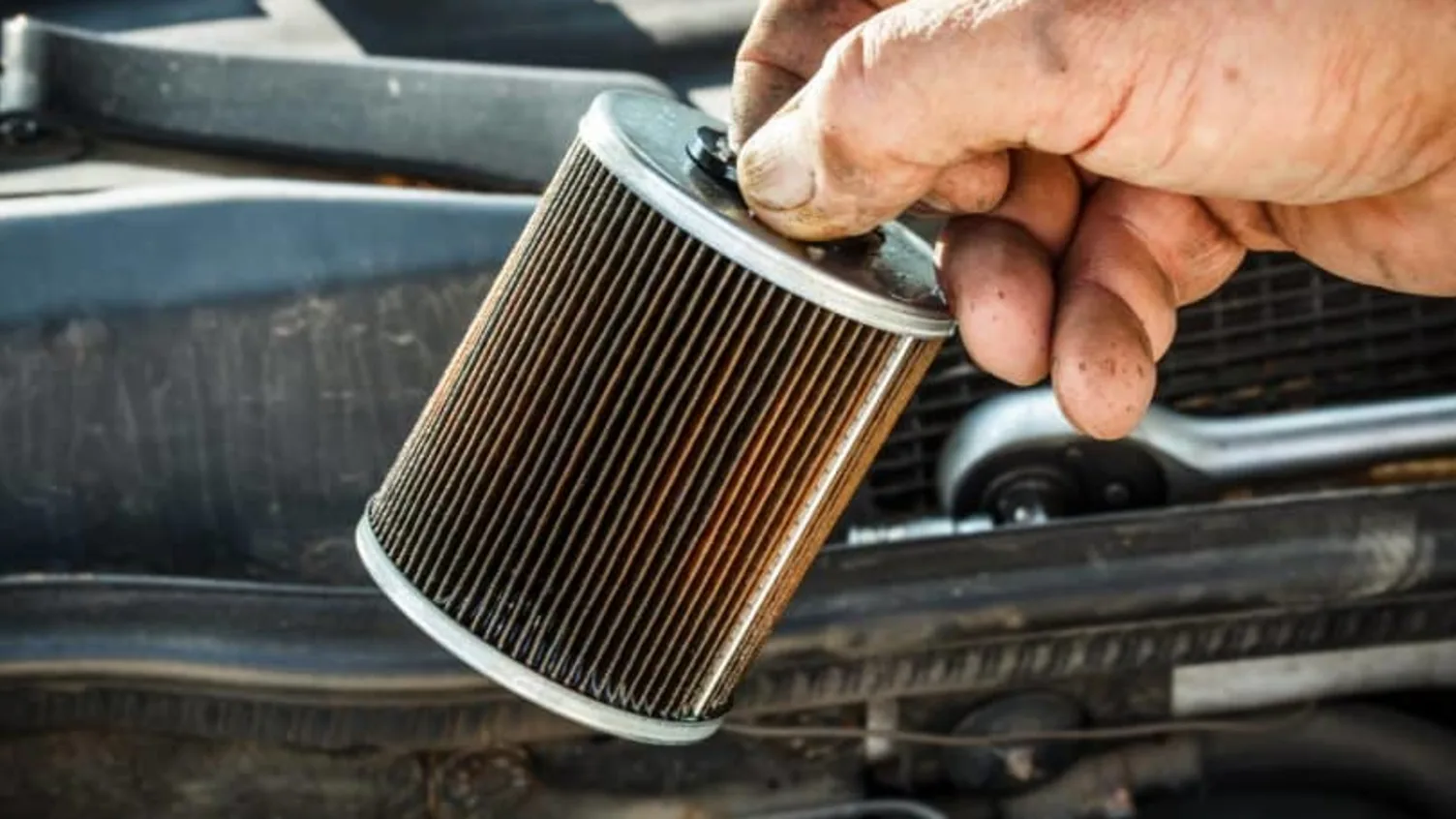
A dirty fuel filter lets dirt enter the engine. These particles damage fuel injectors and other parts. The engine may run rough or stall. Poor fuel flow causes loss of power and poor fuel economy. Ignoring the filter can lead to major engine failure. Repairing engine damage is time-consuming and expensive.
Increased Repair Costs
Failing to replace the fuel filter increases repair bills. Small problems turn into big repairs over time. Fuel system components wear out faster with a clogged filter. You may need to replace injectors, pumps, or even the whole engine. Regular filter changes prevent these costly fixes. Spending a little on maintenance saves a lot on repairs.
Credit: www.bigboxcars.com.au
Frequently Asked Questions
How Often Should I Replace My Diesel Fuel Filter?
Replace your diesel fuel filter every 20,000 to 40,000 miles. Check your vehicle’s manual for specific intervals. Regular replacement ensures engine efficiency and prevents clogging.
What Happens If I Don’t Change The Fuel Filter?
A clogged fuel filter restricts fuel flow, causing poor engine performance. It can lead to stalling, reduced power, and increased fuel consumption. Timely changes avoid costly repairs.
Can I Change The Diesel Fuel Filter Myself?
Yes, if you have basic mechanical skills and tools. Always follow safety guidelines and consult your vehicle’s manual. If unsure, seek professional help to avoid damage.
How To Know If My Diesel Fuel Filter Needs Changing?
Signs include engine misfires, difficulty starting, decreased power, and unusual noises. Regular inspection helps catch issues early. Don’t ignore warning signs to maintain engine health.
Conclusion
Changing your diesel fuel filter regularly keeps your engine healthy. Dirty filters can block fuel flow and cause problems. Most experts suggest changing it every 10,000 to 25,000 miles. Check your vehicle’s manual for the exact number. Watching for signs like rough idling or trouble starting helps.
Clean filters improve fuel efficiency and engine life. Don’t wait until issues appear. Regular maintenance saves money and stress. Stay on top of your fuel filter care for smooth driving. Simple steps make a big difference in diesel engine health.


