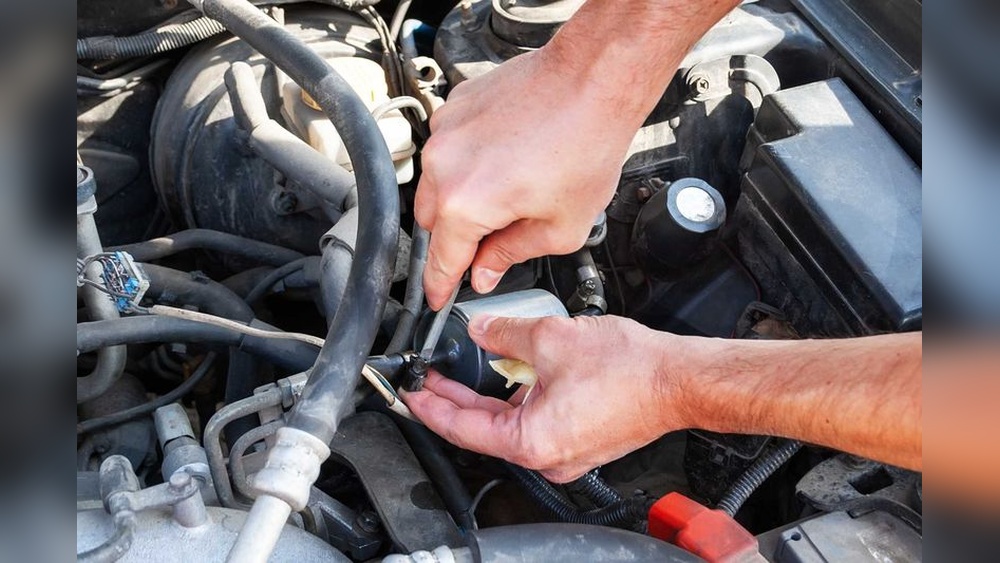
You rely on your vehicle every day, and keeping it running smoothly is probably one of your top priorities. But have you ever stopped to think about your fuel filter?
This small part plays a big role in protecting your engine from dirt and debris. If your fuel filter gets clogged, it can cause serious problems, leaving you stranded or facing costly repairs. So, how often should you change your fuel filter to avoid these issues?
Keep reading, because understanding this simple maintenance step can save you time, money, and a lot of frustration.
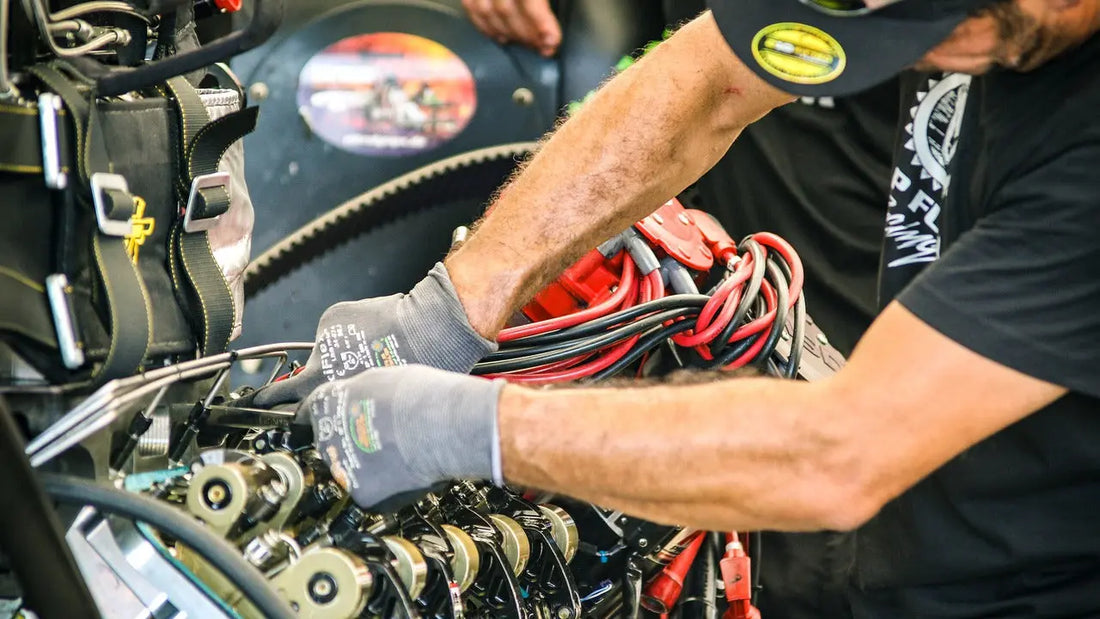
Credit: www.ievilenergy.com
Role Of A Fuel Filter
The fuel filter plays a key role in keeping your vehicle running smoothly. It cleans the fuel before it reaches the engine. This helps protect the engine from damage caused by dirt and debris. A clean fuel filter ensures the engine gets pure fuel. This leads to better performance and longer engine life.
Ignoring the fuel filter can cause problems. A dirty filter can block fuel flow and reduce engine power. Knowing its role helps you maintain your vehicle better.
Fuel Filter Function
The main job of the fuel filter is to trap dirt and particles. Fuel often contains tiny impurities. These can harm the engine if they reach it. The filter captures these impurities and stops them. It keeps the fuel clean and safe for the engine parts.
Fuel filters come in different types but all work the same way. They provide a barrier between the fuel and the engine. This prevents clogging and wear inside the engine.
Impact On Engine Performance
A clean fuel filter helps the engine run efficiently. It allows fuel to flow freely and evenly. This leads to smooth acceleration and better fuel economy. When the filter is clogged, fuel flow slows down. The engine may hesitate or lose power.
Dirty filters can cause rough idling and engine misfires. They make the engine work harder, which wastes fuel. Changing the fuel filter regularly keeps the engine healthy. It helps maintain good performance and saves money on repairs.
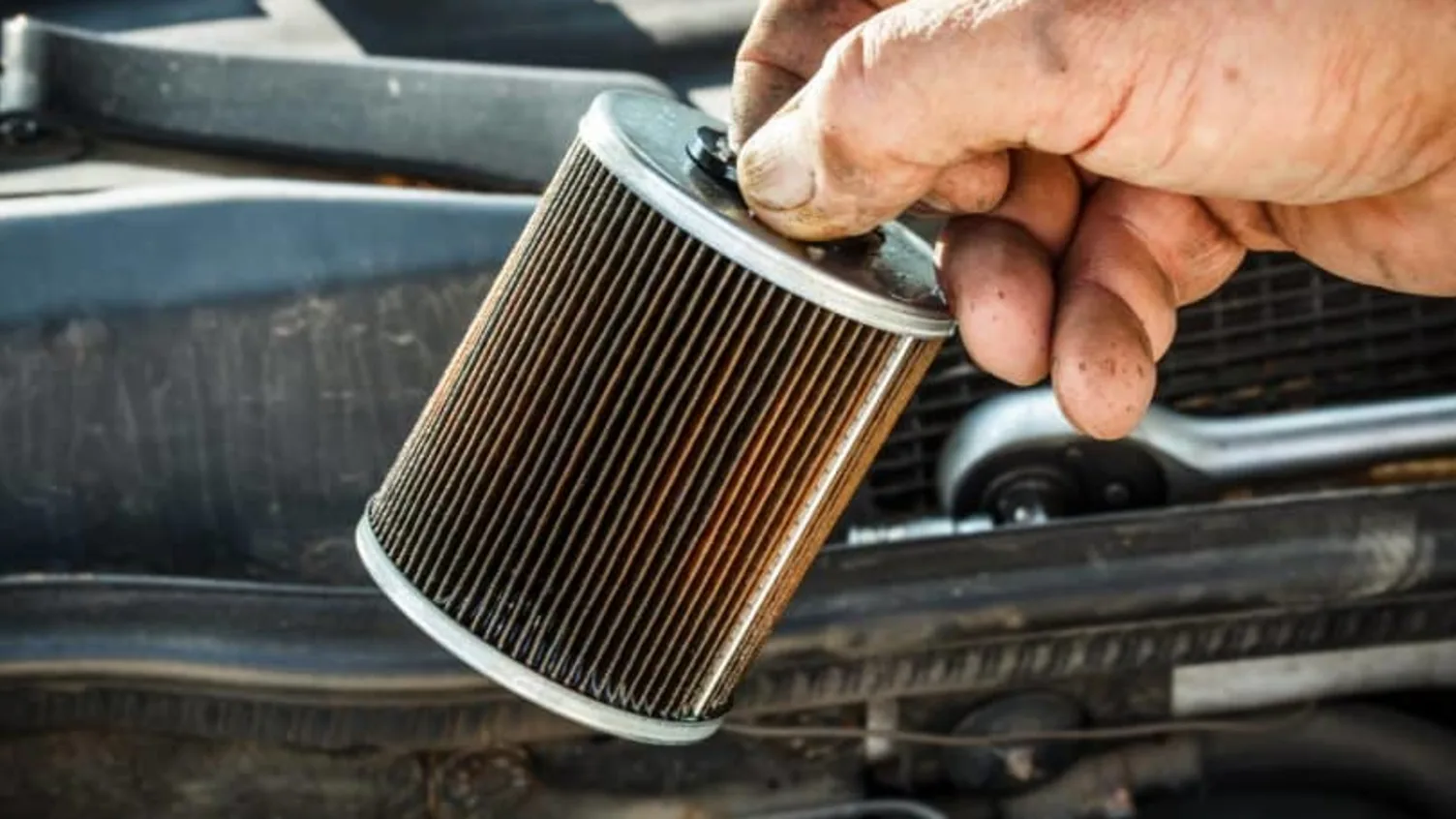
Credit: www.bigboxcars.com.au
Signs Of A Clogged Fuel Filter
A clogged fuel filter affects your car’s performance. It stops fuel from flowing well to the engine. This can cause several problems. Knowing the signs helps you fix the issue early. It keeps your engine running smoothly.
Reduced Engine Power
The engine may feel weak or slow. You might notice less power when driving. The car struggles on hills or during quick acceleration. This happens because less fuel reaches the engine. A clogged filter blocks the fuel flow.
Starting Issues
Your car might be hard to start. It could take longer than usual to turn on. Sometimes, it won’t start at all. The clogged filter stops enough fuel from reaching the engine. This makes starting difficult and frustrating.
Unusual Engine Noises
You may hear strange sounds from the engine. The noise can be rough or uneven. This happens because the engine is not getting enough fuel. The clogged filter causes the engine to work harder.
Recommended Replacement Intervals
Knowing the right time to change your fuel filter keeps your engine healthy. The recommended replacement intervals help you avoid problems. They vary based on different factors. Following these guidelines improves fuel flow and engine performance.
Understanding the recommended intervals helps you plan regular maintenance. It also saves money on costly repairs later. Let’s explore how these intervals are set and what affects them.
Manufacturer Guidelines
Car makers give specific advice on fuel filter replacement. This advice appears in your vehicle’s owner manual. Usually, they recommend changing the filter every 20,000 to 40,000 miles. Some newer cars may have longer intervals. Always follow the manufacturer’s schedule for best results.
Variations By Vehicle Type
Different vehicles need different filter change intervals. Gasoline engines often require more frequent changes than diesel engines. Older cars usually need more attention than modern ones. Larger vehicles like trucks may have tougher filters. Check your vehicle type to know the right timing.
Driving Conditions Impact
Driving habits and environment affect fuel filter life. Rough roads, dirt, and dust make filters clog faster. Stop-and-go traffic or short trips also wear filters out. Clean fuel and smooth driving extend filter life. Adjust your replacement schedule if you drive in tough conditions.
Diy Vs Professional Replacement
Deciding between replacing your fuel filter yourself or hiring a professional depends on several factors. Some car owners enjoy doing basic maintenance tasks. Others prefer expert help to avoid risks. Understanding the difference can save time and money.
DIY replacement gives a sense of achievement. It can also cut costs. But it requires some tools and knowledge. Mistakes might cause damage or safety issues. Professionals bring experience and proper equipment. They handle complex cases safely and quickly.
Tools Needed For Diy
To replace a fuel filter yourself, gather these tools:
- Wrench set
- Screwdrivers
- New fuel filter
- Safety gloves
- Eye protection
- Container for fuel catch
- Rags for spills
Steps To Replace Fuel Filter
First, relieve fuel system pressure. This prevents fuel spray.
Next, locate the fuel filter under the car or near engine bay.
Use the wrench to loosen the fuel lines connected to the filter.
Remove the old filter carefully. Dispose of it properly.
Install the new filter in the same direction as the old one.
Tighten the fuel lines securely. Check for leaks.
Start the engine and observe for any fuel smell or drips.
When To Seek Professional Help
Call a mechanic if you lack the right tools or knowledge.
Complex fuel systems or hard-to-reach filters need expert care.
Signs like fuel leaks or engine problems require immediate professional attention.
Professional replacement also ensures warranty protection on some cars.
Consequences Of Neglecting Fuel Filter
Neglecting your fuel filter can cause serious problems for your vehicle. This small part plays a big role in keeping your engine clean and running smoothly. Ignoring it can lead to costly damage and poor car performance.
Engine Damage Risks
A dirty fuel filter blocks fuel flow. The engine may not get enough fuel. This causes rough running and poor power. Over time, the engine parts can wear out faster. It may even cause the engine to fail.
Fuel System Contamination
The fuel filter stops dirt and rust from entering the system. When it clogs, these particles pass through. They can damage injectors and fuel pumps. Contamination lowers fuel efficiency and engine life.
Increased Repair Costs
Ignoring the fuel filter can lead to bigger repairs. Fixing damaged fuel pumps or injectors costs much more. Regular filter changes save money by preventing these issues early.
Tips To Extend Fuel Filter Life
Extending the life of your fuel filter helps keep your car running smoothly. A longer-lasting fuel filter saves money and prevents engine problems. Simple habits can protect this important part and improve your vehicle’s performance.
Using Quality Fuel
Choose clean, high-quality fuel for your car. Poor fuel contains dirt and impurities. These can clog the filter quickly. Filling up at trusted gas stations reduces risks. Clean fuel means less strain on the fuel filter. It helps the filter last longer and work better.
Regular Vehicle Maintenance
Keep your car in good shape with regular check-ups. Changing oil and air filters on time helps the whole system. Scheduled inspections catch problems early. Mechanics can spot a dirty or clogged fuel filter. Timely maintenance prevents damage and extends filter life. A well-maintained car runs more efficiently.
Monitoring Fuel System Health
Watch for signs of fuel system trouble. Poor engine performance or hard starts may signal a bad filter. Strange noises or stalling are warning signs too. Use dashboard alerts as clues. Checking fuel pressure can also help. Early detection stops bigger issues and protects your fuel filter. Stay alert and act fast to keep your car healthy.

Credit: www.mercedesbenzportland.com
Frequently Asked Questions
How Often Should You Replace Your Fuel Filter?
Typically, replace your fuel filter every 20,000 to 40,000 miles. Check your vehicle’s manual for specifics. Regular replacement maintains engine performance and fuel efficiency.
What Are Signs Of A Clogged Fuel Filter?
Common signs include engine misfires, stalling, poor acceleration, and difficulty starting. These symptoms suggest restricted fuel flow, needing an immediate filter change.
Can A Dirty Fuel Filter Damage My Engine?
Yes, a dirty fuel filter can cause engine damage. It restricts fuel flow, causing poor combustion and potential engine misfires or overheating.
Is It Necessary To Change The Fuel Filter Annually?
Annual changes are unnecessary for all vehicles. Follow mileage recommendations and vehicle conditions to decide. Frequent replacement is vital for older or high-mileage cars.
Conclusion
Changing your fuel filter keeps your engine running smooth. Dirty filters block fuel flow and cause problems. Check your vehicle’s manual for the right change schedule. Usually, every 20,000 to 40,000 miles works well. Watch for signs like rough idling or trouble starting.
Clean fuel means better engine health and longer life. Don’t wait too long to replace it. Staying on top of fuel filter changes saves money and stress. Simple steps protect your car and keep it strong.