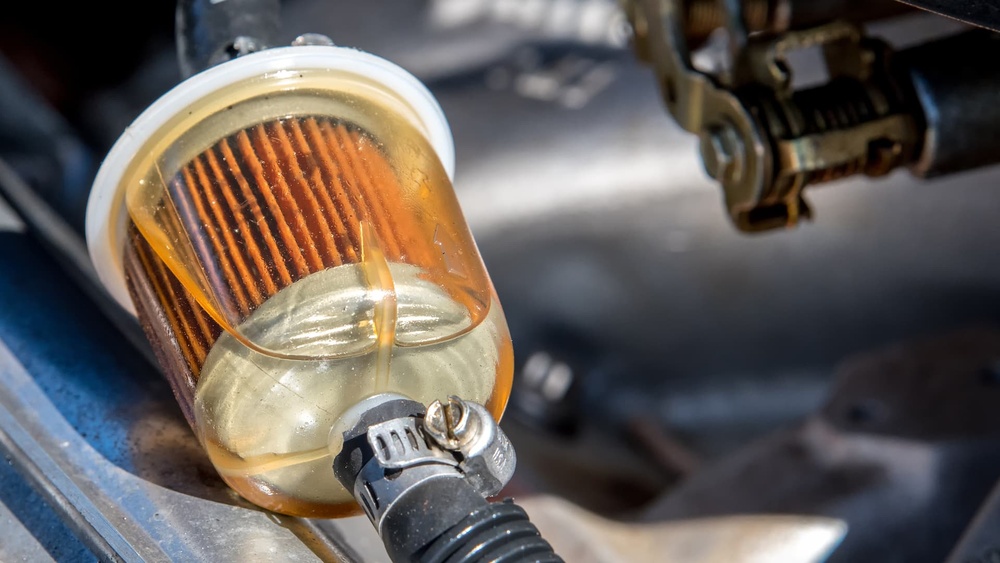
Are you wondering how much it costs for a fuel filter? Whether you’re planning a routine car maintenance or facing performance issues, knowing the price of a fuel filter can help you make smart decisions.
Your vehicle’s fuel filter plays a crucial role in keeping your engine clean and running smoothly. But how much should you expect to spend? You’ll discover the real costs involved, what affects the price, and how to get the best value for your money.
Keep reading to make sure you’re not caught off guard when it’s time to replace your fuel filter.
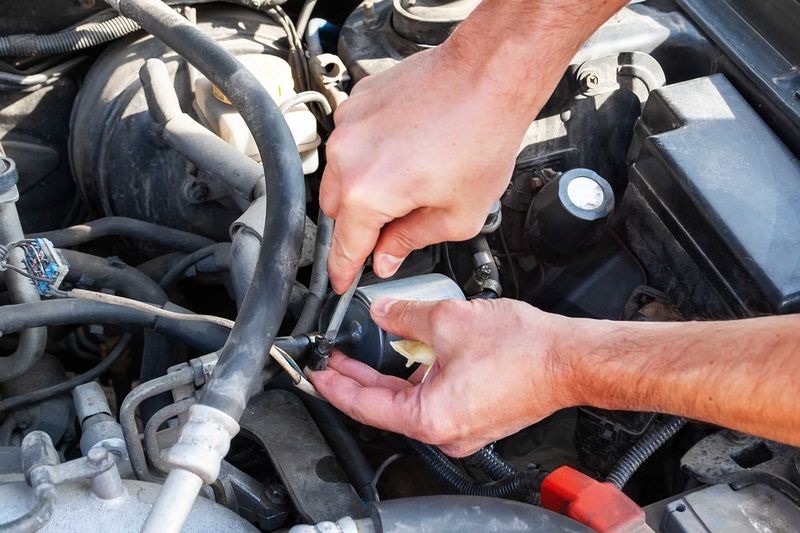
Credit: driving.ca
Fuel Filter Basics
A fuel filter is a small but important part of a vehicle. It keeps the fuel clean by catching dirt and rust. Clean fuel helps the engine run well. Without a good fuel filter, the engine may have trouble or get damaged.
Knowing the basics of fuel filters helps in understanding their cost. It also helps in choosing the right one for your vehicle.
Role In Vehicle Performance
The fuel filter stops dirt from entering the engine. Dirt in fuel can block fuel injectors and cause poor engine performance. A clean fuel filter keeps fuel flow steady. This leads to better fuel efficiency and smooth engine running. It also protects the engine parts from wear and tear.
Types Of Fuel Filters
Fuel filters come in different types. Some are inside the fuel tank. Others are outside the engine bay. Paper filters are common and cheap. They trap small particles well. Metal filters last longer but cost more. There are also spin-on filters that are easy to replace. Choosing the right type depends on your vehicle and driving conditions.

Credit: www.fonho.com
Factors Affecting Fuel Filter Prices
Several factors influence the cost of a fuel filter. Understanding these helps in choosing the right filter for your vehicle. Prices vary based on material, vehicle type, and brand options.
Filter Material And Quality
The material of a fuel filter affects its price and performance. High-quality filters use better materials that last longer. Cheaper filters may clog faster and need replacement sooner. Quality materials ensure cleaner fuel and protect the engine better.
Vehicle Make And Model
The cost of a fuel filter depends on the vehicle make and model. Some cars need special filters that cost more. Luxury or rare vehicles often have pricier fuel filters. Common models usually have affordable, widely available options.
Oem Vs Aftermarket Options
OEM filters come from the vehicle manufacturer and usually cost more. Aftermarket filters are made by third parties and often cost less. Both types can work well, but OEM filters match original specifications exactly. Aftermarket filters may vary in quality and price.
Price Range For Fuel Filters
The price of fuel filters varies widely based on quality and brand. Understanding the price range helps in choosing the right filter for your vehicle. Fuel filters protect your engine by removing dirt and debris from fuel. A good filter keeps your engine running smoothly and saves costly repairs.
Budget Filters
Budget fuel filters cost between $10 and $20. These filters offer basic protection for older or less-demanding vehicles. They are made from standard materials and may not last as long. Ideal for temporary use or tight budgets.
Mid-range Filters
Mid-range filters usually cost from $20 to $50. They provide better filtration and durability. These filters suit most daily drivers and newer vehicles. Often made with higher-quality materials for longer life and better engine protection.
Premium Filters
Premium fuel filters range from $50 to $100 or more. Designed for high-performance or luxury vehicles. They use advanced materials and technology for superior filtration. Premium filters extend engine life and improve fuel efficiency.
Credit: www.reddit.com
Installation Costs
Installation costs affect the total price of a fuel filter replacement. These costs vary depending on how and where the installation happens. Knowing what impacts these costs helps make a better choice. The main options are doing it yourself or hiring a professional service.
Diy Installation Savings
Installing a fuel filter yourself saves money on labor fees. You only pay for the part and some tools, if needed. This option suits those with basic car repair skills. It takes time but costs less than hiring a mechanic. Be sure to follow safety steps to avoid damage.
Professional Service Fees
Mechanics charge fees based on labor time and difficulty. Typical rates range from $50 to $150 per hour. Some shops offer a flat fee for fuel filter installation. Professionals ensure proper fitting and test the vehicle afterward. This option costs more but adds peace of mind.
Where To Buy Fuel Filters
Finding the right place to buy a fuel filter affects both price and quality. Knowing where to shop helps you save money and get the correct part for your vehicle. Various options suit different needs and budgets. Each option offers unique benefits worth considering.
Online Retailers
Online stores offer a wide range of fuel filters. You can compare prices and read customer reviews easily. Many websites provide detailed product information and fitment guides. Shipping is usually fast and may be free on certain orders. Shopping online saves time and often costs less than stores.
Auto Parts Stores
Local auto parts shops carry fuel filters for many car models. Staff can help you find the right filter and answer questions. You get the part immediately without waiting for delivery. These stores may offer installation services or advice. Prices can be higher than online but convenience is a plus.
Dealerships
Car dealerships sell fuel filters designed specifically for your vehicle brand. These parts match original equipment standards exactly. Dealership prices tend to be higher than other sellers. You gain confidence in quality and warranty support. Ideal for those who want genuine parts and expert service.
Tips To Save On Fuel Filter Expenses
Saving money on fuel filter costs helps keep your car running well. Small steps can reduce how much you spend on parts and service. Smart choices extend the life of your fuel filter and cut down replacement needs.
Choosing The Right Filter
Select a fuel filter that fits your car’s make and model. Using the correct part avoids damage and extra repairs. Cheaper filters might seem good but can cause engine problems. A quality filter saves money by lasting longer and working better.
Timing Your Replacement
Change the fuel filter at recommended intervals. Waiting too long can harm the engine and increase costs. Check your car manual for the right timing. Regular maintenance prevents costly repairs and keeps fuel flow smooth.
Utilizing Discounts And Coupons
Look for discounts from auto shops or online stores. Coupons can lower the price of filters and labor. Join loyalty programs to get special offers. Saving a bit on each purchase adds up over time.
Frequently Asked Questions
How Much Does A Fuel Filter Replacement Cost?
Fuel filter replacement typically costs between $50 and $150. Prices vary by vehicle type and filter quality. Labor fees can also affect the total cost.
How Often Should I Replace My Fuel Filter?
Most manufacturers recommend replacing the fuel filter every 20,000 to 40,000 miles. Regular changes ensure optimal engine performance and fuel efficiency.
Can I Replace The Fuel Filter Myself?
Yes, if you have basic mechanical skills and tools. However, some vehicles require professional service due to complex fuel systems.
What Factors Influence Fuel Filter Replacement Cost?
Vehicle make, model, filter type, and labor rates affect the cost. High-performance or specialty filters tend to be more expensive.
Conclusion
Fuel filter costs vary based on type and vehicle model. Basic filters cost less but may need frequent changes. Premium filters last longer but come at a higher price. Labor charges can add to the total expense. Regular filter replacement helps keep your engine clean and efficient.
Choose a filter that fits your budget and car needs. Remember, a clean fuel filter saves money on repairs later. Stay informed and maintain your vehicle properly for smooth driving.