

Your vehicle’s fuel filter plays a crucial role in keeping your engine running smoothly. But what happens when it gets dirty or clogged?
You might think the only solution is to remove and replace it, but what if you could clean it without taking it out? Imagine saving time, avoiding extra tools, and getting your car back on the road faster. You’ll discover simple, effective steps to clean your fuel filter right where it is.
Keep reading to learn how you can maintain your engine’s health without the hassle.

Credit: www.reddit.com
Signs Of A Dirty Fuel Filter
A dirty fuel filter can cause many problems in your vehicle. It blocks the flow of fuel to the engine. This makes your car work harder and less smoothly. Knowing the signs helps you fix the issue early. It saves money and avoids bigger repairs.
Engine Performance Issues
The engine may run rough or stall often. You might feel a lack of power when driving. Acceleration can become slow and jerky. These happen because the engine gets less fuel than needed.
Fuel Efficiency Drop
Your car may use more fuel than usual. A clogged filter makes the engine burn fuel less well. This means you spend more money on gas. Watching your mileage can alert you to this problem.
Starting Problems
The car may take longer to start. Sometimes it may not start at all. A dirty fuel filter stops fuel from reaching the engine. This makes ignition difficult or impossible.
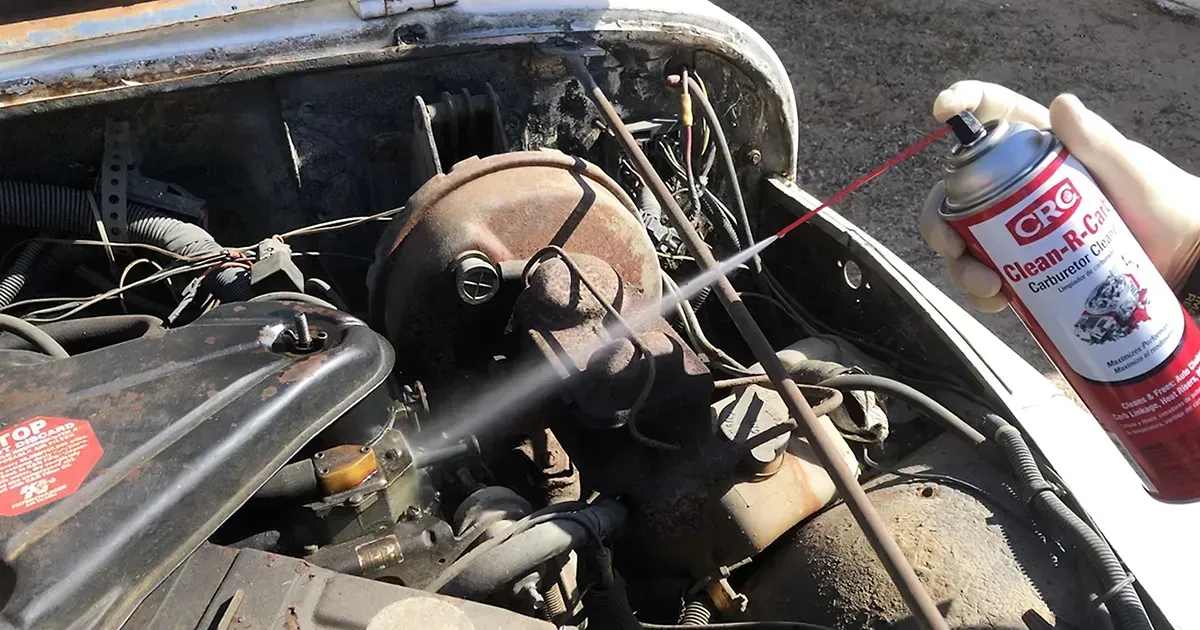
Credit: www.crcindustries.com
Tools And Materials Needed
Cleaning a fuel filter without removing it needs certain tools and materials. These items help you clean safely and effectively. Prepare them before starting to avoid interruptions. Keep your workspace clean and organized.
Cleaning Solutions
Use a fuel-safe cleaner or solvent. These dissolve dirt and grime inside the filter. Avoid harsh chemicals that can damage parts. Choose a cleaner made for engines or fuel systems. Small bottles are enough for one cleaning session.
Safety Gear
Wear gloves to protect your hands from chemicals. Use safety goggles to shield your eyes. A mask helps avoid inhaling fumes. Work in a well-ventilated area or outdoors. Keep a fire extinguisher nearby for emergencies.
Basic Tools
Have a small brush or soft cloth for scrubbing. Use a spray bottle to apply the cleaner. A wrench or pliers might help with access points. Keep a container to catch any spilled fuel or cleaner. Paper towels are useful for wiping and drying.
Safety Precautions Before Cleaning
Cleaning a fuel filter without removing it requires careful attention to safety. Fuel and its fumes are highly flammable and can cause harm. Taking the right precautions protects you and your surroundings.
Before starting, understand the risks. Fuel spills or vapors can ignite easily. Protect yourself with proper gear and work in a safe space.
Work In A Well-ventilated Area
Always clean the fuel filter outdoors or in a garage with open doors. Fresh air helps disperse harmful fumes. Avoid small, enclosed spaces to reduce the risk of inhaling toxic vapors.
Wear Protective Equipment
Wear gloves to keep fuel off your skin. Use safety glasses to protect your eyes from splashes. A long-sleeve shirt can prevent skin contact with fuel or dirt. These simple steps keep you safe from irritation and injury.
Avoid Open Flames
Keep away from cigarettes, sparks, and flames during cleaning. Fuel vapors can catch fire quickly. Turn off the engine and remove any sources of ignition before you start.

Credit: www.youtube.com
Step-by-step Cleaning Process
Cleaning a fuel filter without removing it can save time and effort. This step-by-step process helps keep your engine running smoothly. Follow these simple steps to clean your filter safely and effectively.
Locate The Fuel Filter
Find the fuel filter in your vehicle. It is usually near the fuel tank or engine. Check your car manual for exact location. Make sure the engine is off and cool before you start.
Prepare The Cleaning Solution
Mix a cleaning solution using water and a small amount of mild detergent. Avoid strong chemicals that can damage the filter. Use a clean container to hold the solution. This mix will help break down dirt and debris.
Flush The Filter Without Removal
Attach a hose to the fuel line before the filter. Gently flush the cleaning solution through the filter. Use low pressure to avoid damage. Repeat flushing until the liquid runs clear. This removes trapped dirt inside the filter.
Drying The Filter
Allow the filter to air dry completely. Do not use heat or compressed air. Moisture inside the filter can cause engine problems. Wait until the filter is fully dry before restarting the engine.
Tips For Maintaining Fuel Filter Health
Keeping your fuel filter clean is key to a smooth-running engine. A healthy fuel filter stops dirt and debris from reaching the engine. This helps your vehicle last longer and run better. Follow these simple tips to keep your fuel filter in good shape. They save time and prevent costly repairs.
Regular Inspection
Check your fuel filter often. Look for signs of dirt, rust, or damage. Use a flashlight if needed. A quick look helps catch problems early. Early detection keeps the fuel system clean. Inspect more if you drive on dusty roads or in bad weather. Simple checks save big repairs later.
Use Quality Fuel
Always use clean, good-quality fuel. Cheap fuel may contain more dirt and water. This can clog your filter fast. Buy fuel from trusted stations. Clean fuel reduces strain on your filter. It keeps the engine running smooth and saves money on repairs.
Schedule Routine Cleanings
Clean your fuel filter regularly without removing it. Use fuel system cleaners designed for this task. Follow the product instructions carefully. Regular cleanings prevent buildup inside the filter. This keeps fuel flowing freely. Set reminders to clean your filter every few months or as your vehicle manual suggests.
When To Replace Instead Of Clean
Cleaning a fuel filter without removing it can help maintain engine performance. Yet, some situations require replacing the filter instead of cleaning. Knowing when to replace the fuel filter saves time and prevents damage.
Signs Of Severe Damage
Look for cracks or holes on the filter. Rust or heavy dirt buildup shows damage. Engine misfires or stalling might mean the filter is clogged. These signs show cleaning is not enough.
Filter Age And Mileage
Fuel filters wear out over time. Most filters last 20,000 to 30,000 miles. Old filters lose their ability to protect the engine. Replace filters that have reached the mileage limit.
Professional Inspection Advice
Mechanics can check the filter’s condition accurately. They use special tools and experience. A professional inspection can confirm if cleaning works or replacement is needed. Trust expert advice to keep your engine safe.
Frequently Asked Questions
How Can I Clean A Fuel Filter Without Removal?
You can clean a fuel filter by using a fuel system cleaner additive. Add it to your gas tank and run the engine. This helps dissolve deposits inside the filter, improving flow without removal. Regular use maintains filter cleanliness and engine performance effectively.
Is It Safe To Clean A Fuel Filter In Place?
Yes, cleaning with fuel additives is safe and non-invasive. Avoid using harsh chemicals or physical tools that might damage the filter. Always follow manufacturer instructions and use recommended products to ensure safety and proper engine function.
How Often Should I Clean My Fuel Filter?
It depends on your vehicle and fuel quality. Generally, use a fuel system cleaner every 3,000 to 5,000 miles. Regular maintenance prevents clogging, enhances fuel efficiency, and prolongs filter life without removal.
Can Cleaning A Fuel Filter Improve Engine Performance?
Yes, a cleaner fuel filter ensures better fuel flow. This leads to smoother engine operation, improved fuel efficiency, and reduced emissions. Cleaning without removal is a quick way to maintain engine health.
Conclusion
Cleaning a fuel filter without removing it saves time and effort. Use proper cleaning sprays and tools to clear dirt and debris. Regular maintenance helps your engine run smoothly and last longer. Always follow safety steps while cleaning to avoid damage.
Keep an eye on your fuel filter’s condition for better performance. Simple care can prevent costly repairs down the road. Try these easy cleaning tips to keep your vehicle healthy. Small actions make a big difference.


