

Have you ever wondered how many kilometers you should drive before changing your fuel filter? Knowing the right time to replace this small but vital part can save you from costly repairs and keep your vehicle running smoothly.
If you’re unsure when to act or worried about damaging your engine, this article is for you. Keep reading to discover the simple signs and exact mileage that tell you it’s time to change your fuel filter—and how doing it at the right moment protects your car and your wallet.
Fuel Filter Basics
Understanding fuel filter basics helps keep your vehicle running well. The fuel filter cleans dirt and rust from the fuel. Clean fuel means better engine performance and fewer problems.
Changing the fuel filter regularly protects the engine parts. It stops clogs in fuel injectors and keeps fuel flowing smoothly. Knowing about fuel filters helps you maintain your vehicle better.
Role In Vehicle Performance
The fuel filter traps dirt and debris from the fuel. It stops these particles from reaching the engine. A clean filter helps the engine get enough fuel. This leads to smooth running and good power.
A dirty filter can cause rough idling or poor acceleration. It may also increase fuel use. Changing the filter keeps the engine healthy and fuel efficient.
Types Of Fuel Filters
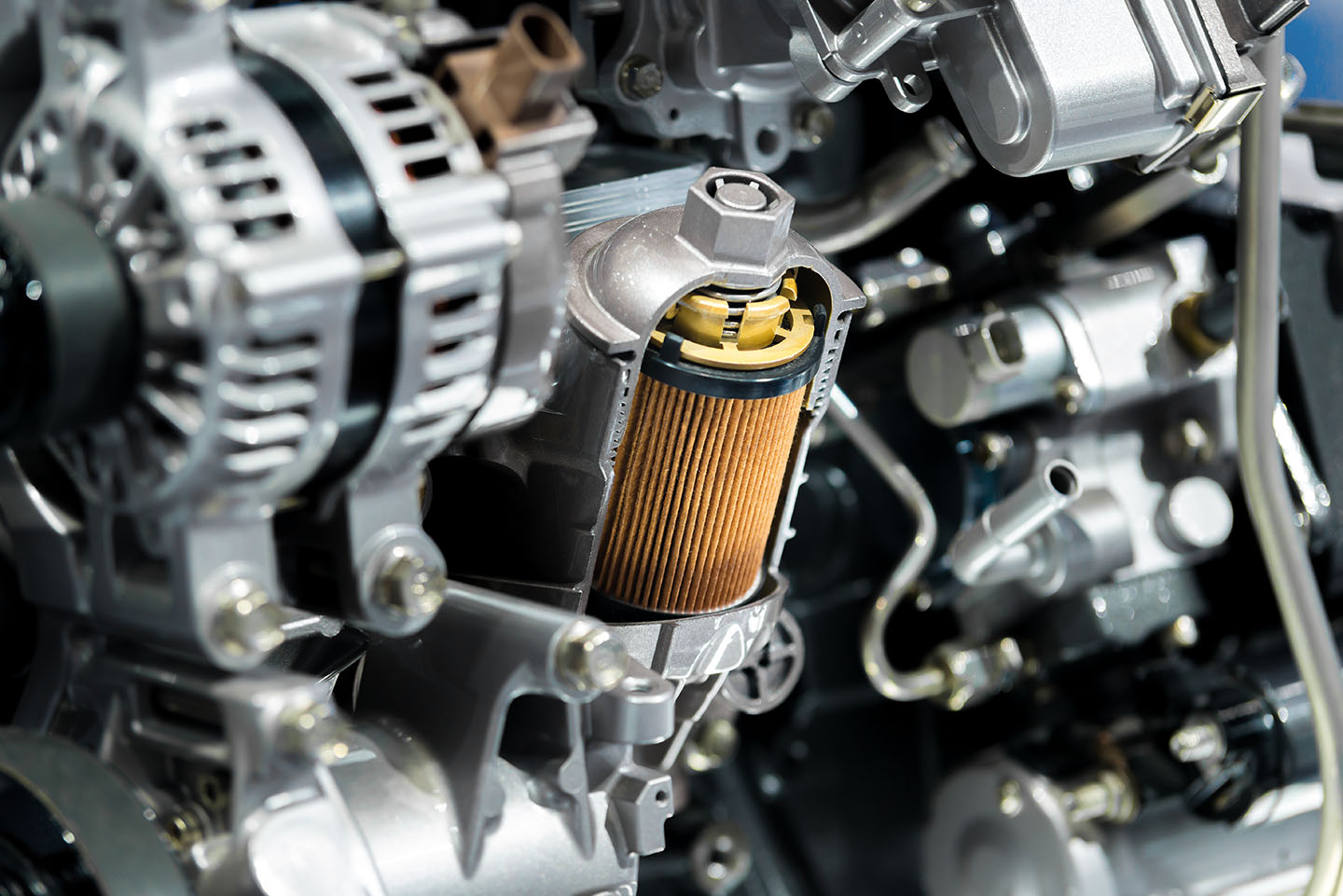
There are several types of fuel filters for different vehicles. Some are inside the fuel tank. Others are outside the tank, near the engine. Each type has a different design but the same job.
Paper filters are common and easy to replace. Some use mesh or foam for filtering. Knowing your filter type helps you choose the right replacement part.
Credit: bostechauto.com
Signs Of A Clogged Fuel Filter
A clogged fuel filter stops fuel from flowing properly to the engine. This can cause several problems. Knowing the signs helps you fix the issue early. Catching these signs saves money and keeps your car running well.
Engine Performance Issues
The engine may run rough or stall. You might feel a loss of power during acceleration. The car can hesitate or jerk while driving. These happen because the engine is not getting enough fuel.
Fuel Efficiency Drops
Your car may use more fuel than usual. A dirty fuel filter makes the engine work harder. This reduces fuel economy. You will notice more visits to the gas station.
Starting Problems
The car can take longer to start or fail to start. A clogged filter blocks fuel from reaching the engine. This causes weak or no ignition. Starting issues often mean the fuel filter needs checking.
Recommended Replacement Intervals
Knowing when to change your fuel filter is key to keeping your car running smoothly. The fuel filter stops dirt and rust from reaching your engine. Over time, it can get clogged and reduce engine performance. Changing it on time helps prevent engine problems and keeps fuel flow steady.
Manufacturer Guidelines
Car makers give clear advice on when to replace fuel filters. This info is in your car’s manual. Following these guidelines protects your engine and keeps your warranty valid. Most manufacturers suggest checking the fuel filter every 20,000 to 40,000 kilometers. Stick to their schedule for the best results.
Average Kilometer Range
The common range for changing a fuel filter is between 20,000 and 50,000 kilometers. This depends on driving conditions and fuel quality. Cars driven in dusty areas may need more frequent changes. Regular replacement within this range helps avoid engine trouble and keeps fuel clean.
Variations By Vehicle Type
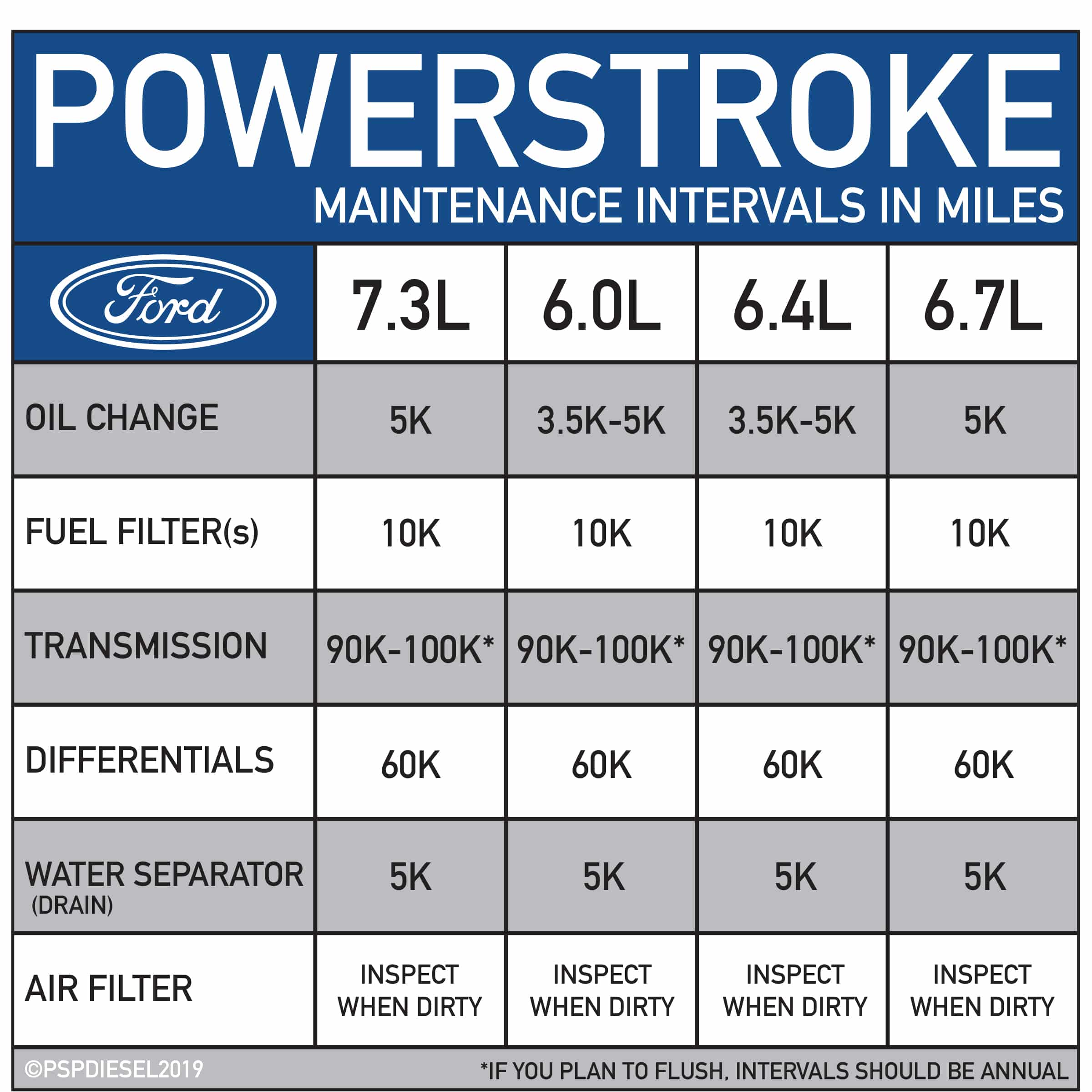
Different vehicles need different fuel filter intervals. Small cars often require changes closer to 20,000 kilometers. Trucks and SUVs may last longer, up to 50,000 kilometers. Diesel engines usually need more frequent filter changes than petrol engines. Always check your vehicle’s specific needs.
Factors Affecting Fuel Filter Life
The life of a fuel filter depends on many factors. These factors affect how soon the filter gets clogged. Knowing them helps keep your car running well. It also helps you decide when to change the filter.
Fuel Quality
Fuel quality plays a big role in filter life. Low-quality fuel has more dirt and impurities. These particles clog the filter faster. Using clean fuel extends the filter’s life. Always choose fuel from trusted sources.
Driving Conditions
Driving conditions affect how hard the fuel filter works. Rough roads and stop-and-go traffic increase wear. Dusty or dirty environments add more particles to the fuel. This makes the filter clog sooner. Smooth highways cause less stress on the filter.
Maintenance Habits
Good maintenance habits help the fuel filter last longer. Regularly checking and replacing the filter keeps the engine clean. Ignoring filter changes leads to poor engine performance. Follow your vehicle’s service schedule for best results.
Replacing The Fuel Filter
Replacing the fuel filter is important for your vehicle’s health. It keeps dirt and debris out of the engine. A clean fuel filter helps the engine run smoothly and saves fuel. Changing the filter on time prevents engine problems and costly repairs.
Tools Needed
- New fuel filter matching your vehicle model
- Wrenches or socket set
- Screwdriver
- Container to catch fuel
- Gloves and safety glasses
- Rags for cleaning spills
Step-by-step Process
- Park your car on a flat surface and turn off the engine.
- Locate the fuel filter under the car or in the engine bay.
- Place a container under the filter to catch leaking fuel.
- Loosen the fuel lines connected to the filter using wrenches.
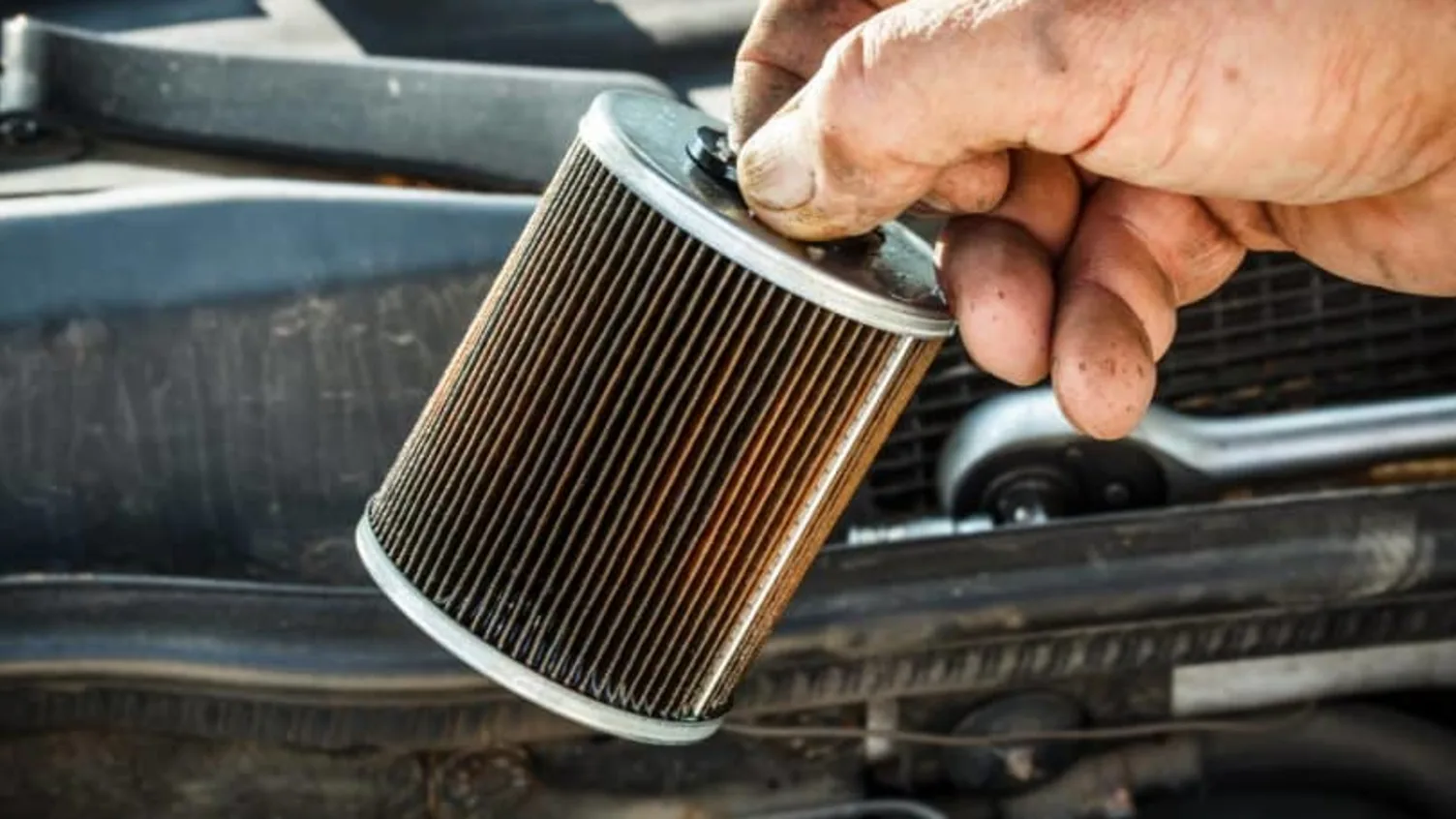
- Remove the old fuel filter carefully.
- Install the new fuel filter in the same position.
- Tighten the fuel lines securely to avoid leaks.
- Clean any spilled fuel with rags.
- Start the engine and check for leaks around the filter.
Safety Precautions
- Work in a well-ventilated area to avoid inhaling fumes.
- Wear gloves and safety glasses to protect skin and eyes.
- Keep fire sources away from the working area.
- Dispose of the old fuel filter properly.
- Do not smoke or use open flames near fuel parts.
Credit: www.bigboxcars.com.au
Costs And Benefits
Replacing a fuel filter involves costs, but the benefits often outweigh them. Knowing these costs and benefits helps you decide when to change the filter. Proper timing can save money and protect your vehicle.
Typical Replacement Costs
Fuel filter prices vary by car model and brand. On average, a fuel filter costs between $20 and $50. Labor charges at a mechanic shop can add $40 to $100. Doing it yourself can reduce costs but needs some skill. Regular replacement prevents expensive repairs later.
Long-term Savings
A clean fuel filter keeps fuel flow smooth. This improves fuel efficiency and reduces gas expenses. It also lowers the chance of engine problems. Regular changes avoid costly repairs and downtime. Spending a little now saves much more in the future.
Impact On Engine Longevity
A clogged fuel filter strains the engine. Dirt and debris can cause damage over time. Changing the filter keeps the engine clean and healthy. This extends the engine’s life and maintains performance. A well-maintained engine means fewer breakdowns and repairs.
When To Consult A Mechanic
Knowing when to consult a mechanic about your fuel filter can save your car from serious issues. The fuel filter plays a key role in keeping dirt and debris out of the engine. Sometimes, problems might go beyond just changing the filter. Understanding the warning signs helps you decide when expert help is necessary.
Signs Beyond The Filter
Watch for engine misfires or strange noises. Poor acceleration or rough idling can signal deeper trouble. If your car stalls often, it may be a sign of fuel system issues. These symptoms suggest more than a clogged filter. A mechanic can diagnose the exact cause.
Complex Replacement Cases
Some vehicles have fuel filters in hard-to-reach places. Special tools or skills might be needed for replacement. Modern cars often use fuel pumps with built-in filters. This makes replacement tricky and risky without experience. Mechanics handle these complex cases safely and correctly.
Professional Inspection Tips
Mechanics check the entire fuel system, not just the filter. They inspect fuel lines, pumps, and injectors for damage or wear. A thorough inspection helps avoid future problems. Regular check-ups ensure your car runs smoothly and efficiently. Trusting a professional keeps your vehicle in top shape.
Credit: pspdiesel.com
Frequently Asked Questions
How Often Should I Change My Fuel Filter?
You should change your fuel filter every 20,000 to 40,000 kilometers. Check your vehicle’s manual for exact intervals. Regular changes ensure optimal engine performance and prevent fuel system issues.
What Signs Indicate A Clogged Fuel Filter?
A clogged fuel filter causes engine misfires, reduced power, and poor acceleration. You may also notice difficulty starting or stalling. These symptoms signal it’s time to replace the fuel filter.
Does Driving Condition Affect Fuel Filter Change Frequency?
Yes, dusty or rough driving conditions can clog the fuel filter faster. In such cases, changing it more frequently than recommended is beneficial to maintain engine health.
Can I Change The Fuel Filter Myself?
Yes, if you have basic mechanical skills and tools, you can replace the fuel filter. Always follow safety precautions and consult your vehicle’s service manual before starting.
Conclusion
Changing your fuel filter regularly keeps your engine healthy. Most cars need a new filter every 20,000 to 40,000 kilometers. Check your vehicle’s manual for exact numbers. A clean fuel filter helps fuel flow smoothly. It stops dirt from reaching the engine.
This means better performance and fewer repairs. Don’t wait for problems to appear. Keep track of your kilometers and plan changes on time. Taking care of your fuel filter saves money and stress in the long run. Simple steps make your car run longer and better.


