

Are you thinking about changing the look of your car without committing to a permanent paint job? Vinyl wrap might be the perfect solution for you.
But how good is vinyl wrap for cars really? Can it protect your vehicle, save you money, and give your ride a fresh, stylish appearance? You’ll discover the surprising benefits and possible downsides of vinyl wrapping. By the end, you’ll know if this trend is the right choice for your car and your budget.
Keep reading to find out everything you need before making your decision.
Benefits Of Vinyl Wraps
Vinyl wraps offer many benefits for car owners. They provide a practical way to change a car’s look without permanent changes. Many people choose vinyl wraps to protect their car’s paint and save money. The options for design and style are wide, making it easy to find a look that fits your taste.
Vinyl wraps also make car care simpler. They allow temporary changes to a car’s appearance. These advantages make vinyl wraps a popular choice for many drivers.
Cost-effective Alternative
Vinyl wraps cost less than full paint jobs. They save money on labor and materials. This option is good for those on a budget. You get a new look without spending too much. Wrapping a car is faster than painting it. This means less time without your vehicle.
Variety Of Design Options
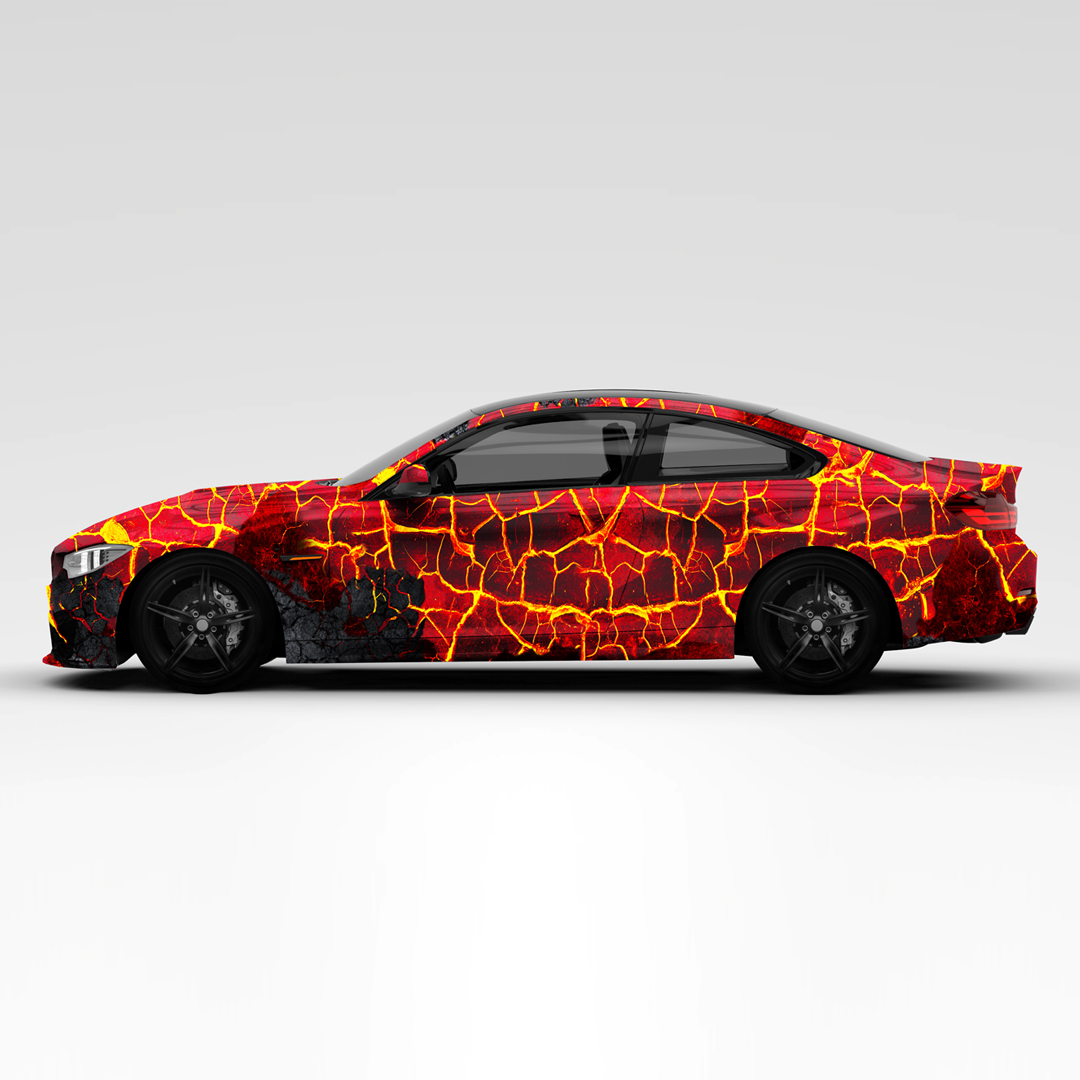
Vinyl wraps come in many colors and finishes. Choose matte, gloss, satin, or textured looks. Custom patterns and graphics are easy to apply. This variety allows personal style to shine. The possibilities are almost endless for creativity.
Protection For Original Paint
The wrap acts as a shield for your car’s paint. It guards against scratches, chips, and sun damage. This keeps the original paint in good condition. When the wrap is removed, the paint stays safe. This helps maintain the car’s value over time.
Ease Of Maintenance
Vinyl wraps require less cleaning than painted surfaces. Dirt and grime do not stick as easily. Washing the car is quick and simple. No need for waxing or polishing. This saves time and effort on car care.
Temporary Customization
Vinyl wraps are removable without damage. Change your car’s look as often as you want. This suits people who like to update styles regularly. Perfect for special events or seasonal designs. The car can return to its original look anytime.

Credit: goodcar.com
Drawbacks Of Vinyl Wraps
Vinyl wraps offer many benefits for car owners, but they are not perfect. Understanding the drawbacks helps you make a better choice. Vinyl wraps have limits and challenges that can affect your car and budget.
Potential For Damage
Vinyl wraps can sometimes cause damage to the car’s paint. Poor installation or removal may peel the paint off. Dirt or dust trapped under the wrap can create scratches. This risk increases if the car’s paint is old or weak.
Limited Lifespan
Vinyl wraps do not last forever. Most wraps last between 3 to 7 years. Exposure to sun, rain, and weather weakens the material over time. After a few years, the wrap may crack or start to peel.
Installation Challenges
Installing a vinyl wrap requires skill and patience. It can be difficult to cover curves and edges smoothly. Without proper tools and experience, bubbles and wrinkles often appear. A bad install lowers the wrap’s lifespan and appearance.
Color Fading Issues
Colors on vinyl wraps can fade from sun exposure. Bright colors and matte finishes are more likely to lose vibrancy. Faded wraps look old and reduce the car’s appeal. Protecting the wrap needs extra care and attention.
Removal Considerations
Removing a vinyl wrap can be tricky and time-consuming. If done incorrectly, it may leave adhesive residue on the car. This residue can be hard to clean and might damage the paint. Professional removal is often recommended to avoid problems.
Types Of Vinyl Wraps
Vinyl wraps come in many types. Each type changes the car’s look and feel. Choosing the right type depends on style and use. Some wraps shine brightly. Others offer a soft glow. Textures also add a unique touch.
Understanding these types helps pick the best wrap. It ensures your car looks great and stays protected.
Glossy Wraps
Glossy wraps give a shiny, wet look. They reflect light well and make colors pop. These wraps look like fresh paint. They hide small scratches and dirt less. Glossy finishes suit modern and sporty cars.
Matte Finishes
Matte wraps have no shine. They create a smooth, flat surface. These wraps reduce reflections and glare. Matte finishes hide fingerprints better than glossy. They give cars a bold, stylish look.
Satin And Metallic Options
Satin wraps sit between matte and glossy. They offer a soft shine without glare. Metallic wraps add sparkle with tiny metal flakes. These types catch light in a unique way. Both create a classy and rich appearance.
Textured Wraps
Textured wraps add a feel you can touch. Common textures include carbon fiber and brushed metal. These wraps create a sporty or industrial look. Textured wraps hide dirt and scratches well. They add depth and character to any car.

Credit: teckwrap.com
Installation Process
The installation process of a vinyl wrap on cars is key to achieving a smooth, lasting finish. It requires patience, the right tools, and careful attention. Each step affects the look and durability of the wrap.
Understanding the steps helps you decide if you want to do it yourself or hire a pro. Here is a breakdown of the main parts of the installation process.
Surface Preparation
Cleaning the car surface is the first and most important step. Dirt, dust, and grease can stop the vinyl from sticking properly. Use soap and water to wash the car. Then, wipe it with isopropyl alcohol to remove oils. Make sure the surface is dry before starting the wrap. Any bumps or scratches should be fixed to avoid visible flaws under the vinyl.
Application Techniques
Start by measuring and cutting the vinyl to fit the car panels. Peel the backing slowly and apply the vinyl from one edge. Use a squeegee to press out air bubbles as you go. Stretch the vinyl gently over curves and corners. Heat guns help make the vinyl more flexible for tight spots. Work in small sections for better control and avoid wrinkles.
Common Mistakes To Avoid
Do not rush the process. Wrapping too fast leads to bubbles and wrinkles. Avoid touching the sticky side of the vinyl with dirty hands. Skipping cleaning causes poor adhesion and peeling. Applying vinyl in direct sunlight can make it stretch too much. Cutting the vinyl too short leaves gaps. Always leave extra material to trim later.
Professional Vs Diy
Professional installation offers expertise and special tools. Pros can handle complex curves and difficult spots easily. They usually provide a warranty on their work. DIY can save money but requires time and practice. Beginners may struggle with smooth application and heat shaping. Watching tutorials and practicing on small parts helps build skill. Choose based on your budget and confidence.
Cost Factors
Understanding the cost factors of vinyl wraps helps you plan your budget well. Prices vary based on several key elements. Each factor influences the final cost of wrapping your car.
Material Quality
Vinyl wrap quality affects price directly. High-quality vinyl lasts longer and looks better. Cheap vinyl may fade or peel quickly. Choosing the right material balances cost and durability.
Car Size And Complexity
Bigger cars need more vinyl, raising the cost. Complex shapes and curves take extra time to wrap. Compact cars usually cost less to wrap. The design detail also impacts the price.
Labor Expenses
Skilled installers charge more for their work. Installation time depends on car size and design. Labor costs vary by location and shop reputation. Proper installation ensures a smooth, lasting finish.
Additional Services
Extra services add to the total cost. Removing old wraps or paint prep costs extra. Custom designs or special finishes increase price too. Ask about all possible charges before starting.
Credit: www.vehiclewrapping.com
Maintenance Tips
Maintaining a vinyl wrap keeps your car looking fresh and new. Proper care helps prevent damage and extends the wrap’s life. Simple steps make a big difference in keeping the wrap clean and intact.
Cleaning Methods
Use a soft cloth or sponge for cleaning. Wash the wrap with mild soap and water only. Avoid harsh chemicals or abrasive cleaners. Rinse thoroughly to remove all soap. Dry the wrap with a soft towel to avoid water spots.
Avoiding Damage
Park your car in shaded areas to reduce sun damage. Avoid scraping or rubbing the wrap against rough surfaces. Be careful with car doors and shopping carts near the wrap. Do not use high-pressure washers too close to the edges.
Repairing Small Tears
Small tears can be fixed quickly to avoid bigger problems. Use a vinyl wrap repair kit designed for small damages. Clean the area before applying any patch or adhesive. Press the patch firmly and let it dry completely.
Longevity Enhancement
Apply a vinyl wrap protectant to shield from dirt and UV rays. Avoid parking under trees to prevent sap and bird droppings. Regularly inspect the wrap for any signs of wear or peeling. Schedule professional check-ups to keep the wrap in top shape.
Comparing Vinyl Wraps To Paint
Vinyl wraps and paint both change a car’s look. Each has unique benefits and limits. Choosing the right option depends on needs and budget. This section compares vinyl wraps to paint in key areas.
Durability Differences
Paint lasts for many years but can chip or fade. Vinyl wraps protect the car’s surface from small scratches. They resist sun damage better than some paints. Vinyl may peel over time, especially if not cared for. Paint requires less maintenance but costs more to fix.
Cost Comparison
Vinyl wraps usually cost less than a new paint job. Wraps can be done quickly, saving labor costs. Paint needs more materials and takes longer to apply. Repairing paint damage can be expensive. Vinyl wrap repairs are often cheaper and faster.
Aesthetic Flexibility
Vinyl wraps offer many colors and textures, like matte or gloss. Changing a wrap is easy, allowing for new designs. Paint colors are more limited and harder to change. Custom paint jobs take more time and money. Wraps let you try bold styles without long-term risk.
Resale Value Impact
Paint boosts car value if in good condition. Poor paint lowers resale price. Vinyl wraps protect original paint, which helps resale. Some buyers may not like wrap colors or designs. Removing vinyl is possible and restores the original look. Wraps can keep the car’s value steady.
Popular Use Cases
Vinyl wrap is popular for many uses in the car world. It offers a flexible and cost-effective way to change a car’s look. Many people and businesses choose vinyl wrap for different reasons. The material adapts well to various needs and styles.
Commercial Fleet Branding
Businesses use vinyl wrap to brand their fleet vehicles. It helps create a uniform look across all cars and trucks. The wrap shows logos, company colors, and contact details clearly. This makes the vehicles mobile advertisements driving around town. It is cheaper than painting and easier to update.
Personalized Car Designs
Car owners love using vinyl wrap to express their style. They can choose any color, pattern, or design. The wrap can mimic finishes like matte, gloss, or chrome. It protects the original paint while giving a fresh new look. It is a simple way to stand out on the road.
Temporary Advertising
Vinyl wrap works well for short-term promotions and events. Businesses can wrap cars to promote sales or new products. The wrap can be removed easily after the campaign ends. This saves money and avoids permanent changes to the vehicle. It keeps the car looking clean and fresh.
Protective Applications
Vinyl wrap also acts as a shield for car paint. It guards against scratches, stone chips, and weather damage. The wrap keeps the paint underneath in good condition. This helps maintain the car’s value over time. It is an affordable way to protect the vehicle’s surface.
Frequently Asked Questions
What Are The Benefits Of Vinyl Wrap For Cars?
Vinyl wrap protects the original paint from scratches and UV damage. It offers a cost-effective way to change car color. Wraps are customizable, quick to install, and removable without damage, making them popular for personalization and resale value preservation.
How Long Does A Car Vinyl Wrap Typically Last?
A quality vinyl wrap usually lasts between 5 to 7 years. Longevity depends on material quality, installation, and maintenance. Proper care, like regular cleaning and avoiding harsh chemicals, extends the wrap’s lifespan and keeps it looking new.
Can Vinyl Wrap Damage My Car’s Paint?
When professionally installed, vinyl wrap does not damage paint. It acts as a protective layer, preventing scratches and fading. Removing a vinyl wrap is safe if done correctly, preserving the original paint underneath.
Is Vinyl Wrap More Cost-effective Than A Car Repaint?
Vinyl wrap generally costs less than a full repaint. It offers design flexibility and quicker application. Wraps also protect the paint, which helps maintain vehicle value, making it a smart investment for many car owners.
Conclusion
Vinyl wrap offers a flexible and cost-effective way to change your car’s look. It protects the paint and can last for years with care. You can choose many colors and styles to fit your taste. Installation is quick compared to a full paint job.
Keep in mind, it needs proper cleaning and maintenance to stay fresh. Overall, vinyl wrap is a smart choice for those wanting style and protection without high costs. Worth considering if you want a new car appearance without long-term commitment.


