Have you ever wondered what keeps your engine running smoothly when fuel and water mix? If you’re dealing with diesel engines or any machinery that uses fuel, understanding how a fuel water separator filter works can save you time, money, and headaches.
This small but powerful device protects your engine from damage caused by water contamination in fuel. Keep reading, and you’ll discover exactly how it works and why it’s a must-have for your equipment’s health. Don’t let water ruin your engine—learn how to stop it in its tracks.
Fuel Water Separator Basics
A fuel water separator filter keeps water out of fuel. Water in fuel can cause engine damage and poor performance. This filter removes water and dirt before fuel reaches the engine. It helps protect engines and improve their life.
Understanding the basics of fuel water separators helps you see their value. These filters are simple but very important in many machines and vehicles.
Purpose And Importance
The main purpose of a fuel water separator is to remove water from fuel. Water can enter fuel during storage or transport. It causes rust and corrosion inside the engine. The separator filters out water and tiny particles. This keeps the engine running smoothly and avoids costly repairs.
Without this filter, fuel systems can clog or fail. Water in fuel reduces engine power and efficiency. The separator ensures clean fuel reaches the engine. It protects fuel injectors and pumps from damage.
Common Applications
Fuel water separators are used in many types of engines. Diesel trucks, boats, and heavy machinery often have these filters. They are common in agriculture and construction equipment. Any engine using diesel fuel can benefit from this filter.
Marine engines especially need fuel water separators. Water contamination is a frequent problem in boats. The separator helps avoid engine failure at sea. Vehicles operating in wet or humid places also use these filters to stay safe.
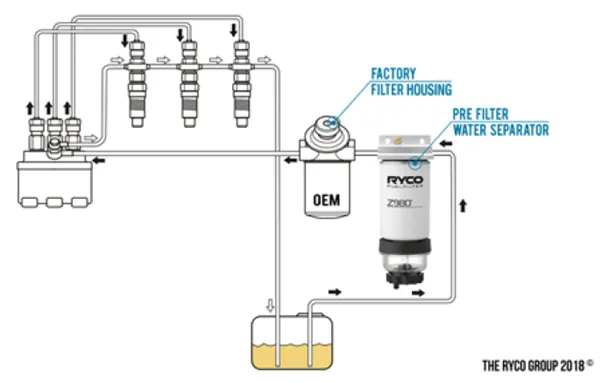
Credit: rycofilters.com.au
Key Components
The fuel water separator filter has several important parts. Each part helps remove water from the fuel. This keeps the engine safe and running well. Understanding these key components shows how the filter works.
Filter Element
The filter element traps dirt and water in the fuel. It is made of special material that catches tiny particles. This part stops harmful debris from reaching the engine. It also separates water from the fuel by forcing fuel through fine layers.
Water Collection Chamber
The water collection chamber holds the water removed from the fuel. Water is heavier than fuel, so it sinks to the bottom. This chamber collects the water to keep it from mixing back with the fuel. It helps keep the fuel clean and dry.
Drain Valve
The drain valve lets you remove the water collected in the chamber. You open it to drain out the water safely. This prevents water from building up and causing engine problems. Regular draining keeps the filter working well and protects the engine.
Working Mechanism
The working mechanism of a fuel water separator filter is simple yet effective. It removes water and impurities from the fuel before it reaches the engine. This process protects the engine from damage and improves performance. Understanding the fuel flow, water separation, and filtration steps helps explain how this filter works.
Fuel Flow Path
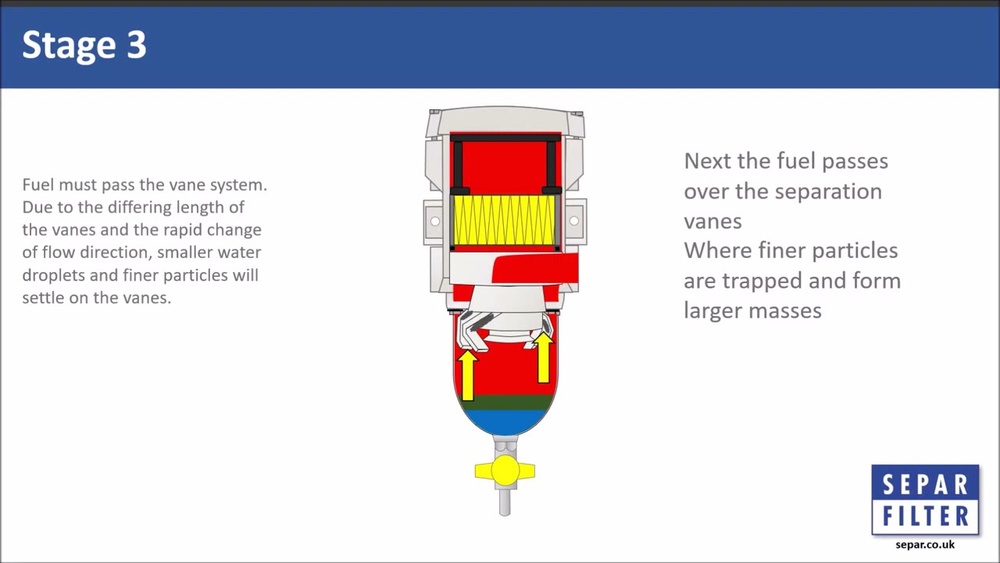
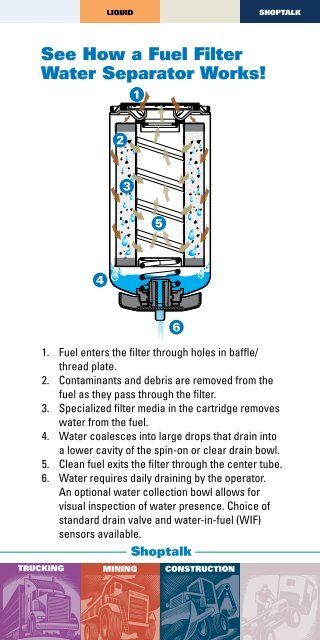
Fuel enters the filter through an inlet. It flows into a chamber designed to slow down the fuel. This slowing allows water droplets to separate from the fuel. The fuel then moves toward the filter element. Clean fuel continues to the engine through the outlet. Water and heavier particles drop to the bottom of the chamber.
Water Separation Process
Water is denser than fuel. It sinks to the bottom of the filter chamber. A special bowl collects this water. The filter has a drain valve to remove the water. This prevents water from mixing with the fuel supply. Removing water stops corrosion and engine damage.
Filtration Process
The fuel passes through a fine filter element. This element traps dirt, rust, and other particles. It stops these impurities from reaching the engine. Clean fuel flows out to the engine’s fuel system. The filter element needs regular replacement for best results.
Credit: www.thehulltruth.com
Types Of Separator Filters
Fuel water separator filters come in different types. Each type removes water and impurities in a unique way. Understanding these types helps in choosing the right filter for your needs.
Centrifugal Separators
Centrifugal separators spin fuel rapidly. This spinning pushes heavier water and dirt to the outside. Clean fuel stays in the center to flow through. They work well for large fuel systems. No filter parts need replacement often.
Coalescing Separators
Coalescing separators use special materials inside. These materials gather tiny water droplets into bigger drops. Bigger drops fall to the bottom and separate from fuel. This type filters fine water and tiny particles. It helps protect engines from corrosion and damage.
Mechanical Filters
Mechanical filters trap water and dirt using a physical barrier. They have mesh or paper elements inside. As fuel passes, impurities get stuck in the filter. These filters need regular cleaning or replacement. They are simple and cost-effective for small engines.
Signs Of A Clogged Separator
A fuel water separator filter plays a crucial role in protecting your engine. It removes water and debris from the fuel before it reaches the engine. Over time, the separator can get clogged. Knowing the signs of a clogged separator helps you act fast and avoid damage.
Clogging reduces the filter’s ability to clean fuel. It causes problems with engine performance and fuel quality. Watch out for these common signs.
Engine Performance Issues
A clogged fuel water separator can cause the engine to run rough. You may notice a drop in power or uneven idling. The engine might hesitate or stall during acceleration. Starting the engine can become difficult. These symptoms occur because the fuel flow is restricted.
Fuel starvation limits combustion efficiency. The engine struggles to get enough clean fuel. This leads to poor fuel economy and increased exhaust smoke. Paying attention to engine behavior helps detect separator problems early.
Fuel Contamination Indicators
Contaminated fuel is a clear sign of separator failure. Water or debris may appear in the fuel tank or lines. You might see cloudy or rusty fuel. This contamination harms fuel injectors and the fuel pump.
Signs include fuel leaks, unusual smells, or clogged fuel filters. Water in the fuel causes corrosion inside the engine. Regularly checking fuel quality helps spot contamination quickly. Clean fuel means a healthy engine and longer filter life.
Maintenance Tips
Maintaining a fuel water separator filter is key to keeping your engine safe. Dirt and water can damage the engine quickly. Regular care helps the filter work well and lasts longer. Here are simple tips to keep your filter in top shape.
Regular Draining
Water collects at the bottom of the separator. Draining it often stops water from reaching the engine. Use the drain valve to remove water completely. Check the separator daily if you drive in wet or humid areas.
Filter Replacement Schedule
Filters clog over time and lose their power. Change the filter as the manufacturer advises. Typically, replace it every 10,000 to 15,000 miles. More frequent changes may be needed in dirty environments.
Inspection Procedures
Look for cracks, leaks, or dirt on the filter housing. Examine fuel lines connected to the separator. Check seals and clamps for tightness. Clean the area around the filter to stop dirt from entering.
Benefits Of Using Fuel Water Separators
Fuel water separators offer several key benefits for engines and fuel systems. They help keep engines running smoothly and extend their life. Clean fuel means better performance and fewer problems. Below are some important advantages of using fuel water separators.
Protecting Engine Components
Water in fuel can cause serious damage to engine parts. It creates rust and corrosion inside the fuel system. Fuel water separators remove water before it reaches the engine. This protection helps prevent costly repairs and engine breakdowns. Clean fuel keeps injectors, pumps, and cylinders safe.
Improving Fuel Efficiency
Water in fuel reduces combustion efficiency. Engines running on clean fuel burn more smoothly and use less fuel. Fuel water separators help maintain fuel purity. This leads to better mileage and lower fuel costs. Efficient engines save money and reduce waste.
Reducing Emissions
Water-contaminated fuel produces more harmful exhaust gases. Using a fuel water separator cuts down on pollution. Cleaner fuel leads to better combustion and fewer emissions. This helps meet environmental standards and protects the air quality.
Troubleshooting Common Problems
Troubleshooting a fuel water separator filter ensures your engine runs smoothly. Problems can reduce fuel efficiency or damage the engine. Identifying issues early saves time and money. This section covers common problems and easy fixes.
Water Bypass Issues
Water bypass happens when water passes through the filter without removal. This occurs if the separator’s water sensor fails or clogs. Check the sensor regularly for dirt or damage. Replace faulty sensors to keep water out of the fuel system.
Another cause is incorrect installation. Make sure the filter sits correctly to avoid bypass. Always follow the manufacturer’s instructions during replacement.
Filter Blockages
Blockages reduce fuel flow and engine power. Dirt, rust, or water can clog the filter element. Replace the filter if you notice reduced engine performance or fuel flow issues. Regular filter changes prevent blockages and keep fuel clean.
Check for signs like engine sputtering or rough idling. These signs indicate a blocked filter. Clean or replace the filter promptly to avoid engine damage.
Leaks And Seal Failures
Leaks cause fuel loss and may let water enter the system. Worn or damaged seals often cause leaks. Inspect seals during each filter change. Replace seals that look cracked or brittle.
Loose fittings can also cause leaks. Tighten connections carefully without over-tightening. Proper sealing ensures no fuel escapes and no water gets in.
Credit: www.yumpu.com
Frequently Asked Questions
What Is A Fuel Water Separator Filter?
A fuel water separator filter removes water and contaminants from fuel. It protects engines from damage and ensures efficient fuel combustion. This filter is crucial for diesel engines and marine applications where water contamination is common.
How Does A Fuel Water Separator Filter Work?
The filter traps water droplets and separates them from fuel using a special membrane. Water settles at the bottom for easy drainage. Clean fuel passes through, preventing engine corrosion and damage caused by water in the fuel system.
Why Is Water Removal Important In Fuel Systems?
Water in fuel causes engine corrosion, poor performance, and fuel system damage. Removing water improves fuel efficiency and engine longevity. It also prevents costly repairs and breakdowns, ensuring smoother engine operation.
How Often Should I Replace The Fuel Water Separator Filter?
Replace the filter according to the manufacturer’s recommendations or when water accumulation is detected. Regular maintenance ensures optimal filtration and protects the engine. Frequency varies based on usage, fuel quality, and operating conditions.
Conclusion
A fuel water separator filter keeps your engine safe and running well. It removes water and dirt from fuel before it reaches the engine. Clean fuel means better engine performance and longer life. Regularly checking and changing the filter helps avoid costly repairs.
This simple device plays a big role in vehicle care. Understanding how it works helps you maintain your engine better. Keep your fuel clean, and your engine will thank you. Easy to use, it protects your investment every time you drive.