

If your Stihl weed eater isn’t running as smoothly as it used to, the fuel filter might be the problem. Replacing the fuel filter is a simple fix that can save you time and money while keeping your equipment in top shape.
In this guide, you’ll learn exactly how to replace the fuel filter step-by-step, even if you’ve never done it before. By the end, you’ll feel confident maintaining your weed eater and preventing future issues. Let’s get started and make your tool run like new again!
Signs Of A Clogged Fuel Filter
Recognizing signs of a clogged fuel filter on a Stihl weed eater helps keep it running smoothly. A dirty filter blocks fuel flow, causing performance problems. Early detection saves time and prevents damage.
Engine Struggles To Start
The engine takes longer to start or won’t start at all. Fuel struggles to reach the carburetor. This often means the fuel filter is dirty or blocked.
Engine Runs Rough Or Stalls
The weed eater runs unevenly or stalls during use. Fuel supply is inconsistent due to filter clogging. The engine may sputter or hesitate.
Loss Of Power
Less power when trimming thick grass or weeds. The clogged filter limits fuel flow to the engine. This results in weak cutting performance.
Increased Fuel Consumption
The weed eater uses more fuel than usual. A clogged filter makes the engine work harder. This leads to inefficient fuel use and higher costs.
Strong Fuel Smell
A strong gasoline smell near the engine or fuel tank. Fuel may leak or back up due to filter blockage. This signals a need to check the fuel filter.
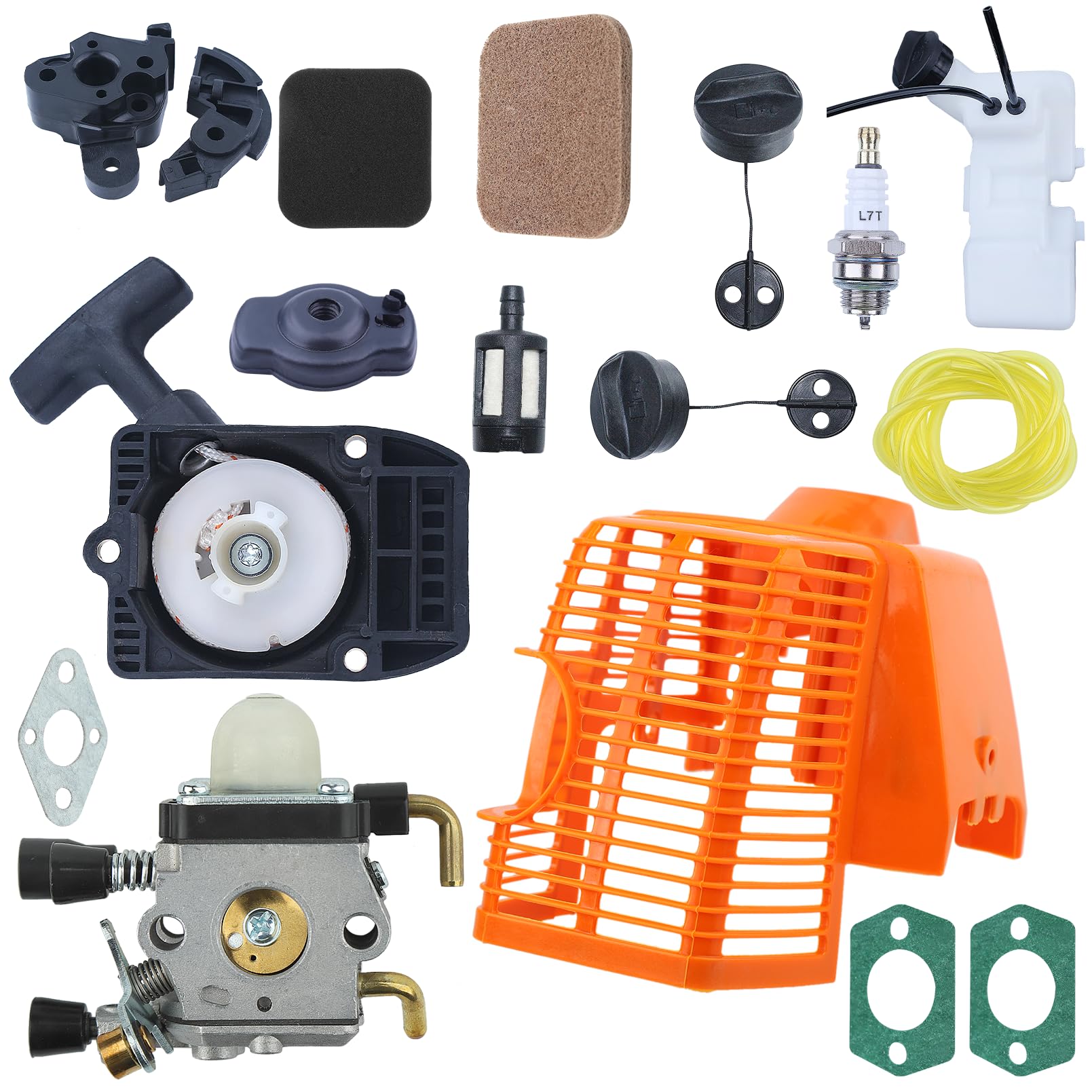
Credit: www.amazon.com
Tools Needed For Replacement
Replacing the fuel filter on your Stihl weed eater needs the right tools. Having these tools ready makes the job easier and faster. It also helps avoid damage to the equipment.
Gathering the correct tools ensures you can complete the task smoothly. The tools are simple and easy to find. Most are common household or garden tools.
Flathead Screwdriver
A flathead screwdriver helps remove screws holding the fuel tank or cover. It fits well in the screw slots for easy turning. Choose one with a comfortable handle for better grip.
Needle-nose Pliers
Needle-nose pliers reach into tight spots and pull out the old fuel filter. They hold small parts firmly without slipping. This tool helps avoid damage when removing the filter.
Replacement Fuel Filter
Use a new fuel filter made for your Stihl weed eater model. The right filter fits perfectly and keeps the engine running well. Always check the model number before buying.
Clean Cloth Or Rag
A clean cloth wipes away dirt and fuel spills during the replacement. It keeps the work area tidy and prevents dirt from entering the fuel system. Use a rag that absorbs well.
Small Container
A small container holds fuel drained from the tank. It prevents spills and helps dispose of fuel safely. Choose a container with a secure lid for storage.
Preparing The Weed Eater
Finding the fuel filter on your Stihl weed eater is the first step. The fuel filter keeps dirt and debris from reaching the engine. A clogged filter can cause poor performance or damage. Knowing its location helps with easy replacement and maintenance.
The fuel filter is small and may be hidden inside the fuel system. It is often found inside the fuel tank or along the fuel line. Careful inspection is needed to spot it without damage.
Check Inside The Fuel Tank
Open the fuel tank cap carefully. The fuel filter is usually near the fuel intake. It looks like a small white or beige mesh piece. Sometimes it is attached to the end of the fuel line inside the tank.
Follow The Fuel Line
Trace the fuel line from the tank to the engine. The fuel filter can be found along this line. It is a small plastic or foam piece inside a clear or black housing. Gently move the line to find the filter without breaking it.
Consult The User Manual
The Stihl weed eater manual shows the exact fuel filter location. It offers diagrams and tips to help. Keep the manual handy for detailed guidance. It saves time and avoids mistakes.

Credit: www.amazon.com
Locating The Fuel Filter
Removing the old fuel filter from a Stihl weed eater is a simple task. It helps keep your tool running smoothly. This step involves taking off the fuel lines and pulling out the used filter. Doing this carefully prevents damage to the fuel system. Follow these clear instructions to remove the old filter safely.
Detaching Fuel Lines
First, locate the fuel lines connected to the filter. These small tubes carry fuel to the engine. Gently squeeze the clamps or clips holding the lines. Slowly pull the fuel lines away from the filter. Avoid bending or twisting the tubes too much. Set the lines aside to prevent dirt from entering.
Extracting The Filter
Next, grip the old fuel filter firmly. Pull it straight out from its holder. Some filters may be tight, so use steady force. Check the filter for dirt and damage. Dispose of the old filter properly. Clean the area before installing a new filter to ensure a good fit.
Removing The Old Fuel Filter
Installing the new fuel filter in your Stihl Weed Eater is a key step to keep it running well. The process is simple and requires careful handling. Follow these steps to fit the new filter correctly and ensure smooth fuel flow.
Positioning The Filter
Take the new fuel filter out of its packaging. Check the filter for any damage before installation. Place the filter inside the fuel tank. Make sure the filter sits firmly at the bottom. Position it so the fuel line can connect easily. Avoid forcing the filter into place. A loose or tight fit can cause problems later.
Reattaching Fuel Lines
Find the fuel lines you removed earlier. Slide the fuel lines onto the new filter tube. Push the lines until they fit snugly. Check for any cracks or wear on the lines. Replace damaged lines to prevent leaks. Secure the lines with clamps or clips if needed. Double-check the connections before closing the tank. Proper attachment stops fuel leaks and keeps your Weed Eater safe.

Credit: www.youtube.com
Installing The New Fuel Filter
Testing the Stihl weed eater after replacing the fuel filter is important. This step ensures your tool runs smoothly and safely. It helps catch any issues before you start working. Follow these steps to refill the fuel and start the engine properly.
Refilling The Fuel
Use fresh fuel mixed with oil as Stihl recommends. Pour the mixture slowly into the fuel tank. Avoid overfilling to prevent spills. Close the fuel cap tightly to stop leaks. Check for any fuel smells or drips before moving on.
Starting The Engine
Place the weed eater on a flat surface. Hold the handle firmly with one hand. Use the other hand to pull the starter cord gently. You may need to pull several times for the engine to start. Listen for smooth running sounds and steady idling. If the engine stalls, repeat the starting process carefully.
Testing The Weed Eater
Keeping the fuel system clean helps your Stihl weed eater run smoothly. Dirt and old fuel cause blockages and poor performance. Regular care avoids costly repairs and extends your tool’s life.
Check Fuel Filter Regularly
Look at the fuel filter for dirt or damage. A clogged filter stops fuel flow. Replace the filter every season or if it looks dirty. Clean fuel means better engine power.
Use Fresh Fuel
Old fuel loses quality and can harm the engine. Always fill with fresh fuel mixed at the right ratio. Avoid storing fuel for more than 30 days. Fresh fuel keeps the system clean.
Clean The Fuel Tank
Empty and clean the tank at the end of each season. Remove dirt and water that settle inside. Use a clean cloth or rinse with fresh fuel. A clean tank stops clogs in the fuel line.
Inspect Fuel Lines
Check fuel lines for cracks or leaks. Damaged lines cause fuel loss and poor engine start. Replace cracked or brittle lines immediately. Good fuel flow means better weed eater performance.
Store Properly During Off-season
Drain the fuel system before storage. Run the engine until it stops to clear fuel lines. Store the weed eater in a dry place. Proper storage prevents fuel system damage.
Frequently Asked Questions
How Often Should I Replace The Fuel Filter On Stihl Weed Eater?
Replace the fuel filter every 25 hours of use or once a season. Regular replacement keeps the engine running smoothly and prevents clogging.
What Tools Do I Need To Replace Stihl Weed Eater Fuel Filter?
You need a flathead screwdriver, pliers, and a new fuel filter. These simple tools help safely remove and install the filter.
How Do I Safely Remove The Old Fuel Filter?
Turn off the engine and disconnect the spark plug. Then, use pliers to carefully pull the fuel line off the filter.
Can I Use Any Fuel Filter For Stihl Weed Eater?
No, always use a fuel filter designed for Stihl models. Using the correct filter ensures proper fit and optimal engine performance.
Conclusion
Replacing the fuel filter on your Stihl weed eater keeps it running well. Clean fuel means better performance and longer engine life. Follow the steps carefully to avoid damage or mistakes. Regular filter changes save time and money on repairs.
A well-maintained weed eater makes yard work easier and faster. Simple care helps your tool work when you need it most. Don’t skip this small task for big benefits. Keep your equipment ready and enjoy a smooth mowing experience.

