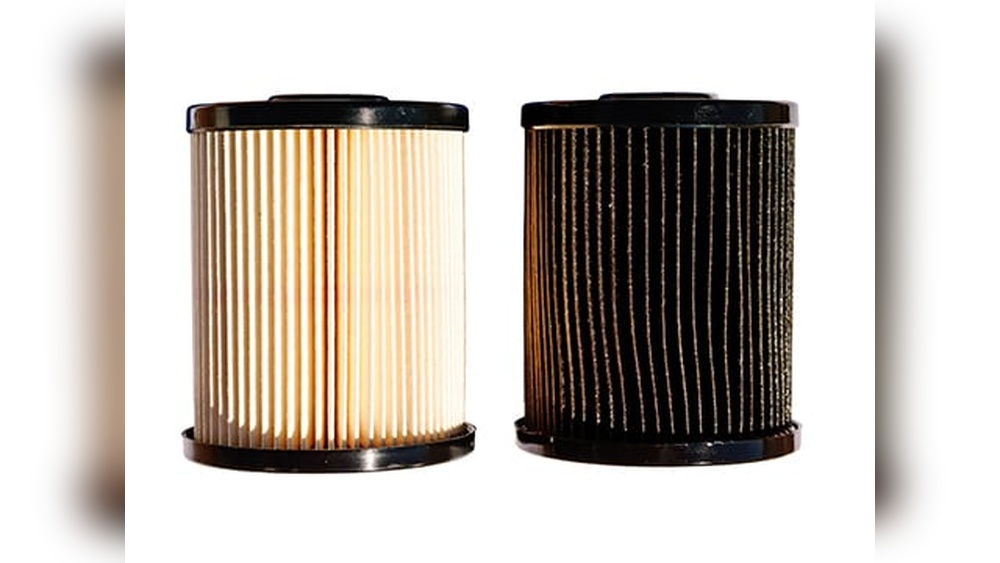
Have you ever wondered what keeps your engine running smoothly every time you hit the gas? A small but mighty part called the fuel filter plays a crucial role in protecting your vehicle.
Ignoring it could lead to costly repairs and unexpected breakdowns. You’ll discover why your fuel filter matters more than you might think—and how taking care of it can save you time, money, and stress. Keep reading to find out how this simple component keeps your ride safe and reliable.
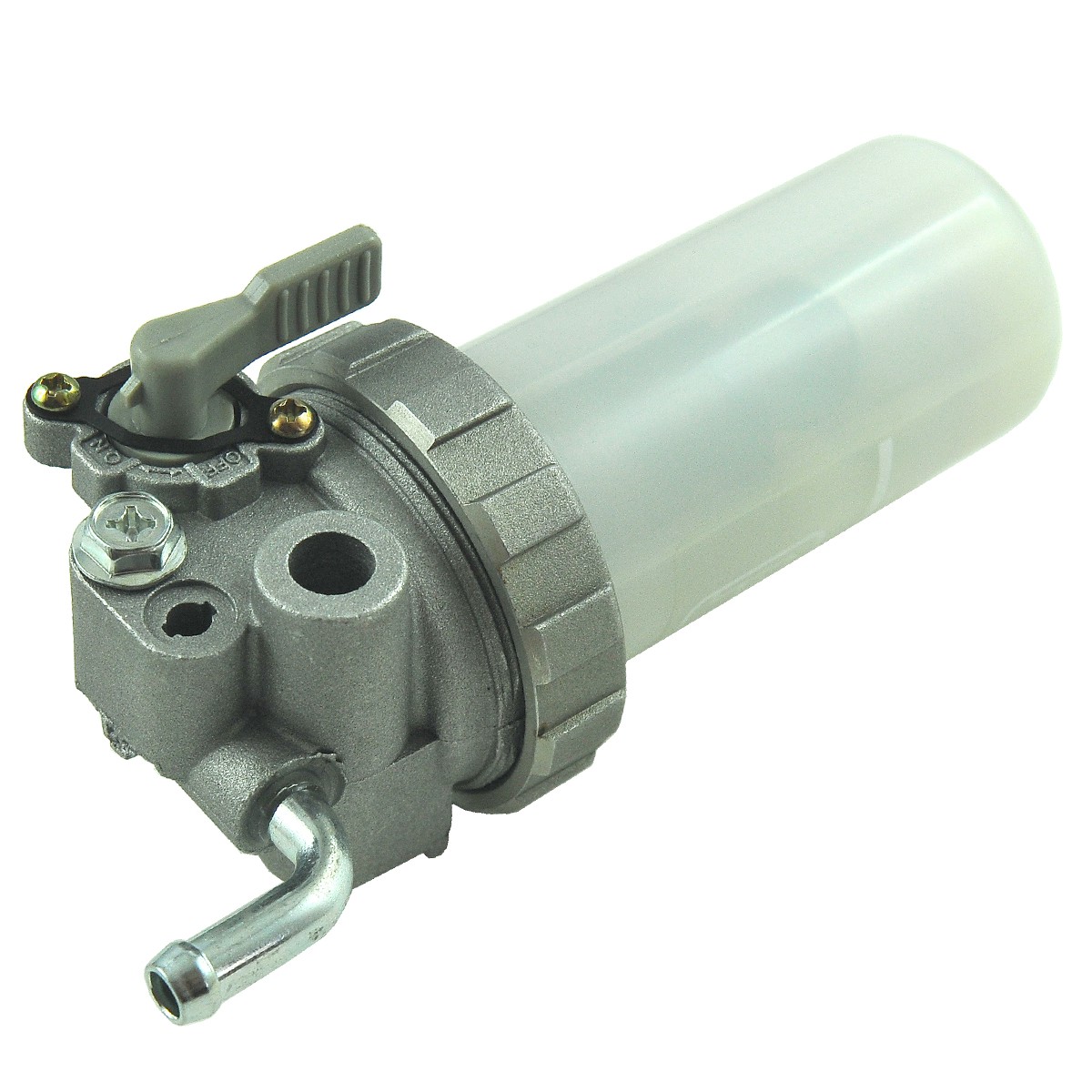
Credit: treefruitresearch.org
Role Of A Fuel Filter
The fuel filter plays a key role in keeping a vehicle running smoothly. It cleans the fuel before it reaches the engine. This helps the engine get pure fuel for better performance. The filter stops dirt and particles from causing damage. It is a small part but very important for engine health.
Filtering Contaminants
The fuel filter removes dirt, rust, and other particles. These contaminants come from the fuel tank or old fuel. Without a filter, these particles enter the engine. They can block fuel injectors and reduce fuel flow. Clean fuel helps the engine burn fuel better and last longer.
Protecting Engine Components
The fuel filter protects parts like fuel injectors and pumps. Dirty fuel can wear out these parts quickly. This leads to costly repairs and poor engine performance. A clean filter keeps these parts safe and working well. It helps the engine run smoothly and saves money on repairs.
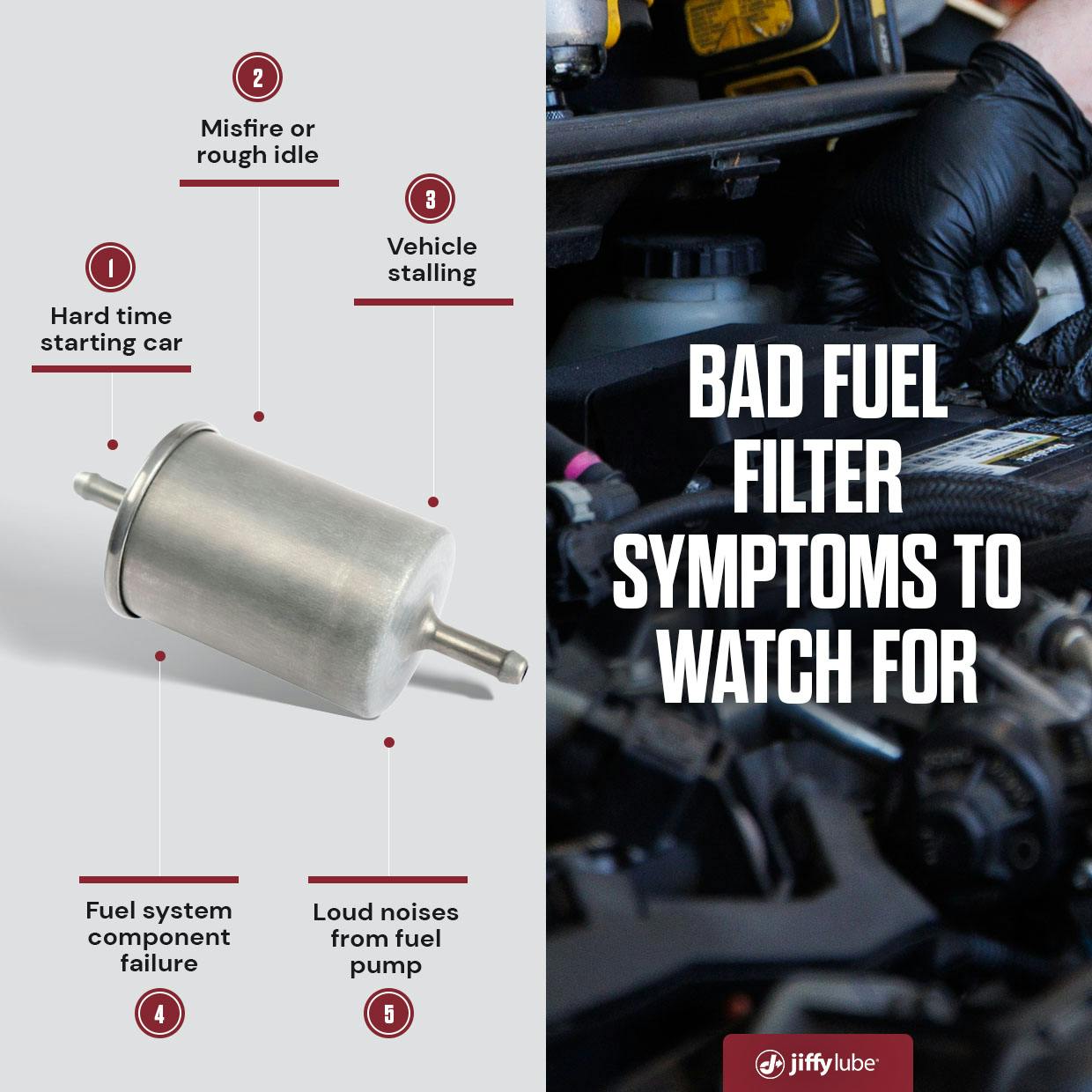
Credit: www.jiffylube.com
Types Of Fuel Filters
Fuel filters come in different types. Each type plays a key role in keeping the engine clean. Choosing the right fuel filter helps protect the engine and improve performance.
Below are the main types of fuel filters used in vehicles today.
In-line Fuel Filters
In-line fuel filters sit along the fuel line. They filter fuel before it reaches the engine. These filters are easy to replace and maintain. They remove dirt and rust from fuel. In-line filters are common in older cars and small engines.
Cartridge Fuel Filters
Cartridge fuel filters have a replaceable element inside a housing. The dirty filter element is swapped out during service. These filters offer better filtration than in-line types. They are popular in modern vehicles. Cartridge filters help keep fuel injectors clean and working well.
Spin-on Fuel Filters
Spin-on fuel filters screw directly onto the engine or fuel system. They combine the filter and housing in one unit. These filters are quick to change and very reliable. Spin-on filters provide strong protection against fuel contaminants. They are used in many trucks and cars today.
Signs Of A Clogged Fuel Filter
A fuel filter cleans dirt and debris from the fuel before it reaches the engine. Over time, the filter can get clogged. This blocks fuel flow and affects engine performance. Recognizing signs of a clogged fuel filter helps avoid bigger car problems. Watch for these common symptoms that show your fuel filter may need attention.
Engine Misfires And Hesitation
A clogged fuel filter limits fuel supply to the engine. This causes the engine to misfire or hesitate during acceleration. The car may feel like it is losing power. Sudden jerks or stalling can also happen. These signs mean the engine is not getting enough fuel.
Reduced Fuel Efficiency
When fuel flow is restricted, the engine works harder. This leads to burning more fuel than usual. You may notice you fill the tank more often. Poor fuel economy is a clear sign the fuel filter is dirty. It affects how well your car runs and saves fuel.
Difficulty Starting The Engine
A blocked fuel filter makes starting the car hard. The engine may crank but fail to start quickly. Sometimes, it takes several attempts to get the engine running. This happens because the fuel cannot reach the engine fast enough. Starting problems often mean the filter needs checking.
Impact On Engine Longevity
The fuel filter plays a key role in keeping an engine healthy over time. It removes dirt and particles from the fuel. Clean fuel means the engine runs smoothly and lasts longer. Without a good filter, harmful debris reaches engine parts. This causes damage and shortens engine life.
Fuel filters protect the engine from wear and help keep combustion efficient. Both factors are crucial for engine longevity. Regular filter changes improve engine health and performance. The engine stays clean and works well for many miles.
Preventing Wear And Tear
Fuel filters stop tiny particles from entering the engine. These particles scratch and wear down parts inside. Over time, this damage causes costly repairs. A clean filter reduces friction and keeps engine parts safe. It helps maintain the engine’s strength and function.
Maintaining Optimal Combustion
Fuel filters ensure only pure fuel reaches the engine. Clean fuel burns better and more completely. This improves engine power and lowers harmful emissions. Proper combustion reduces stress on engine parts. It helps the engine stay efficient and last longer.
Fuel Filter Maintenance Tips
Fuel filter maintenance is key to keeping your vehicle running smoothly. A clean fuel filter stops dirt and rust from reaching the engine. This helps your car perform better and last longer.
Regular care of the fuel filter saves money on repairs. It also improves fuel efficiency and reduces engine problems. Here are some simple tips to maintain your fuel filter properly.
Recommended Replacement Intervals
Most car makers suggest changing the fuel filter every 20,000 to 40,000 miles. Check your vehicle’s manual for exact numbers. Replacing it too late can cause engine issues. Changing it too soon may waste money.
Keep track of your mileage and set reminders for replacement. Watch for signs like engine hesitation or poor acceleration. These can mean your filter is clogged.
Choosing Quality Filters
Select a fuel filter that matches your car’s make and model. Low-quality filters may let dirt pass through. This can damage your engine quickly. Good filters trap more particles and last longer.
Look for filters from trusted brands. They use better materials and meet safety standards. Spending a little more on quality filters protects your engine well.
Professional Vs Diy Replacement
Changing a fuel filter can be done by yourself or a mechanic. Professionals have the right tools and know how to avoid spills. They also check for other fuel system issues.
DIY replacement saves money but needs care. Make sure to follow safety steps. Work in a well-ventilated area and avoid sparks. If unsure, ask a mechanic to help.

Credit: www.highflowfuel.com
Consequences Of Neglecting Fuel Filters
Neglecting fuel filters can cause serious problems for your vehicle. These small parts protect the engine by cleaning the fuel before it reaches the engine. Ignoring their maintenance leads to dirty fuel passing through, causing damage over time. The results affect the engine’s performance and your wallet.
Engine Damage Risks
A clogged or dirty fuel filter lets dirt and debris enter the engine. These particles can damage engine parts quickly. The engine may run poorly or stall often. Over time, this damage reduces the engine’s life. Repairs may be needed sooner than expected.
Increased Repair Costs
Failing to change fuel filters raises repair bills. Dirt in the fuel system causes wear on expensive parts. Fuel injectors and pumps can fail and need replacement. Fixing these parts costs much more than a simple filter change. Regular filter care saves money and prevents major repairs.
Frequently Asked Questions
What Is The Main Purpose Of A Fuel Filter?
A fuel filter removes dirt, rust, and debris from the fuel. It protects the engine and fuel injectors. Clean fuel improves engine performance and efficiency. A clogged filter can cause poor fuel flow and engine issues.
How Often Should I Replace My Fuel Filter?
Fuel filter replacement depends on the vehicle and fuel quality. Typically, replace it every 20,000 to 40,000 miles. Check your owner’s manual for exact intervals. Regular replacement ensures optimal fuel flow and engine health.
What Happens If A Fuel Filter Gets Clogged?
A clogged fuel filter restricts fuel flow to the engine. This causes poor acceleration, engine misfires, and stalling. It may also increase fuel consumption. Timely filter replacement prevents these issues and maintains engine performance.
Can A Dirty Fuel Filter Damage The Engine?
Yes, a dirty fuel filter can cause engine damage. It forces the fuel pump to work harder, leading to premature failure. Contaminants may reach the engine, causing wear and tear. Regular filter maintenance protects engine components.
Conclusion
A clean fuel filter keeps your engine running smooth and strong. It stops dirt and rust from causing damage. Changing it on time saves money and avoids bigger problems. Good fuel flow means better gas mileage and less pollution. Don’t ignore this small but key part of your car.
Regular checks help your vehicle last longer and drive better. Simple care makes a big difference in performance and safety. A fuel filter truly matters for every driver.