

Is your car acting up, but you’re not sure why? One common but often overlooked cause could be a bad fuel filter.
If your engine feels sluggish, your fuel efficiency drops, or your car struggles to start, your fuel filter might be the culprit. Knowing how to check if your fuel filter is bad can save you time, money, and stress. You’ll discover simple signs to watch for and easy steps to diagnose the problem yourself.
Keep reading to protect your engine and keep your car running smoothly.

Credit: www.youtube.com
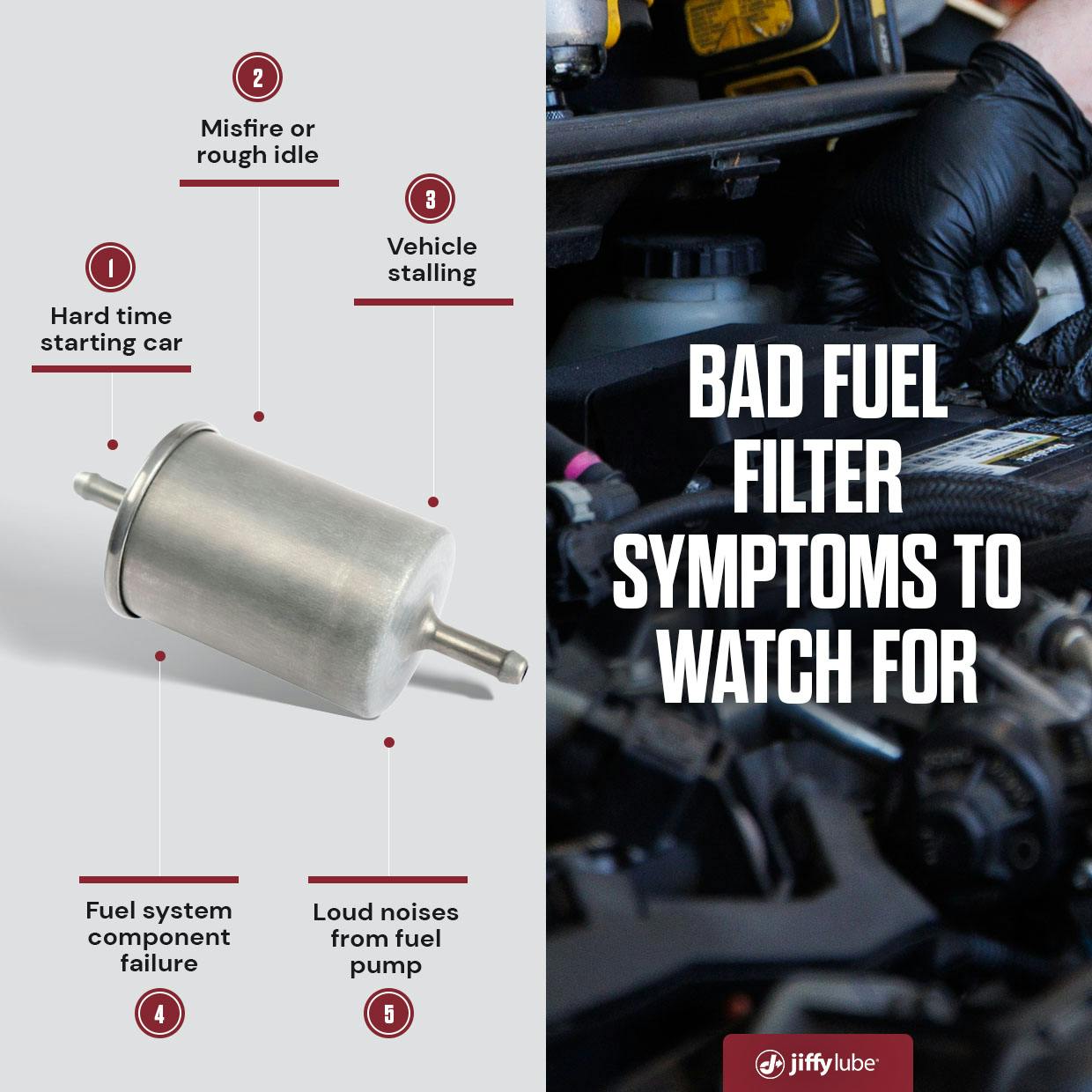
Signs Of A Bad Fuel Filter
Knowing the signs of a bad fuel filter helps keep your car running smoothly. The fuel filter stops dirt and debris from entering the engine. Over time, it can get clogged and cause problems. Watch for these clear signs to spot trouble early.
Engine Performance Issues
A clogged fuel filter reduces fuel flow to the engine. This causes your engine to run rough or lose power. You may notice hesitation or sputtering during acceleration. The car might stall or struggle on hills. Poor engine performance is a strong sign of a bad fuel filter.
Starting Problems
A blocked fuel filter makes starting your car difficult. The engine may crank longer than usual. Sometimes, it won’t start at all. This happens because fuel can’t reach the engine easily. Frequent starting issues often point to fuel filter trouble.
Fuel Odor And Leaks
A damaged fuel filter can cause fuel leaks. You might smell gas around your car, especially near the filter. Leaks are dangerous and waste fuel. Check under the car for wet spots or strong fuel smells. These signs mean the fuel filter needs attention.
Tools Needed For Inspection
Checking your fuel filter needs the right tools. Using proper tools makes the job safe and easy. Gather everything before starting the inspection. This saves time and avoids mistakes.
Basic Hand Tools
You need simple tools to access and remove the fuel filter. A wrench or socket set fits most fuel filter fittings. Screwdrivers help with clamps or covers. Pliers can remove stubborn hoses. Have a container ready to catch spilled fuel.
Safety Equipment
Safety matters when working with fuel. Wear gloves to protect your hands from fuel and dirt. Safety glasses shield your eyes from splashes. Work in a well-ventilated area to avoid inhaling fumes. Keep a fire extinguisher nearby for emergencies.
Locating The Fuel Filter
Finding the fuel filter usually means checking near the fuel tank or engine. It looks like a small canister or tube along the fuel line. Knowing its location helps spot problems and keep your car running smoothly.
Finding the fuel filter is the first step to check if it is bad. The filter cleans the fuel before it reaches the engine. Dirt or rust can clog the filter. This causes poor engine performance or trouble starting the car. The fuel filter can be in different places depending on the vehicle. Knowing its location helps in inspection or replacement.
Common Fuel Filter Locations
Many fuel filters sit along the fuel line. Often, they are near the fuel tank or under the car. Some are inside the engine bay, close to the engine itself. In newer cars, the fuel filter may be inside the fuel pump assembly. Look for a small canister or a metal cylinder attached to the fuel line. The shape and size can vary by vehicle model. Dirt buildup around these parts is a sign to check the filter.
Consulting The Vehicle Manual
The vehicle manual gives exact details about the fuel filter location. It shows diagrams and instructions for your car model. Manuals explain how to safely access the filter without damage. Reading this guide reduces guesswork and helps avoid mistakes. If the manual is missing, check online for a digital copy. Knowing the correct location saves time and effort.

Credit: oilchangers.com
Visual Inspection Steps
Visual inspection is a simple way to check your fuel filter’s condition. It helps spot problems early before they cause engine trouble. Use a flashlight and clean cloth for a clear view. Make sure the engine is cool and the car is off before starting.
Checking For Physical Damage
Look closely at the fuel filter’s body. See if there are cracks or dents on it. Any damage can cause leaks or reduce fuel flow. Check the connections and hoses attached to the filter. Loose or broken parts need fixing right away.
Looking For Rust And Corrosion
Rust or corrosion can block the fuel filter and harm your engine. Inspect metal parts for orange or brown patches. Clean areas with a cloth to see better. Rust means moisture got inside, which is bad for fuel quality. Replace the filter if you find rust or corrosion.
Testing Fuel Flow
Testing fuel flow helps spot problems with the fuel filter. Poor fuel flow may mean the filter is clogged or damaged. Checking pressure and flow rate shows if the filter needs replacement.
Using A Fuel Pressure Gauge
Testing fuel flow starts with checking the fuel pressure. A fuel pressure gauge measures the force of fuel moving through the filter. Connect the gauge to the fuel line at the test port. Turn the ignition key to the “on” position, but do not start the engine. The gauge will show the fuel pressure reading.
Compare the reading to the vehicle’s recommended fuel pressure. Low pressure means the fuel filter might be clogged. High pressure could indicate a problem with the fuel pump or pressure regulator. This test helps pinpoint if the fuel filter restricts fuel flow.
Observing Fuel Delivery
Another way to test fuel flow is by observing fuel delivery directly. Locate the fuel line that goes to the engine. Carefully disconnect the line after relieving fuel system pressure. Place a container under the line to catch fuel.
Turn the ignition key to “on” without starting the engine. Fuel should flow steadily and strongly into the container. Weak or slow flow suggests a blocked fuel filter. No flow means a possible pump failure or severe blockage.
Always handle fuel safely and avoid sparks or flames. This simple check gives a clear sign of fuel filter health.
Credit: www.jiffylube.com
Replacing A Faulty Fuel Filter
Replacing a faulty fuel filter is key to keeping your engine running smoothly. A clogged filter blocks fuel flow and causes poor engine performance. Changing it regularly helps avoid engine trouble and costly repairs.
The process is simple and can be done at home with basic tools. Follow these steps carefully to remove the old filter and install the new one. Don’t forget to clear any air from the fuel system after the change. This ensures proper fuel flow and engine start-up.
Removing The Old Filter
Start by locating the fuel filter under the hood or near the fuel tank. Use a wrench to loosen the fuel lines connected to the filter. Place a container below to catch any spilled fuel. Remove the filter carefully and dispose of it properly.
Installing The New Filter
Check the new filter for the correct fit and direction of flow. Attach the fuel lines tightly on both ends of the filter. Use the wrench to secure the connections without over-tightening. Make sure the filter sits firmly in its bracket.
Bleeding Air From The Fuel System
Air trapped in the fuel lines can stop the engine from starting. Open the fuel pump or bleed valve to release air while turning the ignition on. Close the valve once fuel flows steadily without bubbles. This step clears air and ensures smooth engine operation.
Preventive Maintenance Tips
Preventive maintenance helps keep your fuel system healthy. It stops problems before they start. Checking your fuel filter regularly is key. A clean fuel filter ensures smooth engine performance and better fuel efficiency.
Regular Replacement Intervals
Change your fuel filter at the times suggested in your vehicle’s manual. Old filters get clogged with dirt and debris. A clogged filter reduces fuel flow and can harm the engine. Regular replacement keeps fuel flowing freely and engine parts safe.
Using Quality Fuel
Choose good quality fuel from trusted stations. Poor fuel contains dirt and water that can clog the filter quickly. Clean fuel helps the filter last longer and protects the engine. Avoid cheap fuel to keep your car running smoothly.
Frequently Asked Questions
How Do I Know If My Fuel Filter Is Clogged?
A clogged fuel filter often causes engine misfires, stalling, or poor acceleration. Check for rough idling and reduced power. If your car struggles to start or sputters, the fuel filter may be blocked and needs inspection or replacement.
How Often Should I Replace The Fuel Filter?
Most manufacturers recommend replacing the fuel filter every 20,000 to 40,000 miles. However, check your vehicle manual for specifics. Regular replacement prevents clogging and maintains fuel flow, ensuring optimal engine performance and fuel efficiency.
Can A Bad Fuel Filter Cause Engine Problems?
Yes, a bad fuel filter restricts fuel flow, leading to engine hesitation, stalling, or poor acceleration. It can cause the engine to run lean and damage fuel injectors. Timely replacement avoids costly repairs and maintains smooth engine operation.
What Are The Symptoms Of A Failing Fuel Filter?
Symptoms include engine sputtering, difficulty starting, loss of power, and poor fuel efficiency. You may also notice unusual engine noises or stalling at high speeds. These signs indicate the fuel filter is dirty or failing and needs attention.
Conclusion
Checking your fuel filter helps keep your engine running well. A bad fuel filter can cause poor performance and stalling. Watch for signs like slow acceleration or engine misfires. Regular checks avoid costly repairs and improve fuel efficiency. Clean or replace the filter as needed.
Taking care of this small part saves time and money. Stay alert to your vehicle’s needs. Keep your car healthy and safe on the road. Simple steps make a big difference.


