If you’ve noticed your 2 cycle engine running rough or losing power, the problem might be a dirty fuel filter. Cleaning your 2 cycle fuel filter is easier than you think, and it can save you money on repairs while keeping your engine running smoothly.
You’ll discover simple, step-by-step instructions to clean your fuel filter quickly and safely. By the end, you’ll have the confidence to maintain your engine like a pro and avoid frustrating breakdowns. Keep reading to learn how to get your 2 cycle engine back to peak performance!
Credit: www.youtube.com
Tools And Materials Needed
Cleaning a 2 cycle fuel filter needs the right tools and materials. Having everything ready makes the process smooth and quick. It helps avoid mistakes and saves time.
Use tools that fit the job well. Use materials that clean without damage. Below are the essential tools and materials needed.
Basic Hand Tools
You need simple hand tools like screwdrivers and pliers. A flathead screwdriver helps remove clips or screws. Needle-nose pliers can pull out small parts carefully.
Cleaning Supplies
Use a soft brush to clean the filter gently. A small container holds cleaning liquid. Choose a cleaner safe for fuel filters, like mild detergent or specialized cleaner.
Protective Gear
Wear gloves to protect your hands from fuel and dirt. Safety glasses keep your eyes safe from splashes. Work in a well-ventilated area to avoid inhaling fumes.
Replacement Parts
Keep a new fuel filter ready, just in case. Some filters cannot be cleaned well and need replacement. Have fresh fuel available to refill after cleaning.
Locating The Fuel Filter
Finding the fuel filter on a 2 cycle engine is the first step in cleaning it. The fuel filter keeps dirt and debris from reaching the engine. It helps the engine run smoothly and last longer.
Fuel filters are small and can be hidden. Knowing where to check saves time and effort. This guide helps you spot the fuel filter fast and easily.
Check Near The Fuel Tank
The fuel filter is often close to the fuel tank. Look for a small, clear or white plastic part inside the fuel line. It usually sits between the fuel tank and the carburetor.
Follow The Fuel Line
Trace the fuel line from the fuel tank to the engine. The fuel filter is along this line. It looks like a tiny cylinder or a small mesh screen inside a plastic casing.
Consult The Owner’s Manual
The owner’s manual shows the exact location of the fuel filter. It includes pictures or diagrams. This helps you find the filter without confusion.
Removing The Fuel Filter
Removing the fuel filter is the first step in cleaning a 2 cycle fuel filter. This part catches dirt and debris before fuel reaches the engine. Removing it carefully ensures no damage occurs. It also helps you clean or replace the filter properly. Follow these simple steps to remove the fuel filter safely.
Locate The Fuel Filter
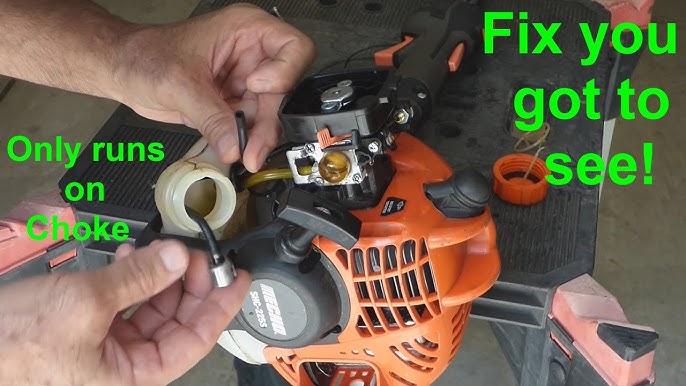
Find the fuel filter inside the fuel tank or on the fuel line. It is usually a small, clear or white plastic piece. Check the user manual if unsure where it is. Knowing its position saves time and avoids mistakes.
Prepare Your Workspace
Work in a well-ventilated area. Place a clean cloth or tray under the fuel line. This will catch any fuel that spills. Wear gloves to protect your hands from fuel. Keep a small container ready to hold the filter once removed.
Remove The Fuel Line
Use pliers to gently pinch the clamp on the fuel line. Slide the clamp away from the filter. Carefully pull the fuel line off the filter end. Do this slowly to avoid tearing the hose. If the line is tight, twist gently while pulling.
Take Out The Fuel Filter
Hold the filter firmly and pull it out of the fuel tank or line. Do not use sharp tools to avoid damage. Inspect the filter for dirt or cracks. Place the filter in the container for cleaning or replacement.

Credit: bona-store.com
Inspecting The Fuel Filter
Inspecting the fuel filter is a key step in cleaning a 2 cycle fuel filter. It helps find dirt and damage early. A clean filter keeps your engine running smoothly.
Check the filter carefully before cleaning. Look for signs of wear or clogging. This helps decide if cleaning or replacing is needed.
Remove The Fuel Filter
Turn off the engine and allow it to cool. Detach the fuel line carefully from the filter. Use pliers if the clips are tight. Pull out the filter gently to avoid damage.
Visual Inspection Of The Filter
Hold the filter up to the light. Look for dirt, debris, or black spots. Check for cracks or holes on the filter surface. These signs mean the filter needs replacement.
Test The Filter’s Flow
Blow air through the filter. It should pass easily without resistance. If air flow is weak, the filter is clogged. Cleaning or replacement is necessary to restore flow.
Cleaning Methods For Fuel Filters
Cleaning a 2 cycle fuel filter is important for engine health. Dirt and debris can block fuel flow. This stops the engine from running well. Proper cleaning keeps your equipment working smoothly. Here are some easy methods to clean fuel filters.
Using Compressed Air
Compressed air quickly removes dust and dirt. Hold the filter firmly. Blow air through the filter in the opposite direction of fuel flow. This pushes out trapped particles. Use short bursts to avoid damage. Repeat until the filter looks clean.
Soaking In Cleaning Solution
Soaking breaks down stubborn grime inside the filter. Use a mild cleaning solution made for fuel parts. Submerge the filter and let it soak for 10 to 15 minutes. Then, rinse with clean water or compressed air. Let the filter dry completely before reuse.
Replacing The Filter If Needed
Sometimes cleaning is not enough. Filters that are torn or very clogged must be replaced. Check the filter for holes or damage. New filters ensure proper fuel flow. Always keep spare filters for quick replacement.
Reinstalling The Fuel Filter
Reinstalling the fuel filter is the final step after cleaning. It is important to place it back properly. A well-installed fuel filter keeps your 2 cycle engine running smoothly. Follow these simple steps to ensure a secure and correct fit.
Position The Fuel Filter Correctly
Locate the fuel inlet and outlet on the filter. Align the filter with the fuel lines. Make sure the flow direction matches the arrows on the filter. This prevents fuel flow issues and engine problems.
Attach The Fuel Lines Firmly
Slide the fuel lines onto the filter ends. Push them until they fit tightly. Loose connections can cause leaks or air bubbles. Check for a snug, secure fit before moving on.
Secure The Fuel Filter In Place
Use clamps or clips to hold the filter. Tighten them just enough to hold firmly. Avoid over-tightening, which can damage the filter or lines. A stable filter keeps fuel flowing properly.
Test For Leaks And Proper Function
Turn on the fuel valve or start the engine. Watch the filter area carefully. Look for any signs of leaking fuel. If you see leaks, check connections and tighten as needed.
Testing For Proper Fuel Flow
Testing for proper fuel flow is a key step in cleaning a 2 cycle fuel filter. It helps you check if fuel moves freely through the filter. This ensures your engine gets enough fuel to run well.
Fuel flow problems can cause engine stalling or poor performance. Testing lets you spot blockages or damage early. You can fix issues before they cause bigger problems.
Preparing To Test Fuel Flow
Start by removing the fuel filter from the fuel line. Use a clean container to catch fuel during the test. Make sure the area is well-ventilated and away from sparks.
Checking Fuel Movement
Shake the fuel filter gently to see if fuel flows through. Squeeze the filter if it has a rubber casing. Notice if fuel passes without resistance or stops suddenly.
Using A Vacuum Pump
A hand vacuum pump can help test fuel flow. Attach it to the fuel line and create suction. Watch if fuel moves smoothly through the filter without hesitation.
Interpreting Test Results
Strong, steady fuel flow means the filter is clean. Slow or blocked flow shows the filter needs cleaning or replacing. Clear the filter and repeat the test to confirm.
Maintenance Tips For Longer Filter Life
Proper maintenance helps your 2 cycle fuel filter last longer. It keeps your engine running smoothly. Dirt and debris can block the filter. Regular care stops this problem. Follow these simple tips to extend the filter’s life.
Keep The Fuel Clean
Always use fresh, clean fuel. Old or dirty fuel clogs the filter fast. Store fuel in a clean container. Avoid moisture and dirt entering the fuel tank.
Check The Filter Regularly
Inspect the filter before every use. Look for dirt, damage, or cracks. Replace the filter if it looks worn out. Regular checks prevent engine problems.
Clean The Filter Gently
Remove the filter carefully to avoid damage. Use clean fuel or a mild cleaner to rinse it. Do not use harsh chemicals or brushes. Let the filter dry completely before reinstalling.
Avoid Overusing The Filter
Do not run your engine with a dirty filter. Replace it after heavy use or long periods. Overusing reduces engine performance and filter life.

Credit: www.0turn.com
Frequently Asked Questions
How Often Should I Clean A 2 Cycle Fuel Filter?
Clean the fuel filter every 25 hours of use or at the start of each season. Regular cleaning ensures optimal engine performance and prevents fuel blockages.
What Tools Are Needed To Clean The Fuel Filter?
You need a small screwdriver, clean cloth, and a container with fresh fuel. These tools help safely remove and clean the filter without damage.
Can I Use Gasoline To Clean The Fuel Filter?
Yes, use fresh gasoline to rinse the filter. Avoid harsh chemicals as they can damage the filter material and reduce its lifespan.
How Do I Know If The Fuel Filter Needs Cleaning?
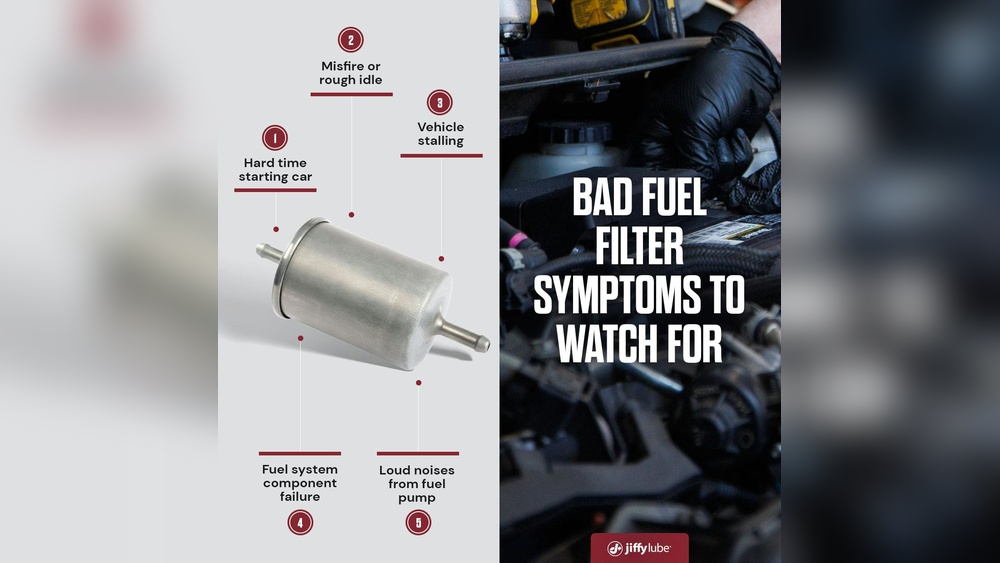
Signs include engine sputtering, poor acceleration, or difficulty starting. These symptoms often indicate a clogged or dirty fuel filter requiring cleaning.
Conclusion
Cleaning a 2 cycle fuel filter keeps your engine running smoothly. Regular care helps avoid clogs and engine problems. Use simple tools and follow steps carefully. Check the filter often to catch dirt early. Clean filters save money on repairs and fuel.
Taking time to clean your filter is worth it. A clean filter means better engine performance. Keep your equipment ready for use anytime. Small efforts lead to long-lasting engine health. Easy to do, important to remember.