
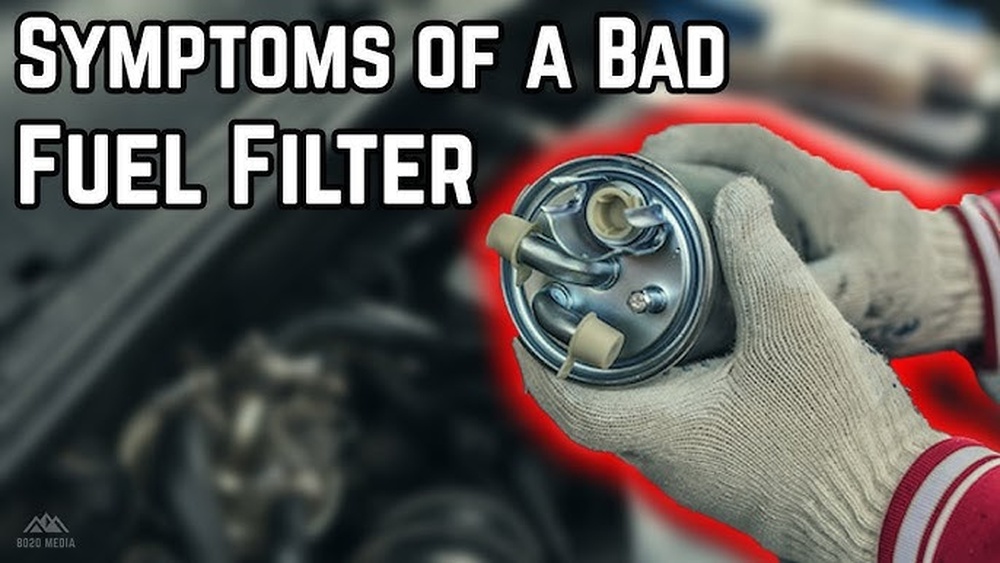
Have you noticed your car acting up lately? Maybe it’s struggling to start, or your engine feels less powerful than usual.
These could be signs that your fuel filter is going bad. But how do you really know when your fuel filter needs attention? Understanding this can save you from costly repairs and keep your car running smoothly. You’ll discover the clear signs to watch for and simple ways to check your fuel filter’s health.
Keep reading—you’ll be glad you did.

Credit: oilchangers.com
Fuel Filter Basics
Understanding fuel filter basics helps you keep your vehicle running smoothly. The fuel filter cleans dirt and rust from the fuel. Clean fuel means better engine performance and longer engine life.
Knowing the fuel filter’s role and types helps spot problems early. This knowledge can prevent engine trouble and costly repairs.
Role Of The Fuel Filter
The fuel filter stops dirt and debris from reaching the engine. It protects the fuel injectors and carburetor from clogging. This keeps fuel flow steady and the engine running well. A dirty filter can cause rough idling, poor acceleration, and stalling.
Common Fuel Filter Types
Fuel filters come in different shapes and sizes. The most common types are inline filters and cartridge filters. Inline filters are placed along the fuel line. Cartridge filters sit inside a housing near the engine. Both types do the same job but may need different replacement methods.
Credit: www.jiffylube.com
Signs Of A Failing Fuel Filter
A fuel filter keeps dirt and debris from entering your engine. Over time, it can get clogged and stop working well. Recognizing the signs of a failing fuel filter helps avoid bigger car problems. Watch for these common symptoms.
Engine Performance Issues
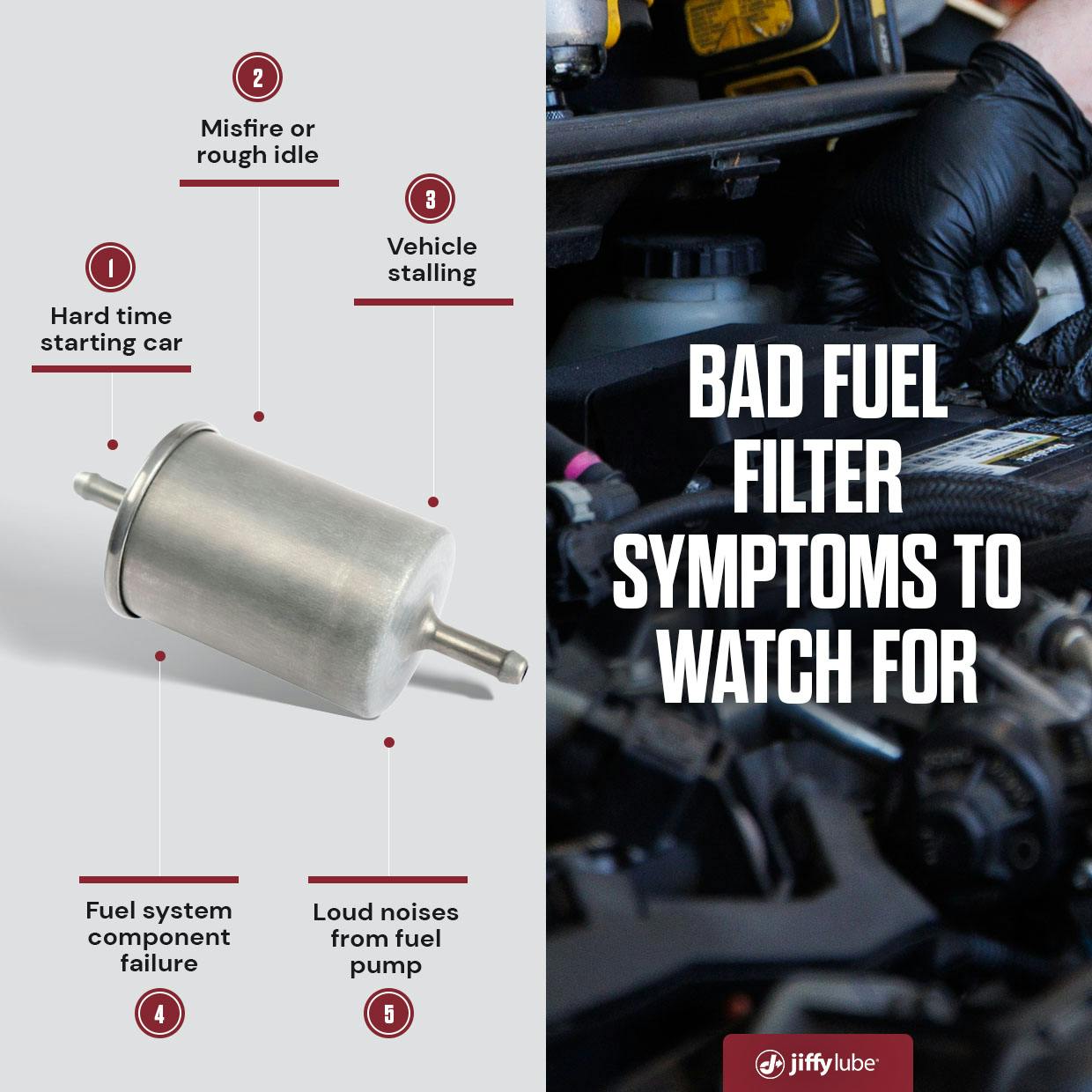
A bad fuel filter can cause rough engine running. The engine may hesitate or stall during acceleration. You might feel a loss of power while driving uphill or carrying heavy loads. These happen because the fuel flow is blocked.
Starting Difficulties
Fuel filters that are clogged make starting the engine hard. Your car may crank longer than usual before it starts. Sometimes, it may not start at all. This occurs due to reduced fuel supply to the engine.
Reduced Fuel Efficiency
A dirty fuel filter lowers fuel efficiency. Your vehicle uses more fuel than normal. The engine works harder to compensate for the fuel blockage. This waste leads to more frequent visits to the gas station.
Unusual Noises
You might hear strange sounds from the engine. A sputtering or coughing noise can mean fuel flow problems. These noises often increase during acceleration or load. They signal the fuel filter needs attention.
Check Engine Light Activation
The check engine light may turn on due to fuel filter issues. The car’s computer detects fuel system problems. It triggers the light to warn you of possible trouble. A scan tool can confirm if the filter is the cause.
Diagnosing Fuel Filter Problems
Diagnosing fuel filter problems helps keep your vehicle running smoothly. A bad fuel filter can cause engine issues, poor fuel economy, and even stalling. Knowing how to spot signs early saves time and money. This section covers easy ways to check if your fuel filter needs attention.
Visual Inspection Tips
Start by looking at the fuel filter for damage or dirt. Check for cracks, leaks, or rust on the filter body. A dirty or clogged filter may look dark or dirty inside. Inspect the fuel lines connected to the filter for cracks or loose fittings. Any visible damage may mean the filter needs replacing.
Fuel Pressure Testing
Fuel pressure testing measures how well fuel flows through the filter. Low fuel pressure can mean a clogged filter. Use a fuel pressure gauge to check the pressure at the fuel rail. Compare readings with your vehicle’s specifications. Consistently low pressure indicates a bad fuel filter blocking flow.
Professional Diagnostic Tools
Auto shops use special tools to diagnose fuel system problems. Scanners and fuel system analyzers provide detailed data. These tools detect pressure drops or fuel delivery issues. Professionals can pinpoint if the fuel filter causes engine problems. Using expert tools ensures accurate diagnosis and proper repair.
Consequences Of Ignoring A Bad Fuel Filter
Ignoring a bad fuel filter can cause serious problems for your vehicle. The fuel filter cleans dirt and debris from the fuel before it reaches the engine. If the filter is clogged or damaged, dirty fuel passes through. This can lead to several issues that affect your car’s performance and longevity. Understanding these risks helps you see why prompt attention is important.
Engine Damage Risks
A bad fuel filter lets dirt enter the engine. Dirt and debris can wear down engine parts. This causes poor engine performance and may lead to engine failure. The engine might stall or have trouble starting. Repairing engine damage is often costly and time-consuming.
Fuel System Contamination
The fuel system depends on clean fuel to work properly. A clogged filter allows contaminants to build up inside fuel lines and injectors. This reduces fuel flow and causes rough idling. Contaminants can block injectors, making the engine run poorly. Cleaning or replacing these parts is expensive.
Increased Repair Costs
Ignoring a bad fuel filter raises repair bills. Small problems grow into major repairs over time. Replacing a fuel filter early is cheap compared to fixing engine or fuel system damage. Regular maintenance saves money and keeps your car running smoothly.
Fuel Filter Maintenance And Replacement
Fuel filter maintenance is key to keeping your car running smoothly. A clean fuel filter stops dirt and rust from reaching the engine. Over time, the filter can clog. This reduces fuel flow and harms engine performance. Regular checks and timely replacement prevent these issues.
Knowing when to replace your fuel filter saves money and avoids breakdowns. Some cars need filter changes more often. Others can go longer. Following the right schedule keeps your engine healthy.
Recommended Replacement Intervals
Most car makers suggest changing the fuel filter every 20,000 to 40,000 miles. Check your owner’s manual for exact advice. Cars driven on dusty roads may need more frequent changes. Old filters cause poor gas mileage and engine trouble. Stick to the schedule for best results.
Diy Replacement Steps
Start by locating the fuel filter under your car or in the engine bay. Always work in a well-ventilated area and wear gloves. First, relieve the fuel system pressure. Then, disconnect the fuel lines from the filter. Remove the old filter carefully. Install the new filter in the same direction. Reconnect the fuel lines tightly. Finally, start the car and check for leaks. Stop if you smell fuel or see drips.
When To Seek Professional Help
Choose a mechanic if you lack tools or experience. Fuel systems can be dangerous and tricky. Signs like engine stalling, hard starts, or strange noises need expert checks. A professional can find hidden problems and fix them safely. Trust them for thorough inspection and repair.

Credit: www.youtube.com
Frequently Asked Questions
What Are Common Signs Of A Bad Fuel Filter?
Common signs include engine misfires, poor acceleration, and difficulty starting. A clogged filter restricts fuel flow, causing these issues. Pay attention to engine hesitation and reduced fuel efficiency as well.
How Often Should I Replace My Fuel Filter?
Typically, replace the fuel filter every 20,000 to 40,000 miles. Check your vehicle’s manual for specific recommendations. Regular replacement prevents clogging and maintains optimal engine performance.
Can A Bad Fuel Filter Cause Engine Stalling?
Yes, a clogged fuel filter can cause engine stalling. It limits fuel supply, causing the engine to lose power or shut off unexpectedly. Immediate replacement is necessary to avoid further engine damage.
How To Test If The Fuel Filter Is Clogged?
You can test by checking fuel pressure with a gauge. Low pressure indicates a clogged filter. Alternatively, notice if the engine struggles under heavy load or acceleration.
Conclusion
A bad fuel filter can cause many car problems. Watch for slow engine start or rough running. Poor fuel flow often means the filter clogs. Changing the filter keeps your car healthy. Regular checks help avoid costly repairs later. Clean fuel means better engine performance.
Don’t ignore warning signs from your vehicle. A simple filter change saves time and money. Stay alert and keep your car running smooth.


