
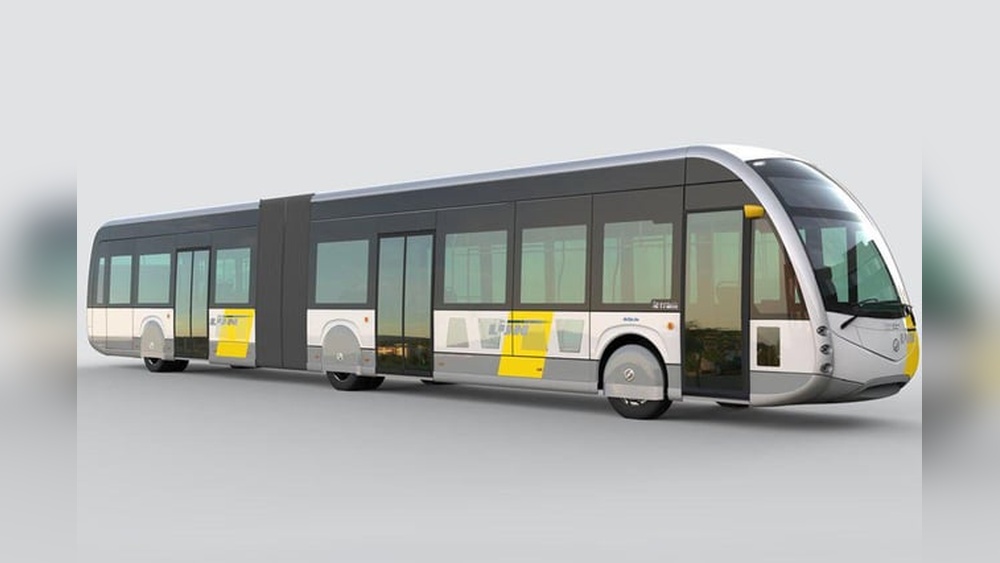
Have you ever noticed those covers over the wheels on a transit bus and wondered why they’re there? You might think they’re just for looks, but there’s more to them than meets the eye.
These wheel well covers play an important role that can affect your ride, safety, and even the bus’s efficiency. If you want to understand how something so simple can make a big difference in your daily commute, keep reading. You’ll soon see why these covers are far from just decoration.

Credit: www.reddit.com
Purpose Of Wheel Well Covers
Wheel well covers serve important roles on transit buses. They protect vital parts, keep passengers safe, and help the bus move more smoothly. Understanding these reasons shows why these covers are common on many buses.
Protecting Bus Components
Wheel well covers shield key bus parts from dirt and water. They stop mud, stones, and debris from hitting brakes and suspension. This protection lowers damage risks and helps the bus last longer. Covers also reduce rust and wear caused by weather.
Enhancing Passenger Safety
Covers prevent objects from flying out of the wheel area. This reduces the chance of hitting passengers or pedestrians. They also stop water spray on rainy days, keeping bus floors dry. A safer bus means fewer accidents and more comfort for everyone.
Improving Vehicle Aerodynamics
Wheel well covers smooth the bus’s outer shape. This helps air flow better around the bus. Better airflow means less wind resistance, which can save fuel. Improved aerodynamics also reduce noise from air hitting the wheels.
Credit: www.collegeparkhyundai.com
Material And Design Choices
Choosing the right material and design for wheel well covers on transit buses is important. These choices affect durability, safety, and appearance. The materials must resist weather and road debris. The design must fit the bus shape and size precisely. Both factors work together to protect the wheels and improve the bus’s look.
Common Materials Used
Plastic is a popular choice for wheel well covers. It is light and resists rust. Plastic also absorbs impacts well, protecting the bus body. Metal covers, usually steel or aluminum, are strong and durable. Steel is heavier but offers great protection. Aluminum is lighter and resists corrosion better. Some covers combine plastic and metal for balance.
Shape And Size Considerations
Wheel well covers must match the bus wheel size exactly. A tight fit stops dirt and water from entering the wheel area. The shape follows the curve of the wheel and bus body. Some covers have smooth curves to reduce air drag. Others include ridges for extra strength. Proper shape and size ensure the cover stays secure during travel.
Impact On Maintenance
Wheel well covers play a key role in reducing maintenance needs for transit buses. They protect important parts of the bus from dirt, water, and road debris. This protection helps keep the bus in better condition for longer. Maintenance teams spend less time cleaning and fixing damage. This lowers repair costs and improves bus reliability.
Reducing Dirt And Debris Build-up
Wheel well covers stop dirt and debris from piling up in hard-to-reach places. Without covers, mud and stones collect around the wheels. This build-up can block drainage and cause parts to wear out faster. Covers make cleaning easier and faster. They keep the wheel area cleaner, which helps parts last longer.
Preventing Corrosion And Damage
Water and salt on roads cause metal parts to rust. Wheel well covers shield these parts from direct exposure. This reduces rust and corrosion problems. Covers also protect against impacts from stones and other road debris. By preventing damage, they help avoid costly repairs and extend the bus’s lifespan.

Credit: www.knkx.org
Fuel Efficiency Benefits
Wheel well covers on transit buses help improve fuel efficiency. They make the bus more aerodynamic. This means the bus uses less energy to move forward. Saving fuel lowers costs and reduces pollution. Below are key ways wheel well covers boost fuel efficiency.
Role In Reducing Air Drag
Wheel well covers smooth the airflow around the wheels. Open wheel wells cause air turbulence. This creates drag, slowing the bus down. Covers close these gaps and reduce drag. Less drag means the engine works easier. This helps the bus use less fuel on every trip.
Long-term Cost Savings
Fuel savings add up over time. Transit companies spend less on fuel. This reduces operating costs significantly. Lower fuel use also means fewer emissions. Wheel well covers help buses run cleaner. This supports environmental goals and saves money in the long run.
Aesthetic And Branding Effects
Wheel well covers on transit buses do more than protect parts. They also shape how the bus looks and how people see the brand. These covers can make buses appear clean and modern. They offer chances to show off a company’s style and message clearly.
Streamlined Appearance
Wheel well covers create smooth lines around the bus. They hide the rough edges of wheels and mechanics. This makes the bus look neat and less busy. A clean look helps the bus stand out on the road. It also makes the vehicle seem well cared for and safe.
Customization Opportunities
Companies can change wheel well covers to match their colors and logos. This helps the bus reflect the brand’s identity. Custom covers can include patterns or text that catch the eye. They turn the bus into a moving billboard. This boosts brand recognition in cities and towns.
Challenges And Considerations
Wheel well covers on transit buses offer many benefits. Yet, some challenges and important points need attention. These factors affect how well the covers work and fit. Understanding these helps in making the right choice.
Below are key issues to consider before installing wheel well covers on buses.
Installation Difficulties
Installing wheel well covers is not always simple. Each bus model has a different shape and size. Covers must fit tightly to avoid gaps. Sometimes, extra tools or parts are needed. Skilled workers should handle the installation. Poor fitting can cause damage or reduce cover life. Time and cost rise if problems appear during fitting.
Potential Limitations
Wheel well covers may not suit every bus design. Some covers limit access to brakes or suspension parts. This can slow down repairs and maintenance. Covers can add weight, affecting fuel efficiency slightly. Certain weather conditions might cause covers to wear faster. Choosing the right material helps reduce these issues. Knowing these limits helps plan better use and care.
Frequently Asked Questions
Why Do Transit Buses Have Wheel Well Covers?
Wheel well covers protect passengers and pedestrians from debris thrown by the wheels. They also improve the bus’s aerodynamics, reducing drag and fuel consumption. Additionally, covers enhance the bus’s appearance by providing a cleaner, more streamlined look.
How Do Wheel Well Covers Improve Bus Safety?
Wheel well covers prevent rocks, mud, and water from splashing onto passengers or nearby vehicles. They reduce the risk of accidents caused by debris hitting windshields. This feature ensures a safer environment for both passengers and other road users.
Do Wheel Well Covers Affect Bus Maintenance?
Yes, wheel well covers help reduce dirt and grime buildup around the wheels. This protection lowers wear and tear on wheel components and braking systems. As a result, maintenance becomes easier and more cost-effective over time.
Can Wheel Well Covers Increase Transit Bus Efficiency?
Wheel well covers improve airflow around the wheels, which reduces aerodynamic drag. This leads to better fuel efficiency and lower emissions. Transit agencies benefit from cost savings and environmental improvements by using these covers.
Conclusion
Wheel well covers protect transit buses from dirt and damage. They help keep the bus cleaner and safer. These covers also improve the bus’s look and reduce wind resistance. This can save fuel and lower costs. Knowing why wheel well covers matter helps understand bus design better.
They are a small part but make a big difference. Next time you see a bus, notice these covers. They work quietly to keep the ride smooth and efficient.


