
If you rely on your engine to run smoothly, you know how important the Racor fuel filter is. But what do you do when it feels loose or isn’t sealing right?
Knowing how to tighten a Racor fuel filter correctly can save you from costly repairs and keep your engine running at its best. In this guide, you’ll learn simple, step-by-step tips that anyone can follow to fix this common issue quickly and safely.
Keep reading—you’re just moments away from mastering a skill that protects your engine and gives you peace of mind on every ride.
Tools Needed
Tightening a Racor fuel filter requires specific tools. Having the right tools makes the job easier and safer. It also prevents damage to the filter or fuel system.
Below is a list of essential tools you need to tighten a Racor fuel filter properly. Prepare these before starting your work to avoid interruptions.
Wrench Or Spanner
A wrench or spanner fits the filter housing nut. It helps you apply the right amount of force. Choose the correct size to avoid slipping or rounding the nut.
Fuel Filter Wrench
A fuel filter wrench is designed to grip the filter body firmly. It allows you to tighten the filter without damaging it. This tool is especially useful for filters in tight spaces.
Clean Cloth Or Rag
A clean cloth wipes off any spilled fuel. It also keeps the filter and surrounding area clean. Clean surfaces help prevent dirt from entering the fuel system.
Gloves
Gloves protect your hands from fuel and dirt. Use gloves made of fuel-resistant material. They improve grip and keep your hands clean during the process.
Safety Glasses
Safety glasses protect your eyes from fuel splashes. Fuel can irritate or harm your eyes. Always wear safety glasses during filter maintenance tasks.
Locate The Fuel Filter
Locating the Racor fuel filter is the first step in tightening it properly. This part plays a key role in keeping fuel clean. Finding it is simple with the right approach.
Most Racor fuel filters are near the engine or fuel tank. They look like small canisters or bowls. Sometimes, they have clear bowls to see the fuel inside.
Check Near The Engine
Start by opening the engine compartment. Look around the sides and front of the engine. The fuel filter usually mounts on the engine block or close to it.
Look By The Fuel Tank
Some Racor filters sit near the fuel tank. Follow the fuel lines from the tank to find the filter. It helps to trace the hose carefully.
Identify The Filter Shape
The Racor filter often has a round or cylindrical shape. It may have a clear bowl at the bottom. This bowl catches water and dirt from the fuel.
Use The Owner’s Manual
The manual shows the exact location of your fuel filter. It can save time and avoid confusion. Check the diagrams and pictures for help.
Prepare The Area
Start by cleaning the area around the Racor fuel filter. Make sure no dirt or debris can fall inside during tightening. Keep a cloth nearby to wipe any spills quickly.
Clear The Workspace
Start by clearing the area around the Racor fuel filter. Remove any tools, rags, or debris nearby. A clean space helps avoid dirt entering the filter. It also makes it easier to work safely and quickly.
Gather Necessary Tools
Collect all tools needed for tightening the filter. Common tools include a wrench or strap wrench. Keep a clean cloth handy to wipe any spilled fuel. Having everything ready saves time and prevents mistakes.
Protect Against Fuel Spills
Place a drip tray or absorbent pad under the filter. This catches any fuel that may leak during tightening. Wear gloves to protect your hands from fuel. Avoid open flames or sparks near the area.
Ensure Proper Lighting
Good lighting helps see the filter and connections clearly. Use a flashlight or work light if needed. Proper lighting reduces errors and makes the task safer. It also helps spot any leaks or damage early.
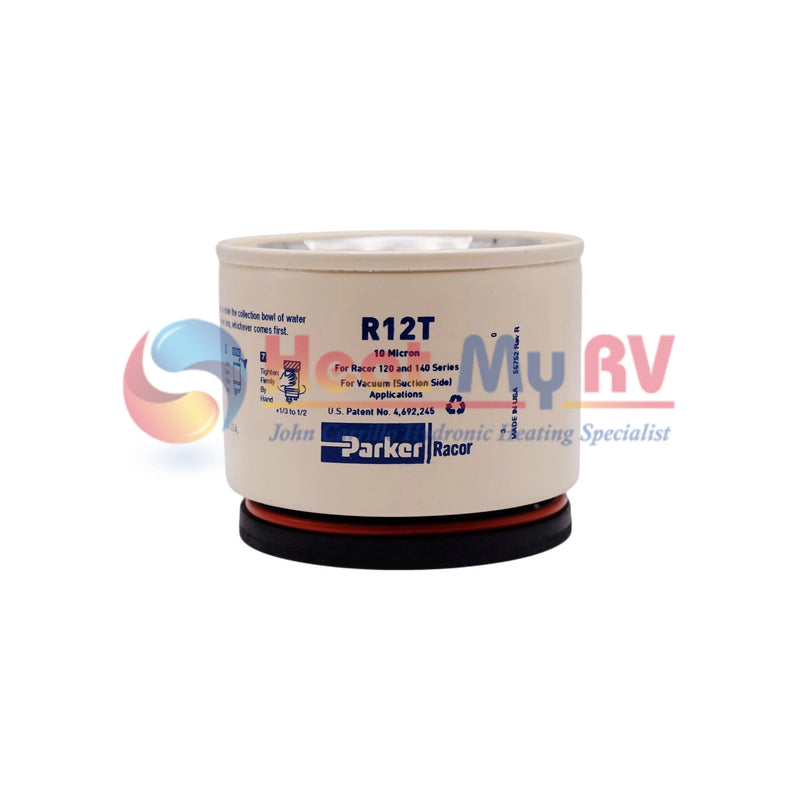
Credit: heatmyrv.com
Remove The Old Filter
Start by carefully twisting the old filter off the Racor fuel system. Dispose of it properly to prepare for the new filter installation. Make sure no fuel spills during removal to keep the area clean.
Locate The Old Filter
First, find the Racor fuel filter on your engine or fuel system. It usually looks like a clear bowl with a metal cap. Make sure the engine is off and cool. This step is important for safety and ease.
Place a container or rag under the filter to catch any fuel spills. Have a wrench or filter tool ready. Fuel can leak out when removing the filter, so be careful.
Loosen The Filter
Use the wrench to turn the filter cap counterclockwise. Turn slowly to avoid sudden fuel spills. Keep steady pressure until the filter loosens.
Remove The Filter
Once loose, carefully take off the filter by hand. Watch for any remaining fuel inside the bowl. Dispose of the old filter properly to avoid pollution.
Check The Seal And O-rings
Checking the seal and O-rings is an important step in tightening a Racor fuel filter. These parts keep fuel from leaking and ensure the filter fits tightly. A damaged seal or worn O-ring can cause leaks and reduce engine performance.
Before tightening, always inspect the seal and O-rings carefully. Look for cracks, tears, or any signs of wear. Replace any damaged parts to keep the fuel system secure and clean.
Locate The Seal And O-rings
First, find the seal and O-rings on the fuel filter assembly. The seal usually sits between the filter bowl and the head. O-rings are circular rubber rings that fit around the filter or its components. Knowing their exact location helps during inspection.
Inspect For Damage
Check the seal and O-rings for cracks or hard spots. Even small damage can cause leaks. Press gently to feel for softness. If the rubber feels dry or brittle, it needs replacement.
Clean The Seal And O-rings
Remove dirt and debris from the seal and O-rings before reinstalling. Use a clean cloth to wipe them gently. Dirt can prevent a proper seal and cause leaks.
Apply Lubricant To O-rings
Apply a thin layer of clean fuel-compatible lubricant to the O-rings. This helps them slide into place without damage. Lubricated O-rings seal better and last longer.
Replace If Necessary
If the seal or O-rings show damage or wear, replace them. Use parts designed for your Racor fuel filter model. Proper replacements prevent leaks and protect the engine.

Credit: www.ebay.com
Install The New Filter
Installing the new Racor fuel filter is a key step in keeping your engine running smoothly. This process requires attention to detail to ensure a proper seal and prevent leaks. Follow each step carefully to avoid damage and ensure long filter life.
Prepare The New Filter
Start by inspecting the new filter. Check for any visible damage or defects. Lightly coat the rubber gasket with clean fuel or oil. This helps create a tight seal and makes installation easier.
Align The Filter Correctly
Line up the new filter with the filter head. Make sure the gasket sits flat against the mounting surface. Avoid cross-threading by turning the filter gently onto the threads.
Tighten The Filter By Hand
Turn the filter clockwise until it contacts the base. Then, tighten it further by hand about one-half to three-quarters of a turn. Do not use tools for this step to prevent over-tightening.
Check For Proper Fit
Ensure the filter is snug but not overly tight. A hand-tight seal prevents leaks and allows easy removal later. If unsure, consult the filter’s instructions for exact torque recommendations.
Tighten The Filter Properly
Tightening the Racor fuel filter properly is crucial for its performance. A loose filter can cause leaks and reduce engine efficiency. Too tight can damage the filter or the housing. Finding the right tightness ensures a good seal and long-lasting operation. Follow simple steps to tighten the filter without causing harm.
Hand Tightening Tips
Start by screwing the filter on by hand. Turn it slowly until you feel resistance. Stop when it is snug but not forced. Use your fingers, not tools, at this stage. This prevents cross-threading and damage. Make sure the gasket touches the base evenly. A slight turn after contact usually seals the filter well.
Using Tools Safely
Use a filter wrench only if hand tightening is not enough. Choose the right size wrench for your filter. Avoid using excessive force with the tool. Tighten gently until the filter feels secure. Over-tightening can crack the housing or damage the seal. Check the filter after running the engine for leaks. Adjust the tightness slightly if needed.

Credit: www.g-locbrakes.com
Check For Leaks
Checking for leaks is important after tightening a Racor fuel filter. Leaks can cause fuel loss and damage engine parts. Detecting leaks early helps keep the engine safe and running well.
Look closely at the filter and the connections. A small drip or wet spot shows a leak. Tighten the filter carefully to avoid leaks. Never overtighten, as this can damage the filter or seal.
Visual Inspection For Fuel Drips
Check around the fuel filter for any signs of fuel drips. Use a clean cloth to wipe around the filter. Watch for wet spots or stains. Look under the filter and around the fuel lines. Even tiny drops mean a leak.
Feel For Moisture Around The Seal
Run your fingers gently around the filter seal. Moisture on your fingers shows a leak. Be careful not to touch hot engine parts. Use a flashlight to see the seal clearly in dark areas.
Run The Engine And Watch Closely
Start the engine after tightening the filter. Watch the filter area while the engine runs. Fuel leaks may appear only under pressure. Stop the engine if you see any leaks. Tighten the filter a little more if needed.
Test The Fuel System
Start by checking the fuel system for leaks or damage. Tighten the Racor fuel filter by hand until snug, then use a wrench for a quarter turn. Avoid over-tightening to prevent damage.
After tightening the Racor fuel filter, check the fuel system for leaks. Look around the filter and fittings. Any fuel dripping or wet spots show a leak. Leaks can cause engine problems or fire hazards. Use a clean cloth to wipe areas and watch closely. If you find leaks, tighten the filter or fittings more carefully.
Start The Engine
Turn on the engine to test the fuel flow. Listen for unusual sounds like sputtering or knocking. The engine should run smoothly without hesitation. If it stumbles or stalls, the fuel filter might not be tight enough. Check the filter again and make sure it is secure. Proper fuel flow keeps the engine running well.
Monitor Fuel Pressure
Use a fuel pressure gauge to check system pressure. The pressure should match the engine’s specifications. Low pressure can mean the filter is not sealed properly. High pressure might indicate a blocked filter or a problem downstream. Keep the pressure within the recommended range for best performance.
Maintenance Tips
Regular maintenance of a Racor fuel filter keeps your engine running smoothly. Proper care prevents leaks and ensures fuel flows without blockage. Tightening the filter correctly is part of this process. Follow these tips to maintain your fuel filter and avoid common issues.
Check For Leaks After Tightening
Always inspect the filter area after tightening. Look for any fuel drips or wet spots. A small leak can cause big problems over time. Tighten the filter just enough to stop leaks. Avoid over-tightening to protect the filter seal.
Use The Correct Tools
Use a strap wrench or filter wrench made for Racor filters. These tools give better grip and control. Avoid using pliers or adjustable wrenches. Wrong tools can damage the filter housing or strip threads.
Replace The Filter Element Regularly
Change the filter element based on your engine’s manual. A clogged filter reduces engine power and fuel efficiency. Fresh filter elements keep dirt and water out of the fuel system. Always tighten the filter after replacing the element.
Clean The Filter Bowl
Remove and clean the filter bowl during maintenance. Dirt and water settle at the bottom of the bowl. Cleaning prevents contamination from reaching the engine. Make sure to tighten the bowl securely when reassembling.
Use New Seals And O-rings
Always replace seals and O-rings with new ones. Old seals may crack or deform, causing leaks. Apply a light coat of clean fuel or oil on new seals. This helps them seat properly and prevents damage.
Frequently Asked Questions
How Do I Properly Tighten A Racor Fuel Filter?
To tighten a Racor fuel filter, hand-tighten the bowl until the gasket seals. Then, use a filter wrench to turn it an additional 1/4 to 1/2 turn. Avoid over-tightening to prevent damage to the filter or housing.
What Tools Are Needed To Tighten A Racor Fuel Filter?
You typically need a clean rag and a Racor filter wrench. The rag helps grip and clean the filter bowl. The wrench provides the right leverage to tighten the filter correctly without causing damage.
How Tight Should A Racor Fuel Filter Be Sealed?
The Racor fuel filter should be hand-tightened plus 1/4 to 1/2 turn with a wrench. This ensures a secure seal without over-tightening. Over-tightening can cause leaks or damage to the filter housing.
Can Overtightening A Racor Fuel Filter Cause Problems?
Yes, overtightening can crack the filter bowl or damage the gasket. It may also cause leaks or make future removal difficult. Always follow manufacturer guidelines for proper tightening torque or turns.
Conclusion
Tightening a Racor fuel filter is simple and important for your engine. Make sure the filter is clean before you tighten it. Turn the filter by hand until it feels snug, then give it a small extra twist. Avoid using too much force to prevent damage.
Regular checks keep your fuel system working well. This helps your engine run smoothly and last longer. Remember, careful tightening protects your equipment and saves you time and money. Keep these tips in mind for easy filter maintenance.


