

Have you ever wondered how hard it is to change your fuel filter? If your car is acting up or losing power, the fuel filter might be the culprit.
But before you panic or rush to the mechanic, you might be surprised to learn that changing it yourself could be easier than you think. You’ll discover exactly what’s involved, what tools you need, and step-by-step tips to help you tackle the job with confidence.
Stick around—you might just save time and money by doing it yourself!
Signs Fuel Filter Needs Change
Knowing the signs that your fuel filter needs a change can save your car from serious problems. The fuel filter stops dirt and rust from entering the engine. Over time, it gets clogged and stops working well. This can affect how your car runs and may cause damage if ignored.
Watch for clear signs. These signs tell you the fuel filter might be dirty or blocked. Acting early helps keep your car safe and running smoothly.
Common Symptoms
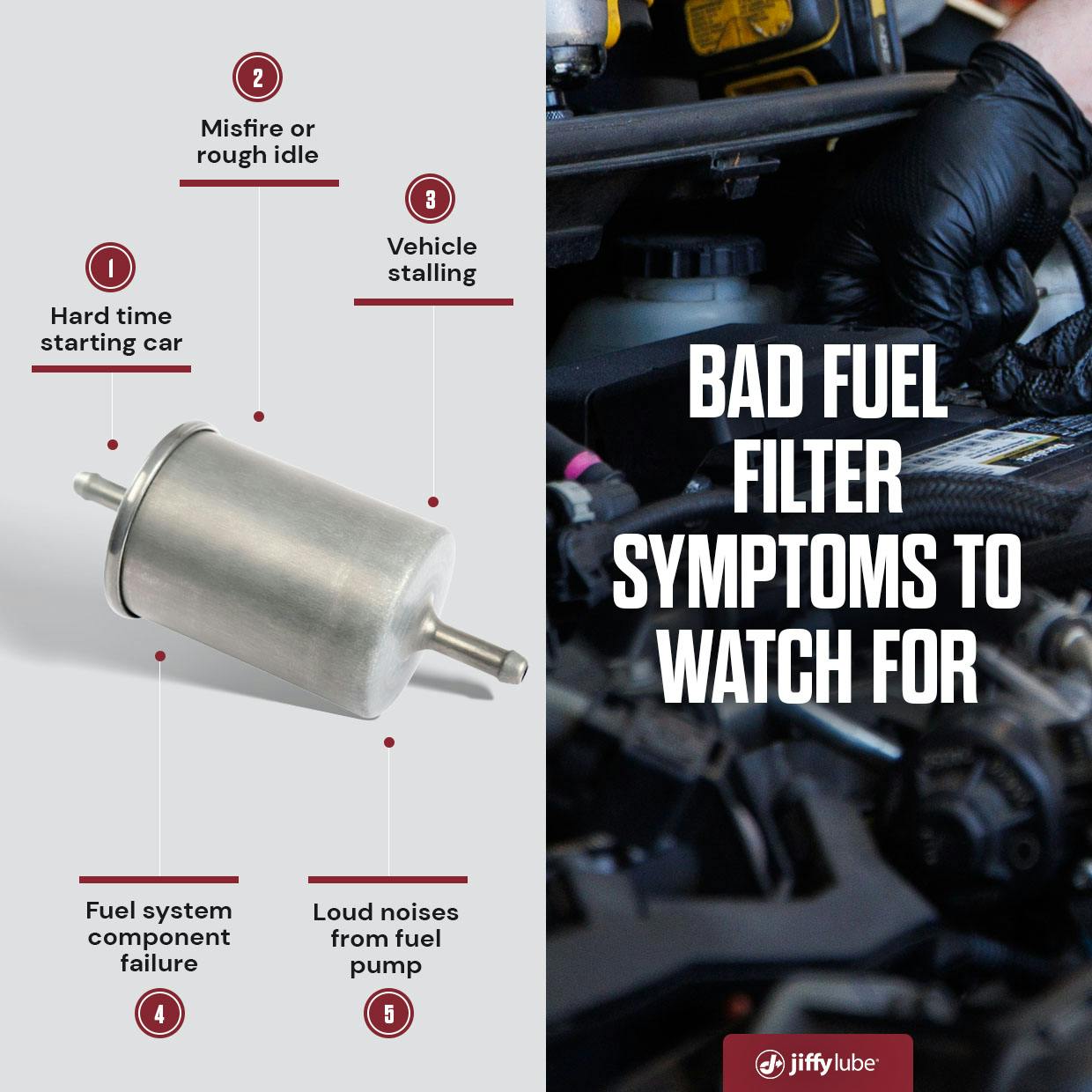
Your car may start to show trouble with the fuel filter. One sign is that the engine struggles to start. It may take longer than usual to turn on. Another symptom is the engine running rough or stalling during driving. You might hear sputtering sounds or notice less power. Poor fuel efficiency is also a clue. Your car may use more fuel than before. These are all signs the fuel filter might be dirty.
Impact On Engine Performance
A clogged fuel filter reduces fuel flow to the engine. This causes weak acceleration and poor engine power. The engine may misfire or hesitate while driving. It can also cause the car to stall suddenly. Over time, the engine parts may wear out faster. This leads to costly repairs. Clean fuel filters keep the engine healthy. They ensure smooth fuel delivery and steady performance.

Credit: www.wikihow.com
Tools Required
Changing a fuel filter needs specific tools to get the job done right. Having the correct equipment makes the process easier and safer. This section lists the main tools and safety gear you need.
Essential Equipment
You need a few basic tools to change the fuel filter. A wrench or socket set helps remove bolts. A screw driver may be necessary for clamps. Fuel line disconnect tools make detaching hoses simple. A catch pan keeps fuel spills contained. Clean rags help wipe up any mess. Having all these ready speeds up the task.
Safety Gear
Safety is key when working with fuel. Wear safety goggles to protect your eyes. Gloves keep harmful fuel off your skin. Long sleeves and pants reduce exposure. Work in a well-ventilated area to avoid fumes. A fire extinguisher nearby is smart. These precautions protect you during the job.
Step-by-step Replacement Process
Changing a fuel filter is a task you can do with some care and basic tools. The process involves a few clear steps that anyone can follow. This guide breaks down each part of the job so you can replace your fuel filter safely and correctly.
Locating The Fuel Filter
The fuel filter is usually found along the fuel line. It can be under the car near the fuel tank or in the engine bay. Check your vehicle’s manual to find the exact spot. Look for a small cylindrical part with fuel lines connected to it.
Preparing The Vehicle
Start by turning off the engine and letting it cool. Disconnect the battery to avoid sparks. Relieve fuel system pressure by following the manual’s instructions. Wear safety glasses and gloves for protection.
Removing The Old Filter
Use a wrench to loosen the clamps or connectors holding the filter. Be ready for some fuel to leak out, so have a rag or container nearby. Remove the filter carefully, noting the direction of fuel flow for the new one.
Installing The New Filter
Place the new filter in the same position as the old one. Make sure the arrow on the filter matches the fuel flow direction. Tighten the clamps or connectors firmly but do not overtighten. Reconnect the battery and start the engine to check for leaks.
Challenges You Might Face
Changing a fuel filter is not always easy. There are some challenges that can make the job harder. Understanding these challenges helps you prepare better.
Difficult Access Points
The fuel filter is often in a tight spot. Sometimes, it hides under the car or behind engine parts. This makes it hard to reach. You may need special tools or have to remove other parts first. Working in small spaces can be frustrating and slow.
Dealing With Fuel Spills
Fuel can leak out when you disconnect the filter. This can be dangerous and messy. Fuel spills can cause fire risks and damage paint. It is important to catch the fuel with a container or cloth. Clean up spills right away to stay safe and keep your workspace tidy.
Expert Tips For A Smooth Change
Changing a fuel filter can seem tricky, but simple tips make the task easier. Knowing the right steps prevents problems and saves time. These expert tips help ensure a smooth fuel filter change, even for beginners. Follow these easy guidelines for better results and fewer headaches.
Avoiding Common Mistakes
Always relieve fuel system pressure before starting. This stops fuel from spraying out. Use proper tools to avoid damaging connectors and hoses. Tighten clamps firmly but do not overtighten. Check for leaks after installation. Avoid skipping the step of cleaning the area around the filter. Dirt can enter the system and cause issues.
Maximizing Filter Lifespan
Choose the right filter for your vehicle model. Replace the filter according to your car’s schedule. Use clean fuel to reduce dirt buildup. Avoid running the tank too low, as sediment can clog the filter. Regular checks help spot early signs of wear or blockage. Proper installation also prevents damage and extends filter life.
Credit: www.jiffylube.com
When To Seek Professional Help
Changing a fuel filter can be simple in some cars. Yet, many situations need a professional’s help. Knowing when to get expert support can save time and avoid damage. This section guides you on when to seek help for fuel filter issues.
Complex Systems
Some cars have fuel systems that are hard to access. The fuel filter might be inside the fuel tank or near the engine. These setups need special tools and skills to reach. Mistakes can cause fuel leaks or engine problems. A professional knows how to handle complex systems safely.
Signs Of Deeper Issues
Changing the fuel filter may not fix all problems. Strange noises, engine stalling, or poor acceleration can mean bigger issues. The fuel pump or fuel lines might be damaged. A mechanic can diagnose these problems correctly. They can suggest the right repairs beyond just the filter change.

Credit: www.wikihow.com
Frequently Asked Questions
How Difficult Is Changing A Fuel Filter?
Changing a fuel filter is moderately easy for those with basic mechanical skills. It usually involves removing clips and bolts, then replacing the old filter. Proper tools and safety precautions are essential to avoid fuel leaks and ensure a smooth process.
How Long Does It Take To Replace A Fuel Filter?
Replacing a fuel filter typically takes 30 to 60 minutes. Time varies depending on the vehicle’s make and model. Experienced mechanics may complete it faster, while beginners should allow extra time for careful work and safety measures.
What Tools Are Needed To Change A Fuel Filter?
Basic tools include wrenches, screwdrivers, and pliers. Some vehicles may require special fuel line disconnect tools. Always consult your vehicle’s manual to ensure you have the correct equipment before starting the job.
How Often Should A Fuel Filter Be Changed?
Most manufacturers recommend changing the fuel filter every 20,000 to 40,000 miles. However, this interval varies by vehicle type and driving conditions. Regular replacement ensures clean fuel flow and prevents engine issues.
Conclusion
Changing a fuel filter is not too hard for most people. With some basic tools and care, anyone can do it. It helps keep your engine running smoothly and saves money on repairs. Just take your time, follow steps carefully, and stay safe.
Regular fuel filter changes improve car performance and fuel efficiency. So, don’t wait until problems start. A little effort now can prevent big issues later. Simple, useful, and worth trying.


