

Your vehicle’s fuel filter plays a quiet but crucial role in keeping your engine running smoothly. If it gets clogged or worn out, your car can start to lose power, stall, or even fail to start.
But how can you tell when your fuel filter needs to be replaced before these problems take hold? You’ll discover the clear signs to watch for and simple steps to check your fuel filter. Knowing this can save you time, money, and the frustration of unexpected breakdowns.
Keep reading to find out exactly what to look for and how to keep your fuel system in top shape.
Role Of The Fuel Filter
The fuel filter plays a key role in keeping your engine healthy. It cleans the fuel before it reaches the engine. Dirt, rust, and other particles can get into your fuel tank. The filter catches these impurities to stop them from damaging the engine.
Clean fuel helps the engine run smoothly and efficiently. The filter also protects the fuel injectors, which are very sensitive. Without a good filter, these parts can get clogged or worn out fast.
The Fuel Filter’s Main Job
The main job is to trap dirt and debris. Fuel flows through the filter, leaving harmful particles behind. This keeps the fuel clean and safe for the engine. A clean filter helps maintain engine power and fuel efficiency.
How The Fuel Filter Protects The Engine
The filter stops tiny particles from reaching the engine. These particles can scratch engine parts or block fuel flow. This causes poor performance and can lead to costly repairs. A good filter keeps the engine parts safe and lasting longer.
Fuel Filter And Engine Performance
A clean filter ensures steady fuel flow. This helps the engine run without hesitation or stalling. A clogged filter slows the fuel flow, making the engine struggle. Replacing the filter keeps the engine strong and responsive.

Credit: www.youtube.com
Common Symptoms Of A Clogged Filter
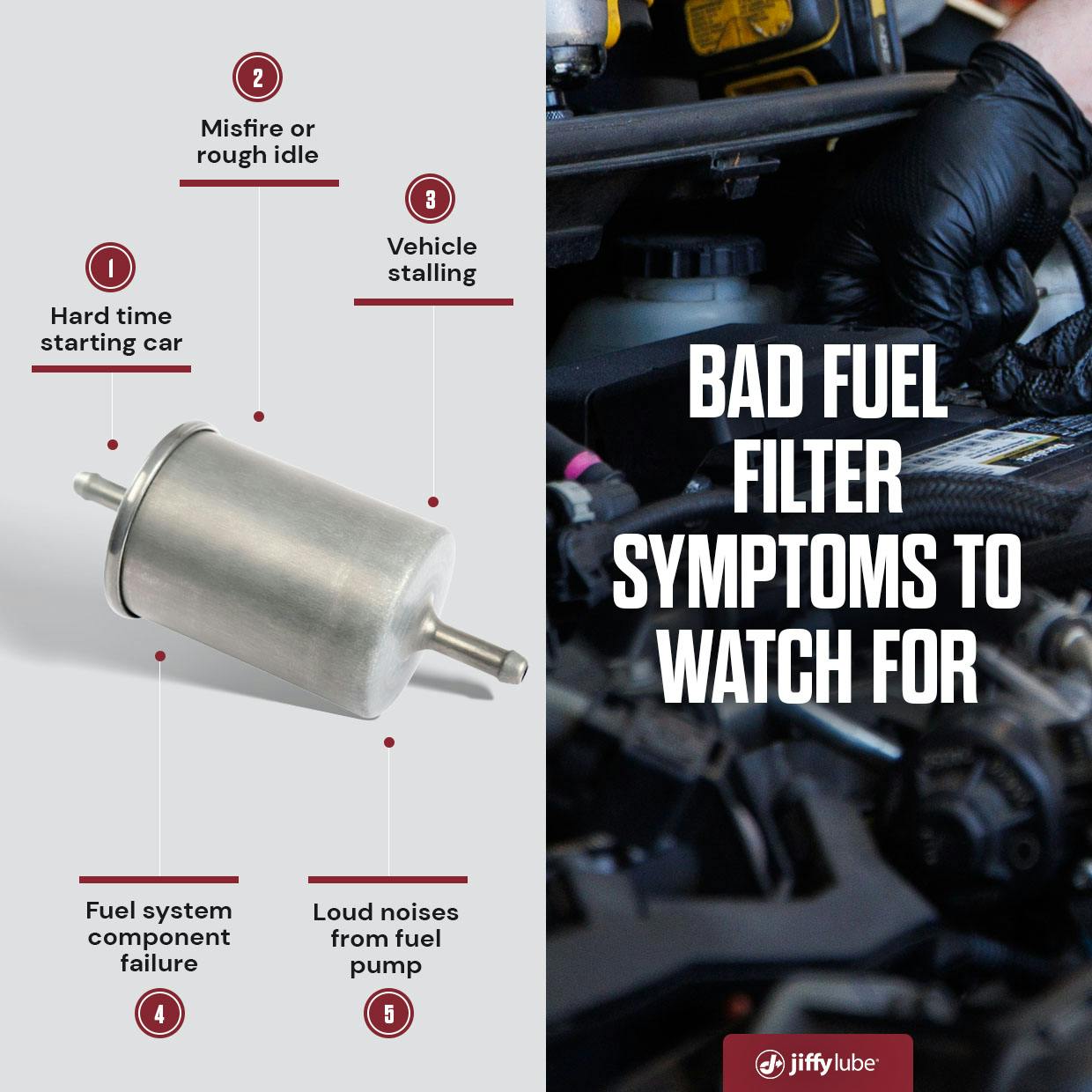
A clogged fuel filter causes many car problems. It stops fuel from flowing properly to the engine. This leads to several warning signs. Knowing these signs helps you fix the issue fast. Watch for these common symptoms of a clogged filter.
Engine Performance Issues
The engine may run rough or lose power. You might feel hesitation when you press the gas pedal. The car can stall or struggle to keep speed. Poor engine performance often means the fuel filter is dirty.
Starting Difficulties
Your car might take longer to start or not start at all. A clogged filter blocks fuel flow to the engine. This makes starting the engine hard or impossible. Repeated starting problems often point to a bad fuel filter.
Fuel Smell Inside Vehicle
Smelling fuel inside the car is a warning sign. A clogged filter can cause fuel leaks or spills. These leaks produce a noticeable fuel smell inside the cabin. Always check the fuel system if you notice this odor.
Visual Signs To Check
Visual signs provide a quick way to know if your fuel filter needs replacement. Checking these signs can save your engine from damage and improve performance. A simple inspection helps spot problems early before they get worse.
Filter Appearance
Look at the fuel filter closely. A clean filter looks clear or slightly yellowish. If it appears dark, dirty, or clogged, it needs replacing. Rust spots or cracks on the filter body show damage. These signs mean the filter cannot work properly.
Fuel Quality Concerns
Fuel quality affects the filter’s condition. Cloudy or murky fuel inside the filter means dirt or water contamination. This contamination clogs the filter quickly. If you see particles or sludge trapped in the filter, replace it soon. Clean fuel keeps the filter working well and your engine smooth.
Credit: www.jiffylube.com
Impact On Fuel Efficiency
The fuel filter plays a key role in keeping your car’s engine clean. It blocks dirt and rust from entering the fuel system. Over time, the filter can get clogged. This clog reduces how well fuel flows to the engine.
A clogged fuel filter can lower your car’s fuel efficiency. Your engine needs the right amount of fuel to run well. A blocked filter means less fuel reaches the engine. The engine then works harder to perform the same tasks. This extra work uses more fuel than usual.
How A Clogged Fuel Filter Affects Mileage
When the fuel filter is dirty, fuel flow slows down. The engine receives less fuel than it needs. This causes poor combustion and weak engine power. Your car burns more fuel to keep moving. The result is fewer miles per gallon.
Signs Of Poor Fuel Efficiency
You may notice your car uses more gas than before. Trips to the pump become more frequent. The engine may feel sluggish or hesitate when accelerating. These signs often point to a fuel flow problem, like a dirty filter.
Fuel Filter Maintenance Helps Save Fuel
Replacing a clogged fuel filter restores proper fuel flow. The engine runs smoother and uses fuel better. Regular filter checks prevent fuel waste and protect engine parts. Clean fuel filters keep your car efficient and save money on gas.
Scheduled Maintenance Intervals
Scheduled maintenance intervals help keep your vehicle running smoothly. Following these intervals ensures your fuel filter works well. The fuel filter removes dirt and debris from the fuel. Over time, it gets clogged and stops working properly. Replacing it on time prevents engine problems and saves money.
Understanding Manufacturer Recommendations
Your vehicle’s manual has the fuel filter replacement schedule. This schedule is based on your car’s make and model. Most cars suggest changing the fuel filter every 20,000 to 40,000 miles. Stick to this guide for best performance. Ignoring it can cause fuel flow issues and damage.
Signs To Watch Between Intervals
Adjusting For Driving Conditions
Harsh driving conditions can shorten the fuel filter’s life. Dusty roads, stop-and-go traffic, and short trips add stress. Change the filter more often in these cases. Consult your manual or mechanic for advice. Regular checks help keep fuel flow clean and steady.
Tools For Inspection
Checking your fuel filter helps keep your engine running well. Using the right tools makes this task easier and more accurate. These tools help find blockages or problems in the filter quickly.
Pressure Gauges
Pressure gauges measure the fuel pressure in the fuel line. Low pressure can show a clogged fuel filter. Attach the gauge to the fuel line and watch the reading. Compare this with the normal pressure for your vehicle. A big drop means the filter may need a change.
Fuel Flow Testing
Fuel flow testing checks how much fuel passes through the filter. Less fuel flow means the filter is dirty or blocked. This test uses a clear container and a fuel pump or gravity feed. Collect fuel for a set time and measure the amount. A low amount indicates a problem with the filter.
Risks Of Delayed Replacement
Delaying the replacement of a fuel filter can cause serious problems for your vehicle. The fuel filter traps dirt and debris from the fuel. Over time, it gets clogged and stops working properly. This affects your engine’s performance and can lead to costly repairs. Ignoring the fuel filter can harm your car’s fuel system and reduce its lifespan.
Engine Performance Issues
A clogged fuel filter reduces fuel flow to the engine. This causes poor acceleration and rough idling. The engine may hesitate or stall during driving. Fuel starvation makes the car hard to start. These problems worsen as the filter gets dirtier.
Fuel Pump Damage
The fuel pump works harder to push fuel through a blocked filter. This extra strain can cause the pump to overheat and fail. Replacing a fuel pump costs much more than a filter. Protect the pump by changing the filter on time.
Reduced Fuel Efficiency
A dirty fuel filter lowers fuel flow and engine power. The engine burns more fuel to keep running. This means you spend more money on gas. A clean filter helps maintain good fuel economy.
Increased Emissions
When fuel doesn’t burn well, the car produces more pollution. A bad fuel filter can increase harmful emissions. This can cause your vehicle to fail emissions tests. Clean fuel filters help keep the exhaust cleaner.

Credit: www.autonationmobileservice.com
Diy Vs Professional Replacement
Deciding between doing a fuel filter replacement yourself or hiring a professional is important. Each choice has its own benefits and risks. Understanding these can help you make the best decision for your car and budget.
DIY replacement saves money and gives a sense of accomplishment. It requires basic tools and some mechanical knowledge. Still, it demands caution and the right steps to avoid damage or injury.
Professional replacement offers safety and expertise. Mechanics have the right tools and experience to handle the job quickly. This option reduces the risk of mistakes and ensures your car works well after the repair.
Advantages Of Diy Fuel Filter Replacement
Doing it yourself can save you money on labor costs. You learn more about your car’s parts and how they work. You control the timing and pace of the job. It is a good choice if you have some car repair experience.
Risks Of Diy Fuel Filter Replacement
Fuel systems can be tricky and dangerous. Incorrect handling may cause leaks or engine problems. Lack of proper tools can make the job harder. Mistakes might lead to costly repairs later.
Benefits Of Professional Fuel Filter Replacement
Professionals work fast and safely. They know how to find the exact filter your car needs. Professionals also check for other issues during the replacement. Your car is less likely to have future fuel problems.
Cost Considerations For Both Options
DIY costs mainly include the price of the filter and tools. Professionals charge for parts and labor, which is higher. Think about your skill level before choosing the cheaper option. Sometimes paying more saves money in the long run.
Frequently Asked Questions
How Often Should I Replace My Fuel Filter?
Typically, replace your fuel filter every 20,000 to 40,000 miles. Check your vehicle’s manual for specific intervals. Regular replacement ensures optimal engine performance and prevents fuel contamination.
What Are Signs Of A Clogged Fuel Filter?
Common signs include engine misfires, stalling, poor acceleration, and difficulty starting. A clogged filter restricts fuel flow, causing these noticeable performance issues.
Can A Dirty Fuel Filter Cause Engine Problems?
Yes, a dirty fuel filter can cause engine hesitation, reduced power, and increased fuel consumption. It blocks fuel flow, affecting engine efficiency and reliability.
Is Fuel Filter Replacement Diy-friendly?
Replacing a fuel filter can be DIY-friendly with proper tools and safety measures. However, consult your vehicle’s manual and consider professional help if unsure.
Conclusion
A clean fuel filter keeps your engine running smooth. Watch for signs like slow acceleration or rough idling. Regular checks help avoid costly repairs later. Changing the filter on time saves fuel and boosts performance. Don’t wait for big problems to show up.
Take action and keep your vehicle healthy and strong. Simple steps make a big difference in car care. Stay alert and protect your engine’s life every mile.


