

If you own a 6.0 Powerstroke, keeping your engine running smoothly is probably one of your top priorities. One simple but crucial part that often gets overlooked is the fuel filter.
You might be wondering, how often should you change the fuel filter on your 6. 0 Powerstroke? Getting this right can save you from costly repairs and keep your truck performing at its best. You’ll discover exactly when and why changing your fuel filter matters, helping you avoid common problems and protect your investment.
Keep reading to learn how to keep your Powerstroke in prime condition.
Fuel Filter Role In 6.0 Powerstroke
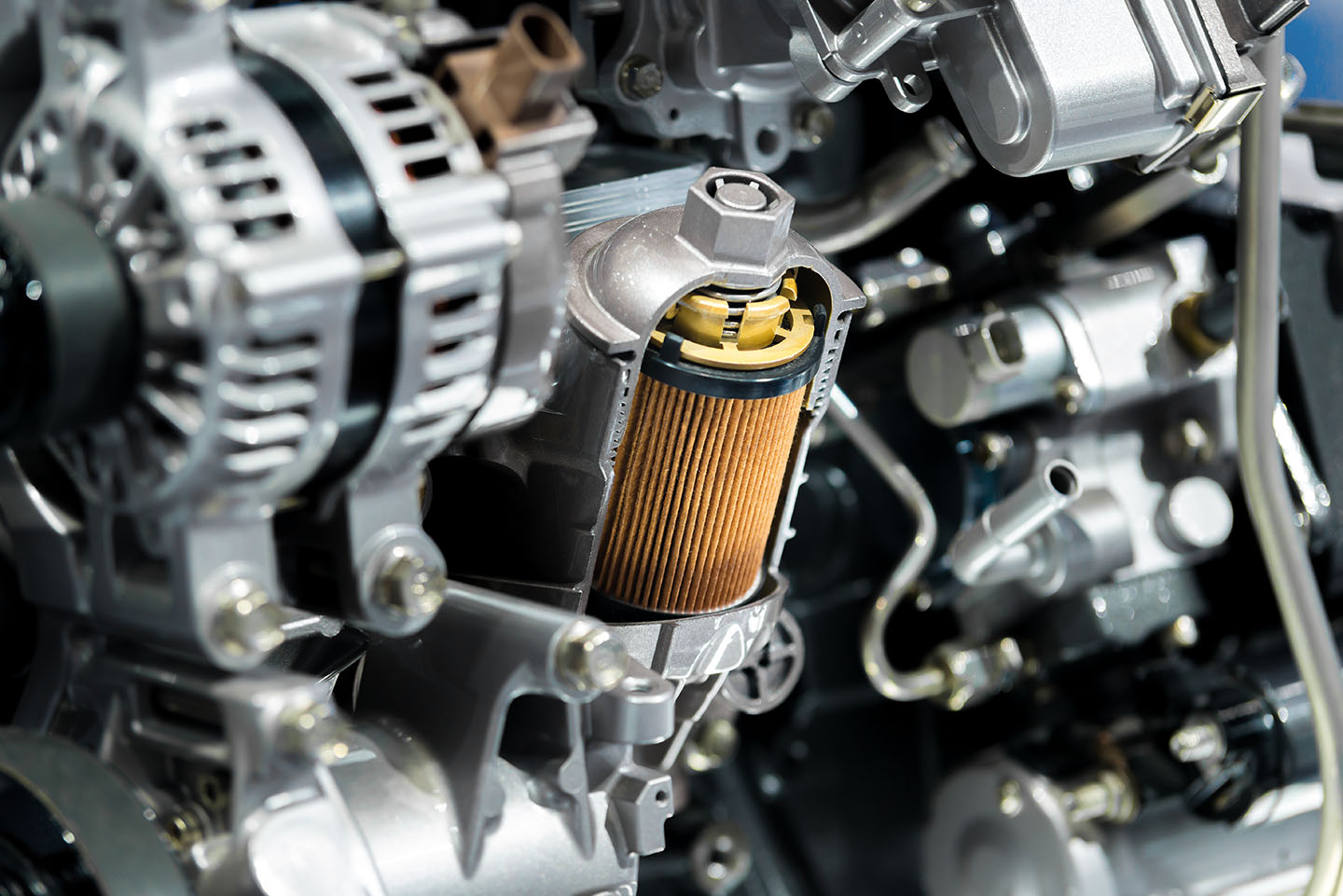
The fuel filter plays a key role in keeping your 6.0 Powerstroke running smoothly. It cleans the fuel before it reaches the engine. Dirt, rust, and other particles get trapped in the filter. This stops them from damaging engine parts.
A clean fuel filter helps maintain good engine health. It supports fuel flow and protects the injection system. Knowing how the fuel filter works helps you care for your truck better.
Fuel Filter Function
The fuel filter removes impurities from diesel fuel. It stops tiny particles from entering the engine. The filter catches dirt, rust flakes, and other debris. This protects the fuel injectors and pump from wear.
Fuel filters also separate water from the fuel. Water in fuel can cause engine problems. The filter traps water, preventing corrosion and damage. Clean fuel means better engine life and fewer repairs.
Impact On Engine Performance
A dirty or clogged fuel filter reduces fuel flow. The engine may run rough or lose power. Starting can become harder, and fuel economy drops. Poor fuel flow makes the engine work harder.
Replacing the fuel filter keeps the engine running well. It improves acceleration and engine smoothness. Clean fuel helps the engine burn fuel efficiently. This saves fuel and lowers emissions.
Credit: www.powerstroke.org
Recommended Change Intervals
Changing the fuel filter regularly is key for a healthy 6.0 Powerstroke engine. The right time to replace it depends on several factors. Following recommended intervals helps keep the engine running smoothly and avoids costly repairs.
Manufacturer Guidelines
The manufacturer suggests changing the fuel filter every 15,000 to 20,000 miles. This range fits most driving conditions and keeps fuel clean. Sticking to this schedule ensures the engine gets enough fuel flow. Ignoring it may cause fuel blockage and engine problems.
Factors Affecting Replacement Frequency
Driving conditions impact how fast the fuel filter clogs. Dusty or rough roads make filters dirty sooner. Using low-quality fuel adds more contaminants. Heavy towing or long trips may need earlier changes. Checking the filter more often helps catch problems early.
Signs You Need To Replace The Fuel Filter
The fuel filter on a 6.0 Powerstroke helps keep dirt and debris out of the engine. Over time, the filter gets clogged. This can cause problems with engine performance. Knowing the signs of a bad fuel filter can save you from bigger repairs. Watch for changes in how your truck runs. Early detection keeps your engine healthy and fuel system clean.
Common Symptoms
The engine might run rough or stall unexpectedly. You may notice a loss of power during acceleration. The truck could hesitate when you press the gas pedal. Fuel efficiency often drops as the filter clogs. Strange noises from the fuel pump also point to a problem. These signs show your fuel filter may need changing soon.
Diagnostic Tips
Check for trouble codes using an OBD-II scanner. Codes related to fuel pressure often indicate filter issues. Listen for unusual sounds from the fuel pump area. Inspect the fuel filter for visible dirt or damage. A pressure test can reveal a clogged filter. Regular checks help catch problems before they get worse.
Credit: bostechauto.com
Choosing The Right Fuel Filter
Choosing the right fuel filter for your 6.0 Powerstroke is important. It keeps your engine clean and running well. A good filter stops dirt and debris from reaching the engine. Picking the correct filter can save money and prevent engine damage. Understand the options before buying. This helps you select the best filter for your truck.
Oem Vs Aftermarket Options
OEM filters are made by the truck’s maker. They fit perfectly and meet all factory standards. OEM filters offer reliable performance and good protection. Aftermarket filters come from other companies. They can be cheaper and sometimes offer more features. Some aftermarket filters work well, but quality varies. Check reviews and ratings before choosing. Using a poor filter can harm your engine. Both types have pros and cons. Choose based on your budget and needs.
Filter Specifications To Consider
Look at the filter’s micron rating. It shows how small the particles it can block are. A lower micron rating means better filtration. Check the filter’s flow rate too. It affects how much fuel passes through easily. Too low flow can reduce engine power. Also, confirm the filter fits your 6.0 Powerstroke model. Size and connection type matter. Choose filters made with durable materials. This ensures they last longer and work well. Pick filters that match your truck’s fuel system requirements.
Step-by-step Replacement Process
Changing the fuel filter on a 6. 0 Powerstroke involves a few clear steps. First, relieve fuel system pressure, then remove the old filter. Finally, install the new filter and check for leaks to ensure proper function.
Tools Required
Gather all tools before starting the replacement. You will need a new fuel filter designed for the 6.0 Powerstroke. Use a fuel filter wrench to remove the old filter. Have a clean rag to wipe any spills. A small container can catch any fuel that leaks out. Gloves protect your hands from fuel and dirt. Safety glasses keep your eyes safe from splashes.
Safety Precautions
Work in a well-ventilated area. Fuel vapors can be harmful and flammable. Avoid open flames or sparks nearby. Wear gloves and safety glasses at all times. Let the engine cool down before starting. Keep a fire extinguisher close just in case. Dispose of the old filter and fuel-soaked rags safely.
Removal And Installation Steps
Start by loosening the fuel filter housing. Place the container underneath to catch fuel. Remove the old filter carefully. Wipe the housing clean with a rag. Check the new filter’s O-ring and lubricate it slightly with clean diesel. Install the new filter by hand until it feels snug. Tighten it firmly with the filter wrench, but do not over-tighten. Prime the fuel system by pumping the primer bulb or turning the ignition key to the “on” position without starting the engine. Check for leaks after installation. Start the engine and let it run for a few minutes to ensure proper fuel flow.
Credit: bulletproofdiesel.com
Maintenance Tips To Extend Fuel Filter Life
Maintaining the fuel filter in a 6.0 Powerstroke is key to its long life. Proper care helps keep the engine clean and running smoothly. Simple habits can prevent early clogging and reduce repair costs. Follow these tips to get the best from your fuel filter.
Fuel Quality Importance
Good fuel protects the filter from dirt and water. Poor fuel brings impurities that clog the filter fast. Always choose clean, high-quality diesel for your truck. Avoid filling up at unknown or low-quality stations. Use fuel additives if recommended to keep the fuel system clean.
Regular Inspection Practices
Check the fuel filter often for signs of dirt or damage. Look for leaks, cracks, or discoloration. Replace the filter if it looks worn or clogged. Keep an eye on the fuel filter warning light on the dashboard. Regular checks catch problems early and save money on repairs.
Common Mistakes To Avoid
Changing the fuel filter on a 6.0 Powerstroke is important for engine health. Many people make mistakes that cause bigger problems later. Avoiding these common errors helps keep your truck running well and saves money on repairs.
Understanding these mistakes helps you take better care of your vehicle. Here are two big errors to watch out for during fuel filter changes.
Skipping Regular Changes
Some owners delay or skip fuel filter changes to save time. This causes dirt and debris to clog the filter. A clogged filter reduces fuel flow and engine power. It can lead to fuel pump damage or injector issues. Changing the filter on schedule keeps fuel clean and engine strong.
Incorrect Installation Issues
Installing the fuel filter the wrong way causes leaks and poor fuel flow. Using wrong parts or loose fittings can let air enter the fuel system. Air in fuel causes rough idling and hard starts. Tighten all connections and use the right filter for your 6.0 Powerstroke. Follow the instructions carefully to avoid problems.
Frequently Asked Questions
How Often To Change Fuel Filter On 6.0 Powerstroke?
You should change the fuel filter every 15,000 to 20,000 miles. Regular changes prevent clogging and maintain engine performance.
What Are Signs Of A Clogged Fuel Filter?
Common signs include hard starting, engine stalling, and reduced power. These symptoms indicate fuel flow issues needing filter replacement.
Can I Change The Fuel Filter Myself?
Yes, changing the fuel filter on a 6. 0 Powerstroke is doable with basic tools. Follow safety steps to avoid fuel spills.
Why Is Fuel Filter Maintenance Important?
Maintaining the fuel filter ensures clean fuel delivery, protects injectors, and improves engine efficiency. It helps avoid costly repairs.
Conclusion
Changing the fuel filter on your 6. 0 Powerstroke keeps the engine running smooth. A clean filter stops dirt from damaging parts. Most experts suggest changing it every 15,000 to 20,000 miles. Watch for signs like rough idling or poor fuel economy.
Regular changes save you costly repairs later. Simple maintenance helps your truck last longer. Keep a schedule and check the filter often. Your engine will thank you with better power and fuel use. Small steps make a big difference in truck care.


