
Thinking about giving your car a fresh new look without the cost of a full paint job? You’re probably wondering, “How much to vinyl wrap my vehicle?” Vinyl wrapping can transform your ride, protect your paint, and even boost resale value.
But the price varies, and knowing what affects the cost can save you money and headaches. You’ll discover the key factors that determine vinyl wrap prices and how to get the best deal for your budget. Keep reading—your perfect car makeover might be closer than you think.

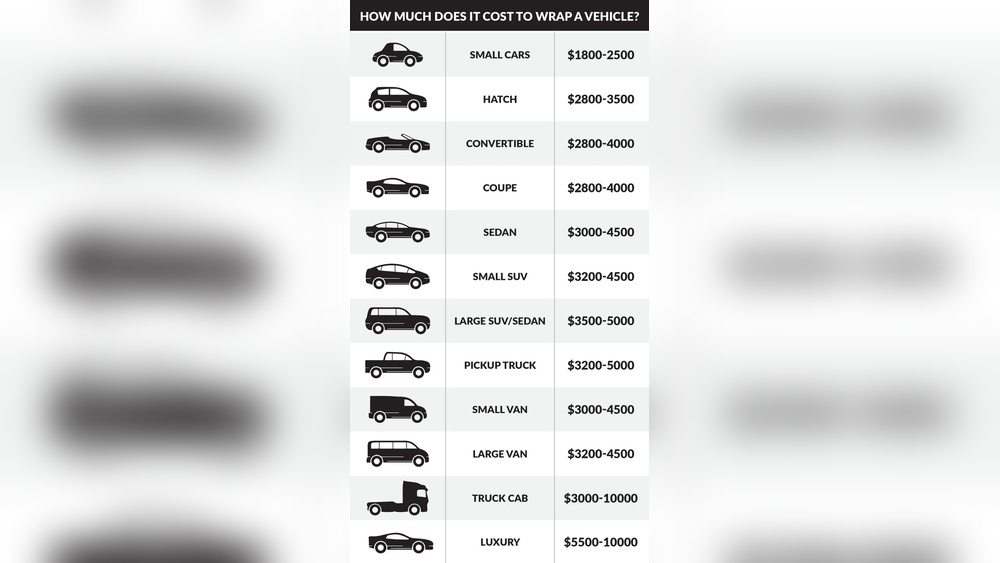
Credit: www.jdpower.com
Factors Affecting Vinyl Wrap Cost
Vinyl wrap cost varies based on several key factors. Understanding these helps plan your budget well. Each element influences the final price differently. Knowing what affects cost lets you choose wisely.
Vehicle Size And Type
Bigger vehicles need more vinyl material and time. Trucks and SUVs cost more than small cars. Complex shapes take extra effort to wrap perfectly. Size and shape directly impact the price.
Wrap Material Quality
Higher quality vinyl lasts longer and looks better. Premium wraps resist fading and damage. Cheaper materials cost less but may not last. Material choice affects both price and durability.
Design Complexity
Simple colors or patterns cost less to apply. Custom designs or full-color prints require more work. Detailed graphics take extra time and skill. Complex designs raise the overall cost.
Labor And Installation Fees
Experienced installers charge more for quality work. Installation time varies with vehicle size and design. Skilled labor ensures a smooth, lasting finish. Labor costs form a big part of total price.
Geographical Location
Prices differ by region due to demand and costs. Urban areas often have higher installation fees. Remote locations may charge extra for travel. Location affects how much you pay overall.
Average Cost Ranges
Vinyl wrapping a vehicle can vary widely in price. The cost depends on the type of wrap and the size of the vehicle. Understanding the average cost ranges helps plan your budget better. Here, we break down typical expenses for different wrap options.
Partial Wrap Costs
Partial wraps cover only a section of the vehicle. This might include the hood, roof, or doors. Prices usually start around $300 and can go up to $1,000. Smaller areas cost less due to less material and labor. Partial wraps offer a fresh look at a lower price.
Full Wrap Costs
Full wraps cover the entire vehicle surface. This service commonly costs between $2,000 and $5,000. Larger vehicles, like trucks or vans, may cost more. The price includes materials, labor, and surface preparation. Full wraps provide complete color or design change.
Custom Designs And Finishes
Custom wraps with unique designs or special finishes increase the price. Effects like matte, gloss, or chrome add to the cost. Custom artwork or logos require more time and skill. Expect to pay $3,000 or more for detailed, one-of-a-kind wraps. This option makes your vehicle truly stand out.
Cost Comparison With Other Options
Choosing the right option to change your vehicle’s look depends a lot on cost. This section compares vinyl wraps with other common choices. Understanding the price differences helps you make a smart decision. Let’s explore how vinyl wraps stack up against paint jobs and decals.
Vinyl Wrap Vs Paint Job
A full paint job usually costs more than a vinyl wrap. Paint jobs require more labor and materials. They can run from $2,000 to $5,000 depending on the quality and type. Vinyl wraps generally cost between $1,500 and $3,000. Paint can last longer but is harder to change. Vinyl wraps offer more design options and are easier to replace. Both improve your car’s appearance, but the cost varies widely.
Vinyl Wrap Vs Decals
Decals are cheaper than vinyl wraps. Decals cost a few hundred dollars for small designs. They cover less surface area and offer limited style changes. Vinyl wraps cover the whole car or large sections. This makes wraps more expensive but more noticeable. Decals are good for simple branding or small artwork. Vinyl wraps provide a full transformation with many colors and finishes.
Long-term Value
Vinyl wraps protect your car’s original paint. This keeps the resale value higher. Paint jobs are permanent but may fade or chip over time. Decals do not protect the paint as well. Vinyl wraps last about 5 to 7 years with care. They can be removed without damage. This flexibility adds long-term value. You can update your car’s look without a big cost later.
Additional Expenses To Consider
Vinyl wrapping a vehicle involves more than just the cost of the wrap itself. Many additional expenses can affect your total price. These extra costs often catch people by surprise. Knowing about them can help you plan your budget better.
Surface Preparation
Preparing the surface is essential for a smooth wrap. This step includes removing dirt, wax, and grease. The installer may also need to sand or polish the surface. Proper preparation helps the vinyl stick well and last longer. This process can add to the overall cost.
Repairs And Cleaning
Damaged or dirty surfaces need fixing before wrapping. Small dents, scratches, or rust spots require repair. Cleaning removes contaminants that could cause bubbles or peeling. These tasks take extra time and materials. Repair and cleaning costs vary based on the vehicle’s condition.
Removal Costs
Removing old wraps can be tricky and time-consuming. Some wraps peel off easily; others leave residue or damage. Professionals charge for safe removal to avoid harming the paint. If you plan to remove the wrap later, include removal fees in your budget.
Tips To Save On Vinyl Wrap
Saving money on a vinyl wrap project is possible with smart choices. Small decisions add up to big savings. Focus on these key tips to keep costs down without losing quality.
Planning ahead helps avoid extra charges. Choose wisely and get the best value for your money.
Choosing The Right Installer
Select an installer with good reviews and fair prices. Avoid the cheapest options that may cut corners. Experienced installers work faster and make fewer mistakes. This reduces your overall cost. Ask for quotes from several installers. Compare their services and warranties. A reliable installer saves money in the long run.
Selecting Materials Wisely
Pick vinyl that fits your budget but lasts long. High-quality vinyl costs more but resists damage better. Lower-cost materials may need replacement sooner. Consider the type of finish you want. Matte or gloss finishes vary in price. Choose a simpler design to lower material costs. Custom patterns or colors increase expenses. Balance quality and price for best results.
Timing Your Wrap
Schedule your wrap during off-peak seasons for discounts. Installers often offer lower rates in slow months. Avoid rush jobs that add extra fees. Plan your wrap when the weather is dry and mild. Good conditions help the vinyl stick better. This prevents peeling and costly repairs later.
Credit: www.carlawrap.com
Maintaining Your Vinyl Wrap
Maintaining your vinyl wrap helps keep your vehicle looking fresh and new. Proper care protects the wrap from damage and extends its life. Simple steps can make a big difference in the wrap’s appearance and durability.
Cleaning Guidelines
Use mild soap and water to clean your vinyl wrap. Avoid harsh chemicals or abrasive cleaners that can harm the film. Wash your vehicle gently with a soft cloth or sponge. Rinse thoroughly to remove all soap residue. Dry the wrap with a clean, soft towel to prevent water spots.
Avoiding Damage
Keep your car away from sharp objects that could scratch the wrap. Avoid parking under trees to prevent sap and bird droppings. Use a car cover for extra protection when parked outside. Do not use automatic car washes with brushes. These can cause scratches and peel the vinyl.
Longevity Expectations
A good vinyl wrap lasts between five to seven years. Proper care can extend this lifespan even further. Sun exposure and weather can shorten the wrap’s life. Regular cleaning and gentle handling keep the wrap looking better longer. Check the wrap often and fix small tears quickly to avoid bigger problems.

Credit: www.carlawrap.com
Frequently Asked Questions
How Much Does A Full Car Vinyl Wrap Cost?
A full car vinyl wrap typically costs between $2,000 and $5,000. Prices depend on vehicle size, wrap quality, and installation complexity. Higher-end materials or custom designs may increase the price. It’s best to get quotes from multiple installers for an accurate estimate.
What Affects The Price Of Vinyl Wrapping?
The price of vinyl wrapping depends on vehicle size, wrap type, design complexity, and labor costs. Premium vinyl films and custom graphics raise the cost. Prep work like paint correction also impacts the total. Location and installer experience influence pricing too.
Is Vinyl Wrapping Cheaper Than A Custom Paint Job?
Yes, vinyl wrapping is generally cheaper than custom paint jobs. Wrapping costs less upfront and takes less time. It also offers easy removal without damaging the original paint. However, high-end wraps can approach the price of basic paint jobs.
How Long Does A Vinyl Wrap Last On A Vehicle?
A vinyl wrap usually lasts 5 to 7 years with proper care. Exposure to sun, weather, and washing frequency affects durability. Quality vinyl films and professional installation extend lifespan. Regular cleaning and avoiding harsh chemicals help maintain the wrap.
Conclusion
Vinyl wrap costs depend on several key factors. Size, material, and design affect price. Professional installation usually costs more but gives better results. DIY options can save money but need skill. Choose quality wraps for longer-lasting looks. Budget carefully to get the best value.
Vinyl wrap offers a fresh look without paint. Consider your needs before deciding on a wrap. This helps you find the right price and style. Vinyl wrapping can be a smart, cost-effective choice.


