

If you want your car to look flawless, painting your primed body side moldings is a simple way to make a big difference. But how do you get a smooth, professional finish without spending a fortune or hiring a pro?
You’re about to discover easy steps that anyone can follow to transform those moldings from plain to perfect. Keep reading, and you’ll learn exactly what you need to do to make your car stand out with fresh, vibrant moldings that look factory-finished.
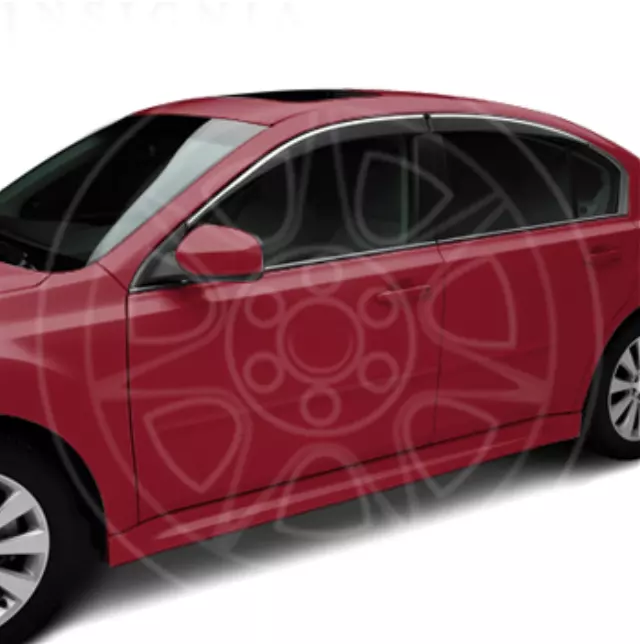
Credit: subaru.oempartsonline.com
Preparing The Moldings
Preparing the moldings is a key step before painting primed body side moldings. Proper preparation helps the paint stick better and last longer. It also makes the surface smooth and clean. This section covers cleaning, sanding, and masking the moldings.
Cleaning The Surface
Start by removing dirt and grease from the moldings. Use a mild soap or car cleaner with water. Wipe the surface with a clean cloth. Avoid harsh chemicals that can damage the primer. Let the moldings dry completely before moving on.
Sanding For Smoothness
Light sanding improves paint adhesion. Use fine-grit sandpaper, around 400 to 600 grit. Sand gently to avoid removing the primer. Focus on any rough or uneven spots. After sanding, wipe off the dust with a damp cloth. Let the surface dry fully.
Masking Surrounding Areas
Protect nearby parts from paint overspray. Use painter’s tape and masking paper. Cover windows, trim, and body panels next to the moldings. Press the tape firmly to avoid paint bleeding. Double-check all areas before starting to paint.
Credit: www.gmpartsgiant.com
Choosing The Right Paint
Choosing the right paint is key to a smooth, long-lasting finish on primed body side moldings. The paint must match your vehicle’s color and withstand outdoor conditions. It should also bond well to the primer and hold up against chips and scratches. This section guides you through the types of automotive paint, color matching, and selecting primer and clear coat.
Types Of Automotive Paint
Automotive paint comes in several forms. Acrylic enamel is easy to apply and dries fast. Acrylic urethane offers stronger protection and a glossy finish. Basecoat/clearcoat is common for modern cars. It has a color basecoat and a protective clear coat on top. Choose paint that fits your skill level and your car’s needs.
Matching Color And Finish
Match the paint color to your car’s original shade. Use the vehicle’s paint code, usually found inside the driver’s door. This ensures an exact match. Consider the finish too. Moldings often have a satin or gloss finish. Pick the finish that blends with your car’s style for a seamless look.
Selecting Primer And Clear Coat
Primer prepares the surface for better paint adhesion. Use a primer made for plastic or automotive parts. This prevents peeling and improves durability. After painting, apply a clear coat. It protects the paint from UV rays and scratches. Clear coats add shine and make the paint last longer.
Setting Up Your Workspace
Setting up your workspace is a key step before painting primed body side moldings. A clean and organized area helps you work smoothly. It also ensures the paint job looks even and professional. Prepare your space well to avoid mistakes and save time.
Ensuring Proper Ventilation
Good air flow is important. Paint fumes can be harmful and strong. Open windows and doors to create a breeze. Use a fan to move air out of the room. This keeps the air fresh and safe to breathe.
Lighting And Temperature Control
Bright light helps you see every detail on the moldings. Use natural light or white bulbs for clear visibility. Keep the room temperature between 60 and 80 degrees Fahrenheit. This range helps the paint dry properly without issues.
Gathering Necessary Tools
Have all your tools ready before you start. You will need sandpaper, painter’s tape, primer, paint, and brushes or spray guns. Keep clean cloths nearby to wipe dust or mistakes. Being prepared makes the painting process easy and fast.

Credit: www.shopchevyparts.com
Painting Techniques
Painting primed body side moldings requires careful technique to achieve a smooth finish. Proper methods help the paint stick well and last longer. Follow these steps for a clean, professional look.
Applying Primer Evenly
Start with a clean, dry surface. Shake the primer can well before use. Hold the spray can 6 to 8 inches away from the molding. Spray in slow, even strokes across the entire surface. Avoid staying in one spot too long. Let the primer dry fully before the next step.
Spray Painting Tips
Use light coats to prevent drips and runs. Keep the spray can moving in a steady, side-to-side motion. Overlap each pass slightly for full coverage. Spray in a well-ventilated area. Wear a mask to avoid inhaling fumes. Allow each coat to dry before applying the next.
Multiple Coat Application
Apply two to three thin coats for best results. Thin coats dry faster and look smoother. Wait at least 10 minutes between coats. Check for any uneven spots and lightly sand if needed. Finish with a final coat that fully covers the molding.
Drying And Curing
Drying and curing are key steps after painting primed body side moldings. Proper drying keeps the paint smooth and strong. It stops smudges and damage. Curing makes the paint last longer and resist weather well.
Patience during this stage helps you get the best look. Rushing can ruin your hard work. Follow the right steps to protect the paint and the molding.
Optimal Drying Times
Let the paint dry for the time the product label says. Usually, it takes 30 minutes to 1 hour for touch dry. Full drying may need several hours. Avoid touching or moving the moldings too soon. Drying in a cool, dry place speeds up the process.
Avoiding Dust And Debris
Keep the painted moldings in a clean area. Dust and dirt can stick to wet paint. Cover the moldings with a dust-free cloth or a box. Avoid windy or open spaces. Clean surroundings help the paint dry clear and smooth.
Using Heat Lamps Or Infrared
Heat lamps or infrared lights speed up drying. Use them at a safe distance to avoid bubbles. Keep the heat steady and even across the surface. This method works best in cooler or humid conditions. It reduces wait time without harming the paint.
Finishing Touches
Finishing touches make painted moldings look professional and smooth. This step ensures the paint feels even and shines nicely. Take your time to create a clean, polished result. The following steps help you perfect your work and reinstall the moldings safely.
Wet Sanding For Smoothness
Use fine-grit wet sandpaper to smooth the paint surface. Wet the sandpaper and gently rub the molding. This removes small bumps and rough spots. Keep the surface wet to avoid scratches. Wipe the molding clean with a soft cloth after sanding.
Polishing And Buffing
Apply a polishing compound on the molding with a soft cloth. Rub it in small circles to bring out the shine. Buff the surface to remove any dullness. This step makes the paint look fresh and glossy. Use light pressure to avoid damaging the paint.
Reinstalling The Moldings
Wait until the paint is fully dry before reinstalling. Align the molding carefully with the car body. Secure it using the original clips or screws. Press firmly but gently to avoid cracking the paint. Check for gaps and adjust the molding if needed.
Common Mistakes To Avoid
Painting primed body side moldings needs care and attention. Avoiding common mistakes helps you get a smooth, lasting finish. Knowing what to watch out for saves time and effort.
Overapplying Paint
Too much paint causes drips and uneven texture. It hides details and can peel off later. Apply thin, even coats instead. Let each coat dry fully before the next one.
Ignoring Surface Preparation
Skipping cleaning or sanding leads to poor paint adhesion. Dirt and oils block paint from sticking well. Use a clean cloth and mild cleaner before painting. Sand lightly to create a rough surface for better grip.
Rushing Drying Process
Not allowing paint to dry properly causes smudges and bubbles. Paint needs time to harden for durability. Follow drying times on the paint can. Avoid touching or moving moldings until fully dry.
Frequently Asked Questions
How Do I Prepare Primed Moldings For Painting?
Clean the moldings with soap and water. Sand lightly to smooth imperfections. Remove dust before painting to ensure adhesion.
What Type Of Paint Works Best On Primed Moldings?
Use automotive-grade acrylic enamel or urethane paint. These paints provide durability and a smooth finish for body moldings.
How Many Coats Of Paint Should I Apply?
Apply two to three thin coats. Allow each coat to dry fully before applying the next for best results.
Can I Paint Moldings Without Removing Them?
Yes, but removal allows better coverage and prevents paint overspray on the vehicle’s body.
Conclusion
Painting primed body side moldings is a simple task anyone can do. Follow the steps carefully to get smooth, even coverage. Use the right paint and tools for the best results. Take your time and let each coat dry well.
A fresh paint job improves your car’s look and protects the moldings. With patience, you can achieve a clean and lasting finish. Enjoy the satisfaction of doing it yourself. Try it and see the difference it makes.


