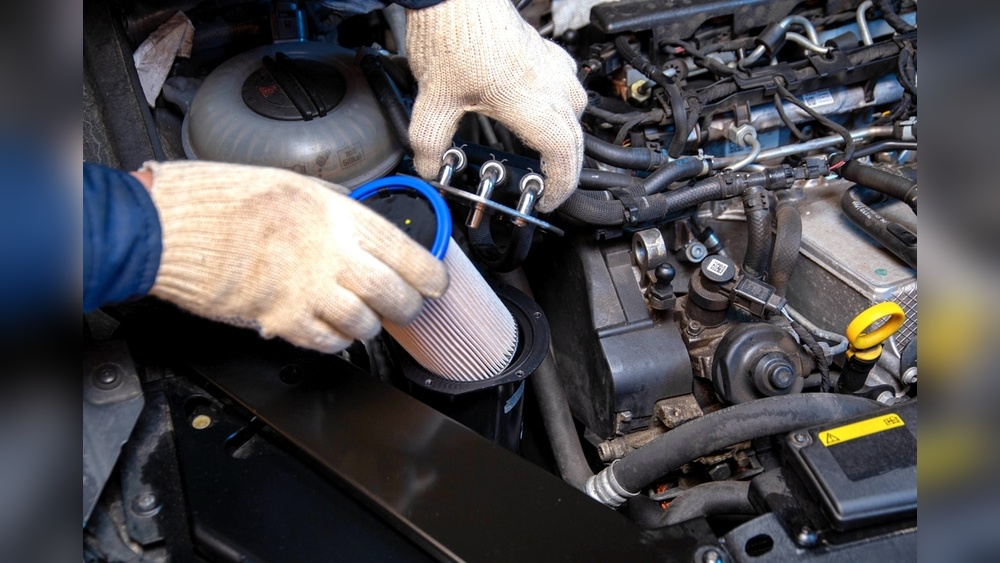
If you own a Mercury engine, keeping it running smoothly is your top priority. One simple but crucial step is knowing how to replace your Mercury fuel filter.
A clean fuel filter ensures your engine gets the right fuel flow, preventing costly damage and frustrating breakdowns. In this guide, you’ll learn easy, step-by-step instructions to swap out your fuel filter quickly and safely. By the end, you’ll feel confident maintaining your engine and saving money on repairs.
Ready to take control of your Mercury engine’s health? Let’s get started.

Credit: www.quicksilver-products.com
Tools And Materials Needed
Replacing a Mercury fuel filter needs the right tools and materials. Having these ready saves time and effort. It makes the job safer and cleaner. Below are the essential items for a smooth replacement process.
Basic Hand Tools
You will need a wrench set to loosen fuel line fittings. A screwdriver helps remove clamps or covers. Pliers are useful for gripping and pulling hoses.
Replacement Fuel Filter
Choose the correct Mercury fuel filter model for your engine. Check the owner’s manual or part number for accuracy. Using the right filter ensures proper fuel flow and engine health.
Fuel Container
A small container or bowl is needed to catch any spilled fuel. This prevents mess and reduces fire risk. Use a container that can hold the fuel safely.
Rags And Safety Gear
Have clean rags ready to wipe spills and clean parts. Wear safety gloves to protect your hands from fuel. Safety glasses prevent fuel or debris from getting into your eyes.
Optional Tools
A flashlight helps if you work in low-light areas. A fuel line disconnect tool may be needed on some models. Keep these handy to make the job easier.
Safety Precautions
Replacing a Mercury fuel filter is a helpful skill for boat owners. Safety is the top priority during this task. Fuel systems can be dangerous. Fuel leaks or sparks may cause fires or injuries. Taking proper safety steps keeps you and your boat safe.
Before starting, prepare your workspace. Work in a well-ventilated area. Avoid open flames and smoking nearby. Use tools that are in good condition. Wear protective gloves and eye protection. These steps reduce risks and protect your body.
Turn Off The Engine And Fuel Supply
Make sure the engine is off and cool. Shut off the fuel valve or pump. This stops fuel from flowing. It helps prevent spills and leaks during the filter change.
Wear Protective Gear
Use gloves to protect your hands from fuel. Wear safety goggles to guard your eyes. Fuel can irritate skin and eyes. Protective gear lowers the chance of harm.
Work In A Ventilated Area
Fuel fumes can be harmful and flammable. Open windows or work outdoors. Good airflow reduces fumes and fire risks. Avoid tight, enclosed spaces.
Keep Fire Extinguisher Nearby
Have a fire extinguisher within reach. Choose one rated for fuel fires. In case of an accident, quick action can stop a fire from spreading.
Dispose Of Old Fuel Filter Properly
Used filters contain fuel residue. Do not throw them in regular trash. Follow local rules for hazardous waste. Proper disposal protects the environment and safety.
Locate The Fuel Filter
Start by finding the fuel filter near the engine or fuel line of your Mercury boat motor. It usually looks like a small canister or clear plastic bowl. Check your owner’s manual for the exact location if you have trouble spotting it.
Understand The Purpose Of The Fuel Filter
The fuel filter cleans dirt and rust from the fuel. It protects the engine from damage. Knowing its role helps you find it easily. The filter is usually near the engine or fuel tank.
Check The Engine Compartment
Open the boat’s engine cover carefully. Look for a small, cylindrical part on the fuel line. It often has metal or plastic housing. The fuel filter connects between the fuel tank and engine.
Follow The Fuel Line
Trace the fuel hose from the tank to the engine. The filter sits along this line. It may be clamped or fitted tightly. Look for a clear or opaque container with fuel inside.
Consult The Owner’s Manual
The manual shows the exact filter location. It includes diagrams and photos. This guide saves time and avoids mistakes. Use it before starting the replacement process.
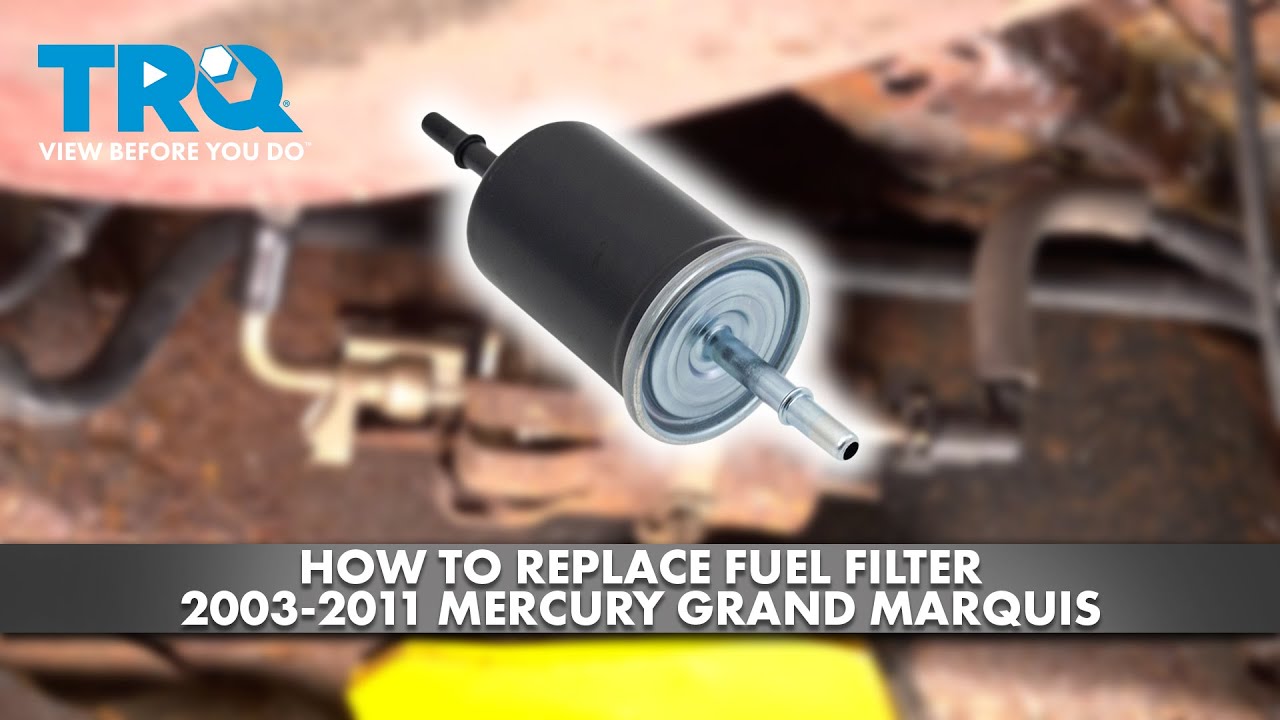
Credit: www.youtube.com
Drain Fuel From The Filter
Draining fuel from the Mercury fuel filter is a key step before replacing it. Removing old fuel helps avoid spills and keeps your engine clean. This process also makes it easier to install the new filter without air pockets.
Take your time and follow each step carefully. Safety matters a lot when handling fuel. Use proper tools and work in a well-ventilated area.
Prepare Your Workspace
Clear the area around the fuel filter. Place a container under the filter to catch drained fuel. Wear gloves to protect your hands from fuel contact.
Locate The Drain Valve
Find the drain valve or petcock on the fuel filter. It is usually at the bottom of the filter bowl. The valve allows fuel to flow out slowly and safely.
Open The Drain Valve
Turn the valve counterclockwise to open it. Let fuel drain into your container. Watch closely and close the valve once fuel stops flowing.
Dispose Of Fuel Safely
Pour the drained fuel into a sealed container. Take it to a recycling center or a hazardous waste facility. Do not pour fuel on the ground or down drains.
Remove The Old Filter
Removing the old mercury fuel filter is the first step in replacing it. This process clears out the used filter and prepares your engine for a fresh one. Proper removal helps avoid leaks and ensures smooth fuel flow.
Follow these clear steps to take out the old filter safely and quickly.
Turn Off The Engine And Fuel Supply
Stop the engine and switch off the fuel valve. This stops fuel flow and prevents spills. Safety first.
Locate The Mercury Fuel Filter
Find the filter near the engine or fuel line. It looks like a small clear or metal canister.
Place A Container To Catch Fuel
Put a small container or cloth under the filter. This catches fuel that may leak during removal.
Loosen The Fuel Lines
Use a wrench to gently loosen the fuel lines from the filter. Turn slowly to avoid damage.
Twist or pull the filter off its mount. Dispose of it properly to avoid pollution.

Credit: www.youtube.com
Install The New Filter
Installing the new Mercury fuel filter is a key step to keep your engine running smoothly. The process is simple when done carefully. Follow each step to avoid leaks and damage.
Prepare The New Filter For Installation
Check the new filter for any damage. Remove any protective caps or covers. Make sure the filter matches your Mercury model. Lubricate the rubber seal with a little clean fuel or oil. This helps the filter fit tight and prevents leaks.
Attach The New Filter Correctly
Look for the arrow on the filter body. It shows the fuel flow direction. Point the arrow towards the engine. Slide the fuel lines onto the filter’s connectors. Push them firmly until they fit tight. Use clamps if needed to hold the lines in place.
Secure The Filter In Place
Place the filter in its bracket or holder. Tighten any screws or clamps that hold it. Ensure the filter does not move or wiggle. A secure fit stops vibrations and damage while running.
Check For Leaks And Test The Filter
Turn the ignition on to pressurize the fuel system. Look closely around the filter for any leaks. Tighten clamps if you see fuel drops. Start the engine and watch the filter again. No leaks means the installation is correct.
Check For Leaks
Checking for leaks after replacing the Mercury fuel filter is very important. Leaks can cause fuel loss and engine problems. They can also be dangerous around electrical parts. Make sure the new filter is sealed tightly and no fuel is dripping. This step ensures your boat runs safely and smoothly.
Visual Inspection For Fuel Leaks
Look closely around the fuel filter and hoses. Watch for wet spots or fuel stains. Check the connections and clamps. Any wet area means a leak. Fix leaks before using the boat.
Start The Engine And Observe
Turn on the engine and keep it running for a few minutes. Watch the fuel filter and lines carefully. Small leaks often appear under pressure. Stop the engine if you see any drops of fuel.
Use A Paper Towel To Detect Leaks
Place a dry paper towel under the fuel filter. It will catch any small leaks you can’t see. Check the towel after running the engine. Wet spots on the towel show leaks that need fixing.
Tighten Connections If Needed
Loose fittings cause most leaks. Use a wrench to tighten clamps and connectors. Do not overtighten, or damage may occur. Check again for leaks after tightening.
Test The Engine
Testing the engine after replacing the Mercury fuel filter is very important. It shows if the filter works well. This step helps find any problems early. It also confirms the engine runs smoothly. Take your time and follow each step carefully for best results.
Start The Engine
Turn the key to start the engine. Listen closely to the sound. A healthy engine starts quickly and runs steady. If the engine sputters or stalls, check the filter and connections.
Look around the fuel filter for any fuel leaks. Leaks can cause engine problems or fire hazards. Tighten any loose clamps or fittings. Replace damaged hoses to keep the system safe.
Observe Engine Performance
Let the engine run for a few minutes. Notice if it runs smoothly without hesitation. Watch for any unusual noises or vibrations. Uneven running can mean air or dirt in the fuel system.
Test Under Load
If possible, test the engine while driving or running equipment. This shows how the engine works under stress. Smooth performance means the fuel filter is working well. Any drops in power need further checking.
Maintenance Tips
Proper maintenance of your Mercury fuel filter keeps your engine running smoothly. Small actions can prevent bigger problems. Regular care extends the life of your fuel filter and engine.
Here are key tips to maintain your Mercury fuel filter effectively.
Check Fuel Filter Regularly
Look at the fuel filter every few months. Dirt and debris can clog it quickly. Replace it if you see dirt or damage. This prevents poor engine performance and fuel flow problems.
Use Clean Fuel
Always use fresh and clean fuel. Dirty fuel clogs the filter fast. Avoid old or contaminated fuel. Clean fuel helps the filter last longer and protects the engine.
Inspect Fuel Lines
Check fuel lines for cracks or leaks. Damaged lines affect filter function and fuel flow. Fix any leaks right away. Good lines help the filter work well.
Replace Filter On Time
Follow the manufacturer’s schedule to change the filter. Don’t wait for symptoms like engine sputtering. Timely replacement keeps the engine healthy and saves repair costs.
Store Boat Properly
Store your boat in a dry place when not in use. Moisture can cause rust and filter damage. Proper storage protects the fuel system and filter condition.
Frequently Asked Questions
How Often Should I Replace A Mercury Fuel Filter?
Replace the Mercury fuel filter every 100 hours or annually. Frequent checks ensure optimal engine performance and prevent clogging. Follow your boat manual for specific intervals.
What Tools Are Needed To Replace The Fuel Filter?
You need a screwdriver, pliers, a new fuel filter, and a container for fuel catch. These basic tools help safely remove and install the filter.
How Do I Safely Remove The Old Mercury Fuel Filter?
Turn off the engine and fuel supply. Use pliers to loosen clamps and carefully remove hoses. Avoid spilling fuel by having a container ready.
Can I Use Any Fuel Filter For Mercury Engines?
No, always use a fuel filter compatible with Mercury engines. Using the wrong filter can cause engine damage or poor performance.
Conclusion
Replacing a Mercury fuel filter keeps your engine clean and running well. It stops dirt and debris from harming parts inside. Changing the filter regularly helps your boat work better and last longer. The steps are simple and safe to follow.
Take your time and check for leaks after finishing. A clean fuel filter means fewer problems on the water. Keep your boat ready for every trip by caring for its fuel system. Small efforts now save big repairs later.